

You wake up, walk to the bathroom mirror, and realize that eight hours of solid sleep did nothing for the persistent shadows and swelling resting beneath your eyes.
It feels frustrating to look in the glass and see a face that no longer matches your internal energy, especially after spending hundreds of dollars on department store eye creams that only offer temporary surface hydration.
To cut through the noise, I consulted four board-certified dermatologists who specialize in mature skin to separate normal aging biology from clever marketing promises.
⚠️ COMMON MISTAKE
The Skincare Misconception
Treating structural under-eye bags with standard anti-aging face creams is like trying to fix a sagging roof with a fresh coat of paint. You need to address the structural support beneath the skin.
The Anatomy Shift: Why Under-Eye Bags Explode After 50

The primary culprit behind under-eye bags is not just fatigue.
As we cross into our fifties, the orbital septum—a thin fibrous membrane that acts as a retaining wall holding your orbital fat pads back inside the eye socket—begins to weaken and stretch out.
Simultaneously, the maxillary bone of the cheek resorbs and shrinks inward, while collagen Type I and Type III production drops sharply, removing the physical scaffolding that keeps the skin tight and smooth.
This combination allows the natural fat pads beneath your eyes to herniate forward, creating permanent pouches that persist regardless of your hydration levels or sleep quality.
Distinguishing between true fat herniation, fluid retention, and simple dark pigmentation is the first step toward choosing an intervention that actually moves the needle.
The Biology of Periorbital Aging
Key metrics every mature skincare routine must address
Topical Reality Check: What Eye Creams Can and Cannot Do
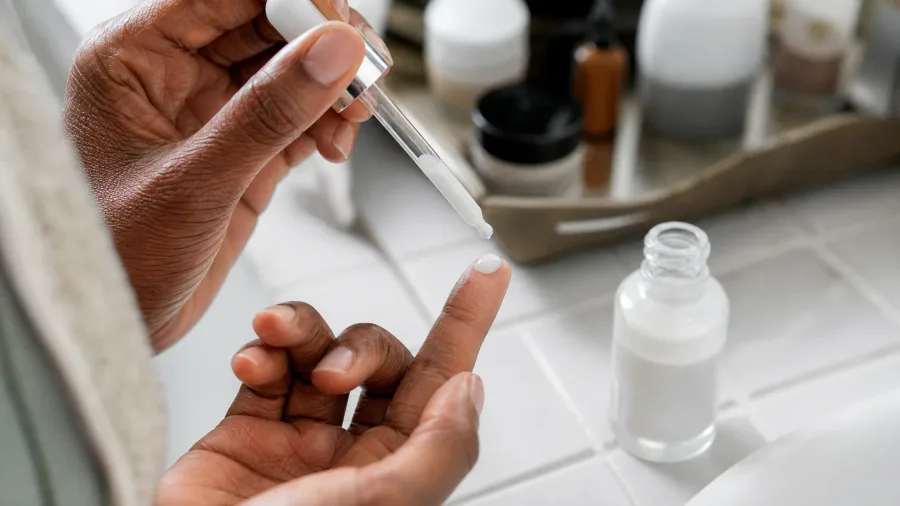
Ask any board-certified dermatologist about luxury eye creams, and you will hear a measured sigh.
Topical formulations containing peptides, low-strength retinoids, and caffeine can temporarily constrict local blood vessels and improve surface hydration, which softens fine lines.
However, they cannot reverse the structural descent of orbital fat or repair a stretched-out orbital septum.
Expect a realistic eight to twelve weeks of consistent use for any surface texture improvement, and understand that structural bags will remain largely unchanged by jars of cream.
In-Office Modalities That Move the Needle
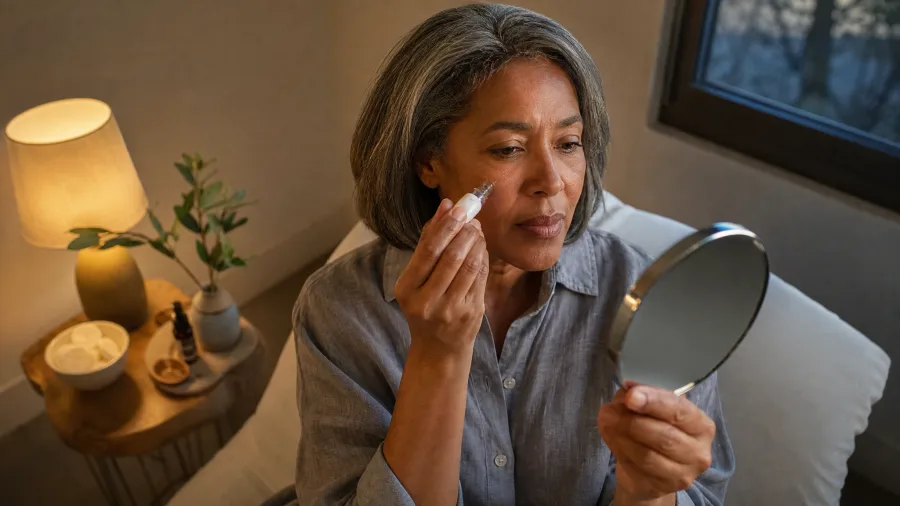
When topicals hit their absolute limit, professional dermatological procedures offer the next tier of correction.
Energy-based devices such as ultrasound therapy and radiofrequency microneedling help tighten lower eyelid skin by stimulating new collagen production in the deep dermis.
Strategic placement of hyaluronic acid filler in the tear trough can camouflage minor hollowing that makes bags appear more prominent, though experts urge extreme caution in mature tissue to avoid the bluish Tyndall effect or prolonged swelling.
Fractionated laser resurfacing remains the gold standard for smoothing out severe textural crêpiness surrounding the orbital area without requiring full surgical intervention.
Energy-based tightening buys you time and improves skin quality, but it does not remove structural fat. Match the treatment to the actual anatomical problem.
— What board-certified dermatologists emphasize repeatedly
The Surgical Threshold: When Blepharoplasty Becomes the Only True Fix

There comes a point in the aging process where non-invasive devices and topical serums reach a hard wall.
When structural fat herniation becomes pronounced, lower blepharoplasty stands out as the definitive surgical solution for permanent correction.
Surgeons utilize either a transconjunctival approach through the inside of the eyelid to avoid visible scarring, or a subciliary approach just below the lashes when excess skin removal is also required.
Modern techniques frequently favor fat repositioning over simple fat removal, filling adjacent hollows to prevent the skeletal, hollowed-out look that can prematurely age the eye area.
Treatment Verdict Lanes
- 🟢 Caffeine Topicals & Hydration — Great for managing temporary morning fluid retention and smoothing surface fine lines.
- 🟡 Radiofrequency & Lasers — Effective for skin tightening and texture, but requires maintenance sessions every 12 to 18 months.
- 🔴 Expecting Creams to Remove Fat — A guaranteed waste of money because topicals cannot cross the orbital septum to alter fat pads.
Where All 4 Dermatologists Agree: The Lifestyle Amplifiers

Strip away the debate over lasers versus surgery, and all four dermatologists point to the same foundational habits that dictate daily swelling.
High sodium intake, evening alcohol consumption, and fluctuating hydration levels directly drive lymphatic stagnation overnight, making morning bags look significantly worse.
Daily mineral sunscreen and UV-blocking sunglasses protect the fragile periorbital skin from photo-induced elastosis, preserving what natural elasticity remains.
Elevating your head with a supportive wedge pillow leverages gravity to prevent fluid from pooling in the lower eyelids while you sleep.
The Periorbital Care Pyramid
From daily habits to clinical interventions
Self-Assessment Payoff: Which Tier Are You In?

Mapping your specific under-eye presentation to the right tier of intervention saves both money and emotional energy.
Tier one involves mild, fluid-dominant puffiness that responds well to caffeine topicals, lymphatic massage, and sleep elevation.
Tier two features moderate skin laxity and minor fat prolapse, making you a candidate for retinoids, radiofrequency microneedling, and targeted professional lasers.
Tier three involves advanced, permanent fat herniation that only responds to a formal consultation for lower blepharoplasty.
Frequently Asked Questions
Do eye exercises or facial yoga reduce under-eye bags?
Facial exercises and eye yoga do not reduce under-eye bags. Over-contracting the orbicularis oculi muscle can actually deepen dynamic wrinkles around the eyes without offering any structural reduction to protruding fat pads.
Can seasonal allergies cause permanent under-eye bags after 50?
Allergies cause chronic inflammation and fluid accumulation known as allergic shiners, which stretch the skin over time. While the swelling itself is temporary, prolonged stretching can accelerate permanent skin laxity and fat prolapse.
Is under-eye fat loss the same thing as under-eye bags?
They are exact opposites. Under-eye bags involve protruding fat pads pushing forward, whereas tear trough hollowing involves fat loss and bone resorption beneath the eye, creating a shadowed depression.
Why do my under-eye bags fluctuate in size from day to day?
Daily fluctuations are almost entirely driven by lymphatic fluid retention. High sodium meals, poor sleep quality, alcohol consumption, and hormonal shifts cause temporary fluid pooling in the loose periorbital tissue overnight.
Beyond the Mirror: Reclaiming Your Baseline
Understanding the true structural mechanics behind post-50 eye bags removes the guilt of failing skincare products.
Match your intervention tier to your biological reality, drop the miracle marketing expectations, and remember that treating your skin is a personal choice rooted in comfort and confidence.

Meet Edward Green, the founder of GolfingGoal and a seasoned expert in golf. With years of experience on the course and a passion for the sport, Edward has a wealth of knowledge to share. As our Lead Writer, he contributes articles, tutorials, and resources to help readers to improve their skills and reach their full potential on the golf course. Join Our Team!