

You might know two people who experienced a fall: one dusted themselves off with nothing more than a bruise, while the other ended up with a months-long recovery from a fracture.
That difference often isn't just luck. It's the silent, cumulative effect of habits that have been at work for years, steadily eroding bone density.
Bone loss rarely announces itself with a sudden pain. It's a quiet process happening behind the scenes, making the choices you make every single day profoundly important. Many of our daily routines might, without us even realizing it, be subtly undermining our skeletal strength.
Doctors consistently highlight five specific lifestyle habits that can accelerate bone loss, particularly as we move past 40. Identifying these common culprits allows you to make informed, practical adjustments, actively protecting your bones for the decades ahead.
Quick Tips Before You Start
Stay Hydrated
Water helps transport nutrients essential for bone health throughout your body.
Prioritize Sleep
Good quality sleep supports hormone regulation, which in turn influences bone turnover.
Move Often
Break up long periods of sitting with short walks or stretches to provide gentle bone stimulus.
Balance Your Plate
Focus on whole, unprocessed foods to ensure a wide spectrum of bone-supportive vitamins and minerals.
Get Some Sun
Daily, safe sun exposure helps your body naturally produce Vitamin D, crucial for calcium absorption.
1. Excessive Alcohol Intake Thins Bones
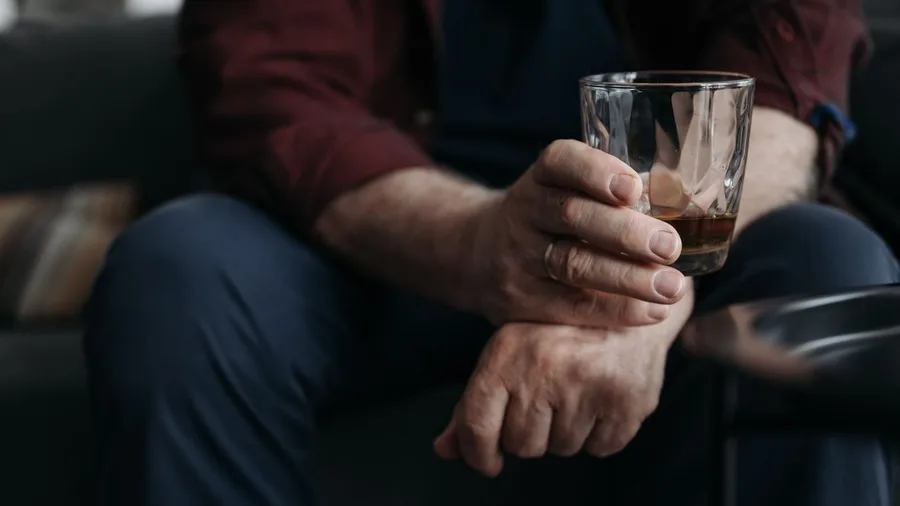
Many people enjoy a glass of wine or a beer, but for those over 40, what counts as "excessive" for bone health might be less than you think.
Regular, heavy alcohol consumption directly impairs your gut's ability to absorb essential calcium. This means even if you eat calcium-rich foods, your body struggles to put that mineral to good use.
Alcohol also inhibits osteoblasts, the crucial cells responsible for forming new bone tissue. Think of it like trying to build a wall when the bricklayers are on strike.
Consuming more than two to three standard drinks daily, over time, leads to a noticeable and measurable reduction in overall bone mineral density. The cumulative effect truly matters here, showing up as weaker bones decades later.
This long-term habit makes bones more porous and brittle, significantly increasing your risk of fractures, especially as natural bone loss accelerates with age.
💡 Tip: For women over 40, current guidelines suggest no more than one drink per day, and for men, no more than two. Even within these limits, consider non-drinking days to give your body a break.
⚠️ COMMON MISTAKE
Assuming 'Social' Drinking is Harmless
Many adults dismiss their alcohol intake as merely social, not realizing that even moderate daily consumption still adds up over weeks and months, subtly interfering with calcium metabolism and bone remodeling processes. It is the frequency, not just the volume, that poses a risk to long-term bone density.
2. Lack of Weight-Bearing Exercise Weakens Skeletons

Sitting for hours or choosing low-impact activities exclusively might feel gentle on your joints, but your bones need more. Bones are dynamic tissues that require mechanical loading to stay strong.
This mechanical loading refers to the stress and impact generated by your body's weight working against gravity. When you engage in activities that put weight through your bones, it sends signals to your body to build new bone and reinforce existing tissue.
Without this crucial stimulus, your bones simply do not get the message to strengthen. Prolonged inactivity, such as sitting for many hours daily, directly reduces bone density over time because your body sees no need to maintain robust bone structure.
The practical fix isn't about running marathons; it is about consistent, beneficial weight-bearing exercises. Think brisk walking, light jogging, dancing, hiking, or strength training with free weights or resistance bands.
Adding even 20-30 minutes of such activity three to four times a week makes a significant difference. Your bones respond to this consistent effort by becoming denser and more resilient, directly countering the natural decline that often begins in your 40s and 50s.
Weight-Bearing Exercise: Do This, Not That
Do These
- Brisk walking (30 mins, most days)
- Light jogging or stair climbing
- Bodyweight squats & lunges
- Dancing or low-impact aerobics
- Strength training with dumbbells
Skip These (for bone density)
- Extended periods of sitting
- Swimming (great for cardio, not bone)
- Cycling (non-weight bearing)
- Yoga/Pilates (unless weight-bearing forms)
- Only stretching or flexibility work
3. Insufficient Calcium and Vitamin D Depletes Density
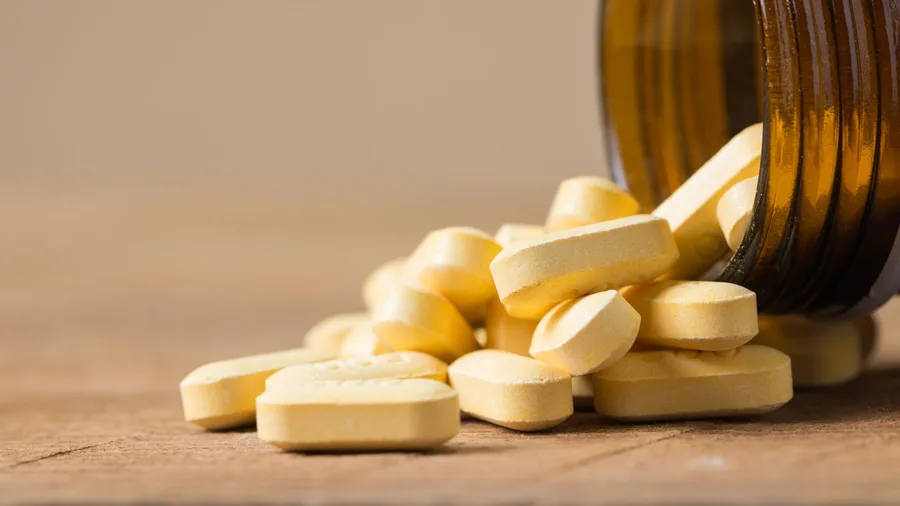
You might assume your diet is sufficient, but after 50, your body’s needs shift. Calcium is the primary mineral building block for bone structure and density, constantly being deposited and withdrawn from your bones.
However, calcium cannot do its job alone. Vitamin D is absolutely critical for facilitating calcium absorption from your gut into your bloodstream. Without enough Vitamin D, much of the calcium you consume passes through your system unused.
Inadequate intake of either calcium or vitamin D directly compromises bone strength and density over time. This becomes especially pronounced as hormone levels change with age, affecting how your body regulates these vital nutrients.
Aim for about 1200 mg of calcium daily for women over 50 and men over 70, and 1000 mg for men 51-70. Get this from real food first: dairy products like yogurt and cheese, fortified plant milks, leafy greens like kale and spinach, and canned sardines with bones.
For Vitamin D, target 600-800 IU daily through fatty fish (salmon, mackerel), fortified foods (some cereals, orange juice), and regular, safe sun exposure. Many adults, particularly those living in northern climates, find a supplement is helpful to meet this quota, especially in winter months.
4. Smoking Accelerates Bone Cell Breakdown

While proper nutrient intake is foundational for strong bones, external habits can also directly undermine your skeletal health.
Cigarettes contain compounds that actively interfere with your body's bone-building and bone-resorbing cells. Nicotine and other toxins disrupt the delicate balance between osteoblasts, which form new bone tissue, and osteoclasts, which break down old bone.
This shifts the process toward a net loss of bone material.
Beyond direct cellular damage, smoking reduces the healthy flow of blood throughout your body, including to your bones.
Less oxygen and fewer nutrients then reach bone tissue, both of which are necessary for its repair and ongoing maintenance.
For women, smoking also significantly impacts hormone levels. It can lower estrogen, a hormone important for protecting bone density, especially as you approach menopause.
This combination of direct cell damage, poorer nutrient delivery, and hormonal shifts speeds up the rate at which your body loses bone tissue. Over years, this accelerates the natural bone density decline, making bones more fragile and susceptible to fractures.
💡 Tip: If you smoke, every day you don't light up gives your bones a better chance to recover. Resources are available to help you quit, and your doctor can guide you.
5. High Sodium Intake Leaches Calcium
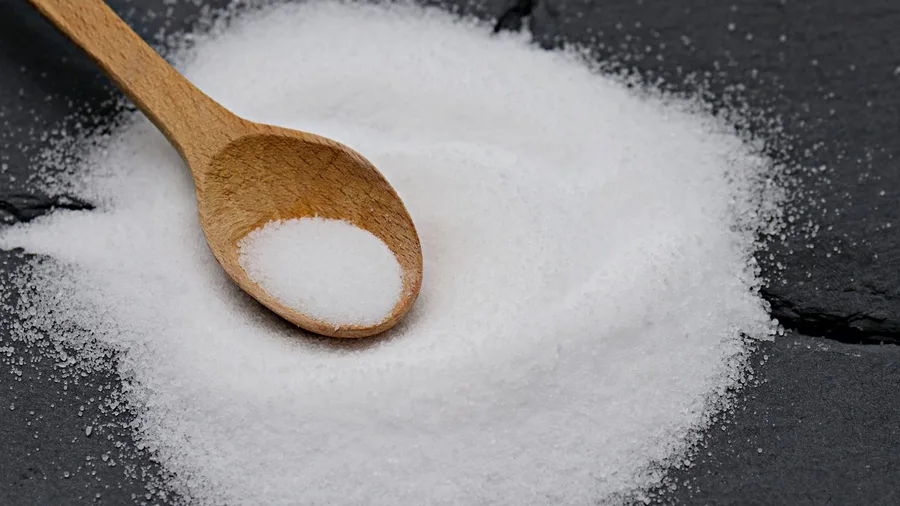
While some habits introduce direct toxins that deplete bone health, others subtly interfere with your body's delicate mineral balance, slowly chipping away at bone strength.
One often-overlooked culprit is a diet high in sodium.
When you take in too much sodium, your kidneys work harder to flush it out of your system. In this process, they unfortunately also excrete more calcium along with the sodium into your urine.
This creates a net loss of calcium from your body each day.
To keep blood calcium levels stable, your body then pulls calcium from its largest reserve: your bones.
Over time, this constant leaching of calcium directly weakens your skeletal structure.
This isn't about the salt shaker at dinner, but the hidden sodium in many common foods.
Processed meals, canned soups and vegetables, cured meats, and fast food often pack hundreds of milligrams of sodium per serving, easily pushing you past recommended limits for bone health.
Consistently consuming these high-sodium items contributes to a gradual, long-term reduction in bone density, making bones more fragile decades down the line.
Aim to keep daily sodium intake below 2,300 milligrams, and ideally closer to 1,500 milligrams if you are concerned about blood pressure, as nutritional experts often advise.
🧂 Phasing Out Excess Sodium for Better Bones
Audit Your Intake
Spend a week noting hidden sodium in your daily foods, especially processed items and restaurant meals.
Read Labels Carefully
Choose 'low sodium' or 'no salt added' versions of canned goods, broths, and condiments.
Cook at Home More
Control the salt by using herbs, spices, and lemon juice for flavor instead of relying on packaged seasonings.
Reduce Processed Foods
Swap out fast food and frozen dinners for fresh fruits, vegetables, and lean proteins.
Gradual Reduction
Slowly cut back on table salt; your taste buds will adjust over a few weeks.
Frequently Asked Questions
Can I reverse bone loss if I start making changes now?
While severe bone loss (osteoporosis) often cannot be fully reversed, you can significantly slow its progression and improve bone density, particularly in the earlier stages of osteopenia. Consistent changes in diet and exercise play a major role in halting further deterioration.
How long does it take to see improvements in bone density?
Bone remodeling is a slow process. You won't see changes overnight. Consistent effort over six to twelve months is typically needed before measurable improvements in bone mineral density are observed. Patience and persistence are key for long-term results.
Are there specific supplements I should take for bone health?
Calcium and Vitamin D are the most commonly recommended supplements. However, always consult your doctor before starting any new supplement regimen, especially if you have other health conditions or take medications. They can advise on proper dosage and potential interactions.
Is impact exercise always safe for older adults?
Not always. While weight-bearing exercise is crucial, high-impact activities might be too risky for individuals with existing bone loss or joint issues. A physical therapist can help you find safe, effective exercises tailored to your current bone health and physical condition.
Does caffeine contribute to bone loss?
Moderate caffeine intake (up to 400 mg/day, about 3-4 cups of coffee) generally doesn't have a significant negative impact on bone density, especially if calcium intake is adequate. However, excessive caffeine might slightly increase calcium excretion, so balance is important.
Shaping Your Bone Health Journey Ahead
Addressing alcohol intake, regular weight-bearing exercise, adequate calcium and Vitamin D, avoiding smoking, and reducing sodium are the most impactful steps for your bone density.
Bone loss often shows no signs until a fracture. Making these lifestyle shifts now significantly impacts your skeletal strength for the years ahead.
Always talk through changes with your healthcare provider for personalized advice. That way, if a simple fall happens, you will be more likely to shrug it off than face a difficult, long recovery.
Start One New Habit Today
Review the "Quick Tips Before You Start" section and pick one actionable change you can implement to support your bone health right away.

Meet Edward Green, the founder of GolfingGoal and a seasoned expert in golf. With years of experience on the course and a passion for the sport, Edward has a wealth of knowledge to share. As our Lead Writer, he contributes articles, tutorials, and resources to help readers to improve their skills and reach their full potential on the golf course. Join Our Team!