
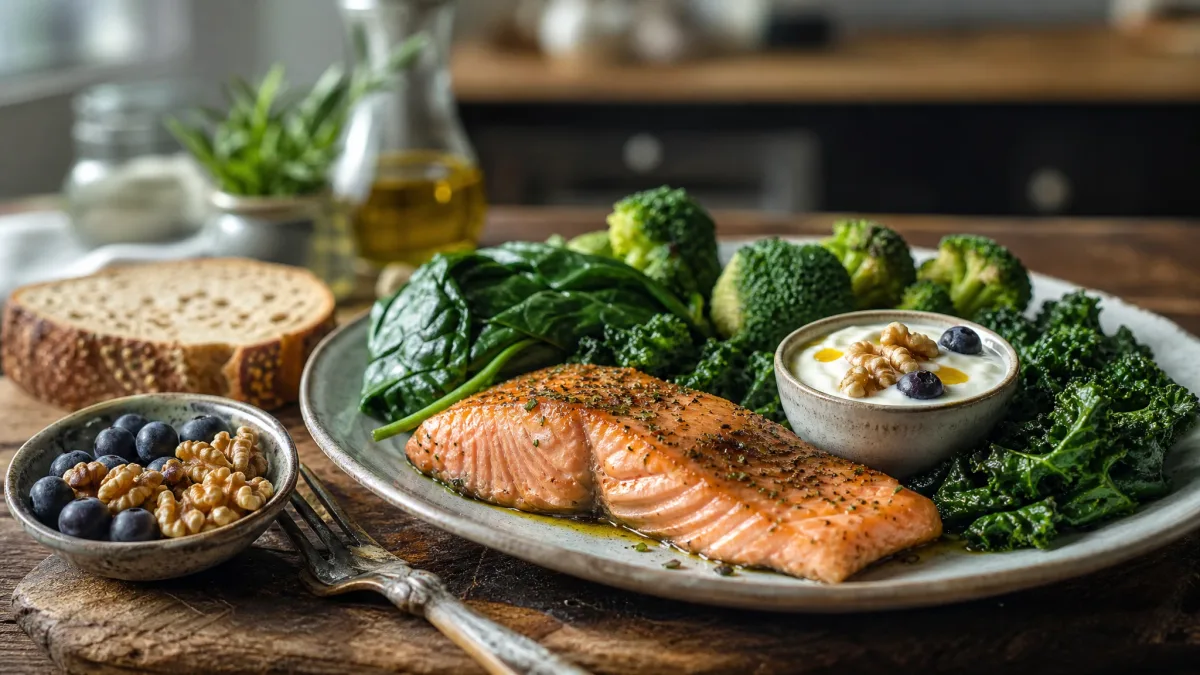
You open yet another wellness article promising a miracle transformation, only to find a recycled list of restrictive rules and impossible ingredients that leave you exhausted before breakfast.
Dietary advice should not feel like an endless series of deprivations. Real nutritional stability comes from whole foods that target cellular repair, metabolic health, and systemic inflammation without requiring a chemistry degree.
By focusing on ten everyday staples backed by longevity research, you can shift your daily plate away from short-term fads and toward lasting, sustainable vitality.
💡 PRO TIP
The Golden Rule of Daily Nutrition
Consistency in whole-food intake outweighs perfection in macro-counting every single time.
Why Cellular Health Dictates Daily Eating

Oxidative stress accumulates quietly inside the body as reactive oxygen species chip away at cellular structures over decades.
Dietary antioxidants and polyphenols act as molecular keys that activate protective cellular defense pathways, specifically Nrf2 transcription factors.
Chronic low-grade systemic inflammation accelerates the aging process across every organ system. Choosing the right foods dampens this inflammatory fire at the cellular level.
Cellular Defense Pillars
Based on foundational nutritional biochemistry principles.
Food 1: Wild-Caught Salmon

Wild-caught salmon provides a concentrated dose of EPA and DHA omega-3 fatty acids that actively lower triglyceride levels and reduce arterial plaque formation.
These essential fats incorporate directly into neuronal cell membranes, supporting cognitive function and dampening neuroinflammation as you age.
Aim for two to three servings per week, baking it gently at 375 degrees Fahrenheit with olive oil and fresh herbs to preserve the delicate fatty acid profile.
Wild-Caught vs. Farmed Salmon
Wild-Caught Salmon
- Higher concentration of omega-3 fatty acids
- Richer natural astaxanthin pigment profile
- Lower overall environmental contaminant exposure
- Firm texture and robust natural flavor
Standard Farmed Salmon
- Often higher in pro-inflammatory omega-6 fats
- Dependent on commercial feed inputs
- Varying levels of environmental pollutants
- Softer flesh with a milder flavor profile
Food 2: Leafy Greens – Spinach and Kale

Dark leafy greens are packed with lutein and zeaxanthin, carotenoids that accumulate in the eye's macula to protect against age-related degeneration.
Folate, or Vitamin B9, is abundant in these greens and plays a vital role in DNA synthesis, cellular repair, and homocysteine regulation.
Always pair your raw or lightly cooked greens with a healthy fat like extra virgin olive oil to increase carotenoid absorption by up to five hundred percent.
⚠️ COMMON MISTAKE
The Fat-Soluble Nutrient Trap
Eating plain greens with fat-free dressing wastes their carotenoids. Your body needs dietary fats to unlock these fat-soluble protective compounds.
Food 3: Extra Virgin Olive Oil

Oleic acid, the primary monounsaturated fatty acid in olive oil, maintains healthy blood lipid profiles and supports optimal endothelial function.
High-quality extra virgin olive oil contains oleocanthal, a potent polyphenol that shares a similar anti-inflammatory pathway with pharmaceutical ibuprofen.
Do not fear cooking with it; quality extra virgin olive oil has a stable smoke point around 400 degrees Fahrenheit and holds up well to everyday sautéing.
The Cooking Oil Transformation
An effortless kitchen upgrade for long-term health.
Food 4: Blueberries

Deep blue pigments come from anthocyanins, powerful antioxidant compounds that neutralize free radicals before they damage cellular structures.
Clinical findings show that regular blueberry intake improves delayed memory and executive function in older adults.
The low glycemic index of blueberries ensures that their natural fruit sugars enter the bloodstream slowly, supported by a healthy dose of dietary fiber.
Food 5: Walnuts
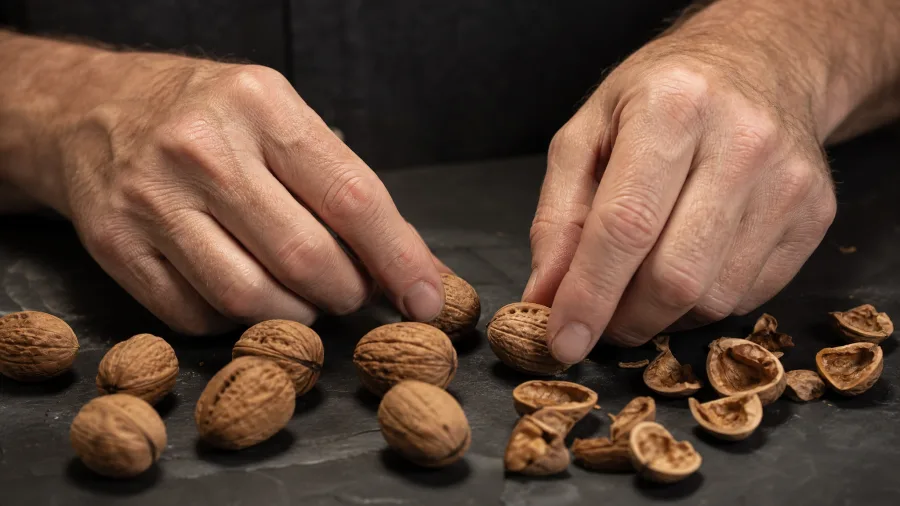
Walnuts stand out among tree nuts by providing a generous plant-based source of alpha-linolenic acid, an essential omega-3 fatty acid.
They are exceptionally rich in ellagitannins, compounds that gut microbes convert into urolithins, which are heavily studied for anti-aging and muscle health.
Stick to a standard one-ounce handful daily to enjoy their cardiovascular benefits without overdoing the caloric density.
Best Ways to Eat Walnuts
Food 6: Fermented Foods – Yogurt and Kefir

Live probiotic cultures like Lactobacillus and Bifidobacterium populate the digestive tract, outcompeting pathogenic bacteria and training your immune cells.
Fermentation produces short-chain fatty acids that strengthen the intestinal epithelial barrier and reduce chronic systemic inflammation.
Always check labels to ensure you are buying plain, unsweetened yogurt or kefir with live active cultures rather than sugar-laden dessert alternatives.
Microbiome Impact Metrics
Key physiological responses to daily fermented food intake
Observed in clinical trials involving daily probiotic dairy consumption.
Food 7: Legumes – Lentils and Chickpeas

Lentils and chickpeas deliver a powerful combination of soluble and insoluble fiber that slows carbohydrate digestion and binds dietary cholesterol.
Resistant starches form as cooked legumes cool, acting as prebiotics that feed beneficial short-chain fatty acid-producing gut microbes.
Incorporate canned or dried lentils into soups and stews two or three times a week for effortless metabolic stability.
🌱 GROWING TIP
Digestive Adaptation Tip
If beans cause bloating, start with small quarter-cup servings and increase gradually over three weeks to let your digestive microbiome adapt.
Food 8: Cruciferous Vegetables – Broccoli and Brussels Sprouts

Glucosinolates in broccoli and Brussels sprouts convert into active isothiocyanates like sulforaphane when plant cell walls are chewed or chopped.
Sulforaphane stimulates Phase II liver detoxification enzymes, enhancing your body's natural clearance of everyday environmental toxins.
Chop your broccoli and let it rest for thirty to forty minutes before cooking to maximize myrosinase enzyme conversion.
Cruciferous Vegetable Realities
Small preparation tweaks yield major nutritional dividends.
Food 9: Garlic and Onions

Crushing garlic releases allicin and other organosulfur compounds that exhibit powerful antimicrobial properties and support healthy blood pressure regulation.
The prebiotic fructans present in onions and garlic selectively nourish beneficial bifidobacteria populations in your large intestine.
Mince your garlic and let it sit for ten minutes before exposing it to heat so the allicin formation reaction can complete.
🧄 The Garlic Allicin Activation Timeline
Crush or Mince
Physical damage breaks plant cell walls to mix alliin and myrosinase enzymes.
Rest for 10 Minutes
Allow the chemical conversion to produce maximum therapeutic allicin.
Gentle Heat
Cook lightly in olive oil to preserve active compounds while softening the sharp bite.
Food 10: Green Tea

Epigallocatechin gallate, or EGCG, serves as the primary catechin responsible for green tea's potent antioxidant and metabolic-supporting properties.
The synergistic combination of L-theanine and caffeine promotes calm, focused cognitive alertness without the anxious jitters associated with coffee.
Steep loose-leaf green tea in water heated to 175 degrees Fahrenheit for three minutes to extract maximum polyphenols without harsh bitterness.
The ultimate daily elixir for focus and longevity.
Where Everyone Agrees: The Longevity Consensus

Strip away the endless marketing noise and longevity researchers consistently land on the same fundamental dietary principles.
Whole, plant-forward foods packed with polyphenols, fiber, and healthy fats outperform isolated vitamin supplements every single time.
Dietary synergy ensures that complex food matrices deliver health benefits that single-nutrient pills simply cannot replicate in human trials.
Your Daily Action Plan: Building Your Plate
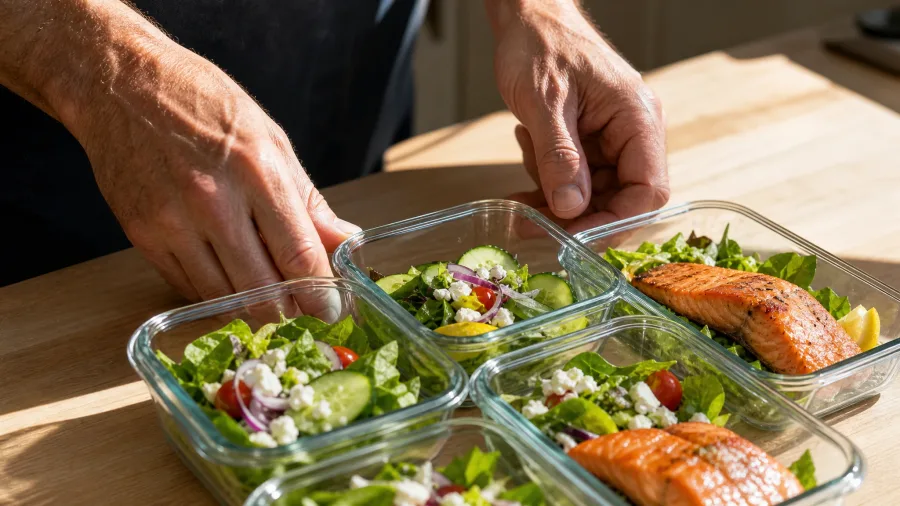
Building a sustainable routine does not require overhauling your entire kitchen pantry by tomorrow morning.
Select three foods from this list to incorporate into your meals this week, then layer in two more next week.
Make your next grocery trip an intentional step toward cellular nourishment rather than a reaction to the latest diet trend.
Frequently Asked Questions
Can I get the same benefits from vitamin supplements if I do not eat these foods?
Isolated supplements lack food matrix synergy, dietary fiber, and complete phytonutrient profiles. Whole foods provide complex interactions that pills cannot replicate.
What if I have food sensitivities or allergies to items like walnuts or seafood?
Substitute safely with nutrient-equivalent options like pumpkin seeds for zinc and magnesium or chia seeds for plant-based omega-3 fatty acids.
How much does organic matter when building a daily longevity diet?
Prioritize whole foods first and foremost. Use environmental working group guidance for pesticide loads on thin-skinned produce when your grocery budget permits.
Can frozen fruits and vegetables match the nutritional value of fresh produce?
Flash-frozen produce is picked at peak ripeness and often retains comparable or superior micronutrient levels compared to fresh produce that sits in transit.
How long before I notice changes in my energy or lab markers from changing my diet?
Gut microbiome shifts occur within days, while lipid profile and inflammatory marker improvements typically show up in blood work after eight to twelve weeks.
Make It Stick
Real vitality is built through quiet accumulation, not extreme restriction or complicated dietary rules.
Pick two foods from this list to add to your grocery basket today, and let consistent daily habits do the heavy lifting for your long-term health.

Meet Edward Green, the founder of GolfingGoal and a seasoned expert in golf. With years of experience on the course and a passion for the sport, Edward has a wealth of knowledge to share. As our Lead Writer, he contributes articles, tutorials, and resources to help readers to improve their skills and reach their full potential on the golf course. Join Our Team!