
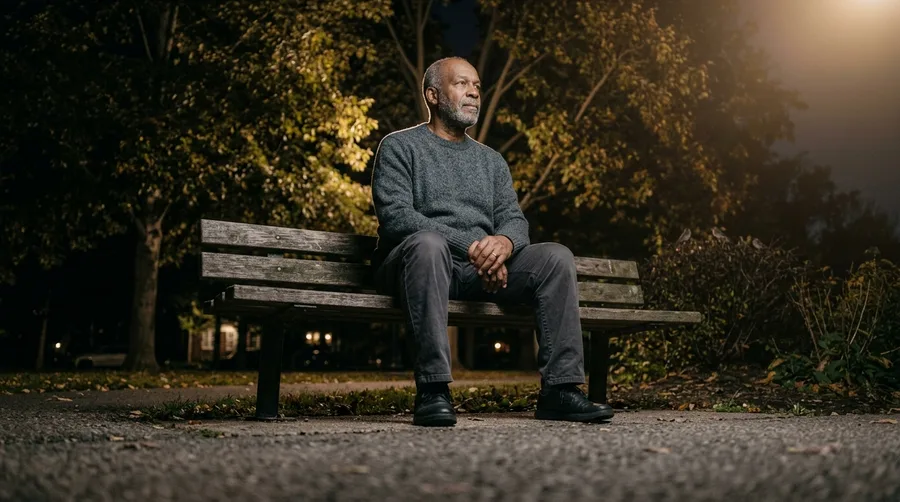
You notice the phone stops ringing on weekends and invitations to gatherings quietly disappear.
When men cross sixty, a profound social contraction often takes place that leaves spouses, adult children, and lifelong friends searching for answers. This withdrawal is rarely accidental or simply a byproduct of aging.
Understanding the underlying psychology requires looking past the surface silence to examine how identity, shifting priorities, and emotional regulation evolve during the later decades of life.
Quick Tips Before You Start
Look Beyond Mood
Withdrawal is frequently about energy conservation rather than clinical depression.
Avoid Pressuring
Demanding immediate socialization often increases defensiveness and isolation.
Focus on Tasks
Men connect more easily side-by-side during projects than face-to-face in conversation.
1. The Shift from Career Identity to Quiet Solitude

Work often serves as the primary scaffolding for a man's social life for four decades.
When retirement arrives, that scaffolding collapses overnight, leaving a massive vacuum where professional camaraderie used to live.
Many men find it exhausting to rebuild an entirely new social network from scratch when their primary sense of competence was tied directly to their job, which takes about two to three years of intentional adjustment to process.
The resulting silence is a period of intense renegotiation with a self that no longer has a title.
⚠️ COMMON MISTAKE
Misinterpreting Quiet as Depression
Assuming silence equals sadness often leads families to push unwanted social calendar fixes that cause further retreat.
2. Emotional Regulation and Decreased Tolerance for Drama
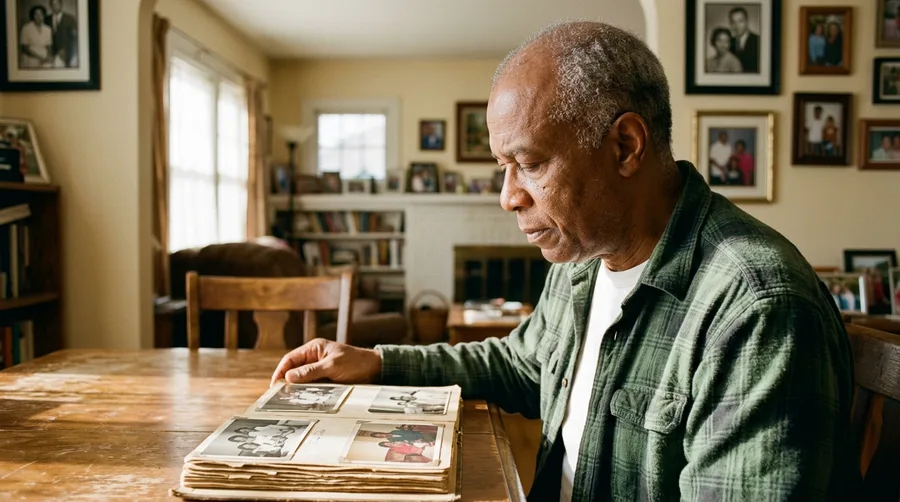
You start noticing that social circles shrink not out of loneliness, but from a sudden lack of patience for trivial friction.
Psychologists call this socioemotional selectivity theory, where people consciously prune relationships that require high emotional maintenance and offer low relational return.
Small talk, superficial friendships, and social obligations that felt mandatory at thirty suddenly look entirely optional at sixty-five.
The brain shifts its finite energy toward emotional regulation rather than expanding networks.
This means dropping the obligations that drain you.
The practical takeaway is to invest your remaining social hours in two or three deep connections instead of a dozen casual ones.
Social Circle Pruning After Sixty
How priorities shift toward high-value connections
Based on aging psychology observations regarding social selectivity.
3. Physical Fatigue and Energy Conservation

Socializing takes physical stamina that declines subtly over the decades.
Attending a loud dinner party or navigating a crowded room burns through cognitive and physical reserves much faster than it used to.
Choosing to stay home is often a pragmatic decision to protect sleep quality, manage chronic aches, and maintain daily energy levels.
Physical therapists and longevity researchers point out that sensory processing and muscular bracing against fatigue demand actual metabolic fuel.
Energy management becomes a deliberate choice rather than an accident of schedule.
That is why protecting your evening rest requires looking at social commitments through the lens of recovery time.
Energy Management — At a Glance
⚡ Cost
High cognitive drain in loud settings
🛌 Recovery
Requires quiet days following events
📉 Tolerance
Drops sharply after dark
💡 Solution
Shorter, daytime get-togethers
The Core Rule
Protecting evening calm takes priority over maintaining large social schedules.
4. Loss of Peers and Changing Health Realities
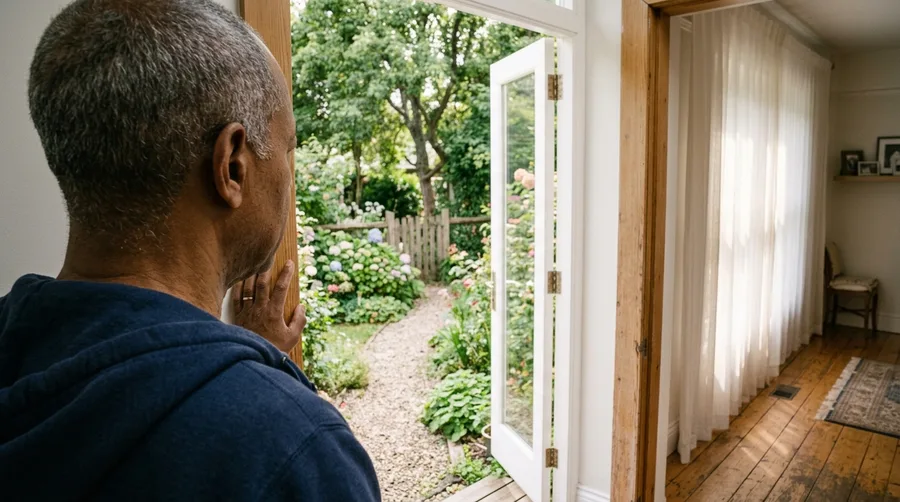
The phone calls from old friends begin to change from weekend plans to medical updates.
As peers face mobility issues, chronic illnesses, or pass away, the social landscape shrinks drastically in your sixties.
Facing mortality directly within your circle creates a quiet, heavy grief that resists easy translation into casual talk.
Many men withdraw simply because reaching out to aging friends serves as a stark, painful reminder of their own physical vulnerability.
Psychologists note that protecting yourself from constant reminders of decline feels protective in the short term, but it isolates you just when shared resilience matters most.
Schedule one low-stakes coffee with a longtime peer this week, focusing strictly on shared history rather than health stats.
Common Triggers for Withdrawal
5. Pride, Vulnerability, and Asking for Help
Admitting that your knees ache or that you missed a beat in conversation feels like breaking a lifelong code when you grew up believing self-reliance was the ultimate virtue.
Generational conditioning taught men in their sixties that asking for assistance is a direct threat to their autonomy, making vulnerability feel far riskier than keeping quiet.
Instead of risking exposure in social settings where they might appear diminished, men often slide into isolation as a protective armor that guards their pride.
The practical fix is shifting away from broad emotional check-ins and instead inviting them into side-by-side tasks where connection happens naturally without making anyone sit across a table and confess.
Decoding the Silence
Understanding the distinction prevents unnecessary family conflict.
6. The Comfort of Solitary Routines and Mastery
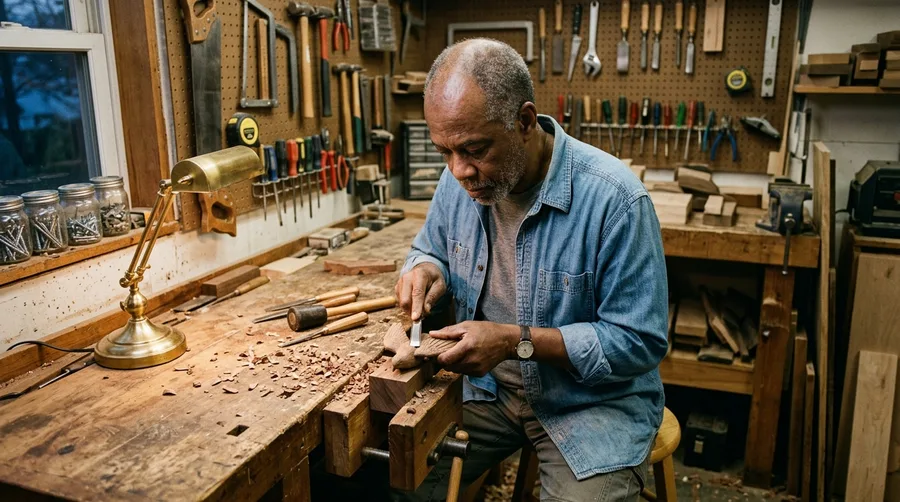
A rigid, predictable schedule offers surprising psychological comfort when the rest of life feels uncertain.
After decades of compromising with workplace demands and family chaos, having absolute control over your hours lowers chronic cortisol and mental fatigue.
Working on woodworking, gardening, or reading without interruption provides a sense of quiet mastery that social gatherings rarely match.
These solo pursuits allow the brain to drop smoothly into sustained flow states, bypassing the social friction and unpredictability of group dynamics entirely.
That deep focus triggers a steady dopamine release, reinforcing a feeling of competence that protects against age-related cognitive decline.
Carve out at least forty-five uninterrupted minutes of individual project time three days this week, and guard that window fiercely.
💡 PRO TIP
Support Solitary Mastery
Encouraging a hobby that demands concentration gives a man a renewed sense of purpose without forcing awkward small talk.
7. Difficulty Expressing Complex Inner Emotions
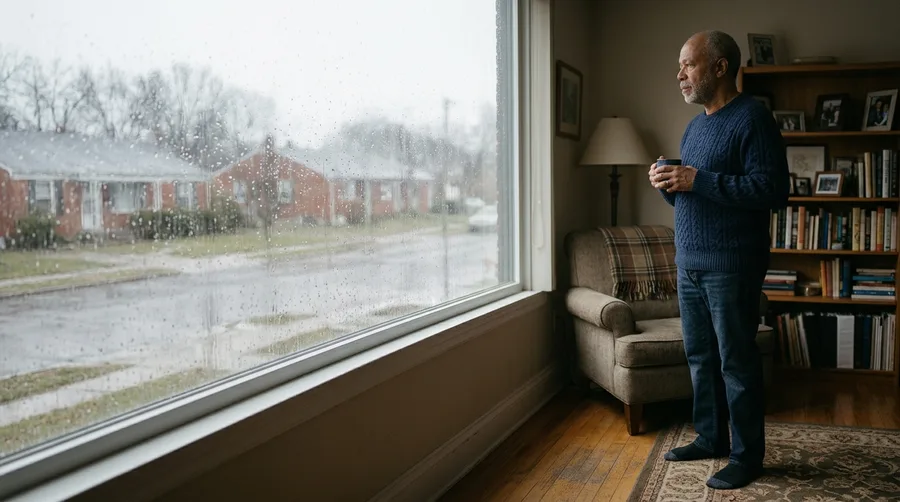
Emotional articulation was rarely modeled for men coming of age decades ago.
When complex feelings of aging, irrelevance, or sadness arise, they lack the vocabulary to discuss them comfortably.
Silence becomes the default language because expressing internal turmoil feels risky and unfamiliar.
Therapists note that this bottleneck usually eases when men pivot away from talking face to face and instead process heavy feelings side by side during shared physical tasks.
Try inviting a quiet friend for a long walk or garage project where the pressure to maintain direct eye contact disappears entirely.
8. The Rise of Sensory Fatigue and Hearing Loss
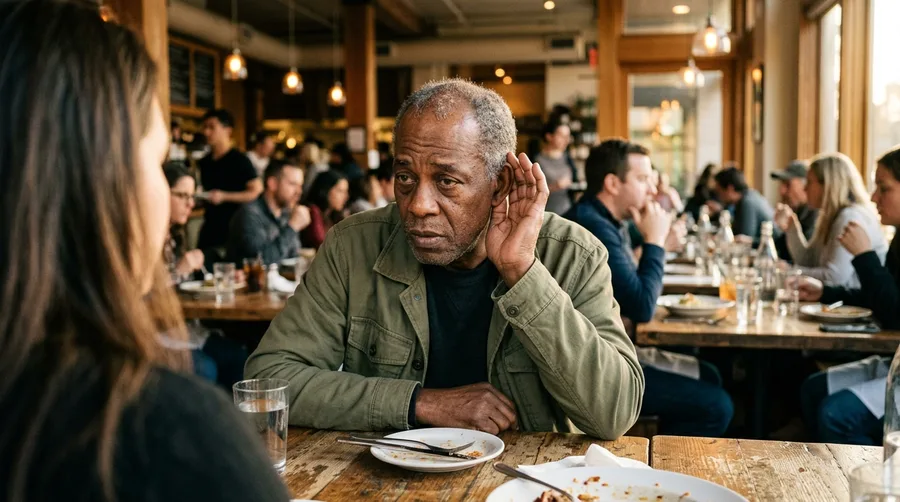
Group conversations stop feeling like relaxation and start feeling like an endurance sport.
Subtle age-related hearing loss forces the brain to decode muffled sounds manually instead of automatically.
Straining to catch every word in a bustling restaurant burns through cognitive energy so fast that exhaustion sets in long before the meal ends.
Many men quietly stop attending social events simply to avoid the quiet humiliation of mishearing a punchline or constantly asking people to speak up.
Protecting your evening peace often looks like withdrawing from rooms with too much background noise long before anyone else is ready to leave.
9. Redefining Masculinity in Retirement
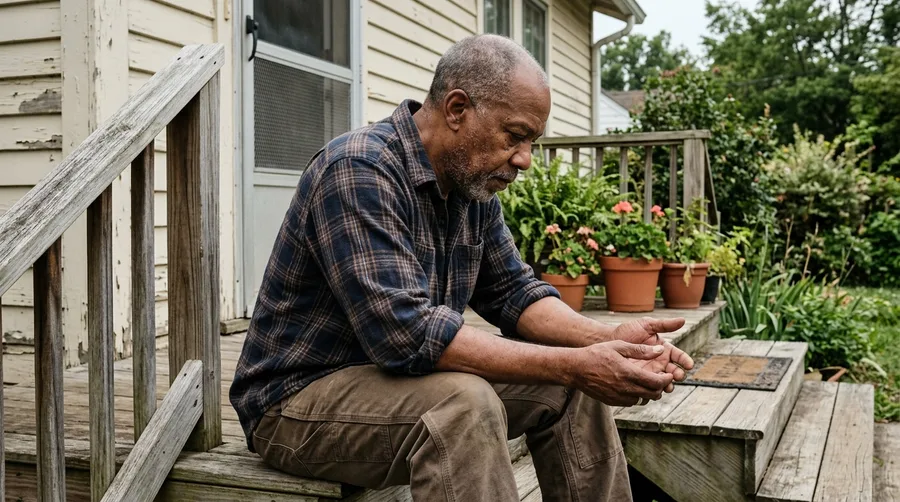
We spent decades measuring our worth by what we produced, what we earned, and how many problems we could fix before breakfast.
When retirement strips away those external markers of productivity and providing, the resulting identity shift runs deep.
Stepping back from social view feels safer than showing up empty-handed when your internal standard demands a title you no longer hold.
Cultural definitions of masculinity leave very little room for quiet transitions, which pushes men into isolation rather than awkward reinvention.
The practical workaround is building a new daily routine anchored in competence rather than status, whether that means mastering woodshop joinery, mentoring younger tradespeople without charging a fee, or learning to cook complex meals from scratch.
Action step: pick one tangible skill that takes at least six weeks to master, put it on your calendar for three mornings a week, and let the work speak for itself.
10. Fear of Becoming a Burden to Loved Ones

Older men are acutely aware of the toll that physical decline takes on family caregivers.
To prevent perceived burden, they may pull away proactively, convincing themselves that isolation protects their family.
This noble intention frequently backfires by creating emotional distance where closeness is needed most.
11. Shifting Cognitive Processing Speed
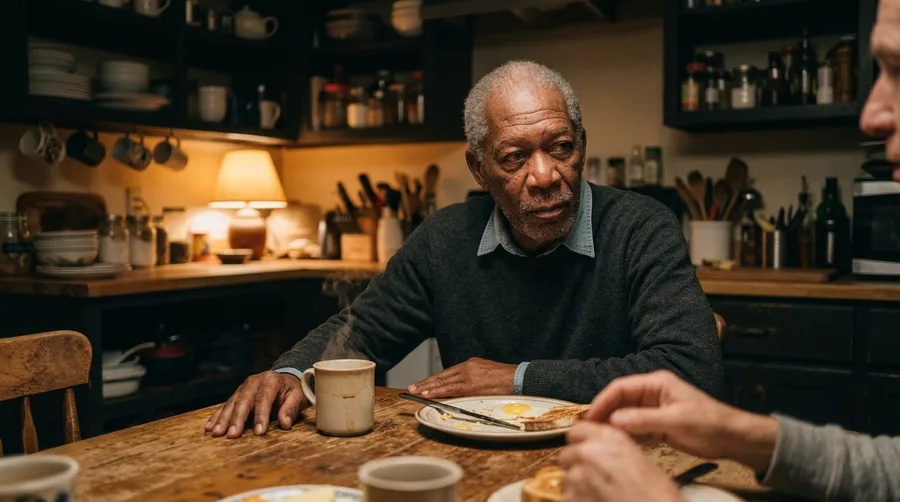
Rapid-fire banter and quick-witted group discussions require high cognitive processing speed.
As processing naturally slows down, men may feel left behind in fast-paced conversations and choose silence over stumbling.
Creating slower, deliberate conversational spaces changes this dynamic entirely.
12. The Preference for Depth Over Breadth
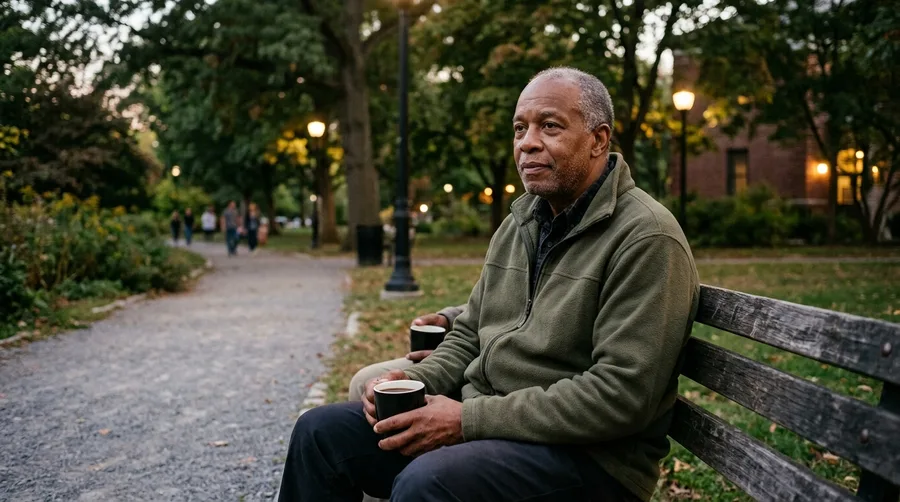
You stop caring about surface-level banter when your calendar opens up.
Decades of professional networking and casual acquaintance-making leave behind a quiet exhaustion.
Instead of filling a Saturday with ten different coffee dates, you would rather spend two hours talking through a single idea with someone who truly gets it.
Therapists who work with men in retirement often point to this shift as emotional consolidation, not isolation.
Your brain simply reallocates its finite social energy toward relationships that offer genuine psychological safety rather than mere entertainment.
The practical fix: stop forcing yourself to attend large gatherings where you end up standing by the snack table, and instead schedule one meaningful phone call or walk each week with a person who requires no performance.
It takes about four weeks of prioritizing that single deep conversation to realize how much lighter your social battery feels.
13. Unresolved Grief and Cumulative Loss
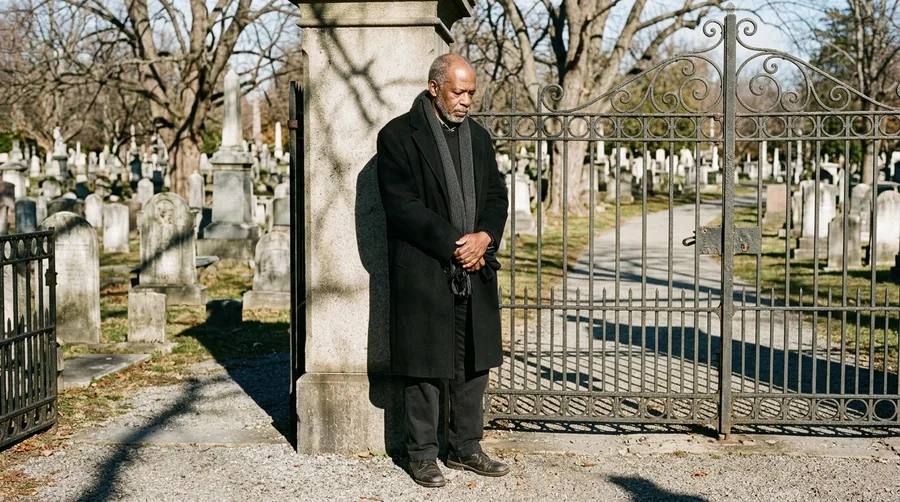
Decades of life bring accumulated losses of parents, friends, colleagues, and physical abilities.
By the time a man reaches his sixties, the tally of goodbyes becomes a heavy internal weight that changes how he interacts with the world.
Without proper outlets to process this persistent grief, men often build a protective emotional wall to keep further pain at bay.
Withdrawal serves as a functional fortress against the ongoing accumulation of painful farewells.
It takes about four to six weeks of intentional conversational space before a closed-off man even begins to unpack these accumulated layers safely.
If you notice someone pulling away, do not push for grand explanations; instead, offer quiet, consistent presence without demanding performance or emotional display in return.
14. The Comfort of Predictable Habits

Unpredictable social events introduce stress into a carefully curated daily routine.
As the nervous system becomes less forgiving of erratic schedules after sixty, physical predictability functions as a genuine biological stabilizer.
Knowing exactly when you will eat, sleep, and work on projects provides a soothing anchor against aging anxiety.
Therapists note that structured daily architecture helps preserve cognitive stamina when mental energy naturally contracts.
Breaking routine for social obligations often feels disruptive rather than rewarding, directly draining the reserves needed for basic daily recovery.
Honor this need for order by scheduling solitude with the same firmness you once reserved for workplace meetings.
15. Finding Connection on Their Own Terms
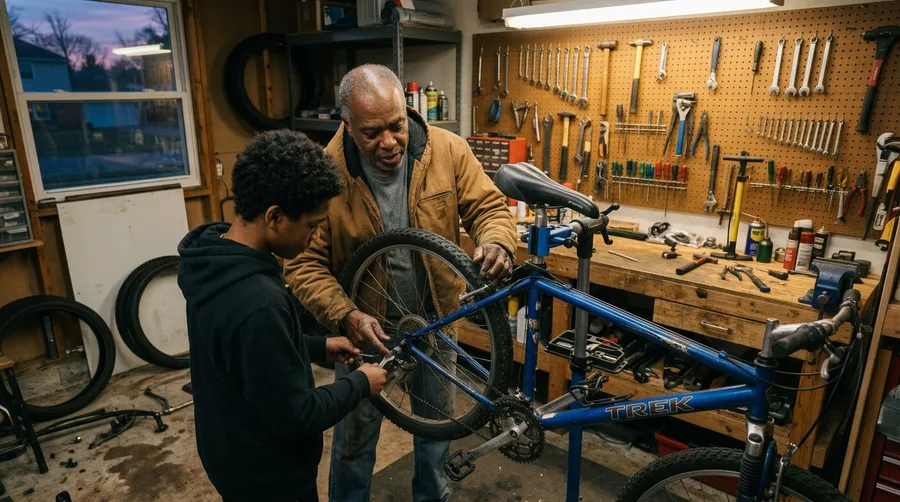
Forced social calendars are where connection goes to die after sixty.
When men re-engage, they skip the cocktail parties entirely and gravitate toward parallel play.
Walking groups, woodworking shops, and quiet mentoring prove that shared physical tasks make talking optional.
Words are secondary to action in this space, reducing the social friction that exhausts aging joints and social batteries alike.
Meeting men in functional environments bridges the gap between isolation and community without demanding performative small talk.
The practical takeaway is simple: invite a neighbor to fix a fence or walk a trail rather than sitting down for coffee.
Frequently Asked Questions
Is withdrawing after 60 always a sign of depression?
Not necessarily. Many men experience a natural contraction of social energy and a preference for solitude over superficial interactions. However, if withdrawal is accompanied by total loss of interest in life, changes in sleep, or despair, professional evaluation is warranted.
How can family members encourage connection without nagging?
Shift away from scheduling parties and instead invite him into side-by-side activities like woodworking, gardening, or a quiet walk. Action-based engagement removes the pressure of constant conversation and feels much more natural.
Why do older men stop calling their lifelong friends?
Physical fatigue, hearing challenges, and a reluctance to dwell on health issues often make phone calls feel burdensome. Many prefer quiet presence over catching up on past news.
How does retirement impact a man's social identity?
Retirement removes the professional structure that supported four decades of social interaction. Rebuilding a network takes effort that many men find exhausting without a clear functional purpose.
Your Next Step Toward Better Understanding
Start by dropping the pressure for large social gatherings and instead invite him into a quiet, side-by-side activity this week.
Respecting the need for solitude while keeping a gentle line of practical connection open makes all the difference.

Meet Edward Green, the founder of GolfingGoal and a seasoned expert in golf. With years of experience on the course and a passion for the sport, Edward has a wealth of knowledge to share. As our Lead Writer, he contributes articles, tutorials, and resources to help readers to improve their skills and reach their full potential on the golf course. Join Our Team!