

You stare at the screen as it buzzes on the oak coffee table, watching the numbers light up for the third time this afternoon.
The impulse is to assume it is frustration, stubbornness, or a deliberate choice to shut people out of daily life. The reality is far simpler and involves a quiet shift in how attention and energy get managed.
This article breaks down the exact behavioral patterns behind why phone calls start to get ignored, and what you can do to bridge the gap without forcing awkward conversations.
Quick Tips Before You Start
Try Texting First
Send a short written message instead of calling to give them time to think.
Schedule Ahead
Ask when a good time to talk is rather than dropping in unannounced.
Keep It Short
Aim for ten-minute check-ins instead of hour-long catch-ups.
1. The Exhaustion of Unstructured Small Talk
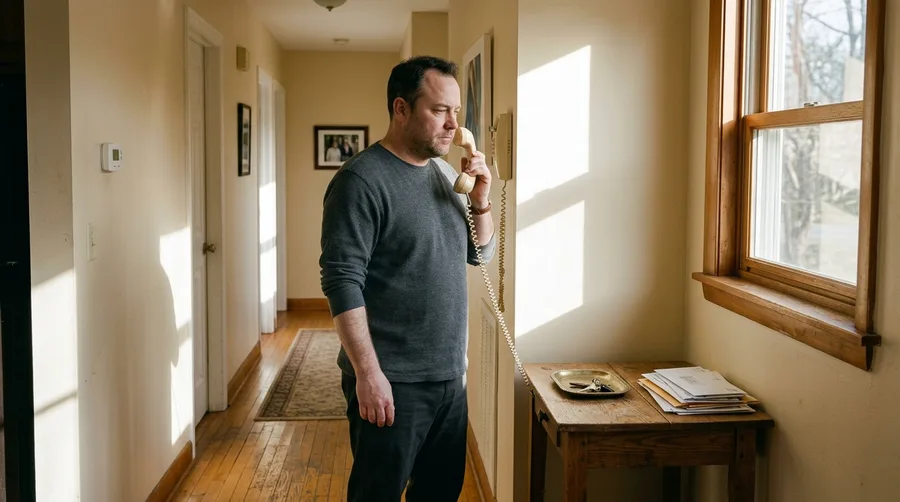
The conventional advice to keep in touch regularly by calling just to catch up completely misses how energy reserves actually operate.
You pick up the phone on a Tuesday evening and ask how the week has been, assuming an open-ended question shows care and invites warmth. Instead, that broad prompt requires an immediate mental inventory of work stress, home repairs, and general fatigue just to formulate a polite response.
Conversations that lack a clear purpose begin to feel like heavy labor when everyday exhaustion sets in, turning a well-intentioned ring into a heavy demand rather than a welcome connection.
Instead of asking how things are going, lead with a specific observation or a concrete question that requires a simple, low-effort answer, such as asking if the weekend weather held up or mentioning a specific book you saw.
💡 Tip: Lead with a single specific topic like the garden or a recent book.
⚠️ COMMON MISTAKE
The Danger of Guilt Trips
Complaining about missed calls immediately triggers defensiveness and makes future contact even less likely. Keep your tone entirely neutral.
2. Misreading Silence as Anger
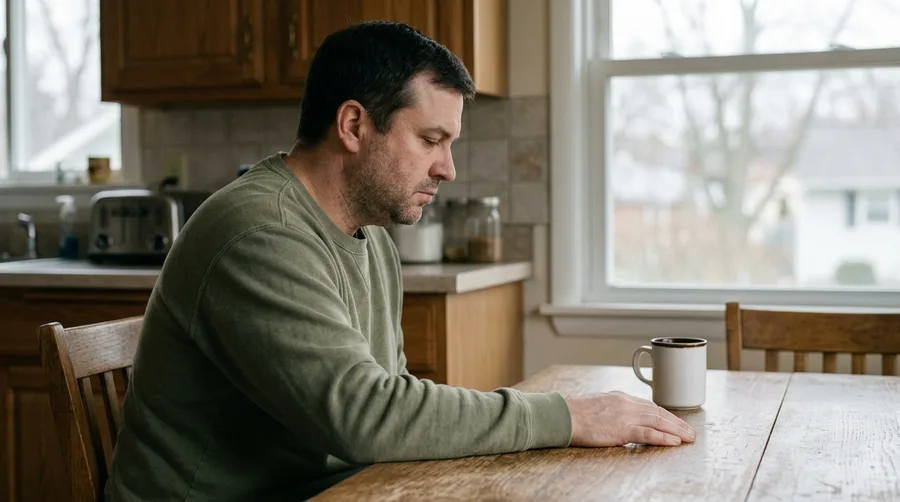
I spent years assuming a delayed response was a quiet form of punishment. When a man takes three hours to return a call, the brain naturally fills that empty room with hypothetical grievances.
The gap between your assumption and his reality is usually vast. You are tracking emotional tone, while he is simply stepping away from a screen to think through an answer without an audience.
Instead of sending a follow-up text asking what went wrong, let the silence sit. Give him the afternoon to clear his head, and expect a normal reply when he has the bandwidth.
Communication Approaches
- 🟢 Short text messages about specific topics — Allows a relaxed response on their own timeline.
- ⚠️ Checking in every single day — Creates a sense of obligation rather than genuine warmth.
- 🛑 Spontaneous phone calls with no agenda — Usually ignored or met with brief, hurried answers.
3. Cognitive Load of Multitasking

People often assume that ignoring a call is simply a rude brush-off when it is actually an involuntary retreat from sensory overload.
Modern communication demands constant context-switching between digital notifications, background noise, and direct speech without a pause.
For someone who prefers a slower, single-task lifestyle, a ringing phone shatters whatever quiet focus they had spent the morning building.
The phone stops being a tool for connection and turns into a demand for instant multi-channel attention that drains remaining cognitive reserves.
When a conversation arrives unannounced while processing three other domestic or mental inputs, the brain treats the ring as an interruption rather than an invitation.
Put the phone on silent and rely on asynchronous messaging so they can read and reply when their attention is fully free.
4. The Exception of Practical Assistance
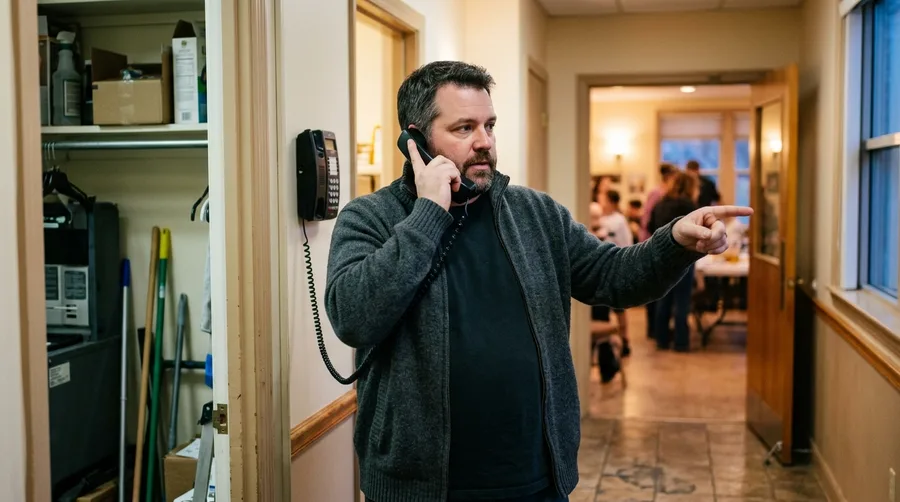
Three seconds is all it takes for the phone to ring before the receiver lifts with an immediate, steady hello.
That speed belongs entirely to logistics, where fixing a broken gate hinge or confirming a flight number requires zero emotional translation.
When the conversation has a clear job to do, the fatigue vanishes because the energy expenditure has an obvious, bounded endpoint.
Best Ways to Reach Out
5. The Weight of Unspoken Expectations

What does it feel like when every conversation carries an unstated demand for reassurance or emotional labor?
You sit in your armchair on a Tuesday afternoon, watching the screen light up with a name you care about.
Instead of feeling warmth, a heavy sense of obligation settles in because you know the call will demand more energy than you currently have.
Drop the expectation of a lengthy chat and let them know explicitly that no reply is required.
💡 PRO TIP
The Low-Pressure Text
Send a text ending with 'just thinking of you, no need to reply' to instantly remove the performance pressure from the interaction.
6. The Script for Rebuilding Contact

No pressure to chat today, just wanted to share a quick update about the garden.
Try saying something straightforward like this next time you reach out.
Let me know if you want to grab coffee next week, otherwise enjoy your afternoon.
Rebuilding Communication Flow
7. The Ten-Second Self-Test

The cost of missing the mark here is a widening distance that feels personal when it is actually just battery drain.
Ask yourself honestly whether your last three interactions were check-ins or demands for emotional labor.
If the answer points toward demands, the phone staying silent is a natural boundary rather than a personal rejection.
Adjust your approach so that reaching out feels like a gift rather than an assignment.
8. The Slow Drift of Daily Fatigue
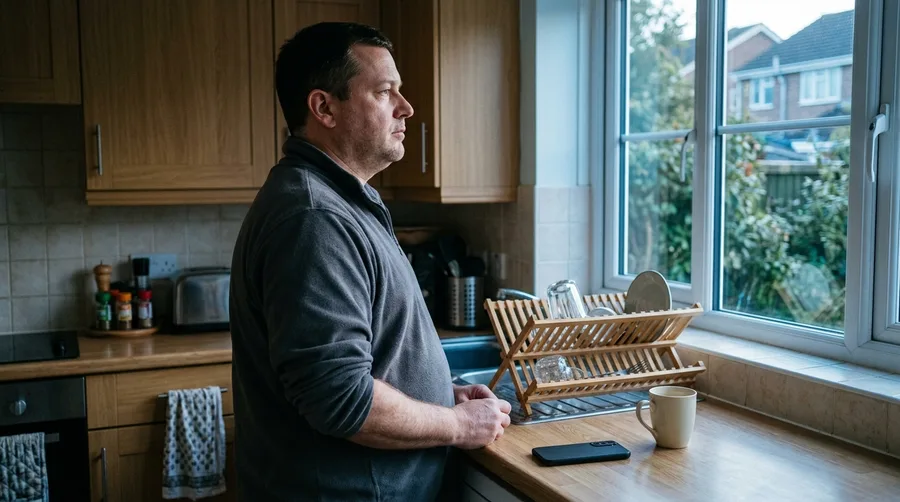
The kitchen counter holds the device face down while the afternoon light shifts across the laminate, and yet the hum of notifications keeps arriving like distant traffic you cannot shut out.
Chronic digital noise quietly buys a gradual retreat into privacy over months of constant connectivity, draining your remaining reserves until the mere sight of a lit screen feels like an unnecessary demand on your attention.
Every ringtone operates as a small withdrawal from a bank account of patience that is already running low from the ordinary friction of the day, leaving little left over for unexpected conversations.
Over time, the telephone turns from a convenient tool into an intruder in an otherwise peaceful home, shifting the baseline of your daily environment from quiet restoration to low-grade vigilance.
By the time you finally notice the pattern taking hold, the withdrawal is complete and the habit of ignoring the display has become firmly set as a silent self-defense mechanism.
The fix requires you to respect that hard-earned quiet by scaling back the volume of your check-ins, letting the device sit in another room for hours at a time without offering an apology or an explanation.
9. Flipping the Communication Frame

You are told that every missed text demands an immediate reply to keep the bond alive, but that rule treats conversation like an attendance sheet instead of an exchange. Stop viewing a dropped call or an unanswered ring as a broken connection that requires emergency repair work. When you treat a delayed response as a personal rejection, your next message carries an invisible ledger of grievances that makes picking up the phone feel like walking into a compliance hearing.
Switching the frame transforms the entire dynamic from an accusation into an open door. See that quiet stretch as a simple request for breathing room, the exact kind of mental pause you also take when the noise gets too loud. When you send a low-pressure note that says call me whenever Tuesday works, you remove the penalty for waiting and give the conversation back its room to breathe.
10. What the Research Shows About Social Energy

Why does a ringing phone suddenly feel like an impossible hurdle to clear?
Researchers who study social interaction find that conversational stamina drops steadily when people feel obligated to perform.
When a ringtone demands an immediate performance of cheerfulness or engagement, the natural instinct is to let it ring out.
When you understand this pattern, you can stop taking the silence personally and start responding with practical empathy instead of frustration.
Give them the space to exist without an audience.
11. The Quiet Power of Leaving Space

I used to think that keeping a conversation alive required constant momentum, as if every pause meant the connection was actively fading away.
When you view distance as a threat rather than a natural part of pacing, every gap in communication feels like an emergency that demands an immediate follow-up message.
Shifting that frame changes everything, because silence is not an absence of interest but the very room required for someone to decide they want to step back into your world on their own terms.
12. Why Constant Availability Is Overrated

You really should check your phone more often.
That sentence is usually delivered with a tone of mild grievance, as though missing a text by twenty minutes were a deliberate slight against someone's character. Modern life assumes that pocket computers tie every person to endless notifications, making instant accessibility the baseline standard for basic human consideration.
That continuous tether creates an invisible friction that slowly drains the energy right out of your interactions. Being unreachable used to be the default state of human existence for centuries, where silence simply meant someone was busy living their life instead of staring at a glowing screen waiting for a ping.
Returning to a slower rhythm of communication honors the need for quiet focus and significantly reduces tension on both ends of the line. Let go of the urge to reply within seconds, put the device down in another room for an afternoon, and watch how much smoother your relationships become when breathing room returns to the conversation.
13. Interpreting the Modern Silence

Three missed notifications sit on a brightly lit screen while an evening unfolds in absolute quiet.
You might think ignoring calls indicates a fading bond or a growing rift in the relationship, assuming that a delayed reply is a deliberate measure of emotional distance or fading affection.
In most cases, it simply means the phone has become an annoyance rather than a welcome voice, representing a small appliance that demands attention rather than a reliable bridge to someone you care about.
Recognize the distinction so you can adjust your habits accordingly by swapping the spontaneous voice call for a concise text that requires no immediate performance.
Try sending a brief message that shares a single observation without asking a question, letting the conversation breathe until a natural reply arrives on its own schedule.
14. The Quick Take on Boundaries

Filling every empty afternoon with an unscheduled phone call slowly trains people to expect your attention whenever a momentary lull hits them.
That casual habit turns meaningful conversations into routine background noise.
Stop calling simply because you have time to kill, and send a direct text instead only when you have something real to share.
That single adjustment transforms the dynamic completely.
Communication Preferences
What data reveals about modern contact habits
15. The Ultimate Test of Patience
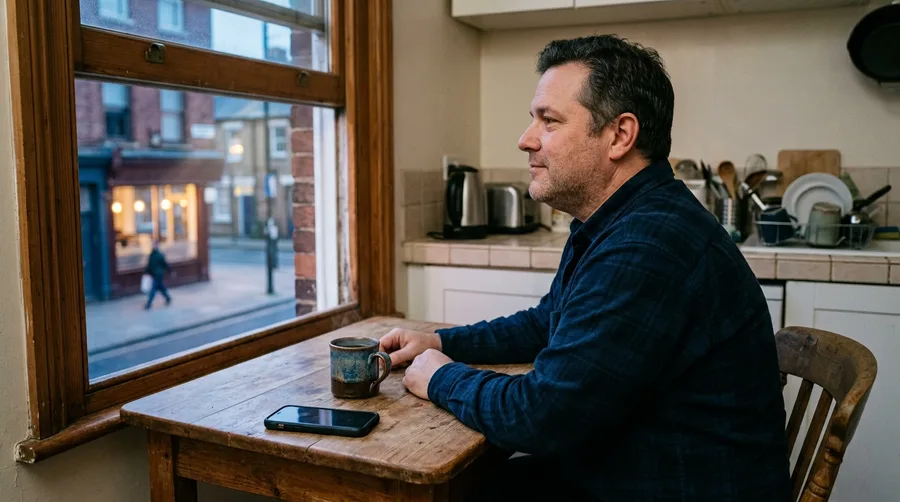
What happens when you finally stop taking the silence as a personal attack and start treating it as normal pacing?
You sit down with your coffee on a quiet morning, watching the phone stay dark on the table.
Instead of feeling anxious or rejected, a quiet sense of understanding takes over because you know they are simply enjoying their peace.
You send a short, warm text with zero expectation of a reply, knowing that connection does not always require a ringing phone.
That is where real respect begins.
Frequently Asked Questions
Why do older men suddenly stop answering phone calls?
It is usually about managing energy and avoiding unstructured small talk rather than personal anger. Constant phone interruptions can feel exhausting when someone values a quiet routine.
How can I reach out without annoying them?
Switch from spontaneous phone calls to short text messages. Mention a specific topic and explicitly state that no reply is necessary to remove performance pressure.
Should I take missed calls as a sign of resentment?
Almost never. Treat silence as processing time and a desire for peace rather than a deliberate effort to push you away.
What is the best way to rebuild communication?
Give them plenty of breathing room, schedule your check-ins in advance, and keep conversations short and focused on concrete topics.
Where This Actually Starts
Start by putting the phone down for twenty-four hours and switching your outreach to simple, low-pressure texts.
Notice how quickly the tension dissolves when you stop demanding an instant response.

Meet Edward Green, the founder of GolfingGoal and a seasoned expert in golf. With years of experience on the course and a passion for the sport, Edward has a wealth of knowledge to share. As our Lead Writer, he contributes articles, tutorials, and resources to help readers to improve their skills and reach their full potential on the golf course. Join Our Team!