

You finish making your point across the boardroom table, and instead of nodding, the other person just looks at you. Five seconds pass, then ten, and your internal alarm starts screaming to say something else.
That panic is what keeps people talking long past the point of persuasion, turning a sharp observation into a diluted apology.
This guide gives you the specific behavioral shifts needed to let silence do the heavy lifting without making you squirm.
Quick Tips Before You Start
Count to Three
Breathe slowly through your nose before answering any difficult question.
Soften Your Gaze
Keep your eyes steady on the other person without staring aggressively.
Drop Your Hands
Keep your palms flat on the surface to stop nervous fidgeting.
Stop Explaining
Deliver your primary sentence, then close your mouth entirely.
1. The Real Cost of Filling Every Gap

Let me know if that makes sense or if I should clarify anything else.
That sentence costs you your authority every single time you say it.
Over months of meetings and conversations, people learn that your initial statements are just drafts you expect them to edit. You buy temporary comfort in the room at the heavy expense of your long-term credibility and perceived certainty.
Stop offering the revision window before anyone has even asked a question. State the point clearly, close your mouth, and let the quiet finish the sentence for you.
At a Glance
2. What Behavioral Research Shows

Researchers who study conversational dynamics repeatedly observe that humans experience unprompted silence as a social vacuum that demands filling.
When you refuse to fill that vacuum, the other person's brain automatically assumes you are weighing their words with immense care.
This cognitive bias transforms ordinary pauses into tools of quiet gravity.
💡 PRO TIP
Letting the Silence Work
Count three slow seconds in your head before responding to any statement that challenges you.
3. Recognizing the Panic Moment

Ten seconds of dead air stretches endlessly across a quiet kitchen while the coffee brews after a direct question about who is handling the holiday travel plans.
You feel your heartbeat spike in your throat while your eyes dart toward the nearest exit as if physical escape were the only remedy for the sudden lack of noise.
Recognize that physical sensation as a false alarm before you ruin a perfectly good pause with nervous chatter.
The Impact of Measured Pauses
How deliberate silence shifts room dynamics
4. Testing Your Own Tolerance

Filling every empty pocket of air in a conversation drains your social leverage faster than almost anything else you can do in a room.
Are you capable of sitting through a ten-second silence without offering a nervous smile or a redundant explanation?
If your immediate instinct is to laugh or break the tension, you are handing your conversational leverage away for free because your discomfort signals that you cannot bear the weight of a pause.
Consider the Tuesday morning review meeting when the director asks who dropped the ball on the vendor contract and the entire room drops their gaze to their notebooks.
You feel the urge to jump in with a quick joke or a half-baked excuse about the email chain to soothe the collective anxiety hanging over the table.
True poise requires letting other people carry the weight of the awkwardness until they decide to break the ice themselves.
5. Exact Words to Use Instead

People tell you to be concise, but they rarely give you the script to survive the silence that follows. You do not need a paragraph of defensive footnotes when a simple deadline will do.
I can do that by Thursday. Then you stop talking completely and let the room absorb the period at the end of the sentence.
If they push back or ask for more details, give them one precise sentence and lock your mouth again until they fill the void themselves.
Key Terms Decoded
6. Misreading the Quiet Room

For years, I assumed a sudden drop in conversation meant I had said something wrong or exhausted the other person entirely.
You feel the weight of an unreturned pause and immediately assume it signals rejection, disapproval, or complete social failure. Every quiet second stretches out like a verdict.
In reality, the other person is usually just processing your input or trying to formulate their own counter-argument. Their silence is cognitive processing, not social punishment.
Treating a quiet room as an emergency forces you to rescue people from thoughts they need to think through. Instead of rushing in to fill the space, name the shift plainly or wait until they finish their thought on their own terms.
⚠️ COMMON MISTAKE
Over-Explaining Your Boundaries
Adding apologies after setting a clear boundary completely destroys its effect. State your limit once and let the silence sit.
7. Why Obvious Advice Backfires
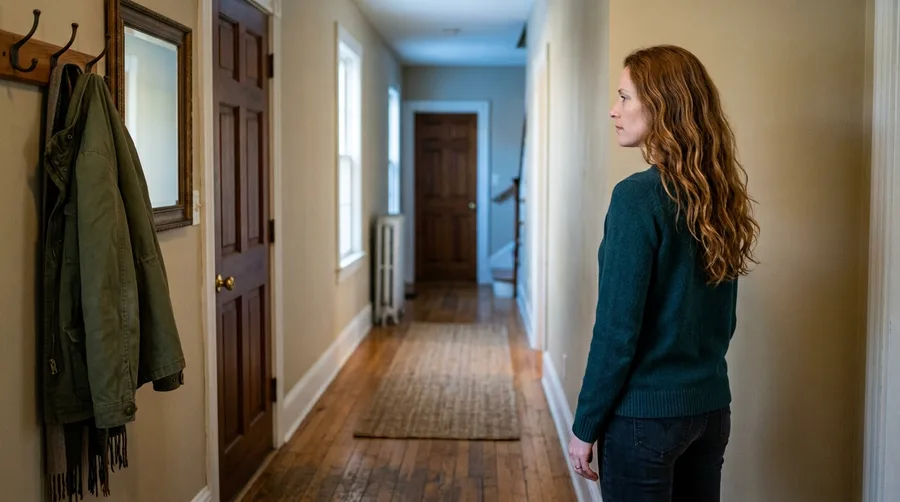
Why does pretending to be aloof always feel so exhausting when you try it in real life?
People tell you to be mysterious or aloof, which usually just comes across as stiff and performative.
Real power does not look like acting; it looks like comfort with the natural cadence of human speech.
Drop the theatrics and simply practice staying quiet when your mouth wants to chatter.
8. When Silence Is Completely Fine

You are sitting on the porch at dusk with two people you have known for a decade, and nobody has spoken a complete sentence in twenty minutes.
Not every quiet moment is a standoff or a social test requiring calculated intervention. When you share a comfortable evening with close friends, silence is simply ease rather than tension.
The distinction lies in the physical sensation behind the stillness. If your shoulders are dropped and your breathing remains slow, the room is quiet because safety needs no narration.
Learn to distinguish between social anxiety and genuine peace so you never weaponize quietness against the wrong people. When the air feels light rather than heavy, let the silence simply exist without trying to fix it.
9. The Quick Take on Quiet

I used to think that rushing to fill a lull in conversation showed engagement, but it actually just signals a desperate need for external approval.
Stop apologizing for taking time to think before you speak.
The fastest way to command a room is simply to let your final word actually be final.
Top Approaches to Poise
10. Reframing the Quiet Moment

Think of uncomfortably quiet rooms not as social failures, but as blank canvases where you hold the brush.
When everyone else is scrambling to fill the void, your restraint makes you the anchor of the interaction.
That shift in perspective changes how your nervous system reacts to stillness, turning panic into quiet confidence.
11. Misreading Power Dynamics

"If that is your final number, I need to check with my manager." You assume speaking instantly and matching their assertion word for word is how you hold your ground.
You think rushing in to defend your position signals strength and decisiveness to the room. People who train negotiators observe the exact opposite effect.
The person who fills the immediate quiet after an offer usually ends up negotiating against their own internal anxiety. They make concessions the other side had not even asked for yet.
Let the silence sit for five full seconds before you say a single word. Let their own offer hang in the air until they feel compelled to break it themselves.
12. Counterintuitive Conversational Rules

Conventional wisdom tells you that a smooth conversation means a successful one, urging you to jump in and patch every pause before it drags.
In reality, an uninterrupted flow often just masks shallow exchanges where neither person has to risk anything real.
Deliberately letting friction and quiet sit in the middle of a sentence changes the entire dynamic, making your actual points stick long after you leave the room.
13. What the Research Confirms

Three seconds is the precise threshold where a normal pause shifts from being a conversational breath into an intentional act of presence.
Researchers who study social perception keep finding the exact same baseline across different rooms and different cultures. Listeners consistently rate speakers who take those three seconds before replying as significantly more thoughtful and far more authoritative than those who answer instantly.
When you rush to fill the gap the moment someone stops talking, observers register a subtle lack of internal security.
You sit across the mahogany table in the conference room while the director asks why the latest launch slipped by four days. You feel the immediate physical urge to chatter away a frantic excuse about server loads and missing courier bags.
Taking three seconds to process signals that your time and thoughts carry genuine weight instead of acting as a reflexive defence mechanism.
The next time a pointed question lands in your lap, count silently to three while looking directly at the person before you utter a single syllable.
14. Reframing Your Daily Interactions

Why do you feel an immediate urge to narrate every pause during a normal Tuesday conversation?
Most people treat everyday exchanges like a performance where silence equals a failing grade, but researchers who study communication patterns find that turning off the commentary changes the entire dynamic.
Look at every standard interaction as an opportunity to practice stillness instead of filling the air with noise.
Notice how often you add unnecessary words just to soothe someone else's minor discomfort before they even realize they felt it.
Dropping that habit lets your true intent come through with absolute clarity while teaching others that quiet moments do not require an immediate rescue.
15. Knowing When to Speak Up

There are moments when holding back your voice stops being a useful pause and starts looking like a slow withdrawal from the room.
You find yourself sitting across from someone you care about while they share a difficult piece of news, and your deliberate quiet begins to feel less like a grounding anchor and more like an icy wall.
When people who study social dynamics look at long term relationships, they consistently find that warmth has to match restraint or the silence turns punitive.
The fix is simple: when you notice the quiet stretching past a comfortable rhythm, offer a soft affirmative nod or a direct question to let the other person know you are still right there with them.
Frequently Asked Questions
How long should I wait before speaking in a conversation?
Aim for a deliberate three-second pause after someone finishes talking. This simple delay stops knee-jerk reactions and lets you frame a much clearer response.
What if the silence becomes too uncomfortable for the other person?
Let them experience that discomfort. When you rush to fill the gap, you rob them of processing time and give up your own conversational authority.
Does this technique work in casual friendships?
It works best when applied selectively. Use it during negotiations or difficult discussions, but keep casual chats warm and flowing naturally.
How do I stop apologizing after stating a boundary?
Deliver your primary sentence cleanly, close your mouth, and mentally count to five. Resisting the urge to add footnotes takes practice, but it changes how your limits are respected.
Where This Actually Starts
Pick one single conversation tomorrow where you normally rush to fill the gap with nervous chatter.
Count to three, deliver your point plainly, and let the room stay quiet until they speak.

Meet Edward Green, the founder of GolfingGoal and a seasoned expert in golf. With years of experience on the course and a passion for the sport, Edward has a wealth of knowledge to share. As our Lead Writer, he contributes articles, tutorials, and resources to help readers to improve their skills and reach their full potential on the golf course. Join Our Team!