

Every time you offer a polite backstory to soften a boundary, you forfeit hours of your own mental peace.
Half a century of social training dictates that a refusal or a shift in habits only counts if it comes wrapped in a logical, airtight defense. But handing someone a reason just hands them a negotiation.
A flat, unadorned boundary protects the day. Defending your private choices is a relentless tax on your stamina that you can simply refuse to pay.
These are the ingrained apologies to drop today, letting silence do the heavy lifting while you keep your time for yourself.
Quick Tips Before You Start
Pause First
Let a question sit for three seconds before answering.
Drop the Apology
Stop saying sorry for having a basic preference.
Keep It Short
The longer your explanation, the weaker your boundary.
Time and Energy Defenses
The most immediate drain on your week comes from how you manage your calendar and social obligations. Protecting your time requires absolute clarity.
No one else will guard your schedule for you.
0. Declining Invitations Requires No Backstory or Alibi

"I would love to come, but I have a terrible migraine and family visiting." The common instinct is to soften a rejection with a polite excuse, but offering a reason is a trap.
Fabricating a scheduling conflict comes from a fear of disappointing people, but tracking those stories drains psychological energy. It also hands the requester a problem to solve. They will simply offer an alternative date, leaving you caught by your own alibi when all you wanted was quiet time.
Personal rest requires no external defense. A firm, unapologetic decline like, "Thank you for thinking of me, but I will not be able to make it," leaves absolutely no room for negotiation.
0. Choosing Solitude Isn't a Phase or a Cry for Help

The cost of treating constant social availability as the absolute baseline for a healthy life is that stepping away suddenly looks like a crisis. Reclaiming your calendar from unwanted obligations naturally extends to reclaiming the right to spend days entirely by yourself, without having to prove you are doing exceptionally well.
A heavily scheduled weekend is widely celebrated as undeniable proof of a thriving social life. Conversely, choosing an empty house and a locked door immediately triggers outside assumptions of deep loneliness or mild depression.
Well-meaning extroverted friends often treat your absence as a symptom that must be cured. They send worried messages or propose impromptu coffee dates, convinced that intentional isolation is a warning sign rather than a psychological necessity. This dynamic forces you to spend your own recovery time managing their uninvited anxiety.
Shutting the world out provides the profound benefit of decompressing without having to mirror or soothe another person's changing moods. It firmly stops the exhausting, invisible requirement to be constantly engaging and pleasant company.
When their unwarranted concern inevitably arrives, it requires no lengthy reassurances or long text messages defending your resting habits. You can step completely out of the negotiation with a firm shut-down: "I am enjoying some quiet time at home right now, and I will reach out when I am ready."
Opting to stay completely home is a preference for absolute peace.
💡 Tip: Silence your group chats on Friday evening to stop the preemptive check-ins.
💡 PRO TIP
The Do-Not-Disturb Rule
Turn off read receipts on your messages. You owe no one real-time proof that you saw their text while you are resting.
Body and Autonomy
The pressure to explain your physical choices does not vanish automatically.
Reclaiming your bodily autonomy means stripping away the justifications you offer to acquaintances and friends.
0. How You Manage Your Aging Process Is Nobody's Business

Just as your weekend time becomes a fiercely private matter, your physical appearance must also exit the public forum. Society offers a rigged game where aging naturally means you stopped caring, while seeking cosmetic help means you are desperate.
Dyeing your roots every month, deciding to go entirely gray, or booking a cosmetic procedure remains a purely personal aesthetic choice. Unapologetic bodily autonomy always wins out against unsolicited social commentary and peer pressure.
When acquaintances ask why you stopped coloring your hair or where you got your skin done, you owe them no philosophical defense. You can just say, "I felt like making a change," or simply, "Because I like how it looks." Offering these flat lines ends the inquiry and halts the negotiation.
The only relevant opinion lives completely in your own mirror.
0. Opting Out of Alcohol Stays Unexplained

Asserting authority over the physical self extends from the mirror straight to the dinner table. Social gatherings routinely run on a heavy undercurrent of shared drinking, treating a glass of wine as the universal signal for being relaxed and fun. Choosing sparkling water instead is frequently misread as a quiet judgment on everyone else's habits or a sudden medical crisis.
It is usually neither. The pervasive expectation that passing on a cocktail requires a doctor's note or a moral defense turns a basic personal preference into a group negotiation.
Offering a detailed reason only invites persuasion.
When you explain your diet, a host will inevitably insist that a single drink will not derail your week. Delivering a flat, unadorned 'I am not drinking tonight' closes that door entirely, leaving the requester nowhere to go.
Keeping the choice unexplained preserves your peace. Reclaiming that social autonomy means recognizing that a quiet preference for a clear head requires zero public defense.
Debating the Boundary
- Citing a recent doctor visit
- Explaining your new diet plan
- Promising you will drink next time
- Holding a prop drink you hate
Owning the Boundary
- Asking for sparkling water directly
- Changing the subject immediately
- Offering a polite but firm 'No thanks'
- Letting their awkwardness sit
Life Trajectory
Stepping off the expected path requires a steady nerve.
Your timeline and your resources belong entirely to you, not to the expectations of former peers or family members.
0. Downshifting Ambition Isn't the Same as Giving Up

The standard advice dictates that scaling back your career demands a strategic narrative to protect your professional reputation. That assumes stepping off the corporate ladder is a defeat that needs spinning, rather than a deliberate pivot. Defending a daily habit is one thing, but reclaiming your overall trajectory draws even more scrutiny.
You sit across from a former colleague over coffee, listening to them ask what went wrong to make you take a simpler role.
The instinct is to justify the lost salary to prove you did not fail. Instead, accepting the drop in prestige without apology shifts the focus to a sustainable daily reality. Choosing a quiet life over public status is a victory, not a surrender.
Valid Reasons to Downshift
0. Money Is Spent on Joy, Not Just Legacy

Forty years of recalibrating professional ambition eventually forces a much-needed reckoning with exactly how the resulting financial reserves should be utilized in daily life.
The cultural script of the self-erasing mother demands that every surplus dollar either solves a practical family emergency or sits untouched as a future inheritance. Living strictly by that rule silently costs you years of potential experiences, draining the present to secure a legacy for fully capable adult children.
Explaining why you are funding a solo trip or a significant personal indulgence instead of adding to a trust fund only invites relatives to quietly weigh your fulfillment against their future convenience.
The earner holds the sole right to enjoy the asset.
Purchasing a luxury item requires zero justification when present-day joy becomes the primary metric. Rejecting the heavy guilt of legacy expectations finally allows you to recognize that your resources exist to serve your life right now.
Social and Relationship Dynamics
The hardest justifications to drop are the ones we owe to the people closest to us.
Your relationships are destinations, not ongoing negotiations.
0. Cutting Ties With Draining Family Members Is Final

You are at a holiday dinner when a well-meaning cousin corners you by the coats, asking if it is finally time to call your sister. Owning your resources eventually forces a hard look at who deserves your loyalty.
Silence is the only defense.
Outsiders who missed the history will always insist that shared DNA dictates forgiveness. Defending the estrangement only supplies them with material to minimize the past. The exception is a mutual friend asking once out of genuine ignorance, who receives a polite refusal. Anyone who keeps pushing meets a flat boundary, because walking away is survival, not a negotiation.
⚠️ COMMON MISTAKE
The Defense Trap
Listing exactly what a relative did to you gives the listener something to debate. You cannot convince a committed peacekeeper that your boundary is necessary.
0. Being Unpartnered Is a Destination, Not a Waiting Room
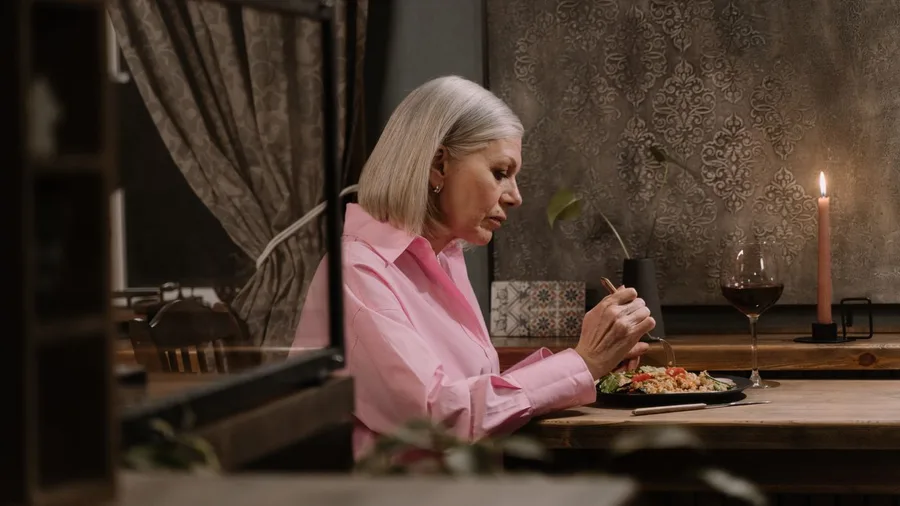
I used to quietly assume that any woman arriving at a weekend dinner party alone was secretly hoping to meet someone by the end of the night. The absolute finality of walking away from difficult family dynamics perfectly mirrors the choice to find completeness entirely outside of societal relationship expectations.
A pervasive social myth treats a lack of romantic pursuit as a tragedy. When well-meaning friends constantly offer to fix you up, they are projecting their own deep discomfort onto your independence.
The self-test takes ten seconds: when you map out a completely free weekend, are you leaving gaps open for a potential date, or are you actively guarding that time for your own interests? Answering the latter means you are occupying a valid destination, rather than sitting in a waiting room.
Matchmaking attempts are calmly deflected with a polite assurance that you are very happy with your life exactly as it is. Internal authority lets you skip the exhausting list of reasons entirely.
Frequently Asked Questions
What do I say when people keep pushing for a reason?
Repeat your original answer exactly as you said it the first time. The repetition highlights their rudeness in asking twice.
Won't people think I am just being rude?
Setting a boundary without an apology feels rude to people who are used to walking over it. Let them feel uncomfortable with your directness.
How do I stop feeling guilty for saying no?
Guilt is a habit, not a moral failing. Expect the guilt to arise initially, acknowledge it, and maintain your boundary anyway.
Do I owe my close friends an explanation?
Close friends who respect you will accept a short answer. If they demand a defense of your choices, they are testing your boundary, not supporting you.
The Authority You Finally Earned
When facing an invasive question, 'No' and 'Because I want to' remain complete sentences. The cleanest pivot is to acknowledge the inquiry, state the boundary, and immediately change the subject: 'I am taking a different approach now, but how is your renovation going?'
The days of exchanging mental energy for polite compliance are over. True emotional strength at fifty means living for personal peace rather than public approval.
Stop forfeiting those hours of mental peace. Say the boundary, close your mouth, and let the awkwardness of a sudden quiet belong entirely to them.
Reclaim Your Tuesday Evenings
Review the 'Valid Reasons to Downshift' list above and find one obligation you can drop this week.

Meet Edward Green, the founder of GolfingGoal and a seasoned expert in golf. With years of experience on the course and a passion for the sport, Edward has a wealth of knowledge to share. As our Lead Writer, he contributes articles, tutorials, and resources to help readers to improve their skills and reach their full potential on the golf course. Join Our Team!