
You still apologize at sixty because saying sorry was the earliest, most reliable shield you had to disarm unpredictable adults. Decades of adulthood were supposed to bring unshakable self-assurance, smoothing away submissive social reflexes. Yet when a stranger bumps directly into you in a supermarket aisle, a quiet "I'm sorry" still leaves your mouth before you can stop it.
That reflex is an adaptive childhood defense that easily outlasts career milestones, parenthood, and age.
Recognizing how this protective gear was built gives you a clear method to separate authentic remorse from appeasement noise, replacing defensive speech with the steady authority of someone who no longer needs permission to exist.
Early Apologizing Served as an Emotional Shield

You learned to apologize early because speaking first was the only reliable way to disarm an unpredictable adult in the room.
Growing up around quick tempers or fragile moods turns a child into a keen reader of slamming cabinet doors, stiff postures, and clipped replies. Offering an immediate phrase absorbed the tension before an adult could cross the line into shouting or cold withdrawal.
A dropped spoon became an emergency.
An eight-year-old learns to say 'I'm sorry' before the metal even finishes clattering on the floor, cutting off the sharp reprimand waiting on the other side of the noise.
That reflex was never about owning a moral failing. It was pure tactical de-escalation, embedding an unwritten rule that accepting blame for things you did not break was the safest way to keep the peace and stay protected from sudden emotional fallout.
🌱 GROWING TIP
Recognizing the De-escalation Reflex
When you catch yourself apologizing for an accident, notice your physical state. Tight shoulders and held breath mean your nervous system is reacting to a phantom threat from decades ago.
Conditional Approval Taught You That Needs Burden Others

When explosive anger was not the threat, quiet resentment taught you that having basic physical and emotional requirements was an exhausting tax on your parents.
In healthy homes, feeding, clothing, and listening to a child are ordinary parts of daily life. In conditional environments, every request for lunch money, a ride, or help with fractions arrived with heavy sighing, sharp eye rolls, and spoken reminders of personal sacrifice.
You quickly learned to shrink your appetite.
By ten years old, needing a heavier winter coat or twenty minutes of math guidance felt like an intolerable imposition. You started prefacing every sentence with apologies, hoping to cushion the blow and prove you were actively trying not to be a nuisance to the people caring for you.
That habit cemented a quiet conviction that consuming household resources or taking up air required constant, preemptive atonement before anyone would agree to help you.
The Root Anatomy of Reflexive Apologies
🛡️ Original Purpose
Physical & Emotional Safety
⚡ Childhood Trigger
Parental Volatility / Sighs
🧠 Subconscious Belief
My Needs Inconvenience Others
⏳ Duration
60+ Years of Repetition
Core Insight
The apology is an outdated defensive posture, not a genuine reflection of wrongdoing.
Being the Household Peacekeeper Created a Default Setting

Believing your own existence was a burden made it natural to assume full responsibility for stabilizing the emotional temperature of the entire house.
Children in chaotic homes often step into the role of unpaid shock absorbers, placing themselves directly between warring adults or comforting younger siblings when things break down. Stepping forward with an immediate apology offered a fast, reliable target to absorb the family friction.
You threw yourself on every grenade.
A twelve-year-old will claim they left the kitchen counters sticky or take the fall for a brother's unfinished chores just to halt a rising shouting match. Diverting parental fury onto yourself felt like a small price to pay to keep the living room from tearing apart.
What began as a desperate childhood method for keeping a roof over your head eventually hardened into a lifelong belief that any tension in any room is your job to fix.
Childhood Adaptation vs. Present Adult Reality
Early Childhood Survival (Then)
- Apologizing appeased unpredictable, volatile adults
- Taking blame prevented immediate family conflict
- Minimizing needs protected you from rejection
- Saying sorry established temporary domestic safety
Present Adult Reality (Now)
- You are an independent adult with equal standing
- Other people are responsible for their own emotions
- Having basic needs is natural and requires no atonement
- Unnecessary apologies surrender your authority unnecessarily
Workplace and Social Politeness Rewarded the Habit

Professional environments actively rewarded your childhood peacemaking reflex by mistaking reflexive submissiveness for emotional maturity, humility, and easy collaboration.
In meetings, softening an assertion with a small apology helped avoid office tension. Women and conflict-averse staff in particular earned positive performance evaluations, promotions, and peer approval for smoothing over awkward moments. Cushioning a direct point made everyone else feel comfortable, which leadership consistently celebrated as team-first diplomacy.
External approval disguised the old defense mechanism.
Decades of professional reinforcement transformed an internal anxiety response into a prized reputation for good manners. Because the behavior produced tangible social rewards, there was never an urgent incentive to examine the fear behind it. The workplace did not challenge your childhood habit; it gave you forty years of reasons to keep using it.
You entered your sixties believing the habit was merely polite character, rather than an old shield that had been validated by decades of office politics.
Evaluating When an Apology Fits
- Real Harm or Broken Commitments — You were late, broke an agreement, or caused physical/emotional injury.
- Minor Accidental Inconvenience — Accidental brush of shoulders or brief delay. A polite 'Pardon me' or 'Excuse me' is plenty.
- Existing, Asking, or Taking Up Space — Asking a question, requesting assistance, or sharing an opinion. Zero apology required.
Save apologies for real transgressions so your words carry genuine weight.
Neural Pathways Solidified Over Sixty Years of Repetition
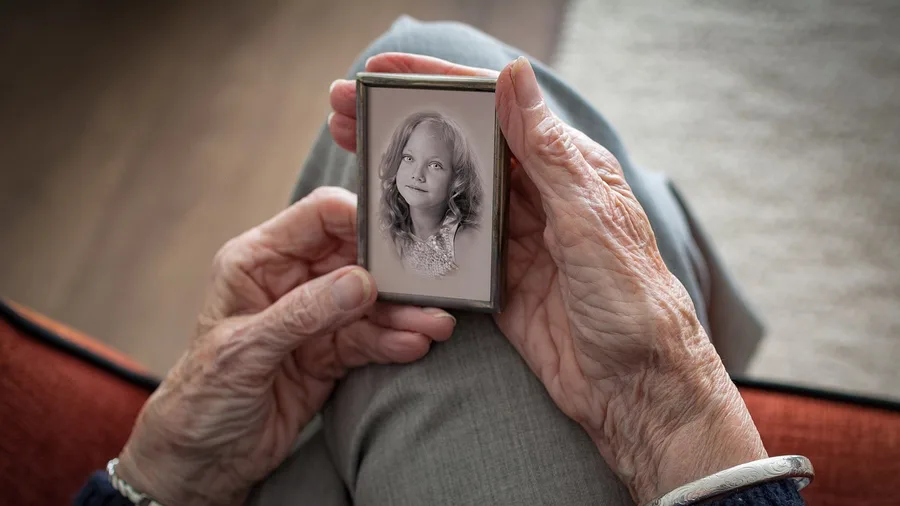
The word leaves your mouth before conscious thought because sixty years of repetition turned a protective phrase into an instantaneous physical reflex.
When you utter a phrase thousands of times in response to mild social friction, the nervous system builds an exceptionally fast response track. Your brain identifies unexpected social tension and fires an immediate verbal countermeasure to lower the perceived temperature, acting well before your conscious reasoning can evaluate what actually happened.
The vocal cord response beats the analytical brain every time.
By the time you realize someone stepped on your foot or reached for the same grocery carton, the apology has already landed in the air. The autonomic circuit treats potential friction as an urgent social threat requiring immediate defusal, deploying the phrase as an automatic pressure release rather than a considered moral judgment.
Blurring this distinction leads to self-blame. Blurting out an apology before taking a breath is the mechanical consequence of decades of physical habit, not evidence of weak self-respect.
⚠️ COMMON MISTAKE
The Trap of Self-Criticism
Do not scold yourself when an unnecessary apology slips out. Getting angry at the reflex only adds another layer of anxiety to an old nervous system habit.
Aging Reactivates Latent Fears of Being an Inconvenience
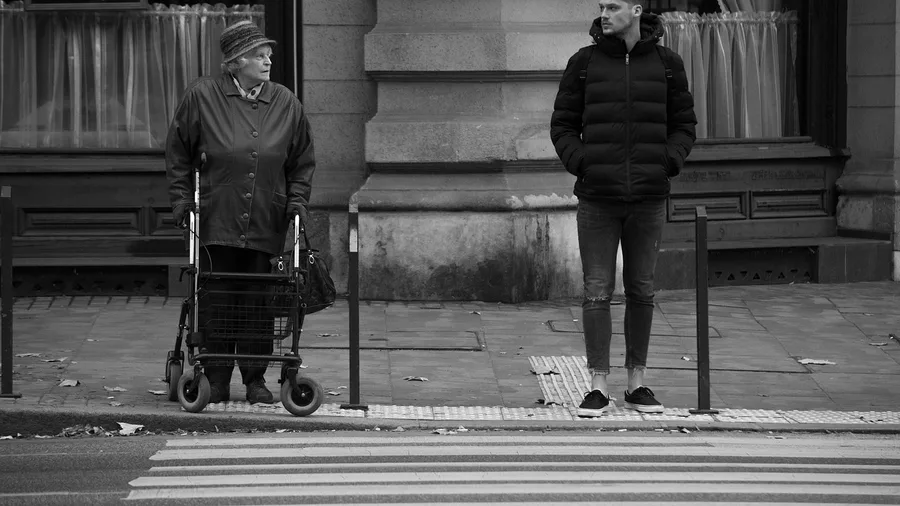
The habit feels sharper in your sixties because normal life transitions reawaken the childhood fear of being an unwanted burden to the people around you.
Retirement, minor physical slowdowns, and shifting domestic roles inevitably challenge decades of self-reliance. Taking longer to cross a street, asking an adult child to troubleshoot a password, or requesting a specific seating arrangement at a restaurant can trigger an immediate internal spike of guilt, framing normal adult needs as exhausting impositions.
A sixty-four-year-old offers three apologies before asking for a ride to the clinic.
The request itself is reasonable, but the emotional cost feels immense. The vulnerability of ordinary aging hooks straight into the early conditioning that taught you existing required continuous apology. You mistake standard family interdependence for an unfair tax on other people, firing off preemptive pardons to protect yourself from the imagined resentment of those you love.
What feels like sudden late-life insecurity is simply an old survival tactic finding fresh oxygen in the routine vulnerabilities of getting older.
⏳ How the Apology Pattern Evolves Across Six Decades
Ages 5 to 12: The Origin
Apologies are adopted as emergency shields to defuse volatile domestic friction.
Ages 20 to 45: Social Reinforcement
Offices and relationships reward deferential politeness as cooperative teamwork.
Ages 45 to 59: Hardwired Automatism
The phrase becomes an instantaneous motor reflex that triggers before conscious thought.
Age 60 and Beyond: The Reactivation
Natural shifts in independence awaken early fears of being an inconvenience to others.
Differentiating Genuine Remorse From Submissive Social Filler

A legitimate apology belongs exclusively to moments where you broke a clear agreement, crossed an established boundary, or caused tangible damage that requires an active repair.
Defensive filler arrives without any injury taking place. You reach for it when asking a store clerk where to find coffee, stepping into a crowded elevator, or voicing a differing perspective at dinner. In those ordinary interactions, offering an apology signals to the room that your physical presence is an error requiring pardoning.
Habitual appeasement steadily hollows out your real apologies.
When you treat taking up space as an offense, authentic accountability loses its weight with the people around you. Breaking the habit requires a single evaluative filter right before the reflex takes over: 'Did I cause actual harm here?' If no damage occurred, you owe no one an admission of guilt.
Holding that two-second pause separates childhood survival instincts from the reality of standing in the room as an equal adult.
Swapping Apologies for Gratitude Resets the Power Balance

Turning a reflex apology into a statement of gratitude reframes the entire interaction from personal inadequacy to mutual respect.
When asking for help, dropping the automatic 'Sorry to bother you' in favor of 'Thank you for your time and assistance' changes the tone immediately. The old phrasing paints your basic request as an imposition, whereas appreciation honors the other person's effort without reducing you to an inconvenience.
The same adjustment works when a task takes time.
Rather than mumbling 'Sorry I am taking so long' at the pharmacy counter or checkout register, offer 'Thank you for your patience while I finish this.' During conversations, trading 'Sorry to interrupt' for 'Thank you for letting me add a thought here' secures your contribution without shrinking your voice.
Gratitude credits the listener with generosity while keeping both parties on equal footing. It lets you lay down the appeasing habits formed decades ago, claiming the steady conversational authority that comes with being an adult.
Practical Conversational Upgrades
Frequently Asked Questions
Why do I apologize even when someone else bumps into me?
This is a classic appeasement reflex. Your threat-detection system registers unexpected physical contact as potential social friction and deploys 'sorry' instantly to neutralize any possible confrontation before your conscious brain can determine who was at fault.
Will stopping my apologies make me sound rude or aggressive?
No. Replacing unearned apologies with neutral courtesy or warm gratitude actually makes you sound more grounded, respectful, and confident. Politeness comes from consideration and warmth, not from self-diminishment.
How can I catch myself before the word leaves my mouth?
Focus on taking one full breath before responding in moments of minor friction. That single second of delay gives your prefrontal cortex enough time to override the automatic motor script and choose an intentional phrase.
Can a habit that started fifty years ago really be changed at sixty?
Yes. Neural pathways adapt at any age when given consistent repetition. By practicing simple swaps like saying 'thank you' instead of 'sorry,' you gradually build a new conversational default.
Retiring the Old Shield to Stand at Full Height
Adopt one concrete conversational swap today: the next time "Sorry to be a pain" rises in your throat, replace it with "Thank you for helping with this."
Reclaiming your conversational footprint honors decades of earned maturity, finally releasing the small child who had to stay invisible to stay safe. When someone brushes past you in the aisle tomorrow, stand at full height, hold the quiet, and recognize that occupying space requires no defensive pardon.
Audit Your Conversations Today
Review the Practical Conversational Upgrades section above and pick one gratitude swap to practice during your next phone call or outing.

Meet Edward Green, the founder of GolfingGoal and a seasoned expert in golf. With years of experience on the course and a passion for the sport, Edward has a wealth of knowledge to share. As our Lead Writer, he contributes articles, tutorials, and resources to help readers to improve their skills and reach their full potential on the golf course. Join Our Team!