Why does throwing away a tiny portion of leftover food provoke such fierce distress in an aging parent? This breakdown settles what is actually happening beneath that reaction and explains the early reflex driving it.
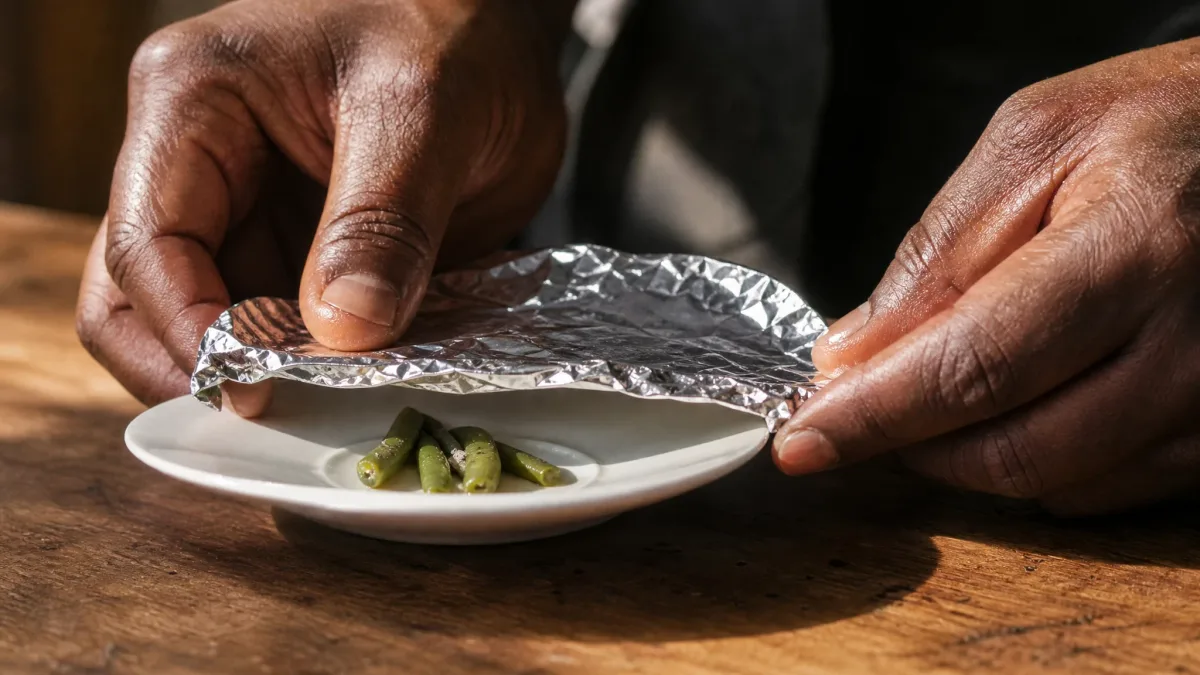
Scraping three cold green beans into the kitchen trash can prompt an immediate, sharp reprimand. That reaction is not stubbornness or eccentricity, but an involuntary threat response forged during childhood scarcity and wartime rationing, where lost calories felt like real peril.
Attempting to reason with stamped expiration dates or pennies worth of groceries consistently fails. Eliminating mealtime friction requires changing how you plate food and manage the kitchen quietly, protecting household health without ever disputing their dignity.
Early Scarcity Rewires the Brain's Threat Detection
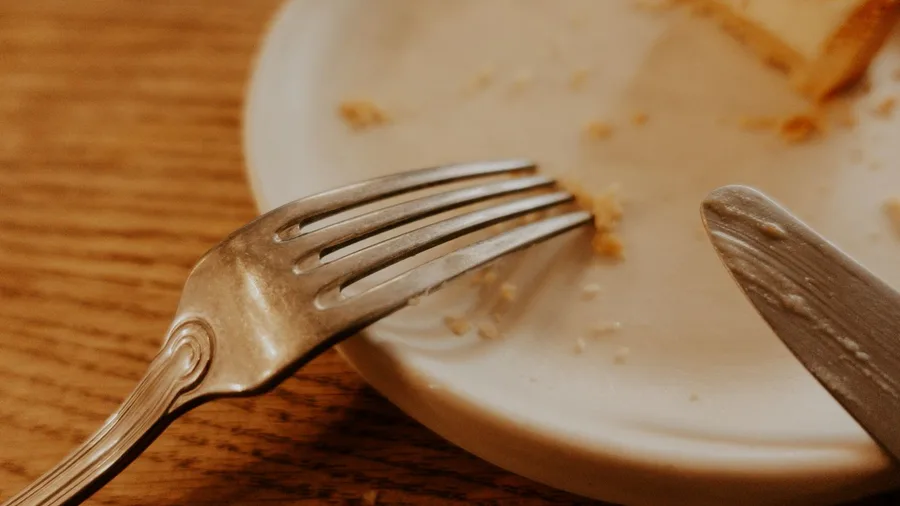
A sharp reaction to discarded food occurs because experiencing childhood hunger conditions the human threat-detection system to treat any lost calorie as an immediate crisis of physical survival.
Modern grocery stores present inventory as an endless, replaceable stream available at any hour. For someone raised during severe shortage, food was strictly finite and tomorrow's supply was never guaranteed. Scrapping leftovers clashes violently with that foundation, triggering somatic alarm bells before the conscious mind can register the setting has changed.
Mathematical logic cannot override an ingrained threat reflex.
Reminding an aging parent that three leftover bites cost less than a dollar fails because the argument addresses the wrong system. The emotional trigger fires automatically. Tossing edible food in front of them produces a bodily distress response nearly identical to facing an active threat in their own home.
The resulting anger or distress is not a deliberate choice to be difficult. It is the lingering echo of an era when wasted calories meant real peril.
⚠️ COMMON MISTAKE
Debating Dollar Value Backfires
Explaining that leftover food costs pennies treats an emotional alarm as an accounting error. The distress is about survival conditioning, not your household budget.
Depression-Era and Wartime Messaging Equated Conservation with Morality
The belief that wasting food reveals a character flaw comes directly from mid-century civic campaigns and household rules that framed total plate-clearing as an absolute moral and patriotic duty.
During national depressions and wartime rationing, public messaging relentlessly linked food conservation to civic decency and family survival. Children were scolded with vivid reminders of starving populations across the globe, cementing the idea that leaving food uneaten was an act of selfish decadence. That moral framing outlasted the historical shortages that created it.
An uncleaned plate became a direct ethical failure.
Scraping a ladle of cold beef stew into the trash bin is not viewed as ordinary kitchen cleanup. It feels like an insult to the physical labor of the farmer, the money spent by the earner, and the domestic effort of the cook. Every abandoned scrap carries the weight of disrespect.
What looks to younger generations like a neutral preference for stopping when full feels, to the person raised under that messaging, like a quiet betrayal of fundamental decency.
Historical Scarcity Conditioning
Food Insecurity in Youth Creates a Lifetime Hoarding Reflex

Saving small food scraps and piles of restaurant condiment packets is a protective habit developed to shield against the deep anxiety of an empty kitchen.
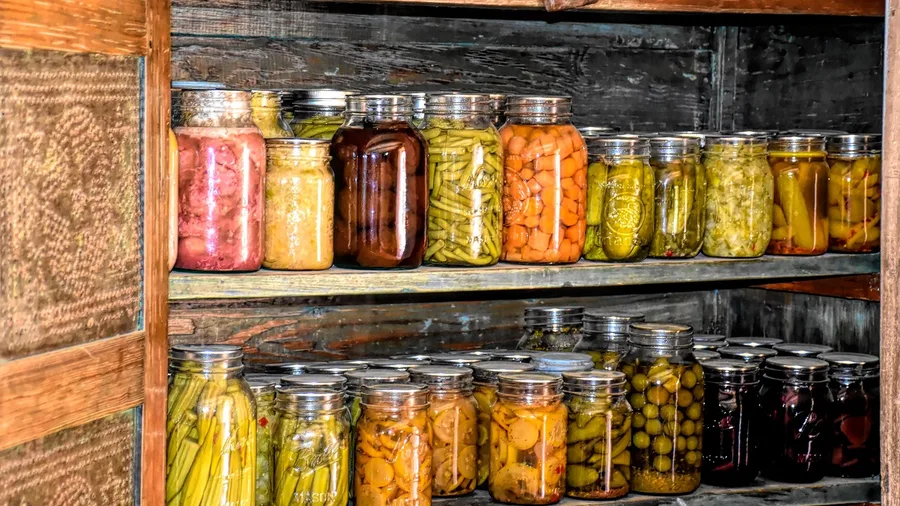
For someone who grew up around bare cupboards, a packed refrigerator and jam-packed pantry shelves act as physical stabilizers against vulnerability. Saving two bites of roasted pork, chicken bones for future broth, or leftover sauce cups was once essential thrift. Those preservation habits provided tangible security when household resources were dangerously thin.
A crowded shelf keeps panic at bay.
Tossing out a nearly empty mayonnaise jar, a stale bread heel, or three wrapped pats of butter does not feel like tidying up. It actively removes the physical insulation that keeps old fears of scarcity quiet. The hoarded food remnants serve as a visible promise that scarcity will never catch them unprepared again.
That stockpiling behavior endures long after bank accounts are comfortable and grocery access is guaranteed. The habit remains because the emotional need for security never fully disappears.
A crowded pantry is not stubbornness. It is an emotional insurance policy written during childhood hunger.
— What gerontological psychologists observe in late-life habits
Loss of Agency in Aging Amplifies the Need for Control

An older parent becomes noticeably more protective of saved food because every surrendered slice of daily independence shrinks their world down to what remains inside the kitchen.
When driving privileges end, long-held professional identities fade, and joint pain limits mobility, the refrigerator becomes one of the few spaces where a person still holds total authority. Deciding whether to keep three spoonfuls of corn or save a stale roll is an exercise in direct, unmanaged control.
Stepping in feels like an eviction.
Reaching past someone to throw out an expired carton or purge their crisper drawer registers as an invasive takeover. It signals that even their private domestic choices are no longer under their command.
Clinging to leftover containers and policing the pantry becomes a proxy battle for self-determination. The dispute on the surface is about twenty cents worth of rice, but the underlying fight is over who still gets to make decisions in their own home.
Loss of Control vs Food Defense
🚗 Lost Freedom
No driving
💼 Lost Identity
Retirement
🥗 Held Territory
Kitchen pantry
🛡️ Psychological Goal
Preserving dignity
Core Insight
Food stewardship becomes an active defense of personal autonomy when other freedoms decline.
Expiration Dates Trigger Disbelief Rather Than Caution
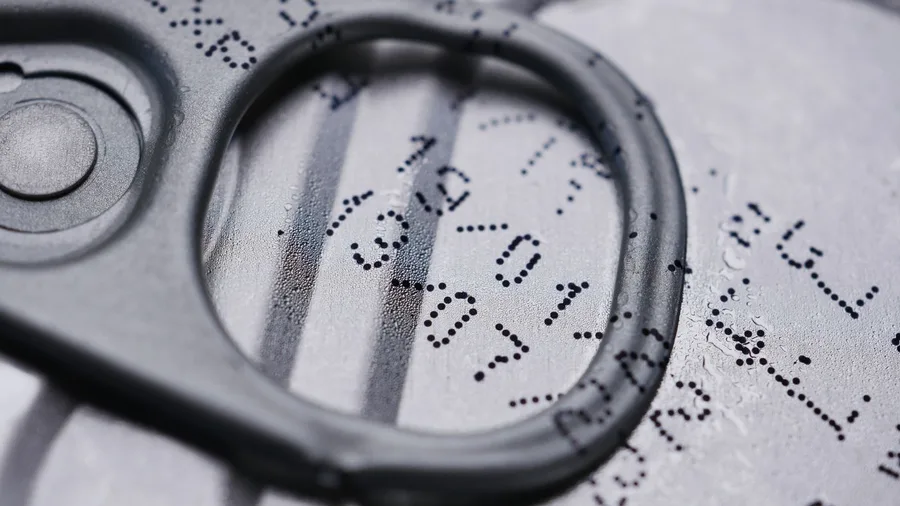
Stamped expiration dates trigger deep skepticism because older generations learned to assess spoilage with their own senses long before food manufacturers printed calendar warnings on packaging.
For decades, determining whether milk or cold cuts were safe meant holding the item up to the light, smelling it, or checking the texture. Stamped dates on lids are widely dismissed as commercial gimmicks designed by food corporations to rush shoppers into throwing out good food and buying replacements.
The physical senses change with time.
Natural declines in smell and taste mean sour notes, off-flavors, and early mold often slip past an older person's inspection entirely unnoticed. Yet brandishing an expired stamp in their face still fails, because they trust six decades of lived habit over a date code they consider arbitrary corporate nonsense.
Insisting on the printed date turns a basic refrigerator check into a confrontational debate about their competence, leaving them determined to prove the food is fine by eating it anyway.
Sensory Habit vs Commercial Dates
The Senior's Perspective
- Smell and sight have worked for decades
- Stamped dates are corporate waste incentives
- Slight sourness can be cooked into baked goods
- Throwing out sealed food feels reckless
The Caregiver's Reality
- Olfactory sharpness declines with age
- Bacterial pathogens rarely produce obvious smells
- Immune systems handle foodborne illness poorly
- Quiet substitution prevents health risks
Clearing Plates Was Taught as an Absolute Duty
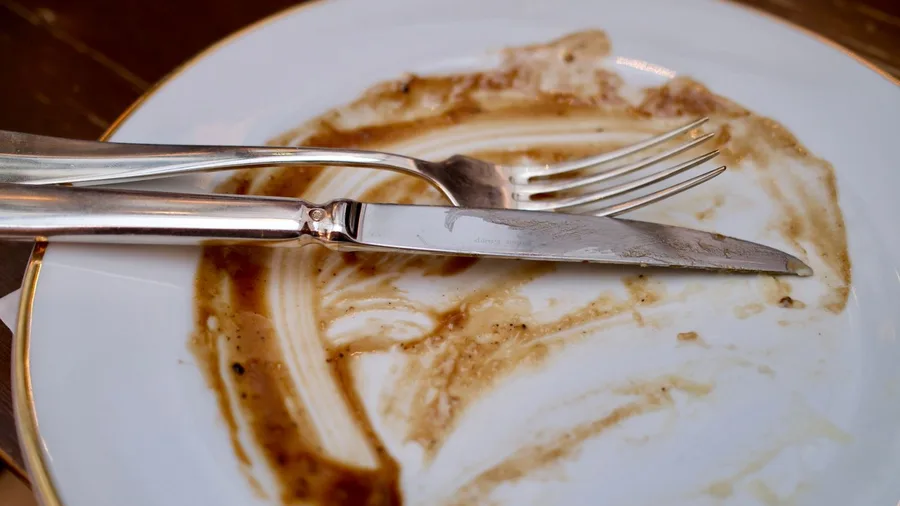
Eating past the point of fullness happens because finishing every bite was drilled into earlier generations as the ultimate moral test of gratitude and respect.
Children raised in modest or recovering households learned that leaving food on a plate was an insult to the family's labor and financial sacrifice. Swallowing cold bites long after hunger disappeared was framed as basic decency, creating an automatic reflex that overrules physical fullness and leads directly to uncomfortable overeating.
Uneaten food looks like pure ingratitude.
Watching a grandchild push away a half-eaten sandwich or leave chicken on a bone provokes immediate, sharp irritation. The sight of abandoned food on a tabletop acts as an intense visual cue for unearned waste, triggering uncomfortable memories of households where every single calorie had to be earned.
The discomfort they feel is not simple irritation over table manners. It is an internalized guilt that makes walking away from an unfinished plate feel like a genuine ethical failure.
💡 PRO TIP
Buffet-Style Serving Prevents Pressure
Allowing everyone at the table to dish their own food removes the social pressure of an assigned portion size.
Serving Smaller Base Portions Prevents Plate-Clearing Anxiety

Plating modest initial portions stops mealtime anxiety before anyone lifts a fork by removing the visual pressure of an unfinishable plate.
Setting down a single ladle of soup, half a cutlet, or one scoop of potatoes gives an older relative an immediate, manageable target. Leaving the rest of the meal in pots on the counter makes it obvious that extra food stays clean, protected, and destined for future meals rather than the trash bin.
Food resting in the pot registers as thrift, not waste.
Offering seconds after that initial plate is clear preserves their autonomy without cornering them against an oversized mound of food. Matching the starting portion to current appetite satisfies the ingrained clean-plate imperative, sparing them the physical stomach discomfort of eating past fullness just to avoid throwing scraps away.
The dynamic changes completely when finishing a meal feels like a natural conclusion rather than an endurance test, leaving both their dignity and their comfort intact.
🍽️ Frictionless Meal Protocol
Small Initial Plates
Plate one-third less than typical servings directly onto plates.
Pots on the Stove
Keep excess food in original cookware rather than individual dishes.
Open Second Helpings
Invite seconds freely once the base plate is comfortably cleared.
Direct-to-Freezer Storage
Pack remaining cookware contents into labeled freezer containers immediately.
Quietly Managing Fridge Safety Without Direct Confrontation
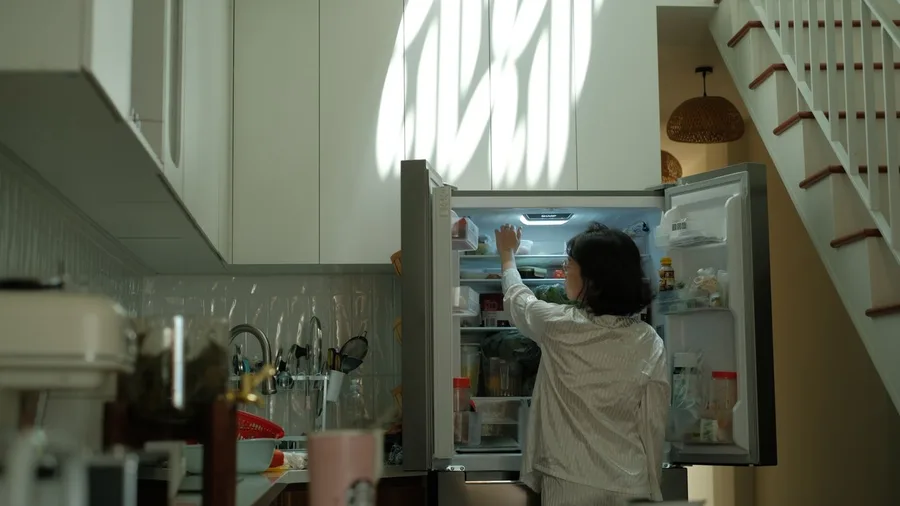
Quietly removing spoiled food during solo meal preparation eliminates serious health hazards without putting an older relative's lifelong conservation habits on public trial.
Discarding sour milk or questionable deli meat while you have the kitchen to yourself prevents tense, high-stakes standoffs at the trash can. Delivering lectures on government storage guidelines or printed date codes dismisses decades of practical experience, which only provokes defensive resistance and tighter surveillance over the pantry.
Arguing across an open refrigerator door never changes ingrained instincts.
Repurposing softening vegetables, limp celery, and roasted chicken bones into a rich soup or freezer-ready stock honors their deep need to preserve resources while neutralizing real physical risks. When spoiled items cannot be salvaged, carrying them directly out to the exterior garbage prevents the distress of seeing food thrown away.
Maintaining a safe household succeeds through thoughtful, quiet environmental management rather than attempting to correct a belief system forged across a lifetime.
Frequently Asked Questions
Why does my elderly parent get angry when I throw away food they cannot eat?
Their emotional reaction is driven by deep-seated childhood conditioning where food loss meant real physical danger and moral failure. To their nervous system, discarded food feels like a reckless threat to security rather than a routine chore.
How can I stop mealtime arguments about leaving food on the plate?
Serve significantly smaller initial portions and leave the rest of the meal in central dishes. This allows your relative to comfortably finish everything on their plate without feeling forced to overeat or watching food go to waste.
Is it safe to let older adults rely on the sniff test for leftovers?
No, because the senses of smell and taste decline naturally with age, making it difficult to detect harmful bacteria. Many dangerous pathogens also produce no noticeable odor or taste changes even in spoiled food.
Why do older relatives collect takeout condiments and stale bread?
Stockpiling kitchen remnants provides an emotional buffer against remembered scarcity. Having full cabinets and saved supplies reassures them that the household will not run out of basic resources.
Replacing Kitchen Clashes with Everyday Dignity
Resolving mealtime tension starts by recognizing food conservation as ingrained survival architecture rather than stubborn defiance. Those three green beans scraped toward the trash are never just leftovers to someone raised in scarcity; they represent tangible security and moral order.
Stop debating expiration dates or defending your cleanup at the table. Serve modest initial portions, pack extras away before sitting down, and quietly discard spoiled items during your own prep so the dinner table remains peaceful and their dignity stays intact.
Check Your Plating Strategy Tonight
Try serving half-size portions at your next shared family dinner and see how quickly mealtime tension evaporates.

Meet Edward Green, the founder of GolfingGoal and a seasoned expert in golf. With years of experience on the course and a passion for the sport, Edward has a wealth of knowledge to share. As our Lead Writer, he contributes articles, tutorials, and resources to help readers to improve their skills and reach their full potential on the golf course. Join Our Team!