

You reach into the pantry for a spice jar and the sudden scent of floor wax brings back your childhood hallway with startling clarity. Stepping away from decades of career deadlines frequently unleashes these unbidden, razor-sharp recollections of old kitchens, forgotten sibling remarks, and long-passed parental habits.
These scenes are neither random cognitive noise nor signs of mental decline. With the executive demands of full-time work removed, your mind naturally retrieves foundational history to help rebuild your identity beyond a professional title.
Sorting these flashes into emotional repair, creative recording, or simple release allows you to understand your past and anchor the years ahead.
The Retirement Recall Shift
The Removal of Daily Cognitive Clutter Frees Retrieval Pathways

Your career simply left no room for unprompted personal memories.
For decades, managing production schedules, resolving sudden client crises, and balancing multiple spreadsheets consumed nearly all of your daily working memory. That constant problem-solving kept attention pointed outward. It ran an executive mental filter that deliberately pushed away nonessential personal reflections before they could even register.
When those relentless daily obligations vanish, the brain settles into default neural circuits responsible for internal reflection and autobiographical recall.
Passive associative thinking quietly takes command.
Without immediate tasks demanding your focus, low-priority impressions from decades ago slip past the mental gatekeepers. You notice the exact sound of gravel under your father's car or the pattern on an old kitchen tablecloth. These quiet childhood traces were always stored away, waiting for open mental space to reappear.
They were never lost or damaged. They were merely held back by thirty years of meetings, logistical planning, and urgent professional concerns that required your total conscious attention.
Key Memory Mechanisms Decoded
Physical Space and Routine Changes Act as New Sensory Cues

The sensory landscape of your home triggers these sudden recollections.
Spending quiet daytime hours inside a house exposes your senses to long-forgotten physical patterns. You notice the sharp angle of late afternoon sun across a floorboard, the ticking of a hallway clock, or the distinct aroma of cedar and floor wax. Your office never provided these environmental prompts.
Memory relies heavily on environmental cues. The stillness of a private domestic space matches your childhood home far more closely than any commercial workspace or conference room ever did.
Physical contact with old objects accelerates the process.
Handling a rusted hand plane, untying a box of old tax records, or unfolding a linen tablecloth bypasses deliberate cognitive filters. The tactile weight and smell spark an immediate sensory link. You suddenly picture the uncle who owned the tool or the grandmother who hemmed the fabric.
These physical prompts act as direct associative keys, pulling specific domestic scenes out of long-term storage without any conscious effort on your part.
🌱 GROWING TIP
Grounding Sudden Sensory Recollections
When a physical object or domestic smell brings back a sudden wave of childhood memories, pause for twenty seconds. Name the exact sensory trigger aloud to anchor yourself in the present room before exploring the memory.
Loss of Professional Identity Forces the Brain to Re-examine Early Roots

Your mind searches backward to establish who you are without a title.
Stepping away from employment strips away the primary social label that organized your days and defined your standing for decades. Without a corporate role or professional status to answer the question of who you are, the mind instinctively retreats past your working years to examine your foundational beginnings.
It revisits your original family dynamics, early household roles, and formative interests. You find yourself recalling who you were before workplace expectations and career responsibilities reshaped your habits.
This backward search carries both constructive potential and emotional risk.
Healthy reflection allows you to reclaim early curiosities, creative impulses, and enduring values that were set aside during demanding decades of employment. But unexamined nostalgia can turn counterproductive. Getting stuck in romanticized longing for a lost era prevents you from building a purposeful routine in the present.
The goal is identifying the core traits that defined you before your career began. You can then carry those genuine inclinations forward into the years ahead.
Identity Re-Anchoring vs Stagnant Nostalgia
Healthy Re-Anchoring
- Identifies childhood interests to build new daily hobbies
- Accepts past family flaws with realistic perspective
- Uses ancestral lessons to guide present decisions
- Views early roots as a foundation for future growth
Stagnant Nostalgia
- Yearns for past decades while dismissing the present
- Whitewashes difficult family realities into fantasy
- Reruns old grievances without seeking resolution
- Treats past youth as the only meaningful life chapter
The Natural Psychological Instinct of Life Review Begins Automatically

Stepping away from career demands naturally triggers the developmental process of life review, a recognized psychological phase where the mind seeks to synthesize decades of experience into a coherent narrative. The psyche begins auditing its own history, working to reconcile early choices with the person you became.
Unfinished family dynamics dominate this inward evaluation.
An old argument with a brother over a loan, or a sharp comment a parent made across the kitchen table decades ago, surfaces unprompted. The mind pulls these specific friction points back into focus because it is actively seeking resolution for long-standing misunderstandings rather than leaving them as unresolved chapters.
This spontaneous audit is a universal, healthy developmental milestone. It is an active organizing impulse rather than an early symptom of cognitive impairment, fading memory, or ungrounded rumination.
The brain is simply doing its developmental work.
It sorts through old relational scripts to find meaning, reconciling how those foundational interactions shaped your temperament, your career choices, and the boundaries you set with others.
The Life Integration Hierarchy
How the mind processes past family experiences into wisdom
Altered Time Horizons Heighten the Value of Origins and Legacy
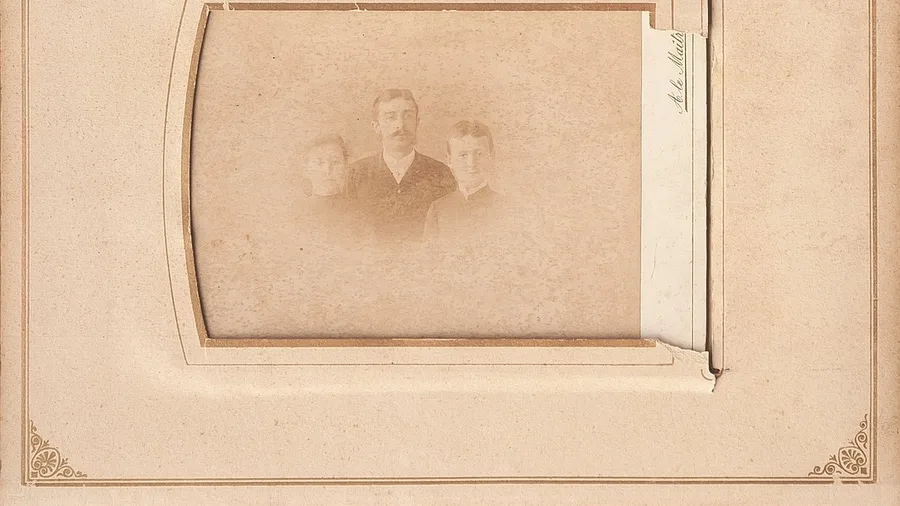
Parents and ancestors take center stage in daily thoughts because a shift in your perceived time horizon naturally redirects attention from forward-looking ambition toward origins and lineage. When decades of open-ended striving wind down, the mind stops measuring progress by future milestones and begins measuring value by where you came from.
Generational patterns suddenly become visible in everyday habits.
You catch yourself using your mother's phrasing when frustrated, or organizing a workshop drawer with your grandfather's exact stoic patience. Recognizing these inherited coping styles, emotional habits, and quiet strengths allows you to understand how deeply your family of origin is etched into your own automatic responses.
This evaluation serves a practical purpose beyond mere nostalgia. Examining your roots gives you the clarity to decide which family traditions, work ethics, and stories are worth passing down to younger generations or neighbors.
You choose what survives and what gets retired.
Deciding which ancestral traits to preserve and which old behavioral cycles to end turns passive recall into an intentional legacy for the people around you.
Legacy Sorting — At a Glance
📜 Oral Lore
Unrecorded stories
🛠️ Hard Skills
Passed down trades
🍲 Traditions
Family recipes
🧭 Core Values
Guiding principles
Primary Objective
Identify and preserve the positive emotional strengths of your family line while leaving old dysfunction behind.
Softened Emotional Defenses Allow Long-Buried Grief to Surface

Long-passed relatives feel intensely present because the end of full-time work dismantles the emotional compartmentalization that once kept past bereavement at a distance. When you were managing deadlines and payroll, surviving a parent's funeral meant boxing up the sorrow by Monday morning so professional output could continue unbroken.
That defensive armor is no longer necessary today.
With the schedule cleared, the brain finally finds the psychological safety required to process delayed losses from thirty years ago. A sudden wave of emotion might hit while making coffee or looking at a garden trowel, finally completing an emotional cycle that had been paused for the sake of career stability.
This resurfaced grief rarely looks like the acute agony of a fresh loss. Instead, it tends to manifest as tender gratitude, quiet reflection, or a temporary, gentle melancholy.
It is a finishing process, not a breakdown.
Allowing these feelings to breathe without panic lets you integrate the memory of those people into your everyday life, honoring the connection without the weight of unresolved grief.
⚠️ COMMON MISTAKE
Treating Delayed Grief as a Crisis
Do not panic or assume you are developing depression when old losses make you tearful in retirement. Acknowledge the emotion as long-delayed psychological housekeeping that finally has the safety to complete itself.
Unreliable Memory Construction Requires Gentle Fact-Checking

Vividness is not proof of accuracy, because each time the brain retrieves a distant memory, it updates and reshapes the original trace.
Decades of remembering a childhood dinner inevitably weave together the actual event with family lore, vintage snapshots, and your mature perspectives. The mind reconstructs the scene anew rather than playing a recorded film, quietly absorbing later conversations until the manufactured details feel just as authentic as the original day.
Memory is a collage, not a courtroom transcript.
That distinction matters when resurfaced memories carry old grievances or sibling rivalry. Calling a brother or sister to confront them over a forgotten slight often sparks needless conflict, because their internal record of the same afternoon will rarely match your own. Neither version is a deliberate lie; both are edited drafts.
You can honor the emotional truth of how a situation made you feel without insisting on historical precision. Holding the factual details lightly lets you understand your early life without demanding agreement from anyone else.
🔍 Four Steps to Fact-Check and Process Old Memories
1. Write the Raw Scene
Jot down the memory exactly as it appeared without editing or judging your feelings.
2. Separate Fact from Perception
Identify what you know happened versus how your childhood self interpreted the event.
3. Cross-Reference Tangible Clues
Check vintage calendars, letters, or photo dates to establish objective timelines.
4. Adopt Generational Compassion
Re-evaluate the adults in the memory through the lens of their own economic and emotional strains.
Transforming Recollections into Tangible Creative Projects Anchors the Meaning

Giving spontaneous recollections a concrete container stops them from cycling endlessly through your thoughts as vague, distracting background noise.
When you translate a mental scene into written words or spoken audio, you signal to the brain that the experience is safely preserved. Writing a five-hundred-word vignette about your mother's garden, annotating an unlabeled photo album, or recording a five-minute voice memo turns uninvited nostalgia into deliberate family record.
Externalizing the past frees up the present.
To prevent memory work from swallowing your post-career routine, put firm boundaries around how long you spend reflecting each day. Spending forty-five minutes with a notebook each morning preserves the narrative while leaving the rest of the day open for physical exercise, errands, and meeting friends for lunch.
Documenting early memories gives them purpose, turning what could feel like intrusive rumination into something lasting. Once the daily writing window ends, you can step back into the afternoon unburdened.
Frequently Asked Questions
Is having constant childhood memories in retirement an early sign of dementia?
No, spontaneous autobiographical recall is a well-documented developmental process called life review. When your daily cognitive load drops, your brain's default mode network naturally accesses long-term memory stores that were previously quiet.
Why do I remember distant family events better than what I did last week?
Childhood and young adult memories were encoded during periods of rapid brain development and intense emotional firsts. Recent daily routines in retirement carry less emotional novelty, making them less distinct in storage compared to formative early scenes.
What should I do if the memories resurfacing are painful or stressful?
Acknowledge the memory without forcing yourself to relive every detail, write down the bare facts on paper, and set a strict time limit on how long you dwell on it. If old trauma disrupts your sleep or daily peace, speaking with a licensed therapist can help process the material safely.
How can I record my family memories if I am not a strong writer?
Use the voice memo app on your smartphone to record short five-minute audio clips describing specific photos, or create an annotated photo album with simple two-sentence index cards identifying the people, places, and years.
Why am I suddenly dreaming about my deceased parents almost every night?
Dreams are an active tool the brain uses to integrate emotional memories and unresolved relationship dynamics. As your waking mind processes your life narrative, your sleeping brain continues sorting through those foundational attachments.
Sorting Resurfaced Memories into Peace and Purpose
Every surfacing memory fits one of three clear paths: emotional reconciliation for unresolved relationships, creative documentation for family heritage, or a brief moment of gentle observation before you let it pass.
The return of old rooms and parental voices is simply your mind assembling a unified identity once career noise fades. When that unexpected scent catches you in the kitchen tomorrow, give the memory thirty seconds of attention, take what it clarifies about your roots, and step back into your afternoon.
Start Archiving Your Family Memories Today
Review our Four Steps to Fact-Check and Process Old Memories section above, grab a simple notebook, and write down your first short family vignette this morning.

Meet Edward Green, the founder of GolfingGoal and a seasoned expert in golf. With years of experience on the course and a passion for the sport, Edward has a wealth of knowledge to share. As our Lead Writer, he contributes articles, tutorials, and resources to help readers to improve their skills and reach their full potential on the golf course. Join Our Team!