

Most people believe significant hearing damage is reserved for fleeting, extreme events like rock concerts or heavy machinery. Yet, many of the sounds you encounter daily, often not perceived as excessively loud, consistently push your ears past safe thresholds for extended periods.
This constant, unnoticed acoustic exposure is the quiet force eroding your hearing over time.
Understanding these hidden risks allows you to take simple, effective steps to protect the hearing you have right now. You will discover which common sounds pose a risk and how to mitigate them with practical, age-specific actions.
Quick Tips Before You Start
Set Volume Limits
Check your smartphone's settings for headphone volume caps; enable them to prevent accidental high exposure.
Carry Earplugs
Keep a small case of foam earplugs in your bag or car for unexpected loud environments.
Take Noise Breaks
Step away from loud spaces every 15-20 minutes to give your ears a short, crucial rest.
Know Your dB
Download a sound meter app for your phone to get a rough idea of noise levels in your surroundings.
1. Household Appliances Exceed Safe Limits
Many sounds inside your home are surprisingly loud, silently contributing to hearing damage over time.
Common kitchen and household appliances, like your blender or hair dryer, generate noise in the 80-90 dB range when in use. This quickly pushes sound levels right to or past the 85 dB threshold considered safe for eight hours of continuous exposure.
For those of us in our 40s, 50s, and beyond, the cumulative effect of these daily exposures becomes more significant as our ears recover less efficiently.
Think about your routine: a morning smoothie prep and an evening blow-dry. Each short burst of sound adds to your daily noise dose.
Because there's no immediate discomfort or pain, we rarely consider protecting our ears during these familiar tasks.
This perceived harmlessness masks a quiet, consistent erosion of your long-term hearing health that accumulates unnoticed.
| Sound Source | Typical Decibel Level (dB) | Safe Exposure Limit (approx.) | Primary Risk |
|---|---|---|---|
| Hair Dryer / Blender | 80-90 dB | 8 hours at 85 dB | Cumulative damage from frequent short bursts |
| Urban Street Noise | 85-95 dB | 8 hours at 85 dB | Prolonged exposure during daily commutes |
| Headphones (70%+ volume) | 90-105 dB | 8 hours at 85 dB | Direct, intense sound pressure to eardrum |
| Lawn Mower / Leaf Blower | 95-105 dB | 8 hours at 85 dB | Immediate, significant damage even in short uses |
| Busy Restaurant / Bar | 85-95 dB | 8 hours at 85 dB | Extended exposure during social gatherings |
⚠️ COMMON MISTAKE
Ignoring Short Bursts
People often dismiss brief noise exposures, like a two-minute blender use. But repeated blasts above 85 dB add up over decades, especially as ear structures naturally become more vulnerable with age. This cumulative damage is easily overlooked, but it is very real.
2. City Traffic Deafens on Commutes

Beyond the home, urban environments present their own constant, high-decibel challenges during daily commutes.
Daily exposure to urban street noise, including heavy traffic and distant construction, typically ranges from 85-95 dB.
This puts you consistently at or above the 85 dB threshold for safe 8-hour exposure, often for much longer durations during your regular travel.
Whether you are in your car with the windows open or riding public transport, you are subjecting your ears to prolonged periods of this sound pressure.
Think about the hours each week you spend in this continuous background hum; it builds up unnoticed, especially for ears that have accumulated years of noise exposure.
This constant, unacknowledged sound pressure contributes significantly to long-term hearing erosion.
Your daily commute, in essence, becomes a hidden, pervasive risk for your hearing over time.
👂 How Noise Damages Your Hearing
Sound Waves Enter
Noise vibrations travel through the ear canal to the eardrum, then to the inner ear.
Hair Cells Overwork
Tiny, delicate hair cells in the cochlea convert these vibrations into electrical signals.
Fatigue & Damage
Sustained loud noise overworks and physically damages these specialized hair cells.
Signals Fade
Damaged cells send weaker signals to the brain, leading to a noticeable reduction in hearing.
Damage is Permanent
Unlike most other cells in the body, these critical inner ear hair cells do not repair or grow back.
3. Headphones at High Volume are a Quiet Threat

From the broad ambient noise of city traffic, we shift to a more direct, concentrated form of sound exposure: your personal audio devices.
Listening to music or podcasts through headphones or earbuds at volumes above 70% can produce sound levels ranging from 90-105 dB.
These high volumes significantly exceed the 85 dB safe limit, delivering intense sound waves directly to your eardrum without the dampening effect of ambient air.
It often doesn't feel excessively loud in the moment, making the unnoticed risk even more insidious.
Audiologists often suggest the '60/60 rule' as a simple guideline: listen at no more than 60% volume for no longer than 60 minutes at a time.
This practical measure is frequently overlooked because higher volumes offer perceived clarity or block out unwanted background noise, but the trade-off is often unseen, cumulative damage.
Over years, this consistent, direct sound exposure contributes to permanent hearing damage that accumulates quietly, becoming more noticeable as we age.
4. Yard Work Equipment Needs Protection
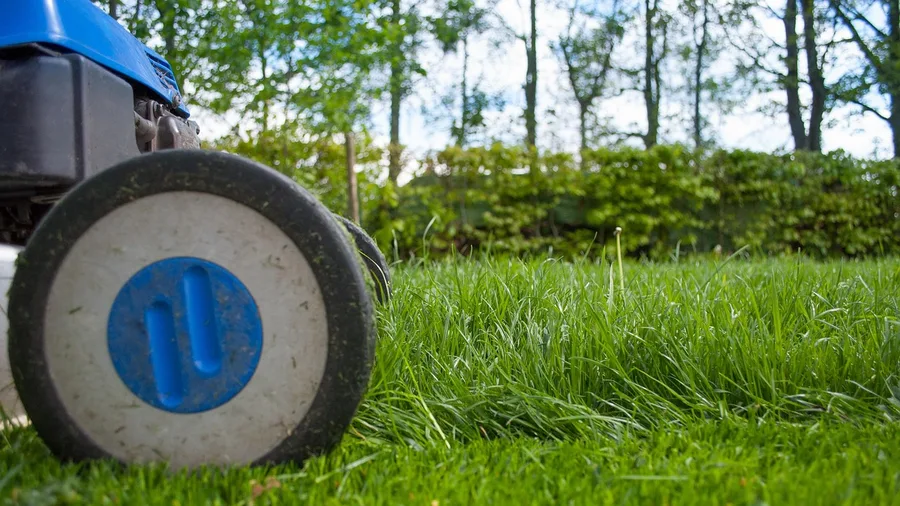
After the direct assault of personal audio, consider the concentrated power of yard work equipment.
Lawnmowers, leaf blowers, and even trimmers generate intense noise levels, typically ranging from 95 to 105 dB. This far exceeds the 85 dB threshold for safe continuous exposure, meaning potential hearing damage starts almost immediately.
The perceived brevity of these tasks often leads to complacency. Even a 30-minute mow can expose your ears to significant, damaging sound pressure.
Protection is not optional here.
Physical therapists and audiologists consistently recommend wearing proper hearing protection, such as earplugs or earmuffs, from the moment you start these machines. This direct noise exposure is a major contributor to age-related hearing decline for many adults.
Ignoring the obvious loudness means accepting a rapid, intense sound impact that, while it might not cause immediate pain, contributes to unnoticed damage with every single use. Protecting your hearing during these common chores is a simple, effective step to preserve it long-term.
5. Busy Social Venues are Loud Enough to Harm

While intense outdoor equipment makes its presence known, the lively buzz of a crowded restaurant hides its own quiet hazard for your hearing. Spending extended periods in popular social venues, such as busy eateries or bars, often exposes your ears to noise levels between 85 and 95 dB.
This decibel range approaches, and often exceeds, the 85 dB threshold considered safe for eight hours of continuous exposure. When social gatherings stretch for several hours, that cumulative dose of constant sound can easily push past healthy limits for the day.
Your ears don't protest immediately.
The constant hum of background chatter and music feels like part of the fun, not a threat, so you rarely consider protecting your hearing in these settings.
This lack of immediate discomfort means many of us spend entire evenings unknowingly accumulating noise exposure. Over time, regularly frequenting these vibrant spots adds up to a quiet but persistent erosion of your hearing health.
For bodies past 50, which may already have accumulated some natural wear and tear, this silent toll becomes particularly important to recognize and mitigate.
Frequently Asked Questions
What are the first signs of noise-induced hearing loss?
Common early signs include ringing in your ears (tinnitus), difficulty understanding speech in noisy environments, and needing to turn up the volume on your TV or phone. You might also notice certain sounds feel muffled.
Can hearing damage be reversed?
Unfortunately, hearing damage caused by noise exposure is typically permanent. The delicate hair cells in your inner ear, once destroyed, do not regenerate. This is why prevention is the most effective approach.
Are all earplugs the same?
No, earplugs vary significantly in their noise reduction rating (NRR) and comfort. Foam earplugs offer good general protection, while specialized musician's earplugs can reduce volume evenly. Choose a pair with an NRR appropriate for your environment.
How often should I get my hearing checked?
Most audiologists recommend a baseline hearing check by age 50, followed by screenings every one to three years, especially if you have regular noise exposure or notice any changes. Discuss your specific needs with your doctor or audiologist.
Does earwax protect against noise?
While earwax does offer some minimal natural dampening, it is not an effective form of hearing protection against damaging noise levels. It cannot significantly reduce decibel exposure enough to prevent harm from loud environments or appliances.
Prioritizing Hearing in Your Daily Life for Years to Come
Hearing damage is rarely a sudden event; it is almost always the slow, unnoticed accumulation of daily exposures. The quiet threats from common activities – from household chores and daily commutes to social outings – are insidious precisely because they often do not feel immediately harmful.
Proactive protection is key. Start today by being more aware of decibel levels and using simple protection like earplugs in any environment you perceive as 'loud,' even for short durations. These small, consistent preventative actions are your best defense against the ubiquitous, hidden dangers that subtly wear down your hearing for years to come.
Ready to Act on Your Hearing Health?
Review the tips and check your daily habits against the decibel levels listed here. Small changes now prevent bigger problems later.

Meet Edward Green, the founder of GolfingGoal and a seasoned expert in golf. With years of experience on the course and a passion for the sport, Edward has a wealth of knowledge to share. As our Lead Writer, he contributes articles, tutorials, and resources to help readers to improve their skills and reach their full potential on the golf course. Join Our Team!