
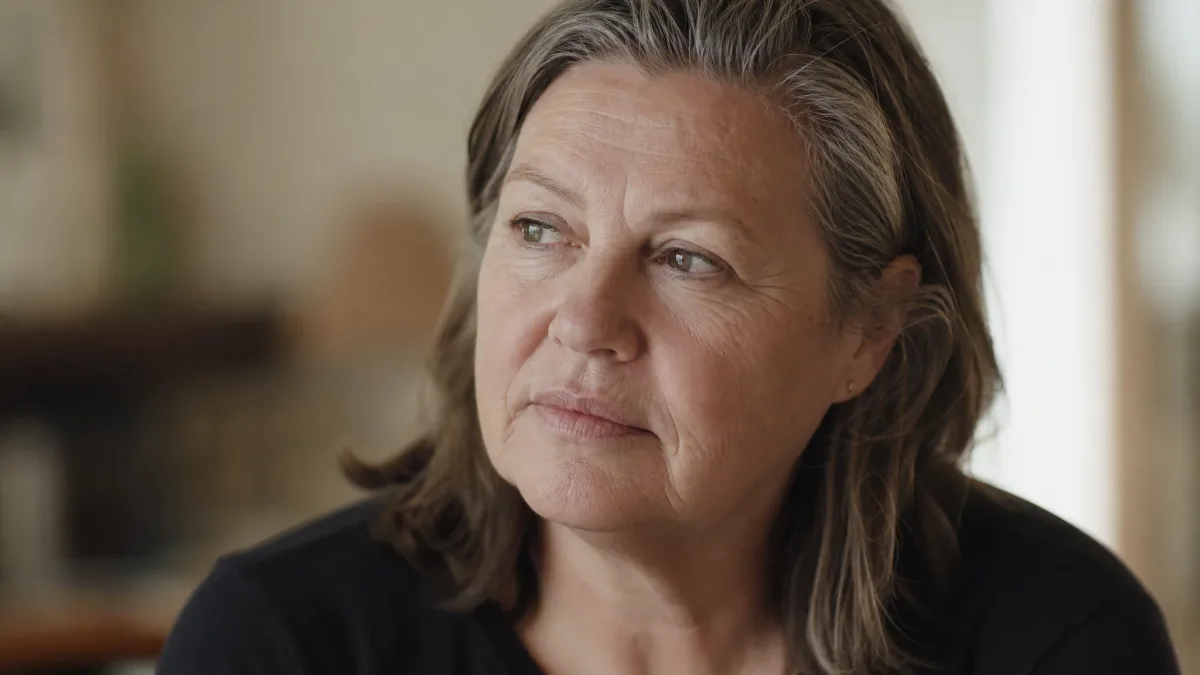
Chronic loneliness doesn't just feel like a heavy emotional burden; medical understanding now confirms it measurably speeds up the body's biological aging process. Perhaps you've felt a persistent, quiet hum of disconnection, a solitude that lingers even amidst company, and wondered if it was affecting more than just your mood.
Many perceive this as purely a 'feeling blue,' but years of research and observations from health experts increasingly reveal the profound physical toll this persistent lack of connection takes. It isn't merely making you feel older; it actively contributes to how fast your body ages at a cellular level, impacting nearly every major system.
By the end of this discussion, you will understand the concrete biological effects of chronic loneliness on your body and be equipped with initial steps to address these impacts, shifting from silent toll to active repair.
Chronic Loneliness: Not Just Feeling Blue

Chronic loneliness is a persistent, deep-seated distress that comes from feeling a lack of social connection or intimate relationships.
This is a crucial distinction: loneliness is subjective; you can be surrounded by people and still feel profoundly disconnected. Objective social isolation, on the other hand, simply means being alone, which doesn't always lead to loneliness.
For those in their 50s and 60s, this distinction is particularly relevant. You might attend social gatherings but still feel an internal void, a perceived lack of meaningful connection that weighs on you.
The 'chronic' part means this feeling is long-lasting and pervasive. It's not the fleeting sadness after a quiet weekend, but a sustained internal state that often doesn't resolve with a single brief interaction.
This persistent emotional distress moves far beyond just feeling blue. Your body, primed to respond to prolonged internal states, registers this constant lack of connection as a form of chronic stress, setting the stage for measurable biological consequences that impact how you age.
Loneliness vs. Isolation — The Key Difference
Chronic Loneliness
- Drives measurable increases in inflammatory markers.
- Activates stress hormones like cortisol over time.
- Assessed in research using validated self-report surveys.
- Requires fostering deep connection to resolve, not just presence.
Social Isolation
- Quantified by the number and frequency of social ties.
- Can be a chosen state (solitude) or an imposed one.
- Impacts health through lack of practical support or activity.
- Addressed by creating opportunities for interaction.
Heightened Stress Response and Cortisol

That persistent subjective distress of chronic loneliness doesn't stay confined to your mind; it directly activates your body's central stress system.
Specifically, it triggers the hypothalamic-pituitary-adrenal (HPA) axis, which is the command center for your "fight-or-flight" response, putting your body on high alert even when there's no immediate physical threat.
This leads to chronically elevated cortisol.
Normally, cortisol levels follow a predictable daily rhythm, peaking in the morning and declining at night, but persistent loneliness disrupts this pattern, keeping cortisol levels high for too long. For someone over 50, this chronic exposure has tangible physical downsides.
Excess cortisol contributes to muscle and other tissue breakdown, making it harder to maintain strength as you age.
It also impairs how your body regulates glucose, which over time can increase your risk for metabolic issues.
Researchers also consistently observe that chronic cortisol negatively impacts bone density, a significant concern for us after 40 as bone loss naturally accelerates. Your body stays in a prolonged state of alert, diverting essential energy from repair and maintenance functions, mimicking an accelerated aging process.
Systemic Inflammation Increases

The sustained stress response and elevated cortisol from chronic loneliness don't just affect individual systems; they also trigger a widespread, low-grade inflammation throughout your body.
Studies consistently show that chronic loneliness is tied to altered gene expression, meaning the way your genes behave changes. Specifically, there's an increase in the genes responsible for promoting inflammation, often referred to as pro-inflammatory genes.
This shift is subtle but significant.
It results in persistent, low-grade systemic inflammation, even when you're not fighting an infection or recovering from an injury. Doctors often look for elevated markers like C-reactive protein (CRP) and Interleukin-6 (IL-6) in blood tests, which are consistently higher in individuals experiencing chronic loneliness.
This constant, quiet fire of inflammation damages cells, tissues, and organs over time.
For those of us over 40, this chronic inflammation is a key driver of many age-related diseases, playing a measurable role in the development and progression of serious conditions like cardiovascular disease and type 2 diabetes. It's a physical toll that accelerates the body's aging process.
The Inflammatory Link
How chronic loneliness impacts markers of aging
Weakened Immune System Function

Chronic loneliness directly weakens your immune system.
The ongoing internal inflammation and persistent stress from loneliness don't just age cells; they hobble your body's defenses against everyday invaders like viruses and bacteria.
This constant state of alert diverts resources, leaving less capacity for immune surveillance and response.
As a result, you might find yourself catching colds more often or taking longer to recover from infections.
Research consistently shows that individuals experiencing chronic loneliness often have a less effective response to common vaccines.
This means their bodies build fewer protective antibodies, or the protection doesn't last as long, leaving them less shielded from diseases like the flu or shingles, which can be more common and severe after 50.
Dermatologists and immunologists observe that skin abrasions and minor cuts can take longer to mend, while the frequency of respiratory infections can also climb.
Even specialized immune cells, like natural killer (NK) cells, show reduced activity.
These are the body's front-line defenders against viral infections and early cancer cells; their diminished function means a less effective shield against serious threats over time.
⚠️ COMMON MISTAKE
Assuming You're Just 'Unlucky'
It's easy to dismiss frequent colds or slow healing as simply bad luck or typical aging. However, if chronic loneliness is present, these physical symptoms might be direct indicators of an impaired immune system that requires specific attention.
Accelerated Cellular Aging at a Genetic Level
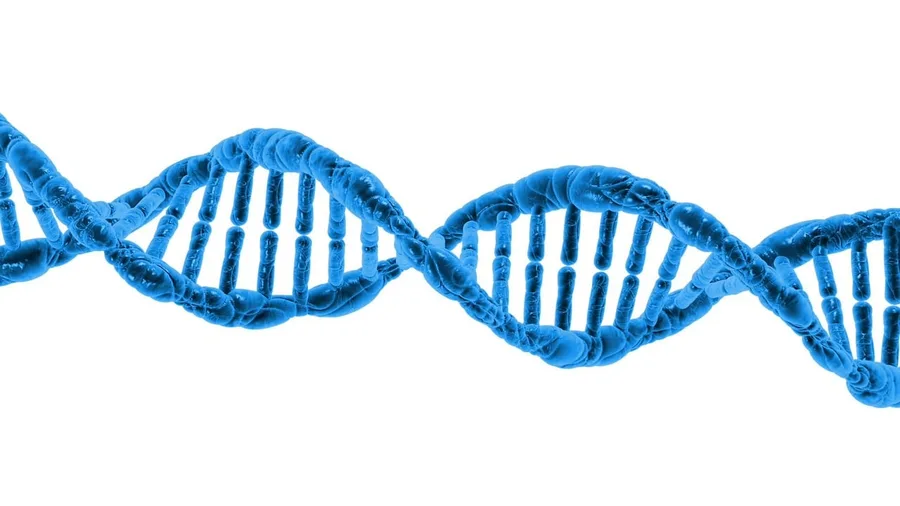
Chronic loneliness can measurably make your cells biologically older, even if your birth certificate says otherwise.
At the very ends of your chromosomes are telomeres, protective caps that function like the plastic tips on shoelaces. They shorten slightly each time a cell divides, acting as a biological clock for how much life that cell has left.
Research on adults over 50 has repeatedly found that chronic loneliness contributes to accelerated telomere attrition, meaning these caps wear down faster than in socially connected individuals.
Your cells, the fundamental building blocks of your body, are literally aging at an increased pace.
Beyond telomeres, loneliness is also linked to epigenetic changes. These are alterations in how your genes are expressed – whether they're turned on or off, or how strongly – without actually changing the underlying DNA sequence.
These epigenetic shifts are also associated with an accelerated biological age, impacting everything from how your metabolism functions to your cellular repair processes.
It means the very instructions your body uses to maintain itself are impacted, making your body's systems perform as if they were years beyond your actual age.
Biological Aging — By the Numbers
How loneliness impacts cellular health
Increased Risk of Cardiovascular Disease

The fundamental cellular changes and systemic disruptions from chronic loneliness significantly increase your risk of heart disease.
When you feel lonely for long periods, your body's chronic stress response leads to higher blood pressure and a sustained increase in heart rate.
For people over 50, even a modest, persistent rise in resting heart rate can put added strain on the heart muscle over years.
The systemic inflammation linked to loneliness also contributes to atherosclerosis, where plaque builds up in your arteries.
This stiffens blood vessels, reducing their elasticity and making your heart work harder to pump blood effectively throughout your body.
These combined factors measurably raise the likelihood of developing heart disease and experiencing a greater incidence of heart attacks or strokes as you age.
The physical impact on your heart from chronic loneliness is comparable to other well-established risk factors.
Public health studies consistently show its effect on cardiovascular health can be similar to that of smoking or obesity, adding a serious burden to your system.
Heart Health — At a Glance
❤️ Comparable Effect
Smoking 15 cigarettes daily
📈 Typical BP Impact
Systolic up by 3-5 mmHg
⏱️ Resting HR Shift
Increases 5-10 beats/min
🫀 Overall CVD Risk
Up to 30% higher incidence
Long-Term Impact
Chronic strain on arteries from loneliness accelerates biological aging, reducing vessel elasticity years faster.
Faster Cognitive Decline and Dementia Risk

Chronic loneliness measurably impacts brain health, leading to faster cognitive decline, much like its effects on the cardiovascular system. It is a significant risk factor for cognitive impairment, affecting how clearly you think, recall information, and make decisions. This is especially pertinent as we age, when cognitive sharpness becomes a common concern.
Your brain's processing speed slows.
Researchers have consistently observed that chronic loneliness links to measurable reductions in brain volume. These changes often show up in areas vital for robust memory and effective decision-making, impacting daily function for adults over 50.
The chronic stress and inflammation tied to loneliness fuel neuroinflammation. This process damages delicate brain cells and the complex networks they form.
Your brain works harder to compensate.
This constant internal strain means that over time, the risk of developing neurodegenerative diseases, including Alzheimer's and other forms of dementia, goes up. The measurable aging effects of loneliness extend deep into the very structures of your brain.
Disruptions to Sleep Patterns

Chronic loneliness significantly disrupts healthy sleep.
The emotional strain and heightened vigilance from persistent isolation often make it difficult to fall asleep, and even harder to stay asleep through the night.
When you feel lonely, your body can remain in a low-level state of alert, fueling anxiety and endless rumination that keeps your mind racing long after you lie down. This makes deep, restorative sleep elusive, which is a common complaint for people in their 50s and 60s already navigating sleep changes.
Sleep specialists observe that loneliness changes your overall sleep architecture, reducing the crucial time spent in deep, slow-wave sleep (NREM) and REM stages. These are the periods when your brain and body do their most important repair work.
Poor sleep quality and insufficient duration then create a compounding problem: they intensify the systemic inflammation already present due to loneliness and further impair cognitive function, making it harder to focus or remember things the next day. This creates a challenging cycle that is difficult to break without addressing the root cause.
This ongoing sleep deprivation speeds up biological aging.
Your body's ability to perform cellular repair and regenerate tissues is compromised, adding to the stress burden and accelerating physical decline.
💡 PRO TIP
Prioritize Sleep Hygiene
Even with loneliness, consistent sleep routines can help. Dim lights an hour before bed, keep your bedroom cool and dark, and avoid screens. Improving sleep quality can mitigate some inflammation and stress, even if the underlying loneliness remains.
Behavioral Choices Worsen Outcomes

Chronic loneliness often triggers behaviors that worsen health.
Beyond the direct biological toll, the emotional weight of loneliness can lead to lifestyle choices that further accelerate physical aging and contribute to poor health.
Many people experiencing chronic isolation find themselves adopting more sedentary routines, reducing their physical activity significantly. This lack of movement, particularly after 40, directly contributes to faster muscle loss, unwanted weight gain, and a decline in bone density, which are all hallmarks of accelerated aging.
Unhealthy eating habits often become coping mechanisms, like consistently reaching for processed foods or indulging in comfort eating. This can disrupt metabolism and contribute to inflammation already present from loneliness.
Substance use, such as increased smoking or excessive alcohol consumption, can also rise as individuals seek temporary relief from their feelings. These habits add significant stress to the body's systems, from the liver to the cardiovascular system, making the internal biological mechanisms of aging even more pronounced.
Loneliness can also lead to a dangerous pattern of neglecting preventative healthcare. This might look like skipping routine check-ups, putting off specialist appointments, or not adhering to prescribed medical advice for existing conditions.
These choices compound the problem.
They add extra strain on your body, further accelerating the physical decline already driven by the biological impacts of chronic loneliness.
⚠️ COMMON MISTAKE
Self-Medicating with Comfort
While comfort foods and a quiet evening can be good, relying on them exclusively to cope with loneliness can inadvertently worsen your health. Over time, these habits deepen the biological impact of loneliness rather than alleviating it.
Recognizing the Problem is the First Step

Recognizing chronic loneliness is the first essential step.
This crucial acknowledgment can begin to reverse its physical and behavioral impacts on your body, shifting from passive experience to active engagement.
Acknowledging these persistent feelings, even when they feel isolating, stops the cycle of self-blame. It means validating an internal experience, rather than perceiving it as a personal flaw or unique struggle.
Loneliness is a widespread human experience, amplified by modern life's demands and transitions common after 50.
It is not a personal failing.
Experts consistently point out this isn't an individual shortcoming, but a common signal that your social needs are not being met.
This self-awareness provides an opening to actively choose different paths and seek support, moving past the isolation. Healthcare providers and mental health professionals are well-equipped to offer structured guidance, connect you to resources, and help develop tailored strategies for managing loneliness and its health consequences.
Building Connections for Better Health

Building meaningful connections is a proactive strategy that directly counters the biological and behavioral impacts of chronic loneliness on your health.
Physical therapists and medical professionals often emphasize the importance of actively seeking out social interaction, even if it feels difficult at first. Consider volunteer work, joining local clubs focused on hobbies, or engaging with community groups relevant to your interests after 50.
Quality relationships matter more than quantity.
Even a few trusted connections can profoundly impact your emotional and physical well-being, reducing the stress response and inflammation associated with loneliness.
Engaging in activities that align with your personal values can naturally lead to connections with like-minded individuals. Whether it is a book club, a hiking group for older adults, or a craft workshop, shared interests often form a solid foundation for new friendships.
For those facing social anxiety or past negative experiences, therapy or support groups offer a safe space. These settings help develop social skills, address underlying anxieties, and foster new relationships in a supportive environment.
🤝 Making Connections: A Practical Approach
Normalize Casual Interactions
Beyond organized groups, consistently engage in brief, friendly exchanges. A quick chat with your barista or a neighbor can lower your social barrier.
Offer Low-Stakes Invitations
Instead of waiting for an invitation, suggest a quick coffee or a shared walk after a group activity. This opens the door without pressure.
Create a Social Rhythm
Aim for 2–3 regular social touchpoints per week, even brief ones. Consistency helps rebuild social confidence after 50.
Cultivate Existing Bonds
Regular follow-ups turn acquaintances into trusted connections. Aim for 2-3 in-depth conversations each month with people you feel a spark with.
Allow for Time and Patience
Meaningful connections take months, not days. Expect some social discomfort initially, but trust the process for lasting benefit.
Frequently Asked Questions
What is the difference between solitude and chronic loneliness?
Solitude is a chosen state of being alone, often for reflection or rest, and it usually feels refreshing. Chronic loneliness, however, is an unwanted and distressing feeling of lacking meaningful connection, regardless of how many people are around you.
Can loneliness really impact my physical health as much as smoking?
Research suggests that chronic loneliness can have a similar impact on mortality risk as smoking 15 cigarettes a day. Its effects on inflammation, stress hormones, and cardiovascular health create a significant and measurable burden on the body over time.
Are there specific biomarkers doctors look for to identify loneliness-related aging?
Doctors don't typically test for 'loneliness' directly, but they might observe elevated markers associated with chronic stress and inflammation, such as high C-reactive protein (CRP), increased cortisol levels, and reduced immune cell function. Accelerated telomere shortening is also a biological indicator seen in studies.
Is the damage from chronic loneliness reversible?
While some biological changes can be long-lasting, actively addressing chronic loneliness through increased social connection and support can often mitigate and even reverse many of its negative health effects. Reducing stress and inflammation through connection allows the body to begin repairing itself.
What if I feel lonely even when I'm with people?
This is a common experience of chronic loneliness. It suggests that the issue isn't just about presence but about the quality and meaningfulness of your connections. Focusing on deepening existing relationships or seeking out activities aligned with your values can help foster more authentic connections.
Should I talk to my doctor about my feelings of loneliness?
Absolutely. Your doctor can help rule out underlying medical conditions that might contribute to fatigue or low mood, and they can offer referrals to mental health professionals or community resources. Recognizing loneliness as a health concern is an important first step toward managing it.
Building Bridges to a Healthier Future
The truth is, chronic loneliness is far more than just a state of mind; it's a profound biological stressor that measurably accelerates the body's aging process. This pervasive feeling of isolation carries a heavy physical cost, impacting health from the cellular level upwards through heightened stress, systemic inflammation, weakened immunity, and accelerated cellular damage, increasing risks for heart disease, cognitive decline, and poor sleep.
These biological effects, while significant, are not irreversible. Proactive steps toward building meaningful connections and seeking support can mitigate these impacts.
By actively cultivating connection, you're not just improving your mood; you are directly working to slow down those measurable aging processes that loneliness can accelerate, fostering resilience for a healthier whole system.
Ready to Reconnect?
Start with small, consistent steps to build meaningful social connections and improve your health. Review the 'Building Connections for Better Health' section for actionable ideas you can start today.

Meet Edward Green, the founder of GolfingGoal and a seasoned expert in golf. With years of experience on the course and a passion for the sport, Edward has a wealth of knowledge to share. As our Lead Writer, he contributes articles, tutorials, and resources to help readers to improve their skills and reach their full potential on the golf course. Join Our Team!