

You might wake up with a dry mouth, a sore throat, or a dull headache, dismissing it as just 'bad sleep.' But if you are consistently mouth breathing through the night, these small annoyances are actually quiet alarms.
This habit, often unnoticed, impacts much more than just a morning cough. It shapes how your face changes, how well your brain clears waste, and even your body's baseline inflammation levels over decades. I have spent years exploring this and talking to experts in sleep and airway health.
By the end of this article, you will understand the deep connections between your nightly breathing and how your body ages. You will also know specific steps to take if you suspect mouth breathing is an issue for you.
Mouth Breathing — At a Glance
The Silent Mechanism: How It Shifts Your Body's Night Mode

Mouth breathing at night shifts your body's restorative processes into a subtle stress mode.
When you breathe through your mouth instead of your nose, your body misses out on the air filtration, humidification, and nitric oxide production that happens naturally. Nasal passages are designed to warm and moisten the air, preparing it for your lungs.
This natural process also triggers nitric oxide release, a compound that helps dilate blood vessels and improve oxygen circulation throughout your system.
Mouth breathing bypasses this.
You take in drier, colder, unfiltered air, and your body receives less nitric oxide. This consistent difference forces your system to work harder, pushing it toward a low-grade stress response every night.
This can raise cortisol levels and activate inflammatory pathways, pulling your body away from its necessary 'rest and digest' state.
Over years, this nightly physiological stress can build up, influencing everything from the elasticity of your skin to your overall cognitive function, especially as recovery needs increase with age.
Common Missteps in Breathing Retraining
Facial Structure and Skin Health

Mouth breathing over time can alter your facial structure.
When your mouth remains open during sleep, your tongue often rests low in your mouth instead of against the roof of your palate. This constant lack of upward pressure contributes to a narrower dental arch and a less defined jawline, changing your profile.
This subtle structural change, accumulating over years, can make the face appear older than its actual age, creating a less vibrant look.
The muscles around the mouth also experience different tension and resting positions, which can lead to increased sagging. Many people notice a more tired or drawn appearance, with deeper lines developing around the mouth and nose sooner than expected.
Beyond structure, the dry, unfiltered air from mouth breathing severely dehydrates your skin, especially around the lips. This chronic dehydration reduces skin elasticity and deepens fine lines, diminishing your skin's vibrancy.
⚠️ COMMON MISTAKE
Neglecting Tongue Posture
Many people focus only on closing their mouth. However, proper tongue posture, with the entire tongue resting on the roof of your mouth, is key to supporting facial structure and encouraging nasal breathing.
Sleep Quality and Brain Function

Mouth breathing at night impairs your sleep quality and, directly, your brain's health.
This directly impacts your brain's ability to clear metabolic waste and consolidate memories, processes that become even more important for cognitive health as we age.
Nasal breathing helps maintain healthy CO2 levels in your blood, which encourages deeper, more restorative sleep cycles.
Mouth breathing often disrupts this.
When you mouth breathe, you might hyperventilate slightly, losing too much CO2. This imbalance frequently leads to fragmented sleep, cutting short your time in deep and REM sleep stages.
This poor quality sleep hinders your glymphatic system, which is your brain's waste removal system and works best during deep sleep.
Over time, this impaired clearance can allow metabolic waste to build up, potentially accelerating cognitive decline and raising the risk for neurodegenerative conditions. Your brain needs steady, high-quality sleep to repair itself effectively.
Your brain performs its nightly 'deep clean' during deep sleep. Mouth breathing can block the drain.
— What sleep neurologists keep repeating
Inflammation and Immune Response

Chronic mouth breathing at night fuels systemic inflammation and compromises your immune system.
The continuous influx of unfiltered, often dry air through your mouth directly irritates the delicate tissues in your throat and lungs.
This chronic irritation acts like a persistent low-grade stressor, triggering an inflammatory response in your respiratory passages that sleep specialists consistently observe. Over months and years, this localized inflammation contributes to systemic inflammation throughout your body.
Elevated inflammatory markers are linked to many age-related conditions.
Studies show this connection extends from cardiovascular challenges to increased joint stiffness and discomfort.
Additionally, the decreased oxygen saturation often associated with mouth breathing puts extra strain on your immune system. This makes it less effective at fighting off infections and repairing cellular damage, which can accelerate cellular aging.
💡 PRO TIP
Use Your Diaphragm
Focus on breathing deeply into your belly, not just your chest. Diaphragmatic breathing maximizes oxygen exchange and naturally encourages nasal breathing, reducing nightly strain.
Oral Health and Digestion
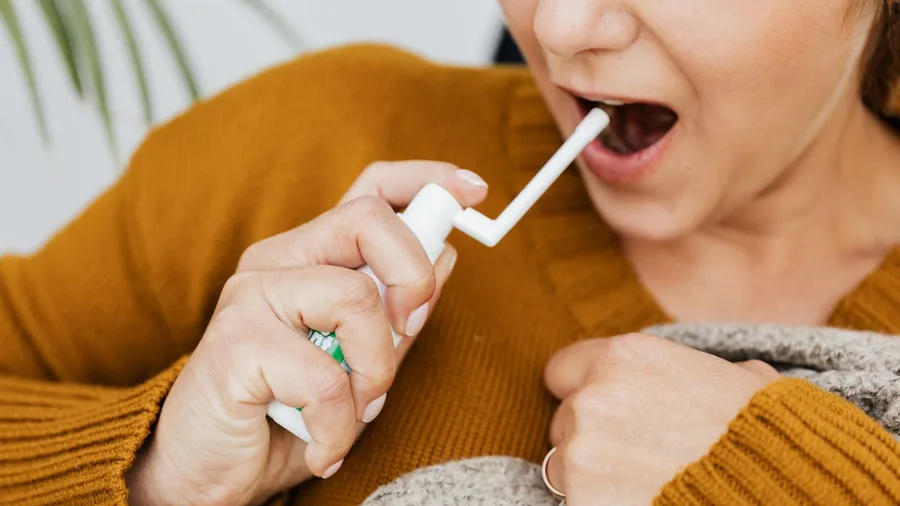
Mouth breathing severely compromises your oral health and can indirectly affect digestion.
A chronically dry mouth from open-mouth breathing drastically reduces your saliva production. Saliva is your body's essential, natural defense, washing away food particles and neutralizing acids that cause decay.
Less saliva means a significantly higher risk of cavities, gum disease, and persistent bad breath.
An unhealthy oral microbiome is far more than just a dental issue; it creates a breeding ground for harmful bacteria. These can travel from your mouth directly to the gut, disrupting your digestive balance.
This disruption can lead to issues like reflux or poor nutrient absorption.
Physiologists note that proper nasal breathing encourages better swallowing patterns and tongue function.
These subtle factors, over time, support healthy jaw alignment and the efficient production of digestive enzymes, both contributing to your overall health and how effectively your body extracts nutrition as you age.
Nightly Breathing Habits: Do vs. Don't
Encourage Nasal Breathing
- Breathe through your nose all day
- Sleep on your side or back with head elevated
- Keep bedroom humidified
- Practice daily breathing exercises
Worsen Mouth Breathing
- Sleep flat on your back
- Eat heavy meals before bed
- Ignore nasal congestion
- Rely on mouthwash alone for oral health
Practical Steps for Better Nasal Breathing
If you suspect you mouth breathe at night, several straightforward practices can help.
First, consider addressing any physical obstructions. An Ear, Nose, and Throat (ENT) specialist can rule out or fix issues like a deviated septum or enlarged turbinates.
These mechanical blocks often make nasal breathing feel difficult, making it impossible to establish good habits until the underlying issue is resolved. This is the first, often non-negotiable step.
Next, focus on conscious daytime practice. Keep your lips gently sealed throughout the day, with your tongue resting lightly against the roof of your mouth.
Each time you notice your mouth open, gently close it.
Humidifying your bedroom air can also make a significant difference. Dry air often irritates nasal passages, making mouth breathing feel like the easier option overnight. A cool-mist humidifier can improve comfort and nasal patency.
Many people also find relief with nasal dilators or simple saline rinses used just before bed.
🧘 Retraining Your Nightly Breath
Assess Nasal Patency
Ensure your nasal passages are clear before starting; use saline spray or see an ENT.
Daytime Awareness
Consciously breathe through your nose with lips sealed and tongue on palate during the day.
Tape Practice (Optional)
Consider using hypoallergenic mouth tape to gently keep lips closed at night, but start slowly.
Sleep Position Adjustment
Elevate your head slightly with pillows or sleep on your side to encourage nasal airflow.
Consistency Is Key
It takes weeks to months to retrain; stick with daily practice for lasting change.
Knowing When to Seek Professional Help

When your body sends strong signals, it's time to involve a doctor for your mouth breathing.
If you consistently wake up gasping for air, experience very loud snoring, or feel exhausted despite adequate sleep, these are red flags. This might point to sleep apnea, a condition where your breathing repeatedly stops and starts. It's serious because it disrupts oxygen flow and impacts cardiovascular health as we get older.
This condition won't resolve on its own.
Persistent nasal congestion that doesn't clear up with typical remedies warrants a doctor's visit. Allergies, nasal polyps, or a deviated septum can mechanically block nasal breathing, often making it impossible.
These issues require a professional diagnosis.
Beyond general health, a dental professional specializing in airway orthodontics offers another path. They assess structural issues in your jaw or the way your tongue rests, which contribute to mouth breathing. Options like custom oral appliances or myofunctional therapy – exercises to retrain oral and facial muscles – can strengthen support for natural nasal breathing. This is especially useful as facial tissues lose some tone with age.
Don't hesitate to seek their expertise if conscious effort hasn't brought improvements to your mouth breathing patterns.
First Steps for Professional Support
Frequently Asked Questions
Can mouth breathing really change my face shape?
Yes, over many years, chronic mouth breathing can lead to subtle changes. A low tongue posture, common with mouth breathing, can contribute to a narrower palate, a less defined jawline, and a more recessed chin. These changes happen gradually but can affect facial aesthetics as you age.
What happens to my teeth if I mouth breathe at night?
Mouth breathing dries out your mouth, reducing saliva's protective effects. This makes you more prone to cavities, gum inflammation (gingivitis), and even changes in your bite alignment over time. The lack of saliva also means a higher risk for bacterial overgrowth and bad breath.
Is mouth taping safe?
For most people with clear nasal passages, gentle mouth taping with hypoallergenic tape can be safe and effective. However, it is not for everyone. Always ensure you can breathe comfortably through your nose before trying it, and consult with a doctor if you have any respiratory issues or anxiety about it.
How long does it take to stop mouth breathing at night?
The timeline varies greatly depending on the individual and the underlying causes. For some, awareness and simple practices yield results in a few weeks. For others with structural issues or long-standing habits, it can take several months of consistent effort, possibly with professional guidance.
Can mouth breathing affect my energy levels during the day?
Absolutely. Mouth breathing often leads to poorer sleep quality and reduced oxygen saturation overnight. This translates to daytime fatigue, difficulty concentrating, and overall lower energy levels. Addressing mouth breathing can significantly improve your restorative sleep and energy.
Prioritizing Nasal Breathing for a Healthier You
If I had to pick one immediate action to start reversing the effects of nightly mouth breathing, it would be a simple, consistent daytime practice: consciously keep your lips sealed and your tongue on the roof of your mouth as much as possible.
This small, consistent effort builds the muscle memory for proper oral posture. It's the foundation for retraining your body for nasal breathing, which then sets the stage for better sleep, clearer thinking, and a healthier aging process. Small habits can lead to big payoffs over time.
Improve Your Breathing Today
Start with the easy steps in our 'Practical Steps for Better Nasal Breathing' section. Your future self will thank you.

Meet Edward Green, the founder of GolfingGoal and a seasoned expert in golf. With years of experience on the course and a passion for the sport, Edward has a wealth of knowledge to share. As our Lead Writer, he contributes articles, tutorials, and resources to help readers to improve their skills and reach their full potential on the golf course. Join Our Team!