

By understanding which common products might be working against your skin, you can protect its long-term resilience and vibrant appearance. Many people are diligent with their skincare, hoping to preserve a healthy, youthful look well into their 40s, 50s, and beyond.
Yet, some of the most widely used products in daily routines can inadvertently work against that very goal. What felt fine on younger skin can, after 40, begin to compromise the barrier, leading to increased dryness, sensitivity, and a loss of elasticity.
This continuous, low-grade damage can accelerate the appearance of fine lines and a duller complexion. Identifying these common culprits allows you to make informed choices that truly support your skin's health and slow the visible signs of aging.
Quick Tips Before You Start
Patch Test Always
Before using any new product, especially those with actives, test a small area on your jawline for 48 hours.
Read Ingredient Lists
Look for words like 'fragrance-free,' 'sulfate-free,' and 'alcohol-free' on product labels.
Sunscreen is Key
Even the gentlest routine won't protect you without daily, broad-spectrum SPF 30+ sunscreen.
Be Patient
Skin changes take time; give new routines at least 4-6 weeks to show their full effect.
1. Foaming Cleansers Strip Natural Oils
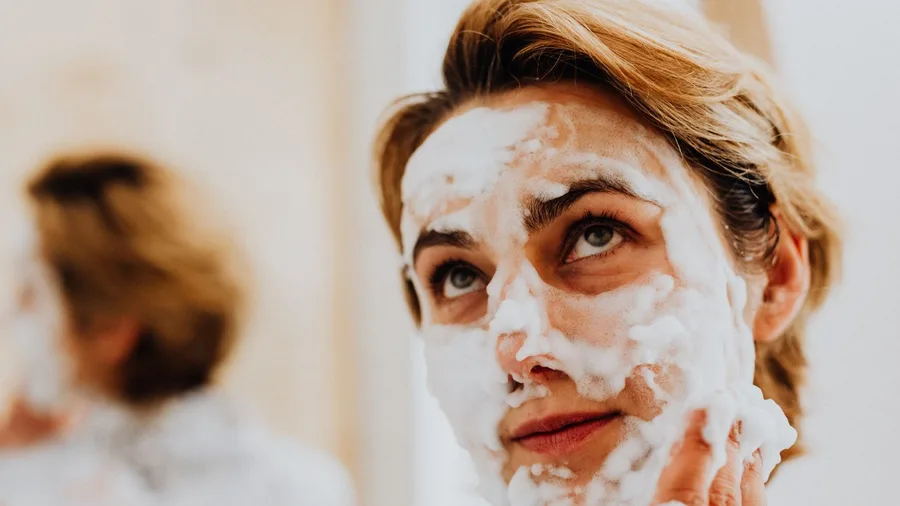
Many foaming cleansers feel wonderfully clean, but that squeaky-clean sensation often comes at a cost for your skin over time.
These formulas frequently strip away the skin's beneficial natural oils, which are essential for its protective lipid barrier. Think of this barrier as your skin's first line of defense against environmental stressors and moisture loss.
When this lipid barrier is disrupted, moisture escapes more readily. For skin in its 40s, 50s, and beyond, this constant dehydration can make fine lines appear more pronounced and visibly reduce long-term elasticity.
Common ingredients that cause this stripping effect are sulfates, such as Sodium Lauryl Sulfate (SLS) and Sodium Laureth Sulfate (SLES), often found high on product labels.
Instead, look for gentle, hydrating alternatives like cream, oil, or gel cleansers that are non-foaming. These maintain your skin's natural balance, helping its barrier stay strong and resilient.
⚠️ COMMON MISTAKE
Don't Ignore Your Skin Barrier
Many people focus only on active ingredients, forgetting that a compromised skin barrier is the root cause of dryness, sensitivity, and premature aging. Think of it as your skin's first line of defense; if it's broken, nothing else works as well.
2. Physical Scrubs Cause Micro-Tears
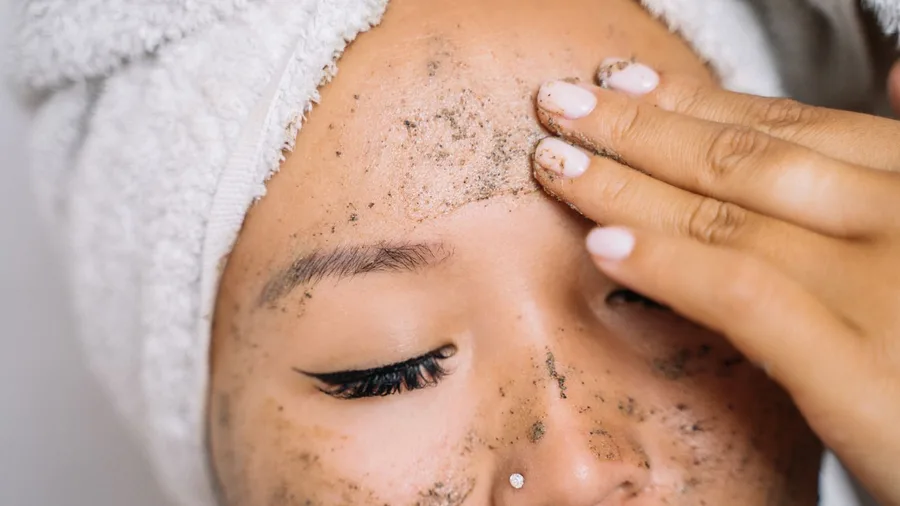
Just as stripping cleansers can compromise your skin, aggressive physical exfoliation can inflict its own type of damage.
Many popular physical scrubs or stiff brushes create tiny, unseen micro-tears across the skin's surface. These aren't deep cuts, but repeated microscopic injuries.
Rough particles, such as crushed nuts or apricot pits, or overly stiff bristles, literally scratch away at your skin. This physical trauma weakens the skin's protective barrier over time.
This constant irritation often triggers inflammation and redness, which in turn can disrupt collagen production. For skin over 40, where natural collagen starts to decline, any further impairment visibly reduces elasticity and speeds up the look of aging.
Consider gentle chemical exfoliants like AHAs (alpha hydroxy acids) or BHAs (beta hydroxy acids), which dissolve dead skin cells without scrubbing. If you prefer a physical touch, look for very fine, perfectly spherical particles that polish rather than abrade, protecting your skin barrier and long-term elasticity.
Skin Aging Terminology
3. Alcohol-Based Toners Dehydrate Skin

Once you have removed impurities and exfoliated, the next step for many is toner – but some formulas can introduce another type of stress to your skin.
Toners that list alcohol high on their ingredient list are designed to give a tight, fresh feeling. Unfortunately, this often signals that they are excessively drying out the skin by stripping away its natural moisture.
Alcohol denatures the skin's proteins and directly compromises its protective barrier. This means immediate, significant moisture loss, leaving your skin vulnerable and less resilient.
For skin past 40, this consistent dehydration shows up as reduced elasticity, a duller complexion, and an increase in visible fine lines. It can also heighten sensitivity, making your skin react more easily to other products.
Instead, seek out alcohol-free toners or hydrating essences. Products rich in humectants like hyaluronic acid or glycerin draw moisture into the skin, supporting its barrier and helping to preserve that supple, resilient feel.
🌱 Transitioning to Gentler Skincare
Audit Your Routine
Identify any products on this list you currently use daily.
Research Alternatives
Find fragrance-free, sulfate-free, and alcohol-free versions of your cleansers and toners.
Introduce One by One
Swap out one product at a time over several weeks to monitor skin's reaction.
Observe & Adjust
Note changes in hydration, redness, and overall comfort; adjust as needed.
Commit to Patience
Visible improvements in skin elasticity and tone can take 4-6 weeks to manifest.
4. Fragrances Trigger Irritation and Inflammation

The scent in your skincare might be a silent agitator.
Just as alcohol can dehydrate skin, fragrances often introduce a different kind of stress: chronic irritation and inflammation, which become more impactful as skin matures. Many facial products contain synthetic fragrance compounds designed to make the product smell appealing.
These compounds can trigger allergic reactions or sensitize skin over time, even if you do not notice an immediate rash.
Studies show that consistent exposure to irritants damages skin cells, accelerating the breakdown of collagen and elastin – the proteins that keep skin firm and supple. For skin after 40, which already produces less collagen, this chronic damage reduces long-term elasticity and makes fine lines more apparent.
Even some natural essential oils, often perceived as benign, can be potent skin sensitizers.
Look for "fragrance-free" on labels.
Choosing products with minimal, naturally derived scents or no scent at all helps shield your skin barrier from this ongoing, low-grade irritation.
Fragrance Effect: Before & After
5. Over-Drying Acne Formulas Inflame Skin
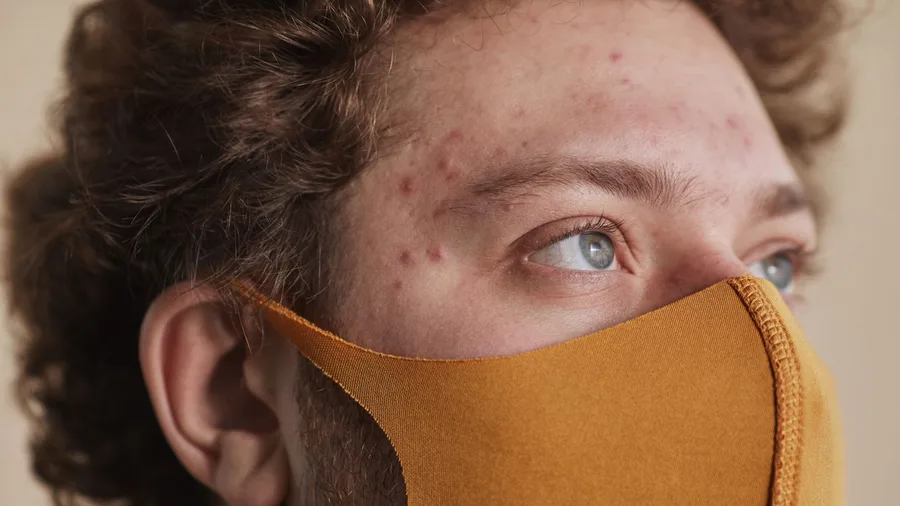
Your acne medicine might be creating new problems.
Similar to the irritation caused by some fragrances, the overuse of strong acne treatments can ignite significant inflammation and dryness, which challenges the resilience of mature skin. Products with high concentrations of active ingredients like benzoyl peroxide or salicylic acid are designed to clear blemishes.
However, when used too often or in too high a percentage, these formulas strip the skin's natural oils.
This disruption compromises the lipid barrier, leading to excessive dryness and a cycle of inflammation. Dermatologists often observe that inflamed skin recovers slower, and for those over 50, this continuous irritation damages skin cells and accelerates the breakdown of collagen, directly impacting the skin's long-term elasticity and creating a duller complexion.
Consider targeted spot treatments instead of full-face applications for everyday blemishes.
Lower concentrations often work just as well.
Many skin professionals recommend starting with 0.5% or 1% salicylic acid, or 2.5% benzoyl peroxide, moving up only if necessary.
Gentler formulations or consulting a dermatologist for a tailored approach can manage acne without compromising your skin's protective barrier or accelerating the visible signs of aging.
Managing Adult Acne Without Aging Your Skin
What to Do
- Use spot treatments on active breakouts only, for 2-3 days.
- Choose wash-off cleansers with 0.5-1% salicylic acid, not leave-on treatments.
- Add barrier-supporting serums (e.g., niacinamide, ceramides) twice daily.
- See a dermatologist if no change after 6-8 weeks of consistent, gentle care.
What to Avoid
- Daily use of >2.5% benzoyl peroxide creams over large areas.
- Astringent toners or harsh scrubs that damage the skin's moisture barrier.
- Forceful picking or squeezing, which worsens inflammation and scarring.
- Skipping moisturizer, even for oily skin, which invites more breakouts.
6. Makeup Wipes Require Rubbing
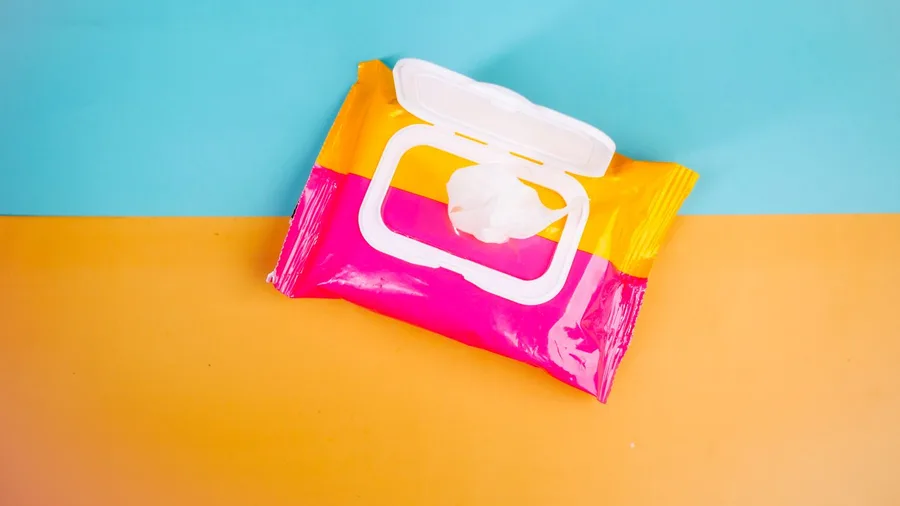
Makeup wipes are often a double-edged sword.
Moving from targeted treatments to makeup removal, many facial wipes combine harsh chemicals with the necessity of physical tugging, posing another threat to the skin's health and longevity. These wipes are convenient, but the convenience comes at a cost for your skin barrier.
They frequently contain strong surfactants like Poloxamer 184, alcohol, and preservatives that can irritate delicate facial skin.
More critically, removing makeup effectively with a wipe often requires rubbing and pulling, especially around the eyes where skin is thinnest and most prone to showing fine lines and wrinkles first. This repeated physical trauma contributes to collagen degradation.
Skin after 40 naturally loses elasticity, making it less forgiving of constant friction.
Treat your skin gently.
Alternatives like micellar water, oil cleansers, or cleansing balms followed by a soft cloth and a second gentle cleanse can dissolve makeup without the harsh chemicals or physical aggression, protecting your skin barrier and preserving its long-term elasticity.
7. Pore Strips Trauma Skin
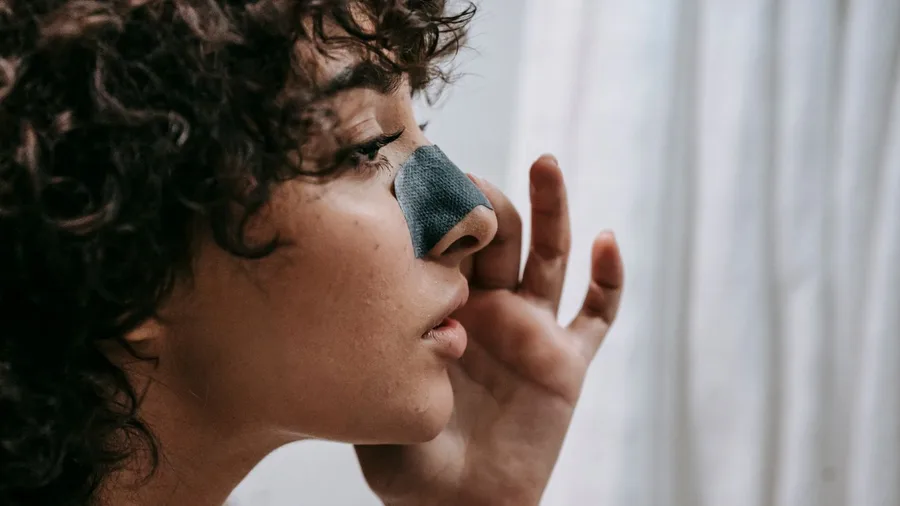
Pore strips and many peel-off masks feel satisfying in the moment, but their aggressive removal can inflict significant physical trauma on your skin.
That satisfying rip often pulls away more than just blackheads; it forcibly removes healthy skin cells, natural oils, and even tiny vellus hairs that contribute to your skin's overall integrity.
This blunt force can trigger visible inflammation and lingering redness, especially as skin becomes thinner and more reactive with age.
Over time, consistent physical tugging can weaken delicate capillaries and compromise your skin barrier, reducing its inherent ability to snap back and contributing to a noticeable loss of elasticity.
For clear pores without such trauma, consider gentler alternatives like a weekly clay mask, which draws out impurities without stripping, or a BHA (beta-hydroxy acid) serum, used a few nights a week, to dissolve oil within the pore lining.
These support skin health without the rip.
Frequently Asked Questions
How quickly do these products age skin?
The effects are cumulative and gradual. Chronic irritation and barrier damage from these products build up over months and years, leading to visible signs of aging appearing sooner than they might otherwise.
Can I reverse the damage?
While you can't entirely 'reverse' years of damage, switching to a gentler routine will allow your skin to begin repairing itself. Many people see improvements in hydration, elasticity, and tone within 4-8 weeks of consistent use.
Are natural fragrances safer?
Not always. Certain natural essential oils can still be potent allergens and irritants for sensitive skin, triggering the same inflammatory response as synthetic fragrances. Always patch test and prioritize truly fragrance-free formulations.
What's the single most important swap I can make?
Replacing harsh foaming cleansers with a gentle, hydrating cream or oil-based cleanser is often the most impactful first step. It protects your skin's barrier, which is foundational to anti-aging efforts.
Should I avoid all active ingredients then?
Absolutely not. Actives like retinoids, vitamin C, and specific acids are powerful anti-aging tools. The key is to use them in appropriate concentrations, at the right frequency, and always supported by a strong, healthy skin barrier.
Proactive Product Swaps for Lasting Skin Resilience
Many common products in your daily routine, despite promising benefits, inadvertently harm your skin's long-term health and accelerate aging. Consistent barrier damage is the silent culprit.
Prioritize gentle, barrier-supporting skincare: opt for fragrance-free, alcohol-free, and non-foaming options. Chemical exfoliation is often kinder than harsh physical scrubs, especially for skin over 40.
Making these informed swaps empowers you to build and maintain your skin's natural resilience. Your daily routine holds the power to protect that vibrant, supple appearance for years.
Review Your Routine Today
Check your current products against this list. Small changes make a big difference in how your skin looks and feels for years to come.

Meet Edward Green, the founder of GolfingGoal and a seasoned expert in golf. With years of experience on the course and a passion for the sport, Edward has a wealth of knowledge to share. As our Lead Writer, he contributes articles, tutorials, and resources to help readers to improve their skills and reach their full potential on the golf course. Join Our Team!