
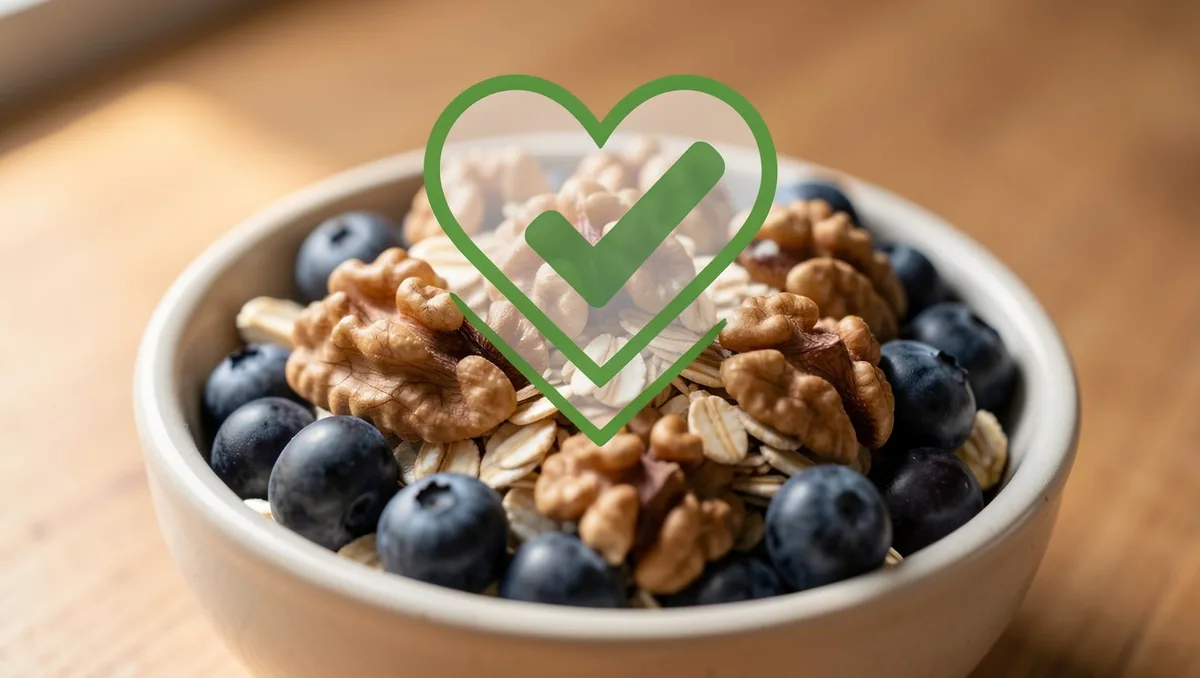
You stare at the blood pressure cuff at your annual checkup, watching the numbers creep higher than they did in your 40s. Your immediate instinct is to banish the salt shaker and buy bland, flavorless crackers.
But leading heart health practitioners suggest that merely cutting sodium misses the bigger picture of arterial aging. Adding specific protective nutrients to your diet does far more to defend aging blood vessels than strict deprivation.
Heart Protection At a Glance
1. Freshly Ground Flaxseeds
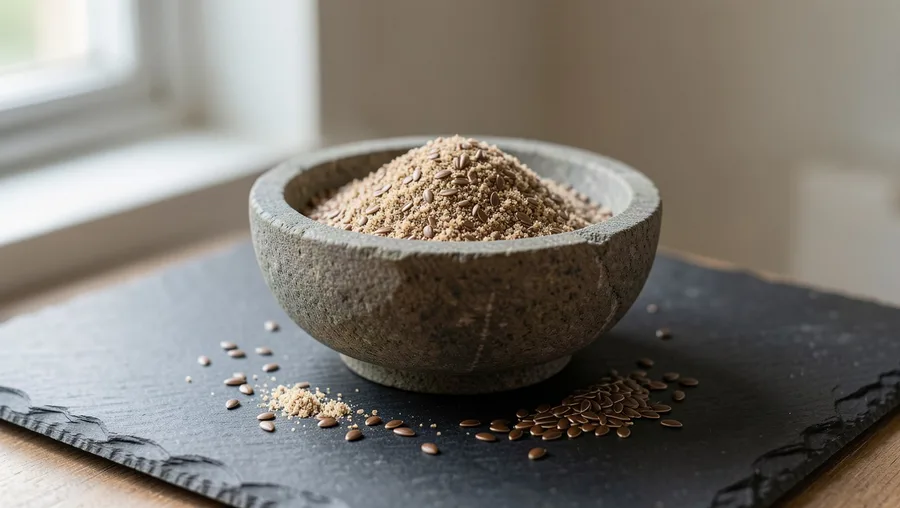
Research on adults over 50 keeps landing in the same place regarding these tiny seeds. They contain high concentrations of alpha-linolenic acid, a plant-based omega-3 fatty acid.
When your blood vessels age, they naturally lose their elasticity and stiffen. The compounds in flaxseeds help soothe vascular inflammation, allowing your arteries to dilate more naturally.
Buy them whole and grind them in a small coffee grinder weekly. Stir two tablespoons into your morning oatmeal or plain Greek yogurt daily.
💡 PRO TIP
Grind Fresh for Potency
Whole flaxseeds pass right through your digestive tract completely undigested. Always grind them fresh and store the container in your freezer to protect the delicate oils from oxidizing.
2. Cold-Water Wild Salmon
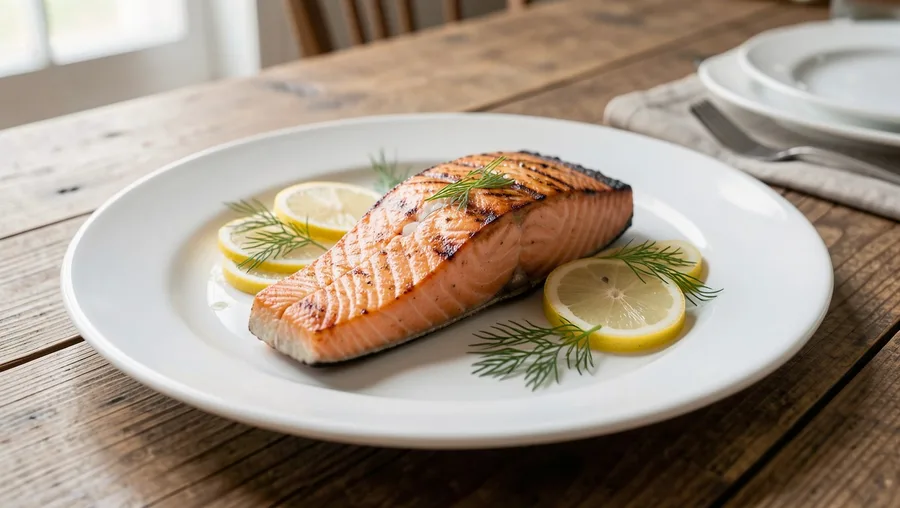
Every practitioner who treats cardiovascular aging agrees on the protective power of oily fish. Wild-caught salmon delivers a massive dose of active EPA and DHA fatty acids.
After 50, your liver produces fewer transport proteins that manage fats in your bloodstream. The specific fats in salmon help clear triglycerides and stabilize the electrical rhythm of your heart muscle.
Aim for two six-ounce servings each week. Bake it at 400 degrees Fahrenheit with lemon slices and fresh dill rather than frying it in heavy butter.
Top Heart Habits Ranked
3. Extra Virgin Olive Oil
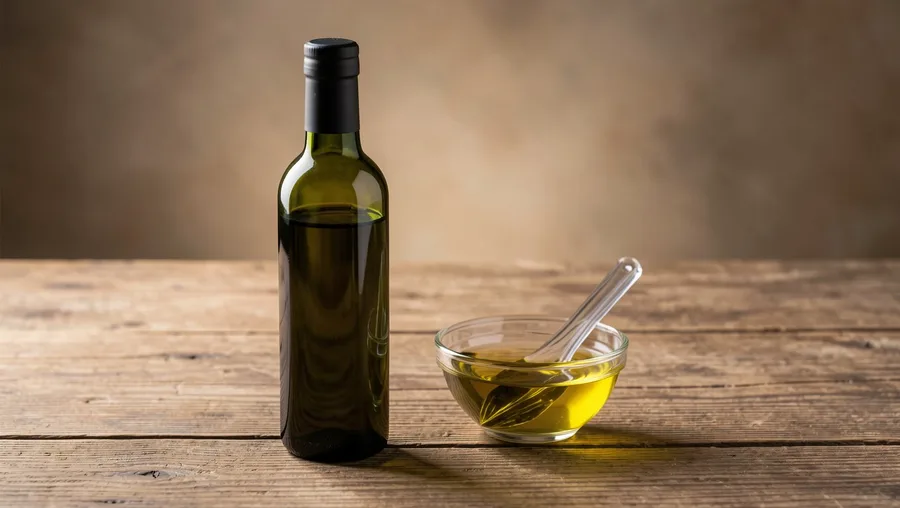
Ask a cardiologist about everyday cooking oils and you will hear a consistent message. True extra virgin olive oil is loaded with oleic acid and active polyphenols.
These plant compounds directly improve endothelial function, which is the inner lining of your blood vessels. This lining controls how well your arteries relax and contract throughout the day.
Keep a bottle of cold-pressed oil in a dark pantry to protect it from light damage. Drizzle a tablespoon over warm vegetables right before serving to keep the polyphenols intact.
Cooking Oil Selection
Extra Virgin Olive Oil
- Rich in protective polyphenols
- Maintains arterial wall health
- High in stable monounsaturated fats
Refined Seed Oils
- Highly processed using chemical solvents
- Prone to inflammatory oxidation
- Lacks active antioxidant compounds
4. Raw English Walnuts
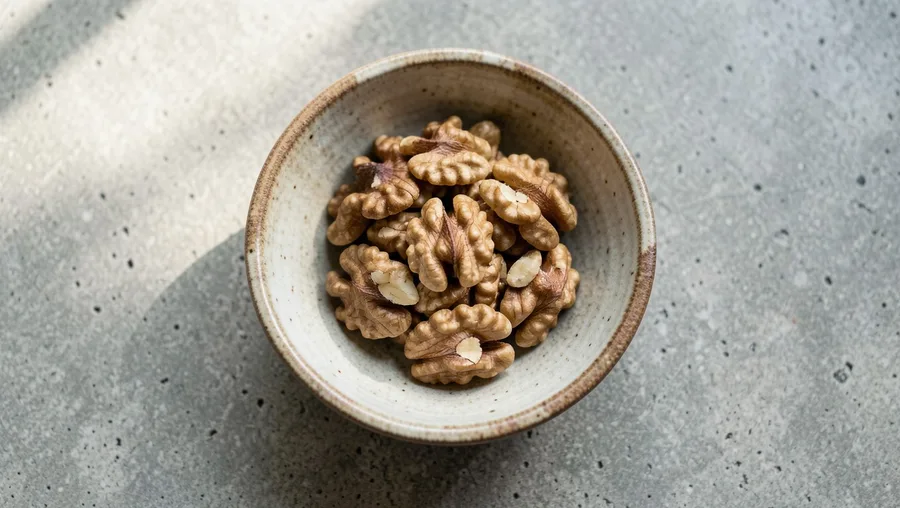
You need a simple snack that actively works on your cholesterol profile without sacrificing flavor. Walnuts contain a unique mix of polyunsaturated fats and plant sterols.
As we age, our LDL cholesterol particles can become oxidized, making them much more likely to stick to arterial walls. The antioxidants in walnuts help prevent this specific chemical breakdown.
Eat a single ounce daily, which equals about seven whole walnuts. Avoid the roasted, salted varieties and stick strictly to raw, un-shelled options for maximum benefit.
💡 Tip: Store your raw walnuts in the refrigerator if you do not plan to eat them within two weeks. Their high oil content causes them to spoil quickly at room temperature.
Walnuts — At a Glance
⏱️ Daily Serving
1 ounce (7 nuts)
📅 Vessel Benefits
Improves elasticity
🛡️ Key Nutrient
Plant sterols
⚠️ Avoid If
Roasted in seed oils
Vessel Action
Protects circulating blood lipids from oxidative damage.
5. Fresh Crushed Garlic
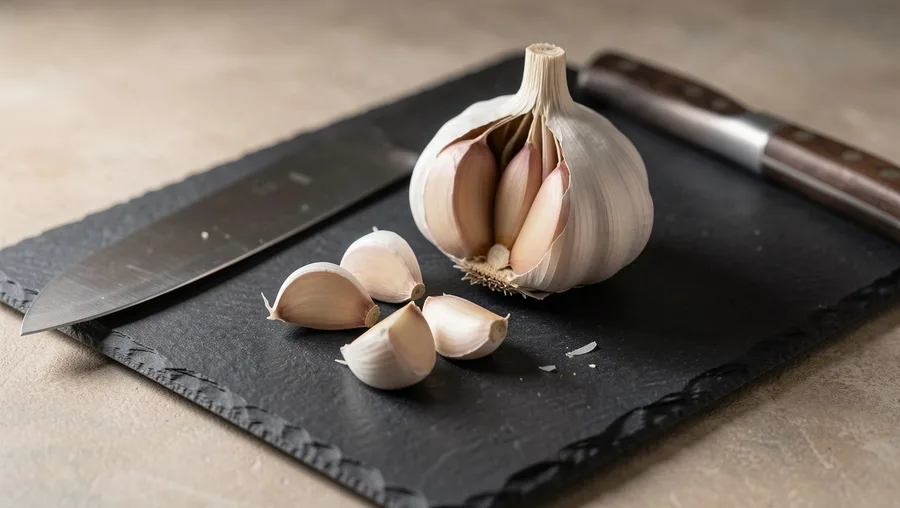
This aromatic root does far more than add depth to your favorite pasta sauces. Garlic contains allicin, a sulfur compound that actively relaxes vascular smooth muscle.
When you crush or chop garlic, a chemical reaction activates this protective compound. It works by gently blocking the pathways that cause blood vessels to constrict and tighten up.
Let your chopped garlic sit on the cutting board for ten full minutes before cooking it. This short pause allows the allicin levels to reach their peak stability before meeting heat.
Allowing chopped garlic to rest for ten minutes before cooking preserves the enzymes required to create heart-protecting sulfur compounds.
— What clinical nutritionists consistently teach
Fast Vascular Realities
6. Whole Ripe Avocados
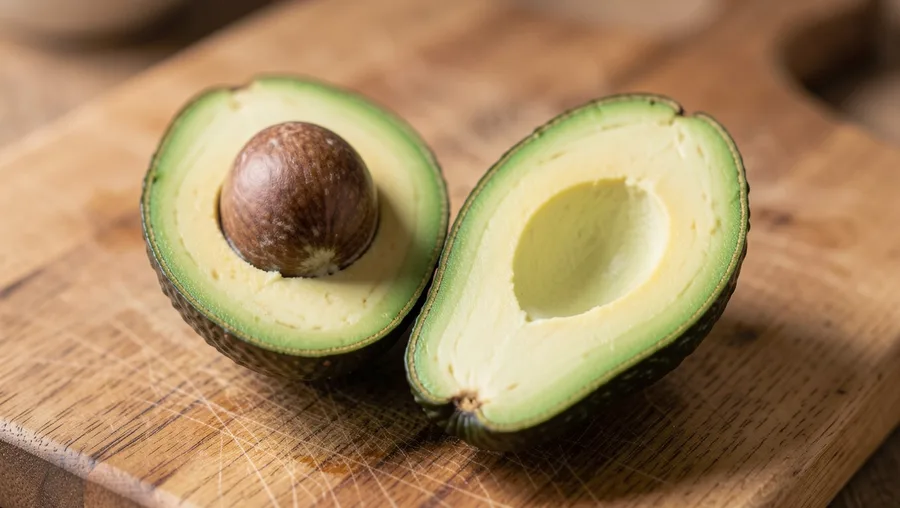
Many people over 50 avoid fats entirely out of an outdated fear of calories. But your cardiovascular system requires high-quality monounsaturated fats to build resilient cell membranes.
Avocados are packed with these healthy fats along with a substantial dose of natural potassium. Potassium works directly against sodium to help manage fluid pressures inside your bloodstream.
Replace your morning buttered toast with half a mashed avocado seasoned with black pepper. Use fresh lemon juice to keep the leftovers from browning in the fridge.
Sorting Dietary Fats
- Monounsaturated Fats (Avocados, EVOO) — Supports the structure of your blood vessel walls safely.
- Traditional Saturated Fats (Butter, Red Meat) — Enjoy in moderation to keep circulating LDL levels steady.
- Industrial Trans Fats (Fried Foods, Margarine) — Actively damages the delicate lining of your arteries.
📅 Your Daily Heart Protocol
7:30 AM
Stir two tablespoons of ground flaxseeds into warm oats.
12:30 PM
Drizzle extra virgin olive oil over your lunch greens.
3:30 PM
Eat a small handful of raw walnuts instead of processed crackers.
6:30 PM
Prepare dinner using fresh garlic that has rested after chopping.
7. Simmered Brown Lentils
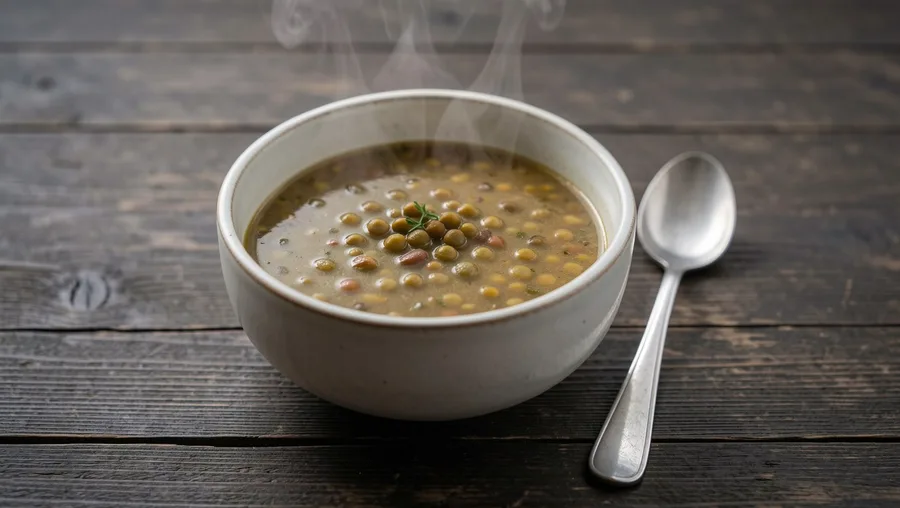
If you want to support your arteries, look closely at your daily intake of soluble fiber. Lentils are one of the most efficient plant sources of this critical compound.
Soluble fiber turns into a gel-like substance during digestion, trapping cholesterol-heavy bile acids in your gut. Your body is then forced to pull circulating cholesterol out of your blood to replace them.
Cook a batch of brown or green lentils in low-sodium vegetable broth for 25 minutes. Swap them into recipes where you would normally use ground beef.
⚠️ COMMON MISTAKE
Canned Sodium Pitfalls
Many people buy canned lentils and beans for convenience but forget to rinse them. Rinsing canned legumes under cold tap water for 30 seconds removes up to 40 percent of the processing sodium.
Avoid These Heart Food Errors
Final Thoughts
Pick just one food from this list to focus on this week, such as adding ground flaxseeds to your breakfast. Consistently adding these protective elements to your routine builds long-term arterial strength that goes far beyond simply removing salt from your meals.

Meet Edward Green, the founder of GolfingGoal and a seasoned expert in golf. With years of experience on the course and a passion for the sport, Edward has a wealth of knowledge to share. As our Lead Writer, he contributes articles, tutorials, and resources to help readers to improve their skills and reach their full potential on the golf course. Join Our Team!