

Rebuilding deep concentration takes months of steady habit design, yet an unmanaged routine can collapse your working memory in under two hours without you noticing.
Most people blame chronic midday fog and scattered attention on weak willpower, massive workloads, or sudden burnout. The real drain is far quieter: small, unexamined behavioral micro-leaks tucked into standard desk setups, sensory habits, and daily physical routines.
Plugging eight specific friction points protects your limited cognitive ceiling without demanding a complete lifestyle overhaul. Pinpoint your single worst attentional leak today, set one firm behavioral boundary for the next 48 hours, and reclaim the mental stamina you lose to everyday background noise.
Quick Tips Before You Start
Enforce Tab Ceilings
Keep no more than three active browser tabs visible on your primary workspace screen.
Drop The Lyrics
Swap vocal playlists for ambient soundscapes, classical arrangements, or steady white noise.
Catch Early Light
Step outdoors for ten minutes of natural sunlight within one hour of waking.
Set Caffeine Cutoffs
Stop all caffeine intake at least eight full hours before your target bedtime.
Theme: Digital and Sensory Disruption
Digital tools are engineered to hold attention, but open interfaces continuously fragment mental bandwidth.
Sensory inputs in your immediate environment compete for working memory, even when you believe you are ignoring them. The first step toward protecting focus is cleaning up active screens and background audio.
1. Visible Open Tabs Drain Working Memory Capacity
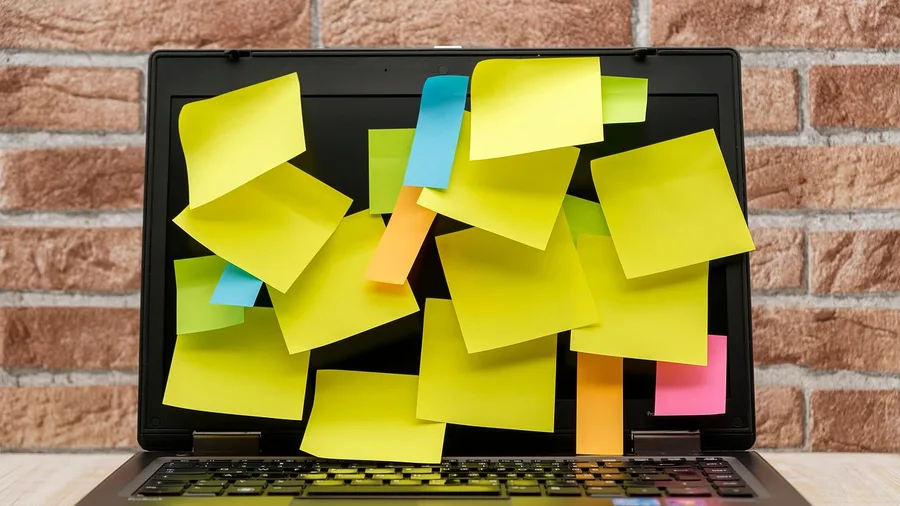
Twenty-seven open tabs sit squeezed into tiny slivers across your monitor.
You sit down to draft a routine project summary, but the screen perimeter is already buzzing. There is an unread policy document, an abandoned spreadsheet from Tuesday, three articles you meant to skim, and an open flight search. Even without clicking them, your visual field registers those cues, forcing your brain into passive background monitoring of unfinished work.
Every visible icon operates as an open loop, quietly competing for the finite working memory you need for the document in front of you.
A desktop crowded with competing tabs forces the visual cortex into continuous low-grade sensory scanning. You might believe you are ignoring the clutter, but your attentional networks still spend energy filtering out those distractions. The direct result is slower reading comprehension, sluggish drafting speed, and reduced retention on whatever you are trying to write.
Willpower cannot fix an overloaded visual environment.
The real solution is purely structural. Enforce a strict three-tab ceiling during demanding analytical blocks, or install a one-click extension that collapses all background windows into a single reading list. Eliminating that visual competition immediately restores working memory, allowing you to settle into a complex task without fighting the clutter on your own display.
💡 Tip: Use a single-click tab grouping shortcut to hide secondary windows during deep work sessions.
The True Cost of Open Browser Tabs
2. Checking Inbound Messages Creates Costly Attentional Residue
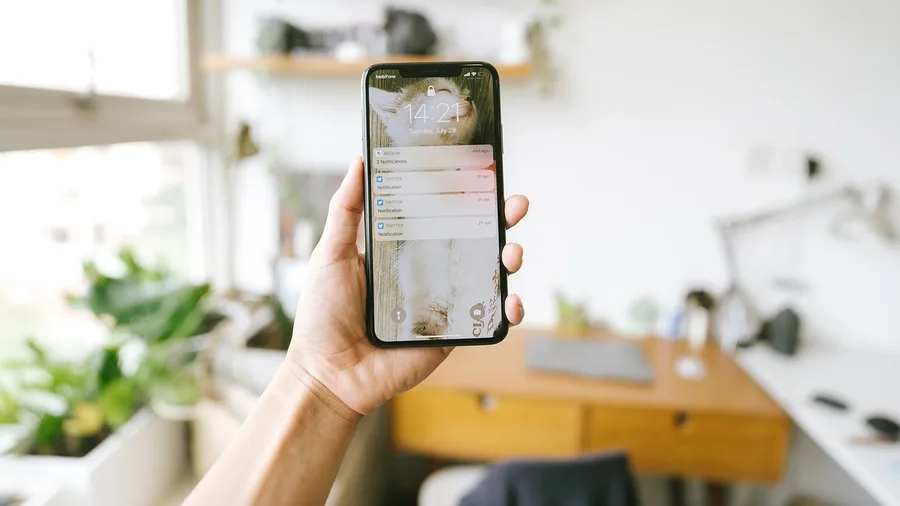
A five-second glance at an incoming chat ping feels completely harmless.
Most people assume a quick reply takes only the time spent typing, but your attention does not snap back cleanly. When you toggle away from complex data analysis to read a team update, a portion of your cognitive capacity remains snagged on that secondary thread. This attentional residue creates a fifteen-minute ramp-up penalty before your brain returns to deep immersion.
Red notification badges exploit variable reinforcement schedules, conditioning you to anticipate unpredictable information and check your inbox compulsively. The impulse to look feels urgent, yet it continuously fragments your analytical flow.
Shielding your focus requires batching rather than constant triage. Restrict message reviews to two designated windows – such as thirty minutes in the mid-morning and another block in late afternoon. Confining communication to scheduled intervals protects your core work blocks, allowing you to solve difficult problems without paying a continuous cognitive penalty.
⚠️ COMMON MISTAKE
The Quick Peek Illusion
Opening a team chat or email client just to see what arrived leaves cognitive residue that degrades your problem-solving depth for up to twenty minutes.
3. Lyrical Music Competes Directly with Verbal Processing

The easiest mistake is assuming a high-energy playlist with familiar vocals will help you power through a demanding drafting session.
Your working memory relies on a phonological loop to process both the internal sentences you construct and the external language you hear. When you try to write a complex proposal while listening to pop or hip-hop, the language cortex is forced to filter out the singer's words. That continuous subconscious friction slows drafting speed and noticeably increases basic syntax errors.
Spoken or sung words directly jam your internal speech.
Analytical problem-solving and reading comprehension demand an uncluttered verbal channel. If you need acoustic separation from a noisy room, swap lyrical tracks for continuous non-vocal audio, classical pieces, ambient drones, or 40 Hz binaural tracks. Clean acoustic texture maintains your alertness without overloading the phonological loop, leaving your internal voice completely free to write.
💡 Tip: Stick to continuous steady drone tracks without sudden dynamic shifts to avoid triggering startle reflexes.
Workplace Audio Selection
Deep Verbal Tasks
- Non-vocal ambient drones and soundscapes
- Classical piano or acoustic instrumentals
- Steady brown noise or rain textures
- Monotonic synth arrangements without abrupt shifts
Avoid During Writing
- Pop, hip-hop, or vocal-heavy tracks
- Podcasts and conversational talk radio
- Songs with prominent, catchy hooks
- Dynamic audio with sudden tempo changes
4. Scrolling During Rest Deprives the Brain of Recovery

You push away from the desk, pick up your phone, and spend your ten-minute break scanning social feeds or reading breaking news. That stream of rapid visual input keeps your attention working overtime, preventing the default mode network from consolidating ideas and resting your prefrontal cortex.
The brain receives zero actual recovery.
Checking a quick logistics text is entirely fine, but true cognitive restoration requires stepping away from screens altogether. Taking five minutes to look out a window at distant horizons or walking slowly down the hall drops incoming sensory load and gives your working memory the clean break it actually needs.
🌿 The Five-Minute True Rest Protocol
Screen Lockout
Close all computer windows and leave your phone face down on the desk.
Horizon Gaze
Look out a window toward distant objects for two full minutes to relax ciliary eye muscles.
Physical Movement
Walk a loop around your room or hallway to restore blood circulation without consuming media.
Mind Wandering
Allow your thoughts to drift freely without attempting to solve current project problems.
Theme: Environmental and Physiological Traps
Mental focus does not operate in isolation from your physical body and surroundings.
The chair you sit in, the angle of morning light entering your eyes, and the timing of your daily coffee shape your baseline attention span long before you sit down to work.
5. Working in Relaxation Zones Erodes Environmental Cues

Research into behavioral conditioning shows that physical spaces serve as subconscious cues for either high arousal or deep relaxation.
Bringing analytical tasks into your rest areas blurs both boundaries. Using a laptop under the duvet trains your nervous system to link the mattress with professional stress, leaving you sluggish during afternoon work blocks and restless when you try to sleep at night.
In compact living quarters, setting aside one specific chair exclusively for professional duties preserves those environmental triggers and keeps your downtime genuinely restful.
💡 Tip: Pack your work laptop away inside a drawer at the end of the day if working in a studio apartment.
Workspace Environmental Anchors
🪑 Posture Cue
Upright Task Chair
💡 Lighting Cue
Dedicated Task Lamp
🛋️ Off-Limits
Bed and Living Sofa
🎯 Primary Signal
High Cognitive Arousal
Context Rule
Never mix recreational entertainment and deep analytical work in the exact same physical seating spot.
6. Delaying Morning Sunlight Stalls Circadian Alertness Cycles

Most people assume morning grogginess is fixed by drinking a stronger roast before opening an inbox. In reality, chemical stimulation cannot replace the biological trigger that governs your daily rhythm.
Specialized retinal cells need direct morning light to signal the brain's central clock, triggering the natural cortisol pulse that clears lingering sleep pressure. Staying in dim indoor lighting below 500 lux for the first two hours after waking delays that alertness spike and stretches mental sluggishness well into the workday.
Over several weeks, this timing lag exacts a heavy toll.
You sit at your desk at nine with a complex brief, but your physiology is still operating on a delayed night schedule. You find yourself reading the same paragraph four times, losing track of basic data points, and fighting an uphill battle against mental drag that another espresso never quite fixes.
Stepping outside for ten to thirty minutes within an hour of waking gives your system the exact physical cue required to reset the 24-hour clock and sharpen attention.
On overcast winter mornings, sitting sixteen inches from a 10,000-lux light box for twenty minutes while reviewing your daily plan delivers the exact same benefit. The trade-off is simple: spend twenty minutes gathering bright light early, or spend the entire morning struggling to concentrate on basic tasks.
Morning Light Protocol Impact
7. Rapid Task-Switching Conditions Your Brain Toward Restlessness

Constant task-hopping extracts a heavy cognitive tax while disguising itself as agile, high-speed productivity.
Darting between an open inbox, an unfinished report, and an administrative form creates a false sense of momentum while multiplying errors. Every quick switch trains your attention to abandon difficult work the moment friction appears, conditioning the brain to crave easy novelty instead of tolerating the discomfort of deep, sustained effort.
Committing to an implementation intention – holding attention on a single priority for an unbroken 45-minute block before opening secondary tasks – systematically rebuilds that lost cognitive endurance.
🌱 GROWING TIP
The 45-Minute Anchor
Set a visible physical timer for 45 minutes. Treat that single window as an unbroken contract with one document, allowing zero secondary windows until the chime sounds.
8. Relying on Late Caffeine Disrupts Deep Restorative Sleep
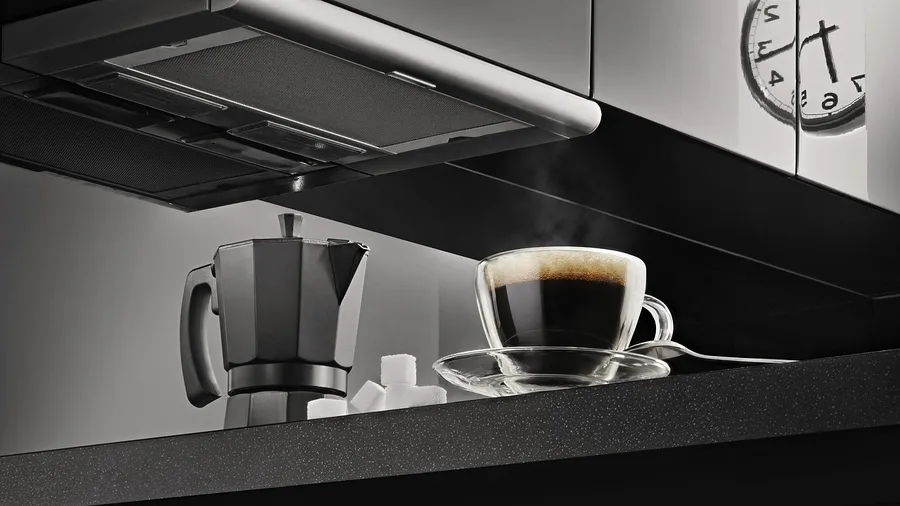
"I can drink a double espresso at 4:00 PM and fall right asleep" is a familiar rationalization, but losing consciousness on schedule does not mean your brain is experiencing genuine, restorative rest.
The stimulant lingers in your bloodstream long after the subjective energetic kick has faded away. With an elimination half-life of five to seven hours and a quarter-life stretching up to twelve, it keeps adenosine receptors occupied well past midnight. That persistent chemical block quietly blunts stages three and four of deep, slow-wave sleep without ever triggering a conscious awakening.
Sedation merely mimics true restorative sleep.
This invisible disruption to your sleep architecture directly degrades executive function, leaving working memory depleted and attention fragmented the following morning. Establishing a strict caffeine cutoff window eight to ten hours before bedtime defends those critical slow-wave cycles, protecting the baseline mental stamina needed to sustain deep concentration throughout the next working day.
💡 Tip: Swap your afternoon espresso for iced sparkling water with lemon or caffeine-free herbal rooibos tea.
Frequently Asked Questions
How long does it take to rebuild focus after adopting these habits?
Most people notice improved mental clarity within three to four days of cutting screen clutter and fixing break mechanics. Biological adjustments like morning sunlight exposure and caffeine cutoffs show full neurological benefits within two weeks.
Can listening to instrumental music really improve concentration?
Yes, steady non-vocal audio such as ambient drones, classical arrangements, or white noise helps mask sudden background office sounds without competing with internal verbal processing.
Why does working from the couch make me feel sluggish?
Your brain associates comfortable lounge furniture with relaxation and lower arousal states. Working in relaxation zones creates conflicting environmental cues, causing daytime sleepiness and evening restlessness.
What should I do during a work break instead of checking my phone?
Engage in genuine sensory rest: look out a window toward distant horizons, take a gentle walk down the hall, stretch your neck and shoulders, or hydrate without looking at any digital screen.
Does a quick 10-second glance at an email really hurt productivity?
Yes. Even a brief scan leaves attentional residue, keeping part of your working memory occupied with the message content and delaying full focus recovery for ten to fifteen minutes.
The 48-Hour Single-Habit Focus Audit
Trying to overhaul all eight routines by tomorrow morning creates immediate cognitive strain and guarantees quick abandonment.
Run a 48-hour single-habit audit instead. Pick the single most pervasive leak from this list – whether clearing interface clutter, changing how you take breaks, or setting a caffeine cutoff – and eliminate only that behavior for two full days. Focus is never an act of brute willpower; it is the baseline that emerges when hidden daily friction is removed. Plugging one leak instantly frees working memory, giving you the mental stamina to dismantle the rest.
Audit Your Work Environment Today
Review the tab ceiling and workspace zone rules above, then apply one simple adjustment to your desk before your next work block.

Meet Edward Green, the founder of GolfingGoal and a seasoned expert in golf. With years of experience on the course and a passion for the sport, Edward has a wealth of knowledge to share. As our Lead Writer, he contributes articles, tutorials, and resources to help readers to improve their skills and reach their full potential on the golf course. Join Our Team!