
At some point after 50, a lot of men start asking the same question. Usually quietly. Usually in the doctor’s office, with a little hesitation.
Is my testosterone falling? Is that why I’m tired, softer around the middle, less interested in sex? And the follow-up, asked even more quietly: is there anything to do about it?
Doctors hear these questions every day. Here’s what they say, in plain language.
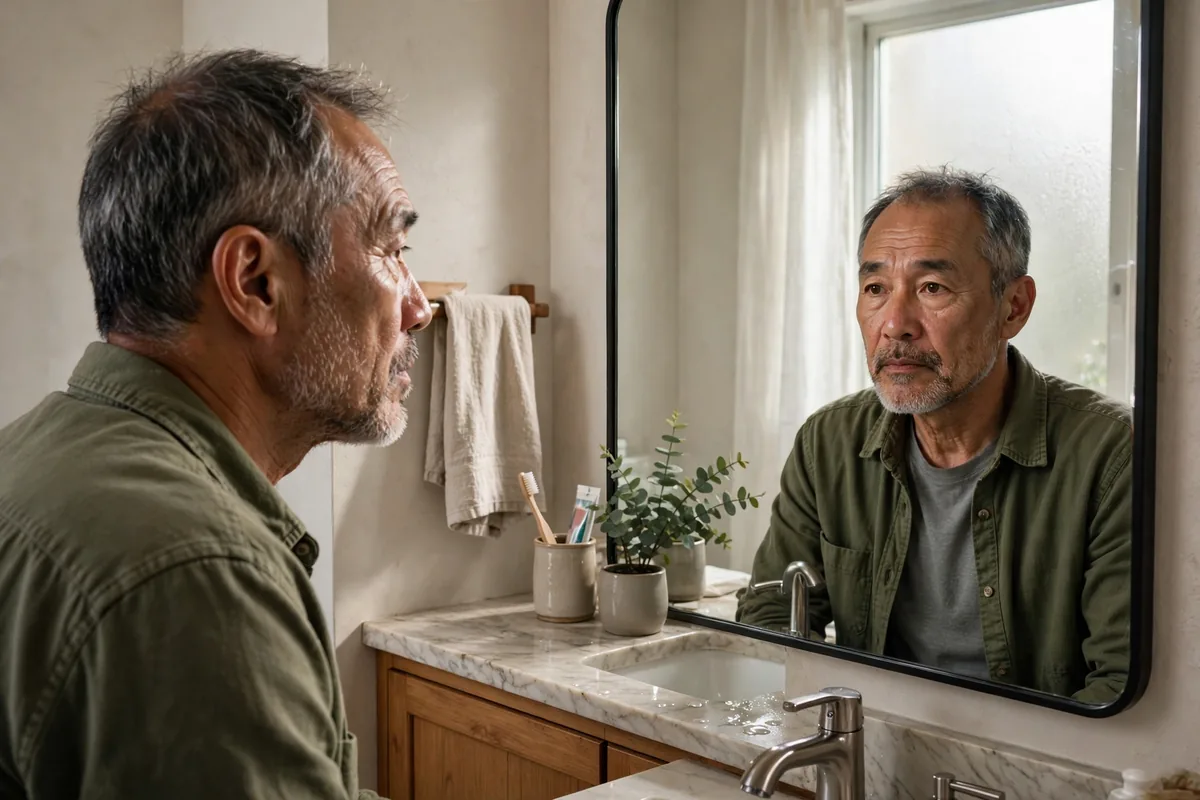
Is there really a male menopause?

Short answer: no. Not the way women experience it.
Menopause is a sharp event. A woman’s ovaries cut estrogen production dramatically, and periods stop. Nothing like that happens in men. Testosterone falls gradually, about 1 percent a year after age 40. There is no cliff. There is a slow downhill slope.
And here’s the part that surprises most men: most older men still have testosterone levels within the normal range. The decline is real, but for the majority it never drops into territory that causes symptoms. “Andropause” is a word you’ll see in headlines. Most doctors use it loosely, if at all.
So if the hormone slide is slow and usually harmless, why do so many men feel different after 50? Keep reading.
What does low testosterone actually feel like?
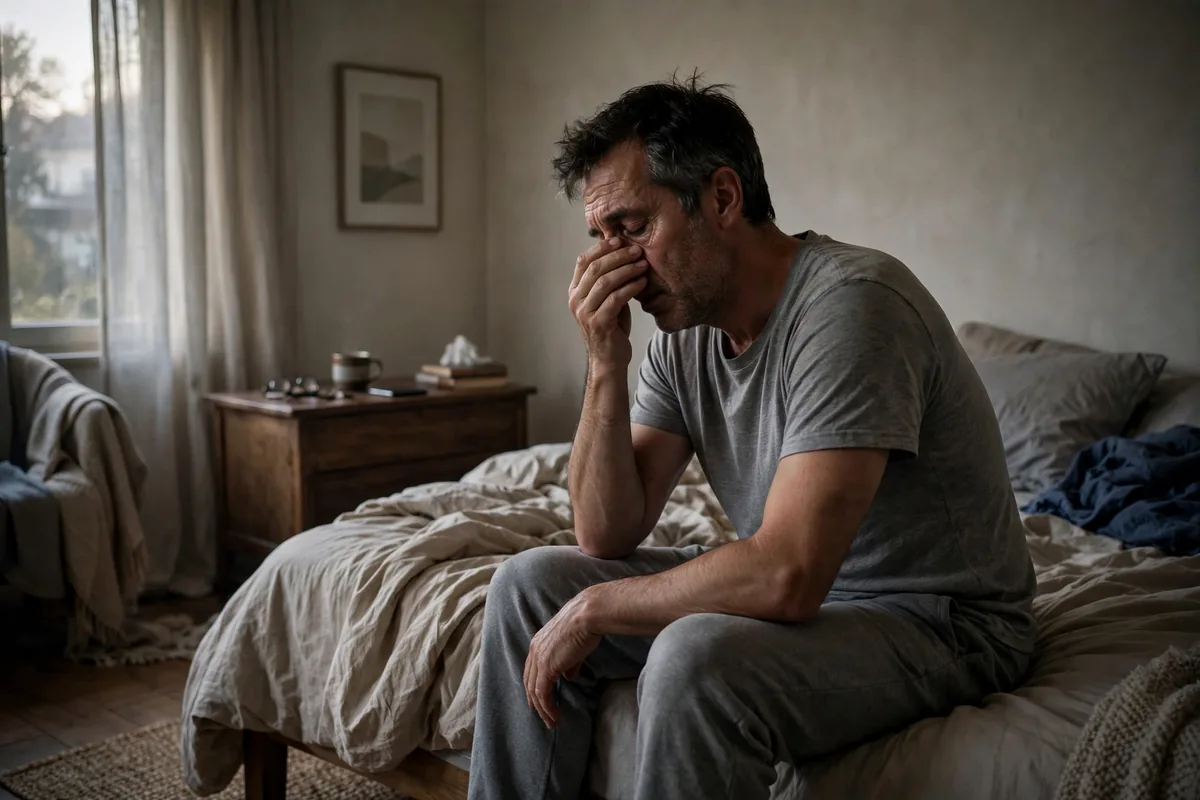
When testosterone genuinely runs low, doctors look for a cluster of changes. Lower sexual desire and activity. Fewer spontaneous erections. Less energy and motivation. Mood sliding toward the flat or blue. Trouble concentrating. Sleep going sideways.
The physical signs: less muscle bulk, more body fat around the middle, and sometimes tender or swollen breasts. A few men get hot flushes or sweats, not unlike what women describe. Bones can thin over time too.
The tricky part is how slowly it all arrives. You don’t wake up one day with a new body. Energy dips a little. The belt moves a notch. Mornings feel heavier. Each change is small enough to dismiss, and men are experts at dismissing small changes. That’s why doctors say to look at the trend over months, not a single bad week.
Sound like ordinary aging? That’s exactly the problem. These symptoms overlap heavily with getting older, with poor sleep, with depression, with being out of shape. A Harvard-affiliated urologist, Dr. Michael O’Leary, puts it bluntly: raising low testosterone alone won’t fix problems that come from a poor diet, no exercise, and bad sleep.
How do doctors tell hormones from ordinary aging?
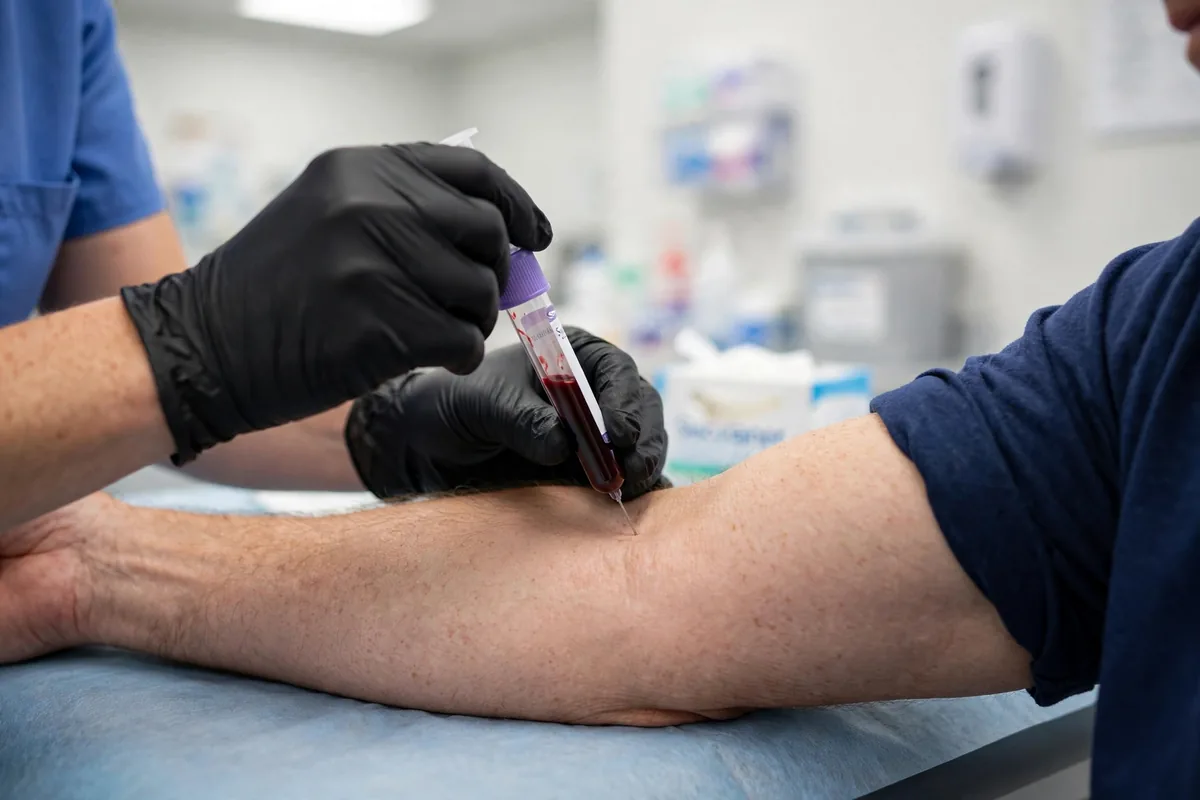
With blood tests. And patience.
Testosterone levels swing through the day, so doctors test in the morning, usually between 7 and 10, when levels peak. Below 300 nanograms per deciliter is the line doctors call low. But one low reading isn’t a diagnosis. In about 30 percent of cases, a repeat test comes back normal.
Doctors also hunt for impostors. Sleep apnea, obesity, certain medications, thyroid problems, heavy drinking: all of these can drag testosterone down or mimic its symptoms. A body mass index of 30 or higher can produce symptoms identical to low testosterone. The hormone might be fine. The lifestyle might not.
Expert guidance is clear on one point: test only men who have symptoms, and confirm a low result with a second test before doing anything.
Can you fix it without a prescription?

Often, yes. And this is the part of the conversation men like least and need most.
Weight matters more than age. Harvard research found that a five-point rise in body mass index, say from 30 to 35, has the same effect on testosterone as adding ten years to your age. Weight has a bigger impact on testosterone levels than aging itself.
The prescription-free playbook: lose excess weight, move vigorously (even 75 minutes a week of brisk activity is linked to better levels), sleep seven to eight hours, cut back on alcohol, and treat sleep apnea if you snore like a freight train. These moves lift testosterone naturally and improve the symptoms regardless of the numbers.
Sleep deserves its own spotlight. Most testosterone is released during deep sleep, and men who sleep five hours or fewer a night consistently show lower levels than men who sleep seven or eight. The relationship runs both ways: low testosterone can disturb sleep, and poor sleep lowers testosterone. Breaking the cycle often starts with the bedroom, not the pharmacy.
Harvard’s guidance is explicit: address these areas before considering hormone therapy. Fix the foundation first.
What about testosterone therapy?

For some men, testosterone replacement therapy helps. Energy improves. Sex drive returns. Muscle holds on better. For others, the benefits are murky, and the risks are real.
The risks deserve a straight look. Therapy may stimulate the growth of some cancers. It may raise the risk of heart attack and stroke, and it can cause blood clots in veins. This is why doctors don’t hand it out like vitamins.
Professional societies disagree on the details. In 2020, the American College of Physicians said doctors should consider it for men with sexual dysfunction who want to improve sexual function, after explaining risks and benefits. In 2018, the Endocrine Society recommended it for men with age-related low testosterone who have matching symptoms. The common thread: confirmed low levels plus real symptoms, with eyes open about the trade-offs.
One more caution from the research. Millions of men use testosterone therapy, but few rigorous studies have tested it in men with healthy levels. If your numbers are normal, therapy isn’t a fountain of youth. It won’t turn back the clock.
And beware the clinics promising miracles. Testosterone sold online or at anti-aging clinics without proper testing and follow-up is a gamble, not medicine. Proper treatment means confirmed low levels, an evaluation of the cause, and regular blood tests to keep levels in range and watch for side effects. Anything less is a shortcut with your health.
When to book the appointment

See your doctor if the cluster shows up together: fading sex drive plus low energy plus mood changes plus the body shifting. One symptom alone is rarely the hormone. Several arriving together is a pattern worth investigating.
Expect questions about sleep, weight, medications, and mood before anyone draws blood. That’s not stalling. That’s good medicine, ruling out the fixable stuff first.
And if your test comes back mildly low with no symptoms? A Mayo Clinic physician’s answer is reassuring: that typically doesn’t require treatment. Talk it through with your doctor, check for underlying causes, and keep living well.
One practical tip: take notes before you go. List your symptoms, when they started, your medications, and your sleep habits. Doctors work with patterns, and a two-minute list beats a vague “I just feel off.”
A slow shift, not a cliff

Here’s what doctors want men to take home. Testosterone declines after 50. That’s biology, not failure. For most men it’s gradual, manageable, and symptom-free.
When symptoms do appear, they’re usually tangled up with weight, sleep, and lifestyle. Untangle those first. Get tested if the pattern persists. Consider therapy only with confirmed low levels, real symptoms, and a clear-eyed view of the risks.
No cliff. Just a slope. And slopes can be managed.
This article is for information only and is not medical advice. Talk to your doctor about hormone concerns before considering any treatment.

Eliza Mercer, the renowned golf coach with unmatched expertise in the sport, is our Lead Instruction Coach. Eliza provides exclusive and personalized coaching sessions to help golfers of all levels improve their skills. With her wealth of knowledge and experience, Eliza is a valuable resource for readers looking to elevate their game. Join Our Team!