

You step into someone's home and immediately feel the invisible social weight of the mess piling up on the kitchen counter.
To most observers, chronic domestic disorganization reads as a character flaw or a failure of basic discipline. Yet for the person living inside that chaos, the space often functions as a deeply functional external hard drive.
Understanding this disconnect changes everything about how we view domestic spaces. Clutter is rarely about laziness; it is a direct reflection of how a specific human brain processes cognitive load and sensory information.
💡 PRO TIP
The Empathy Paradigm Shift
Moving away from moral judgment toward neurological curiosity helps bridge the empathy gap in relationships and daily interactions.
The Neurological Blind Spot: Sensory Habituation and Visual Blindness

Your brain constantly decides what to ignore so you do not lose your mind from sensory overload.
This process is called sensory habituation. When items sit in the exact same spot for weeks, the brain stops registering them as visual stimuli and categorizes them as background noise.
People with low sensory sensitivity genuinely do not see the mess piling up around them. What looks like blatant neglect to a hyper-aware visitor is simply invisible to the resident's habituated brain.
Environmental psychology shows that trying to force a low-sensitivity person to maintain a sterile, minimalist environment creates chronic psychological friction.
Sensory Processing Contrast
High Sensory Sensitivity
- Experiences clutter as physical noise
- Elevated cortisol levels in messy rooms
- Requires clear surfaces to feel calm
- Quickly overwhelmed by visual stimuli
Low Sensory Habituation
- Stops registering static objects visually
- Maintains low stress in unstructured spaces
- Focuses on internal thoughts over surroundings
- Needs explicit reminders to notice mess
Executive Dysfunction and the ADHD Working Memory Trap

Working memory deficits change how physical objects exist in a room.
When an item goes inside a closed cabinet or a storage bin, object permanence fails for neurodivergent minds. Out of sight literally means out of existence.
People with executive dysfunction keep items visible on open surfaces so they remember the items exist. Putting things away in drawers is not cleaning; it is sending objects into a black hole where they are permanently forgotten.
The activation energy required for multi-step chores feels like an insurmountable wall when dopamine pathways do not trigger routine task completion.
The ADHD Cleaning Loop
The Sentimental Attachment: When Objects Are Extended Identity
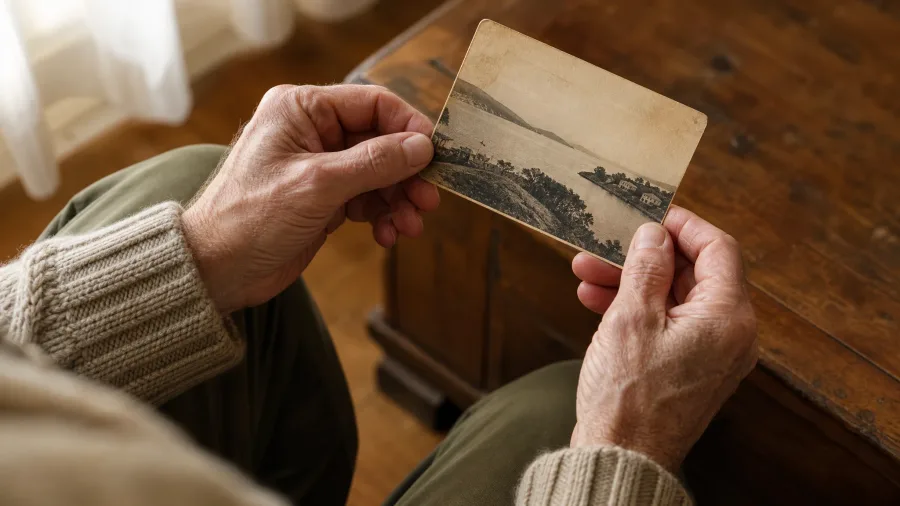
Physical possessions often serve as external hard drives for human memory and emotional history.
Russell Belk's consumer research on the extended self explains that cherished items become literal components of a person's identity and lost relationships.
Discarding an old ticket stub or a relative's worn-out armchair feels like amputating a piece of personal history, activating genuine pain pathways in the brain.
Healthy sentimental curation balances memory retention with living space, whereas emotional overload turns a home into a sacred museum of the past.
Deconstructing Sentimental Clutter Myths
Trauma, Control, and the Unconscious Sanctuary Defense

A chaotic living space can function as an unconscious psychological shield against rigid environments.
Individuals escaping hyper-controlling childhoods or perfectionist workplaces often find profound safety in unstructured spaces where rules do not apply.
Procrastinatory clutter also acts as a symptom of chronic burnout, where daily survival tasks consume one hundred percent of available cognitive reserves.
When your nervous system is fighting just to get through the workday, scrubbing baseboards drops entirely off the biological priority list.
⚠️ COMMON MISTAKE
The Burnout Reserve Trap
When basic survival exhausts your executive function, domestic curation drops off the biological priority list. Forcing yourself to clean while depleted only deepens the exhaustion spiral.
The Scientific Turning Point: Personal Ecological Fit

Human well-being depends on perceived control over the environment rather than rigid adherence to social standards.
Environmental psychology distinguishes sharply between objective sanitary health standards and subjective aesthetic preferences dictated by culture.
Personal ecological fit means designing organizational systems that match your specific neurotype and lifestyle instead of forcing neurotypical standards onto unique minds.
A home that works for your unique cognitive wiring is vastly superior to a spotless showcase that causes daily panic.
Evaluating Your Living Space Safety Lanes
- 🟢 Functional Flow — Piles of creative projects that you actively use daily without blocking exits.
- 🟡 Cognitive Strain — Surface clutter causing daily mild frustration or lost keys and paperwork.
- 🔴 Hazardous Chaos — Blocked walkways, expired food, and items stacked high enough to risk falling.
Self-Assessment Matrix: Is It Lifestyle, Neurodiversity, or Distress?

Evaluating your own space requires looking past social pressure and measuring actual daily friction.
Use a structured self-check framework across three core dimensions: functional safety, emotional distress levels, and daily operability.
Differentiating between an intentional, low-maintenance lifestyle and stress-induced disorganization lets you choose the right interventions.
If disorganization stems from executive burnout or trauma responses, seeking support from specialized professionals makes a profound difference.
Domestic Health Assessment — At a Glance
🚶 Safety Check
Clear walkways and unobstructed doors
🧠 Mental Load
Low baseline anxiety in your rooms
⏱️ Daily Operability
Can you make coffee without moving items?
💡 Root Cause
Neurotype vs. acute life stress
Core Rule
Assess your home by how well it serves your daily peace, not by guest approval.
Tactical Reset: Low-Bar Friction Reduction for Clutter-Blind Spaces
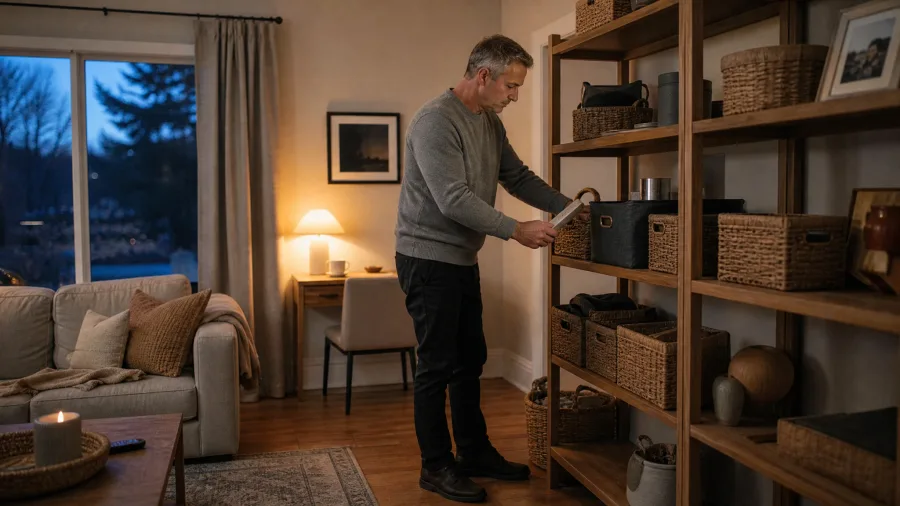
Fixing a space that resists traditional cleaning methods starts with reducing physical friction.
Place open bins and shallow baskets directly where items naturally drop instead of installing closed cabinets that require multiple steps to open.
Embrace visible storage like clear containers or open shelving to solve object permanence issues for neurodivergent brains.
Shift your primary focus away from aesthetic perfection and toward functional flow zones that support your natural habits.
Low-Friction Solutions
📐 The Low-Friction Organizing Sequence
Map Natural Drop Zones
Identify where items pile up naturally instead of fighting human nature.
Install Open Bins
Replace cabinet doors and lids with open baskets for instant tosses.
Group by Workflow
Store everyday tools right next to where you actually use them.
Audit Monthly
Review drop zones and adjust container locations based on habit shifts.
Top Four Friction Reductions
The Environmental Design Shift
Frequently Asked Questions
Is living in a messy house a sign of depression or laziness?
Not necessarily. While severe anhedonia from clinical depression or executive exhaustion can deplete tidying energy, many people with low sensory sensitivity or ADHD simply process environments differently without any underlying mood disorder.
How can I stop nagging my partner about housekeeping if they genuinely don't see the mess?
Shift away from demanding compliance and move toward zone-based divisions of labor. Assign specific spaces where your partner has full autonomy, and let go of expectations regarding how tidy those particular zones look.
What is the difference between creative clutter and disorganized chaos?
Creative clutter consists of tactile, accessible tools kept in active rotation for an ongoing project. Disorganized chaos involves items lost to object permanence failures, expired goods, and items blocking functional movement.
Can sensory habituation to clutter be reversed or retrained?
Sensory habituation is an automatic neural filtering mechanism. Rather than trying to change your brain's filtering, use external cues like scheduled visual audits or low-friction storage systems to manage spatial buildup.
When should messy living spaces be treated as a clinical concern?
Disorganization becomes clinically significant when it creates severe health hazards, prevents safe movement through exits, causes extreme interpersonal distress, or stems from hoarding behaviors tied to trauma.
Redefining the Domestic Sanctuary
Your home's primary job is to support your nervous system and daily peace, not to impress guests or win design awards.
Embracing neurological empathy over social judgment transforms your space into a true sanctuary tailored to how your mind actually works.

Meet Edward Green, the founder of GolfingGoal and a seasoned expert in golf. With years of experience on the course and a passion for the sport, Edward has a wealth of knowledge to share. As our Lead Writer, he contributes articles, tutorials, and resources to help readers to improve their skills and reach their full potential on the golf course. Join Our Team!