

You reach for the standard chicken breast or lean steak because decades of cultural conditioning taught you that animal flesh holds a monopoly on building muscle. When you transition toward a plant-forward plate for longevity, a quiet worry lingers in the back of your mind regarding protein deficiency.
That worry is entirely unfounded once you look past marketing tropes and examine actual gram-for-gram nutritional metrics. A vast category of whole plant foods rivals or surpasses traditional meats in protein density when evaluated per serving or calorie count, while simultaneously delivering crucial fiber absent in steak.
By the end of this deep-dive, you will know exactly which plant powerhouses dominate the protein scale and how to assemble them for optimal absorption.
💡 PRO TIP
The Complete Protein Myth
You do not need to combine complementary proteins at every single meal. Your body maintains an amino acid pool over a full 24-hour cycle, handling the pairing naturally.
Why Plant Amino Acids and Bioavailability Change the Game

Before evaluating individual foods, understanding human muscle protein synthesis is essential. Your cells require nine essential amino acids to repair tissue and maintain muscle mass as you age.
Protein digestibility ratings like PDCAAS historically penalized plants unfairly by ignoring preparation methods like soaking and boiling. When you cook lentils properly or ferment tempeh, those absorption numbers rise dramatically.
Your body does not stamp a passport on amino acids to check their origin. Once digested into individual building blocks, plant-derived leucine and valine trigger muscle repair identically to animal sources.
Plant Protein Misconceptions
The 18 Plant Protein Powerhouses
The following eighteen foods shatter the myth that plant-based plates lack heavy-hitting protein density. Each entry brings distinct micronutrients alongside its macro profile.
Review these metrics against your weekly grocery list to find simple swaps that elevate your daily intake without relying on processed powders.
1. Seitan (Wheat Gluten)

Seitan sits comfortably at the absolute top of the plant protein hierarchy, delivering a staggering 25 grams of protein per 3.5 ounces.
Made entirely from isolated wheat gluten, its dense and chewy texture mimics chicken or beef with startling accuracy.
Marinate your seitan in low-sodium tamari and nutritional yeast to build deep umami flavor and round out its amino acid profile.
2. Lupini Beans

Lupini beans eclipse standard legumes and lean meats by packing roughly 26 grams of protein per cooked cup.
They feature an unusually low carbohydrate profile due to their exceptionally high concentration of insoluble dietary fiber.
Look for pickled lupini jars in the Mediterranean aisle, or buy dried beans and soak them thoroughly to eliminate natural bitterness.
Legume Protein Comparison — At a Glance
🫘 Lupini Protein
26g per cooked cup
⏳ Soaking Time
12 to 24 hours
💪 Fiber Content
Nearly 5g per serving
💰 Cost Tier
Budget-friendly pantry staple
3. Tempeh

Tempeh provides 19 to 20 grams of complete protein per 3-ounce serving, comfortably beating standard ground beef patties.
The traditional Indonesian fermentation process breaks down phytic acid, supercharging both mineral absorption and protein digestibility.
Slice blocks thin, steam them for ten minutes to remove mild bitterness, and pan-fry in avocado oil until golden.
4. Textured Vegetable Protein (TVP)

Textured vegetable protein yields about 17 grams of protein per cooked half-cup portion at a fraction of meat's cost.
Formed from defatted soy flour, TVP rehydrates in seconds when dropped into boiling broth, chili, or marinara sauce.
Keep a bag in your pantry for lightning-fast weeknight taco fillings that pack serious nutritional density.
How to Rehydrate TVP in Three Minutes
5. Hemp Seeds

Hemp seeds deliver 10 grams of complete, highly digestible protein in a single 3-tablespoon serving.
They also provide an ideal ratio of anti-inflammatory Omega-3 to Omega-6 fatty acids to support joint mobility after 50.
Sprinkle them generously over morning oatmeal, salads, or blend them into green smoothies without altering flavor.
6. Lentils (Cooked)
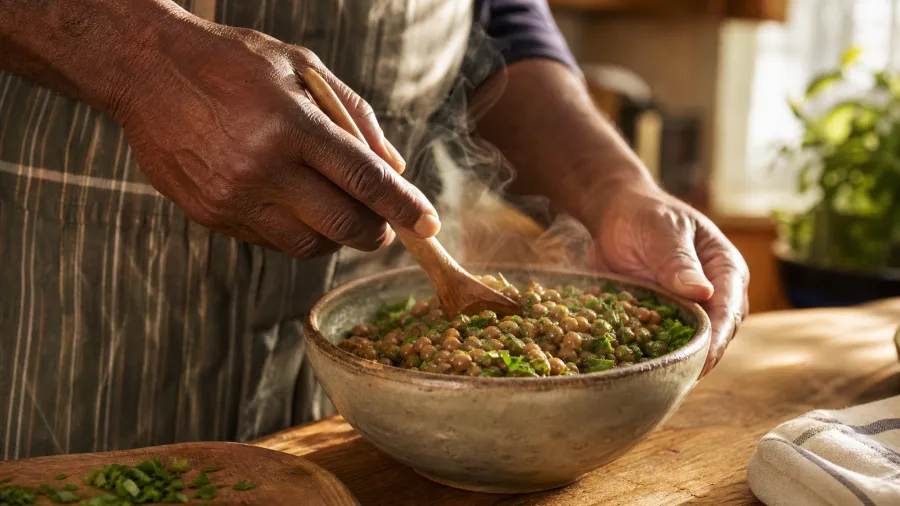
A single cooked cup of lentils delivers 18 grams of clean protein while outperforming many cuts of fish per calorie.
You also receive nearly 15 grams of dietary fiber per cup, promoting steady blood sugar control throughout the afternoon.
Green and black beluga lentils hold their shape exceptionally well in cold grain salads and hearty winter soups.
⚠️ COMMON MISTAKE
Cooking Lentils Too Fast
Boiling lentils at a violent rolling boil splits their skins and leaves the center crunchy. Simmer them gently on medium-low heat for even softening.
7. Edamame

Edamame provides 18.5 grams of protein per cooked cup, containing all nine essential amino acids in robust quantities.
Decades of robust nutritional science confirm that whole soy foods support cardiovascular health without disrupting hormonal balance.
Keep bags of frozen shelled edamame in your freezer to toss directly into stir-fries and grain bowls.
8. Nutritional Yeast

Nutritional yeast delivers 8 grams of protein per two tablespoons with a remarkably high protein-to-calorie density.
Most commercial brands fortify the flakes with essential vitamin B12, making it a dual-threat seasoning for plant-based eaters.
Dust it over popcorn, roasted broccoli, or stir it into cashew cream sauces for a rich, cheesy depth.
Top Four Protein-Dense Seeds
9. Spirulina

Spirulina packs 4 grams of protein into a single tablespoon, representing an incredible 60 percent dry-weight protein concentration.
This blue-green microalgae is rich in phycocyanin, a potent antioxidant compound that helps combat exercise-induced oxidative stress.
Whisk powder into small volumes of citrus juice or blend it into morning smoothies to mask its earthy flavor.
10. Black Beans

Black beans provide 15 grams of protein per cooked cup accompanied by heavy concentrations of vascular-supporting anthocyanins.
Gradually increasing bean intake over two weeks allows your gut microbiome to adapt without uncomfortable bloating.
Rinse canned beans thoroughly under cold water to wash away excess sodium and oligosaccharides that cause gas.
Best Ways to Serve Black Beans
11. Chickpeas (Garbanzo Beans)
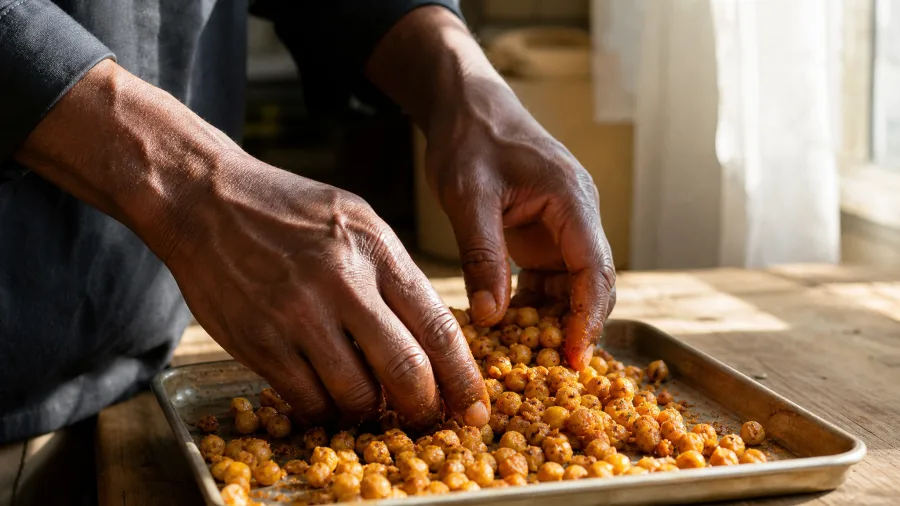
Chickpeas deliver 14.5 grams of cooked protein per cup along with substantial amounts of prebiotic resistant starch.
That resistant starch feeds beneficial colon bacteria, producing short-chain fatty acids that regulate inflammation.
Toss drained chickpeas in olive oil and smoked paprika, then roast at 400 degrees Fahrenheit until crunchy.
12. Pumpkin Seeds (Pepitas)

Pumpkin seeds yield 9 grams of protein per single ounce while providing an exceptional abundance of dietary magnesium.
Magnesium plays a direct role in muscle relaxation, cellular energy production, and restful nighttime sleep quality.
Dry roast raw pepitas in a skillet with sea salt for ten minutes to create a shelf-stable afternoon snack.
13. Quinoa

Quinoa provides 8 grams of complete protein per cooked cup, standing unique among cereal grains for its amino acid balance.
Its low-to-moderate glycemic index prevents the sharp blood sugar spikes associated with white rice or pasta.
Rinse raw quinoa through a fine-mesh strainer before boiling to remove natural saponins that impart a soapy taste.
14. Amaranth

Amaranth delivers 9 grams of protein per cooked cup, easily outpacing traditional wheat, oats, and white rice.
It contains unusually high levels of lysine, an essential amino acid that is typically scarce in plant foods.
Boil amaranth in three parts water to create a rich, creamy porridge or pop the dry seeds in a hot skillet.
15. Peanut Butter (and Peanuts)

Peanut butter supplies 8 grams of protein per two-tablespoon serving alongside heart-healthy monounsaturated fats.
While calorie-dense, those fats slow gastric emptying and keep you satiated for hours between meals.
Always select natural varieties containing only peanuts and salt to avoid hidden hydrogenated oils and added sugars.
💡 PRO TIP
Reading Peanut Butter Labels
Check the ingredient list carefully. If palm oil or sugar appears before salt, put the jar back on the shelf and choose a pure nut variant.
16. Green Peas

Green peas offer 8.5 grams of protein per cooked cup, outperforming many leafy greens and root vegetables.
They are also rich in vitamins A, C, and K, plus B-complex vitamins that support neurological function.
Frozen green peas retain peak nutrient density because they are flash-frozen hours after harvest.
17. Almonds

Almonds deliver 6 grams of protein per one-ounce serving, which equals roughly 23 individual nuts.
They serve as an exceptional source of alpha-tocopherol vitamin E, protecting cell membranes from oxidative damage.
Consume them raw or choose smooth almond butter to optimize mineral digestion and nutrient absorption.
18. Wild Rice

Wild rice provides 6.5 grams of protein per cooked cup, running roughly 30 percent higher than brown or white rice.
As an aquatic grass seed, it boasts significantly higher phenolic antioxidant activity than standard cultivated grains.
Simmer wild rice for 45 minutes until the kernels pop open, revealing tender, nutty grains that anchor soups.
Managing Anti-Nutrients and Maximizing Absorption
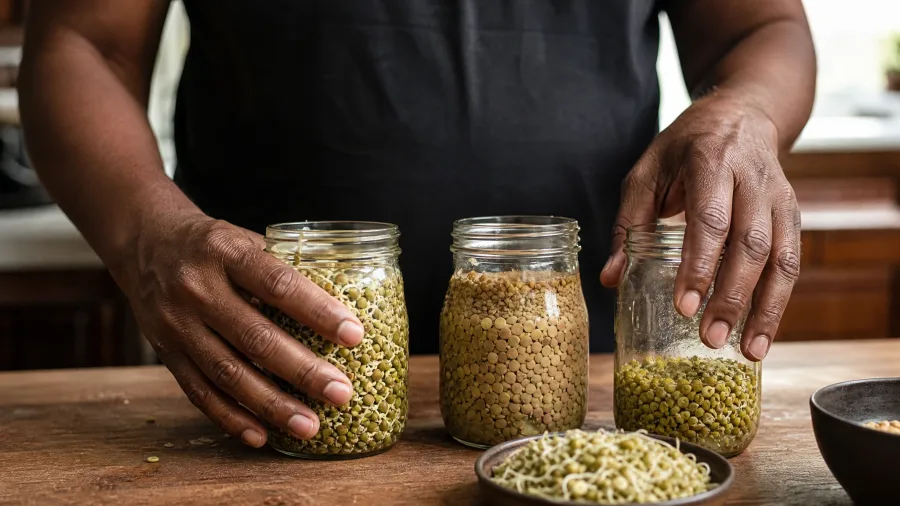
Plant foods contain natural defense compounds like phytic acid and lectins that bind to minerals and slow down absorption.
Those compounds are not poisons designed to harm you; they are simply evolutionary mechanisms designed to protect seeds until germination.
Simple culinary techniques neutralize them entirely. Soaking beans overnight, sprouting seeds, fermenting tempeh, and boiling lentils break down phytates.
Adding a squeeze of fresh lemon juice or tomatoes to your lentil soup introduces Vitamin C, which converts non-heme iron into an easily absorbable form.
⏱️ The 24-Hour Anti-Nutrient Breakdown Protocol
Initial Soak
Submerge dried beans or lentils in warm water with a tablespoon of apple cider vinegar for 12 hours.
Rinse and Drain
Pour off the soaking water to wash away released phytic acid and surface oligosaccharides.
Gentle Simmer
Cook in fresh water until tender to break down remaining lectins and soften cell walls.
Acid Pairing
Finish the cooked dish with fresh lemon juice to maximize mineral bioavailability.
Absorption Optimization Lane Check
- 🟢 Soaked Beans and Tempeh — Phytic acid is largely neutralized, allowing maximum mineral uptake.
- 🟡 Quick-Canned Beans Without Rinsing — Higher sodium and residual surface starches may cause mild digestive drag.
- 🔴 Raw Unsoaked Grains and Legumes — High anti-nutrient load locks up minerals and triggers severe bloating.
A Practical Daily Framework for Plant Protein

Active adults thrive on a daily protein target of roughly 1.2 to 1.6 grams per kilogram of body weight, aligning with modern longevity science.
Hitting that target without meat requires intentional food pairing rather than restrictive dieting or endless protein shakes.
Consider a simple daily structure: stir hemp seeds into your morning porridge, enjoy lentil soup with nutritional yeast at lunch, and bake tempeh with edamame for dinner.
Audit your current grocery cart against this list today by replacing one processed snack with a high-protein seed or legume.
The Daily Protein Transformation
Meat vs. Plant Protein Density
Traditional Meats
- Chicken breast provides ~31g protein per 3.5 oz
- Ground beef provides ~26g protein per 3.5 oz
- Zero dietary fiber content
- Higher saturated fat profile in standard cuts
Top Plant Powerhouses
- Seitan provides ~25g protein per 3.5 oz
- Lupini beans provide ~26g protein per cooked cup
- Packed with 5 to 15g of dietary fiber per serving
- Rich in antioxidants and heart-healthy minerals
Frequently Asked Questions
Do I need protein powders if I eat a plant-based diet?
Powders are entirely optional. Whole foods like seitan, hemp seeds, lentils, and edamame provide more than enough protein for active adults without relying on processed supplements.
How do I avoid bloating when increasing plant protein?
Increase your intake of beans and lentils gradually over a two-week period. Always soak dried legumes overnight and rinse canned varieties thoroughly to ease digestion.
Are soy foods safe to consume daily?
Extensive nutritional consensus confirms that whole and minimally processed soy foods like edamame and tempeh support heart and metabolic health without disrupting hormone levels.
Can I build muscle effectively after 50 using only plant protein?
Muscle tissue responds to leucine and resistance training regardless of the protein source. Hitting your daily gram target and spacing protein across meals drives muscle protein synthesis.
Which plant food has the absolute highest protein content?
Seitan leads the plant world by a wide margin, delivering roughly 25 grams of protein per 3.5-ounce serving, easily outperforming most animal meats by weight.
Start With This One
Meeting your protein goals without meat requires strategy rather than sacrifice. You do not need an overhaul of every meal to see results.
Pick just one food from this list—such as swapping your afternoon snack for roasted pumpkin seeds or adding hemp seeds to breakfast—and build your momentum from there.

Meet Edward Green, the founder of GolfingGoal and a seasoned expert in golf. With years of experience on the course and a passion for the sport, Edward has a wealth of knowledge to share. As our Lead Writer, he contributes articles, tutorials, and resources to help readers to improve their skills and reach their full potential on the golf course. Join Our Team!