

You reach for the remote after a long workday, feeling an unfamiliar stiffness settle into your lower back as you sink into the sofa. Everything feels slightly heavier than it did five years ago.
Recovery takes longer now. A restless night leaves you foggy well into the afternoon, and the mirror reflects a tiredness that sleep alone no longer fixes.
We often blame calendar years for this shift, but cellular biologists point to a different culprit entirely. After 45, the margin for error in your daily routine narrows significantly.
Small, unnoticed micro-habits—not genetics—are the primary accelerators of biological aging during this decade. The good news is that unlike your chronological age, these daily friction points can be systematically identified and reversed.
⚠️ COMMON MISTAKE
The Calendar Age Fallacy
Blaming inevitable aging for midlife fatigue often masks the cumulative impact of daily micro-stresses that your cells can no longer clear as efficiently.
The Cellular Mechanism: Why the Rules Change After 45

To understand why small habits suddenly pack a heavier punch, you have to look inside your cells. Mitochondrial senescence begins to accelerate around your mid-40s.
Cellular energy production naturally dips, leaving your tissues more vulnerable to oxidative stress and daily wear and tear.
At the same time, endogenous antioxidant production slows down. Without deliberate lifestyle interventions, your cells accumulate advanced glycation end-products much faster.
This biological reality means that daily habits which were entirely harmless at 30 now create a chronic, low-grade inflammatory load known as allostatic stress.
Midlife Cellular Metrics
The biological markers that shift after age 45
Habit 1: The Sedentary Stare and Unbroken Sitting Blocks

You sit down at your desk at 9 a.m. and realize you haven't stood up until lunch. Your body pays a silent tax for that uninterrupted stretch.
Sitting for more than 60 minutes straight shuts down lipoprotein lipase activity in skeletal muscle. This enzyme is crucial for clearing fats and glucose from your bloodstream.
When it goes dormant, blood lipids rise and vascular elasticity suffers. Micro-circulation slows down, robbing your skin and tissues of optimal oxygen delivery.
The physical fix requires no gym membership. Set a silent timer on your phone for every 45 minutes to stand up, reach overhead, and walk for two minutes.
⚠️ COMMON MISTAKE
The Hour-Long Desk Trap
Assuming a single morning workout cancels out eight hours of unbroken sitting is a common trap. Continuous sedentary blocks trigger distinct metabolic downtime.
⏳ The 60-Minute Metabolic Shutdown Timeline
Minute 20
Electrical activity in your leg muscles drops significantly.
Minute 40
Fat-burning enzyme production decreases by nearly half.
Minute 60
Blood flow to the lower extremities slows down by over 50 percent.
Habit 2: Chrono-Disruption and Irregular Light Exposure

Your body runs on an ancient internal clock that relies heavily on natural light cues. Scrolling through your phone in a dark room at 11 p.m. breaks that rhythm instantly.
Late-night blue light suppresses melatonin production and disrupts the glymphatic system, which is your brain's nightly cleansing mechanism.
Fragmented sleep directly elevates morning cortisol. High cortisol breaks down dermal collagen and impairs overnight tissue repair across your entire body.
Anchor your wake time within a 30-minute window every day. Step outside within an hour of waking to view natural daylight and lock in your circadian rhythm.
Circadian Reset Tools
Habit 3: The Hidden Sugar Creep and Glycemic Volatility

You might avoid obvious desserts, but hidden refined carbohydrates sneak into midlife diets through salad dressings, crackers, and flavored yogurts.
These frequent, minor glucose spikes promote systemic inflammation and accelerate glycation throughout your body.
Glycation occurs when excess sugar molecules bind to proteins, cross-linking collagen and elastin fibers. This process stiffens tissue and creates premature fine lines.
The practical fix is food pairing. Never eat a bare carbohydrate; always anchor it with fiber, healthy fats, or clean protein to flatten your glycemic curve.
Glycemic Impact Spectrum
How daily dietary choices affect tissue glycation after 45
- Protein and Fiber Pairing: Minimal glucose spike, steady energy release, low glycation risk.
- Standalone Carbohydrates: Moderate glucose volatility, increased insulin demand, mild tissue stress.
- Refined Sugars on Empty Stomach: Severe glycemic spike, rapid collagen cross-linking, high inflammatory load.
Habit 4: Chronic Low-Grade Dehydration

Thirst sensitivity naturally declines as you age. By the time you feel parched, your cells have already been operating under fluid stress for hours.
Sub-clinical dehydration strains kidney function, thickens blood viscosity, and compromises joint lubrication across your hips and knees.
Intracellular fluid deficits reduce cellular signaling efficiency, making it harder for your body to transport vital nutrients where they are needed most.
Establish a baseline hydration protocol. Drink 500 milliliters of water with a pinch of sea salt within thirty minutes of waking up.
Hydration Protocol — At a Glance
⏱️ Morning Window
Within 30 mins of waking
💧 Volume Target
500 ml initial dose
🧂 Electrolyte Add-in
Pinch of unrefined sea salt
⚠️ Warning Sign
Afternoon brain fog or dry lips
Cellular Impact
Proper intracellular hydration instantly restores nutrient transport efficiency.
Habit 5: The Isolation Loop and Unmanaged Stress Buffers

Modern life often narrows our social circles, creating an invisible isolation loop that maintains a high sympathetic nervous system tone.
Sustained psychological stress keeps cortisol elevated, which drives visceral fat accumulation and suppresses your immune surveillance systems.
Physical touch, shared meals, and face-to-face community rituals stimulate oxytocin release, which directly counters inflammatory stress markers.
Schedule one meaningful, distraction-free connection with a friend or family member every single week to protect your long-term neurological health.
💡 PRO TIP
The Oxytocin Buffer
Regular face-to-face social contact acts as a powerful biochemical buffer against chronic cortisol production, protecting cardiovascular tissue over time.
Habit 6: The Chronic Sleep-Debt and Caffeine Loop

Reaching for an afternoon double espresso to cure 3 p.m. fatigue creates a vicious cycle that ruins your deep sleep later that night.
Caffeine blocks adenosine receptors in your brain, masking sleep debt rather than eliminating it. Its six-hour half-life means afternoon cups linger in your system.
Residual caffeine prevents your brain from entering restorative slow-wave sleep stages, leaving you more exhausted the next morning.
Enforce a strict 2 p.m. caffeine cutoff time to allow your nervous system adequate clearance before your head hits the pillow.
Caffeine Timing Lanes
- Morning Coffee (7 AM – 11 AM) — Aligned with natural cortisol peaks, minimal impact on sleep architecture.
- Early Afternoon (12 PM – 2 PM) — Use caution; clearance rates vary depending on individual liver enzymes.
- Late Afternoon & Evening (Post 2 PM) — Actively blocks deep slow-wave sleep and disrupts overnight recovery.
Habit 7: The Overtraining or Zero-Movement Paradox
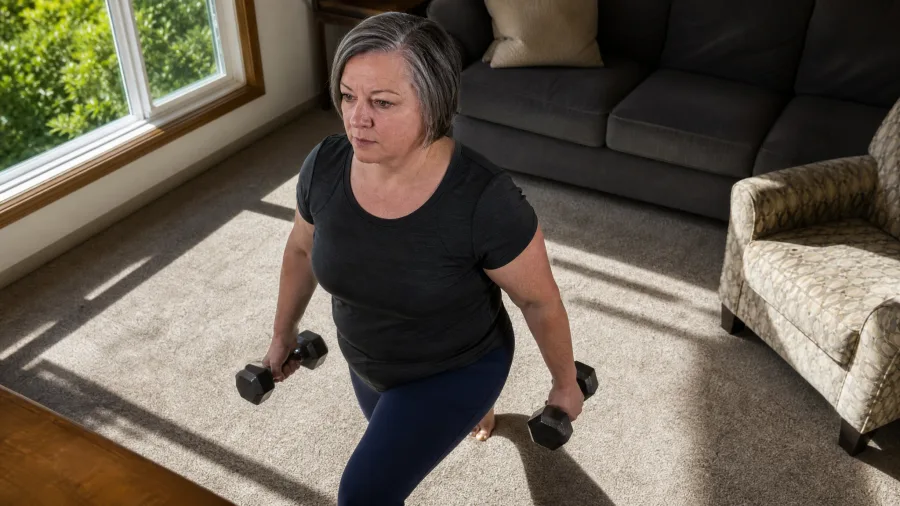
Midlife fitness advice often swings wildly between complete couch inactivity and punishing, high-intensity bootcamps that break down aging joints.
Excessive high-intensity workouts without adequate recovery generate high levels of reactive oxygen species that overwhelm your antioxidant defenses.
Conversely, zero movement leads to rapid sarcopenia. The sweet spot is a balanced longevity prescription combining progressive resistance training with Zone 2 cardio.
Lift heavy weights three mornings a week with a full 48 hours of rest between sessions to trigger muscle protein synthesis safely.
Midlife Training Approaches
The Over-Stress Trap
- Daily high-intensity interval training
- Ignoring joint pain as normal aging
- Skipping rest days between workouts
- Focusing solely on calorie burn
The Longevity Protocol
- Three weekly progressive resistance sessions
- Daily Zone 2 brisk walking or cycling
- Prioritizing 48-hour muscle recovery
- Focusing on functional strength and balance
Where Everyone Agrees: The Metabolic Flexibility Turning Point

When you strip away conflicting wellness trends, longevity researchers and clinical practitioners all point to one master metric: metabolic flexibility.
This is your body's ability to seamlessly switch between burning dietary carbohydrates and stored body fat depending on immediate energy demands.
Correcting the seven daily habits detailed above naturally restores this metabolic switching capacity without requiring extreme fasting protocols.
When your cells regain this flexibility, systemic inflammation drops, energy stabilizes throughout the day, and accelerated aging slows down.
Core Pillars of Metabolic Health
The Self-Check Payoff: Where Does Your Routine Stand?

Auditing your daily routine does not require a complete lifestyle overhaul. Real change happens when you target one friction point at a time.
Review your past 24 hours. Did you sit for hours without a break? Did afternoon caffeine sabotage your rest? Did hidden sugars spike your glucose?
Select just one habit to modify for the next fourteen days. Master that single adjustment before moving on to the next item on the list.
Treat your health as an ongoing practice of removing micro-friction, and let consistency do the heavy lifting.
Your 14-Day Habit Investment
Frequently Asked Questions
Can reversing these daily habits actually restore skin elasticity and energy after 45?
Yes, cellular turnover and tissue regeneration continue throughout your life. When you remove chronic inflammatory triggers like unmanaged sugar spikes and poor sleep, skin and energy markers typically improve within six to eight weeks.
Is fatigue after 45 always hormonal, or can it be entirely behavioral?
While hormonal shifts occur naturally, behavioral factors like unbroken sitting, sub-clinical dehydration, and fragmented sleep often amplify or mimic hormonal fatigue symptoms entirely on their own.
What is the single most impactful habit to change first if I am overwhelmed?
Start with sleep consistency and morning light exposure. Anchoring your wake time and securing early daylight quickly stabilizes cortisol rhythms and improves next-day energy levels.
How do I know if my exercise routine is helping or accelerating aging?
If you feel chronically exhausted, sore for multiple days, or experience joint pain after workouts, your body is struggling to recover. True longevity training leaves you energized rather than depleted.
How long does it take to notice a reduction in daily joint stiffness?
Most adults notice a significant decrease in morning joint stiffness within three to four weeks of combining proper hydration, movement breaks, and anti-inflammatory food pairing.
The Daily Longevity Anchor
Turning back the clock after 45 is never about expensive supplements or exhausting routines. It is about removing the hidden daily friction points that drain your cellular energy.
Pick one habit from this list to change today, and let consistency transform your biological baseline over the next month.

Meet Edward Green, the founder of GolfingGoal and a seasoned expert in golf. With years of experience on the course and a passion for the sport, Edward has a wealth of knowledge to share. As our Lead Writer, he contributes articles, tutorials, and resources to help readers to improve their skills and reach their full potential on the golf course. Join Our Team!