

You lace up your walking shoes every morning and complete the exact same three-mile loop, yet a persistent whisper tells you that keeping your body moving is not doing enough to protect your memory, processing speed, and executive function.
This comprehensive research explainer details how targeted physical activity triggers neurogenesis, builds structural gray matter, and provides a durable cognitive defense against age-related decline.
💡 PRO TIP
The Neurogenesis Breakthrough
Exercise does not just prevent cognitive decline. It actively triggers the growth of new neurons in the memory-storing hippocampus.
The Neurobiology of Movement: Why Muscles Are an Endocrine Organ for Your Brain

Contracting skeletal muscles release signaling molecules directly into your bloodstream.
These myokines cross the blood-brain barrier to stimulate Brain-Derived Neurotrophic Factor, acting as biological fertilizer for neuroplasticity.
Passive reading cannot trigger this growth.
Cognitive Impact Verdicts
- 🟢 Aerobic Steady-State — Reverses hippocampal shrinkage and builds capillary beds.
- 🟡 Resistance Training — Improves executive function but requires careful joint loading.
- 🔴 Sedentary Stretching — Fails to trigger significant myokine release or BDNF spikes.
Strength Training and Executive Control

Progressive resistance exercise dramatically improves executive control, planning, and task-switching across older adults.
Challenging your neuromuscular system with multi-joint compound movements forces the prefrontal cortex to adapt.
Lift heavy two days a week.
Key Neuroplasticity Metrics
Data points from landmark gerontology trials
High-Intensity Interval Training for Rapid Vascular Shifts

Short bursts of maximal effort elevate blood lactate levels that the brain utilizes as an efficient energy substrate.
Acute cardiovascular spikes drive rapid increases in cerebral blood flow.
Push hard for thirty seconds, then recover for ninety.
Cardio Intensity vs. Brain Blood Flow
Comparing steady-state pacing against high-intensity intervals
Aquatic Exercise and Multi-Sensory Stimulation

Water immersion and horizontal body positioning uniquely increase cerebral blood circulation.
Swimming demands bilateral coordination, breath control, and spatial awareness simultaneously.
Glide through lane markers twice weekly.
Tai Chi and Motor-Cognitive Integration

Tai Chi combines continuous postural control, spatial memory, and mindfulness into a potent neuroprotective practice.
Clinical trials show measurable increases in cortical thickness in areas responsible for cognitive control.
Move slowly and breathe with intention.
Brain Structure Transformation
Brisk Aerobic Exercise as the Gold Standard
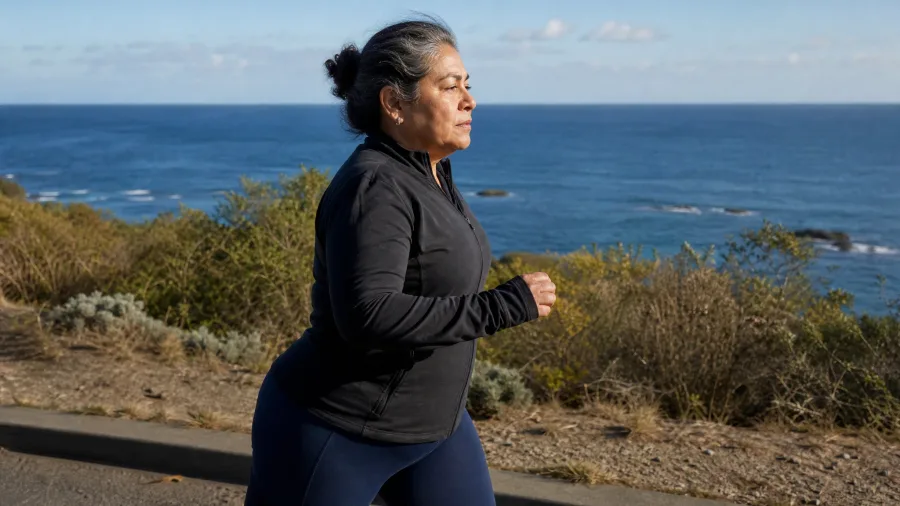
Landmark neuroimaging studies prove that moderate aerobic exercise reverses age-related shrinkage in the hippocampus.
Regular aerobic movement builds dense capillary beds to ensure robust oxygen and nutrient delivery.
Aim for one hundred fifty minutes weekly.
⏱️ The 20-Minute Brain-Boosting Routine
Dynamic Warm-Up
Spend three minutes mobilizing hips and ankles to prepare the nervous system.
Aerobic Push
Maintain a brisk conversational pace for twelve minutes of continuous movement.
Balance Challenge
Incorporate three minutes of single-leg stands to stimulate cerebellar pathways.
Cool Down
Finish with two minutes of deep diaphragmatic breathing to lower heart rate.
The Convergence Point: What Every Brain-Healthy Routine Shares

The brain does not care how you move, but how often and how adaptively you move.
Common denominators across all ranked types include elevated heart rate, neuromuscular coordination, and motor learning.
Consistency beats perfection every single time.
The Strategic Trade-Offs
High-Yield Habits
- Mixing aerobic and resistance training
- Progressive overload on major muscle groups
- Consistent daily movement scheduling
- Prioritizing complex motor patterns
Common Pitfalls
- Doing the exact same intensity forever
- Ignoring balance and coordination work
- Treating mental puzzles as a substitute
- Skipping adequate recovery days
Designing Your Personal Cognitive Defense Protocol

Translate these research rankings into a custom weekly schedule tailored to your joints and schedule.
Combine base-building walking with two weekly strength sessions and mind-body balance work.
Start where you are today.
Frequently Asked Questions
Can walking alone prevent cognitive decline, or do I need high-intensity exercise?
Brisk walking effectively increases hippocampal volume and builds capillary beds in the brain. While high-intensity intervals offer unique metabolic spikes, consistent daily walking remains a fully proven foundation for lifelong cognitive defense.
At what age does exercise start protecting the brain?
Lifelong neurogenesis occurs at every stage of adulthood, but midlife intervention yields the highest return on investment for building cognitive reserve before later decades.
How soon after starting an exercise routine do brain changes occur?
Acute cognitive processing boosts happen within minutes of finishing a workout. Structural brain volume shifts and capillary expansion become clearly visible via neuroimaging within three to six months.
Is morning or evening exercise better for brain health?
Circadian alignment and personal adherence matter far more than clock time. Choose the hour when you can commit with absolute consistency without disrupting your sleep architecture.
Can mental exercises replace physical exercise for brain protection?
Cognitive training sharpens specific mental skills, but only physical movement creates the vascular and neurotrophic environment required for structural neuroplasticity and new neuron growth.
Your Next Step to Lifelong Mental Agility
Anxiety about cognitive decline dissolves the moment you shift from passive worry to targeted physical action.
Pick one modality from the top five and schedule your first session within the next twenty-four hours to start building a resilient mind.

Meet Edward Green, the founder of GolfingGoal and a seasoned expert in golf. With years of experience on the course and a passion for the sport, Edward has a wealth of knowledge to share. As our Lead Writer, he contributes articles, tutorials, and resources to help readers to improve their skills and reach their full potential on the golf course. Join Our Team!