
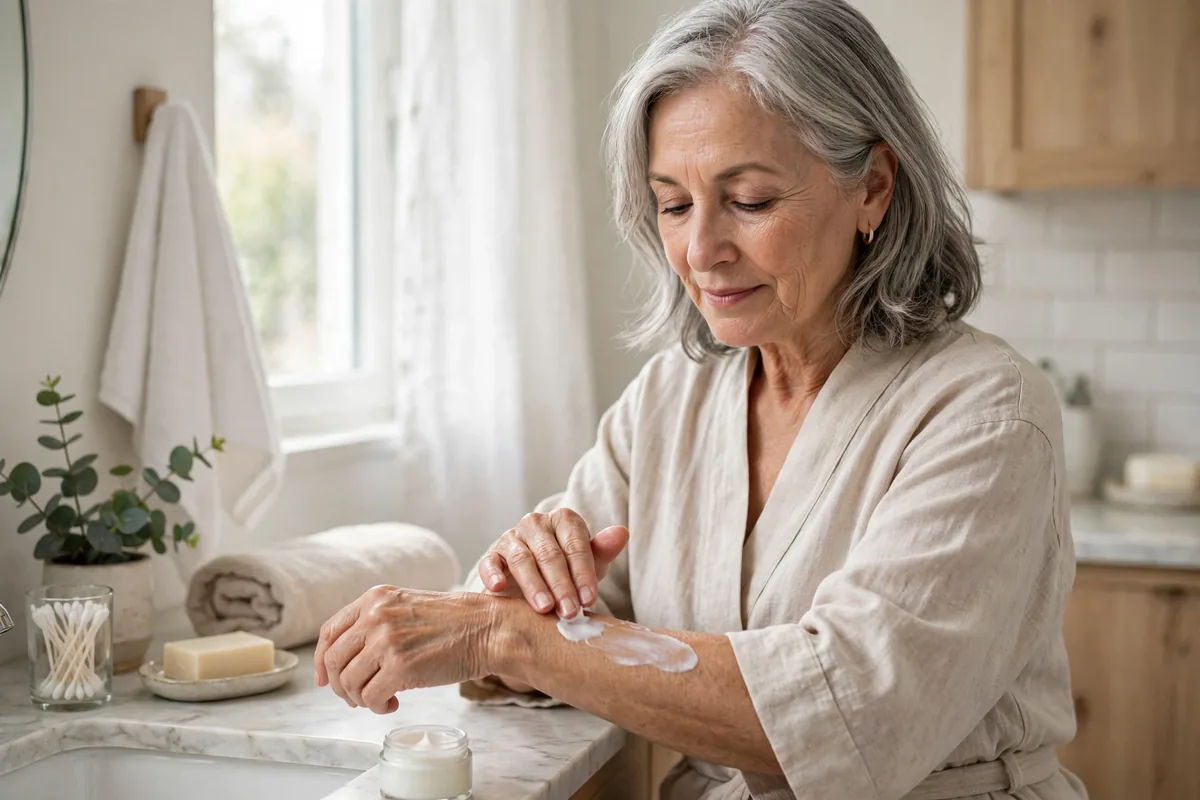
It starts with a patch on your shin. Then your back joins in.
By 3 a.m. you are awake, scratching, wondering what changed. Nothing in your routine is new. Same soap. Same sheets. Same you.
Except your skin is not the same. It has been quietly changing for years, and the itch is its way of filing a complaint.

Your skin is running on empty

When you were 30, your skin made plenty of its own oil. Dermatologists call this oil sebum. It kept the surface supple and sealed moisture in.
After 50, those oil glands slow down. A lot. Sweat glands pull back too. The result is xerosis. That is the medical word for very dry skin, and it is the number one reason older adults itch, according to geriatric dermatologists.
There is more. The outer layer of your skin, the barrier, gets thinner and repairs itself more slowly. Think of it like an old raincoat. It still works, but water gets through the worn spots.
Even your nerves change. Tiny nerve fibers in aging skin become twitchier, so signals your younger skin would have ignored now register as itch. A shirt tag. A wool blanket. A dry winter afternoon.
Hormones play a part as well, especially for women after menopause, when falling estrogen leaves skin drier and thinner. Medications can pile on: quite a few common prescriptions list itching as a side effect.
None of this means something is seriously wrong. Most of the time it is just age doing what age does. But the itch is real, and it deserves a real response.
Here are five things that actually help, starting in your bathroom.
Fix one: take back your shower

Hot water feels wonderful on itchy skin. It is also one of the worst things you can do to it.
Hot water strips away the little oil your skin still makes. What feels like relief in the moment leaves you drier and itchier an hour later. The fix is almost offensively simple. Turn the temperature down to lukewarm.
Keep it short, too. Ten minutes is plenty. And skip the harsh antibacterial soaps and the heavily perfumed body wash. A gentle, fragrance-free cleanser does the job without declaring war on your skin.
One word of caution about labels. “Unscented” is not the same as “fragrance-free.” Unscented products can still contain chemicals that mask scent, and those can irritate. Look for the words fragrance-free, spelled out, on the front.
Fix two: moisturize like you mean it
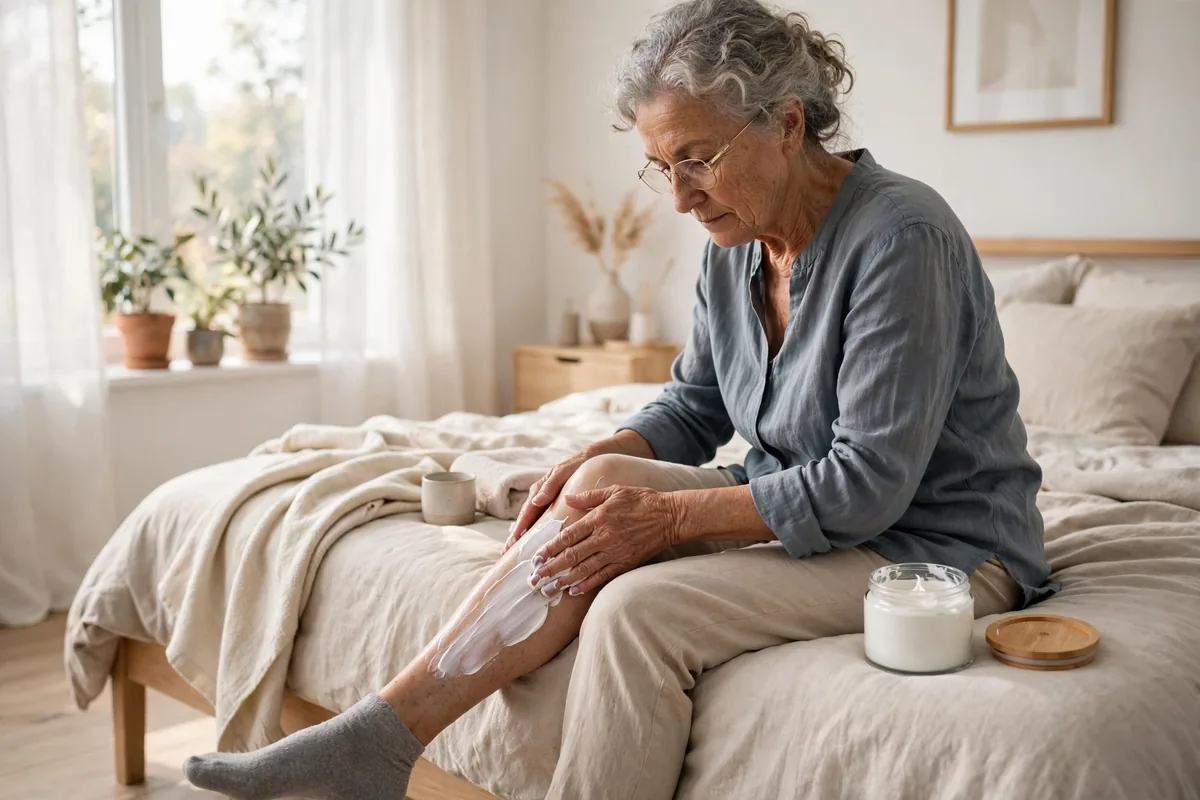
Most people moisturize wrong. Not the product. The timing.
Your skin absorbs moisture best in the minutes right after bathing, while it is still damp. Pat yourself dry, do not rub, then apply cream right away. This traps water against your skin instead of letting it evaporate, a technique dermatologists swear by.
Texture matters more than brand. Lotions are mostly water and vanish fast. Creams and ointments are thicker and seal better. If it pours, it is probably too thin for very dry skin. If you have to scoop it, you are on the right track.
Petroleum jelly is the unglamorous champion here. Cheap. Fragrance-free. Seals in moisture for hours. Dermatologists have recommended it for decades, and it still beats most fancy jars.
Reapply during the day whenever skin feels tight. Hands, shins, and forearms dry out fastest. Keep a tube where you will actually use it: the kitchen sink, the nightstand, your bag.
Fix three: cool the itch instead of scratching it

Scratching feels like the answer. It is actually the problem getting worse.
Every scratch creates tiny breaks in already fragile skin. Those breaks let moisture out and irritants in, which causes more itching, which causes more scratching. Dermatologists call this the itch scratch cycle. Breaking it is the whole game.
Cold is your best substitute. Press a cool, damp washcloth against the itchy spot for five to ten minutes. The cold calms the nerve signals that carry the itch, one of the American Academy of Dermatology’s top tips.
For stubborn spots, try an over-the-counter cream with menthol or calamine. Both create a cooling sensation that competes with the itch signal. An oatmeal bath works the same way for larger areas. Lukewarm water, a packet of colloidal oatmeal, twenty minutes. Your grandmother was right about this one.
At night, keep nails short and smooth. If you scratch in your sleep, consider soft cotton gloves. It sounds odd. It works.
Fix four: audit your laundry room

Your skin touches your clothes all day. Your clothes touch your detergent every wash. Do the math.
Fragranced detergents, dryer sheets, and fabric softeners leave residue on fabric, and aging skin notices residue it used to ignore. Switch everything that touches your skin to fragrance-free versions. Detergent, softener, the works.
Fabric matters too. Loose cotton breathes and rarely irritates. Wool and rough synthetics can feel like sandpaper on dry skin. If you love a wool sweater, wear a cotton layer underneath. Your skin gets the softness, you get the warmth.
Wash new clothes before wearing them. Manufacturers coat fabrics with finishes that can irritate sensitive skin, and one wash usually removes them.
Fix five: put moisture in the air

Winter is itch season for a reason. Cold air holds less moisture, and indoor heating dries it out further. Your skin is basically living in a desert from November to March.
A humidifier in the bedroom can change this overnight, literally. Aim for indoor humidity around 40 to 50 percent. That is comfortable for skin without turning your windows into waterfalls.
Clean it regularly, though. A dirty humidifier grows mold, and mold brings its own problems. Rinse the tank daily and do a deeper clean weekly, following the manufacturer’s instructions.
When the itch deserves a doctor

Most age-related itching answers to the five fixes above. Sometimes it does not, and that matters.
See a dermatologist if the itching lasts more than two weeks despite good skin care, if it disrupts your sleep, if you notice a new rash or sores from scratching, or if the itch came on suddenly with no clear cause. In rare cases, persistent itching can signal something internal, like a thyroid, kidney, or liver issue, that needs attention.
Bring a list of your medications to the appointment. Your doctor may spot a culprit you never suspected.
A quick note: this article shares general information, not medical advice. Skin is personal. When in doubt, talk to your own doctor or dermatologist about what is right for you.
Your skin kept you comfortable for fifty-plus years. A little extra care now is a fair trade.

Eliza Mercer, the renowned golf coach with unmatched expertise in the sport, is our Lead Instruction Coach. Eliza provides exclusive and personalized coaching sessions to help golfers of all levels improve their skills. With her wealth of knowledge and experience, Eliza is a valuable resource for readers looking to elevate their game. Join Our Team!