
Your favorite soup tastes like warm water. Coffee seems weaker. Nothing changed in the recipe.
Something changed in you. After 60, the senses that make food delicious start to dim, quietly, a little at a time. Most people blame their taste buds. The real story is more interesting than that.
Here are six changes worth knowing about, and what each one means for your plate.

Your nose is doing less of the work
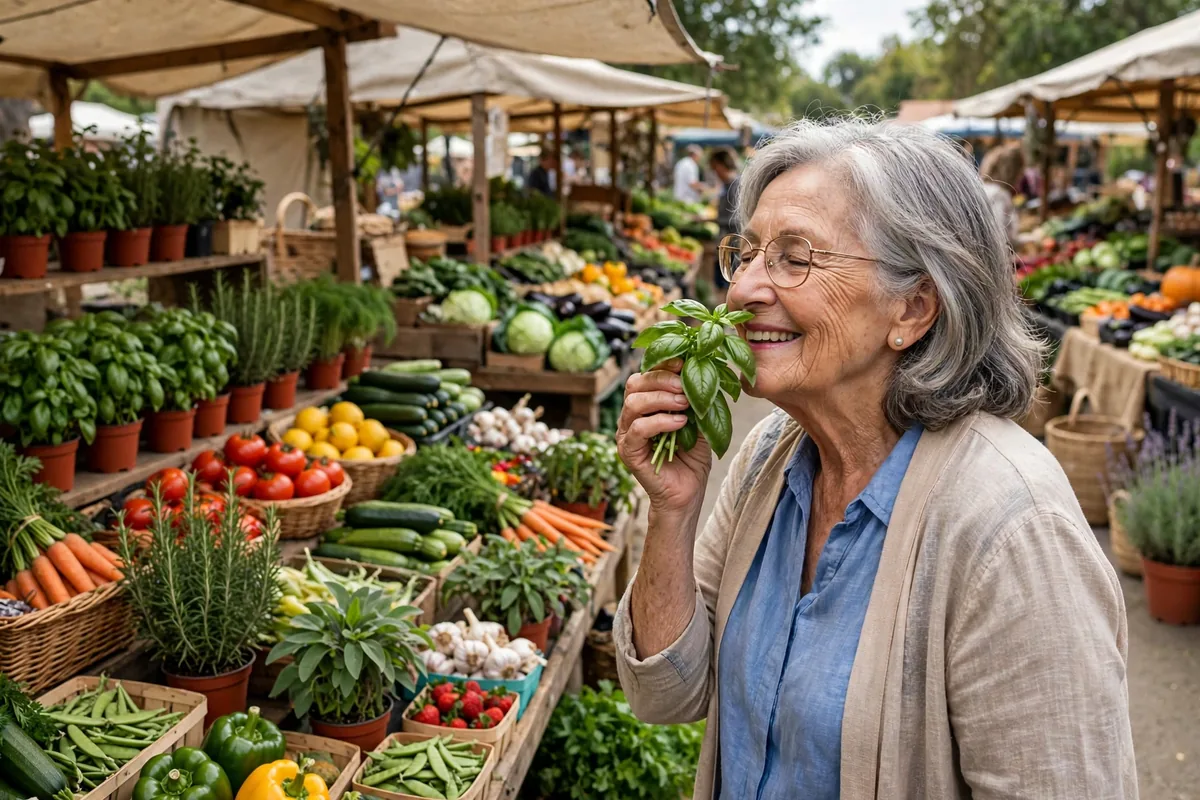
Here is a fact that surprises almost everyone. Most of what you call taste is actually smell.
Your tongue only detects five basic tastes: sweet, salty, sour, bitter, and savory (scientists call savory umami). Everything else, the difference between an apple and a pear, between basil and mint, arrives through your nose as aroma. Flavor is a team effort, and smell is the star player.
That star player retires early. The medical term is presbyosmia, age-related smell decline, and it typically begins after 60. The scent-detecting nerve cells in your nose thin out and regenerate more slowly. The mucus that traps scent molecules dries up a little. Harvard Health notes that by your 80s, smell detection can be nearly 50 percent poorer than in your younger years.
This is why food seems blander even though your tongue works fine. The tongue is reporting for duty. The nose stopped sending its half of the report.
Sweet and salty go quiet first
Taste buds do change too, just more slowly than smell. You are born with thousands of them, and they replace themselves every week or two when you are young.
Around 50, that replacement crew gets lazy. Buds shrink. Fewer of them respond. And the decline is not even. Sensitivity to sweet and salty fades first, while bitter and sour hang on longer.
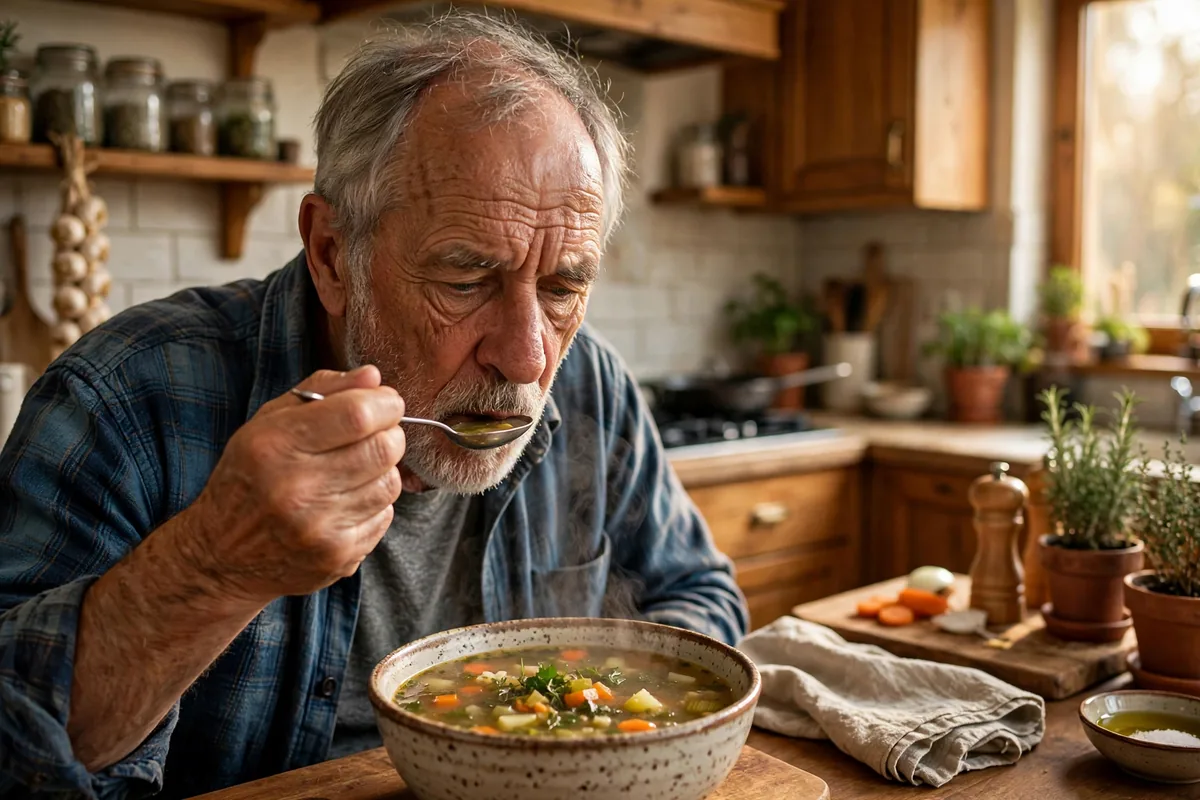
The result is lopsided. Your morning coffee tastes more bitter because the sweetness you used to perceive is gone. Soup needs more salt because your salt detectors went half deaf. It is not your cooking. It is your calibration.
This matters beyond enjoyment. When food tastes flat, people eat less, or they drown everything in salt and sugar to compensate. Both directions can quietly hurt your nutrition.
The salt shaker gets heavier
Reaching for more salt is the most common response. It is also the one worth rethinking.
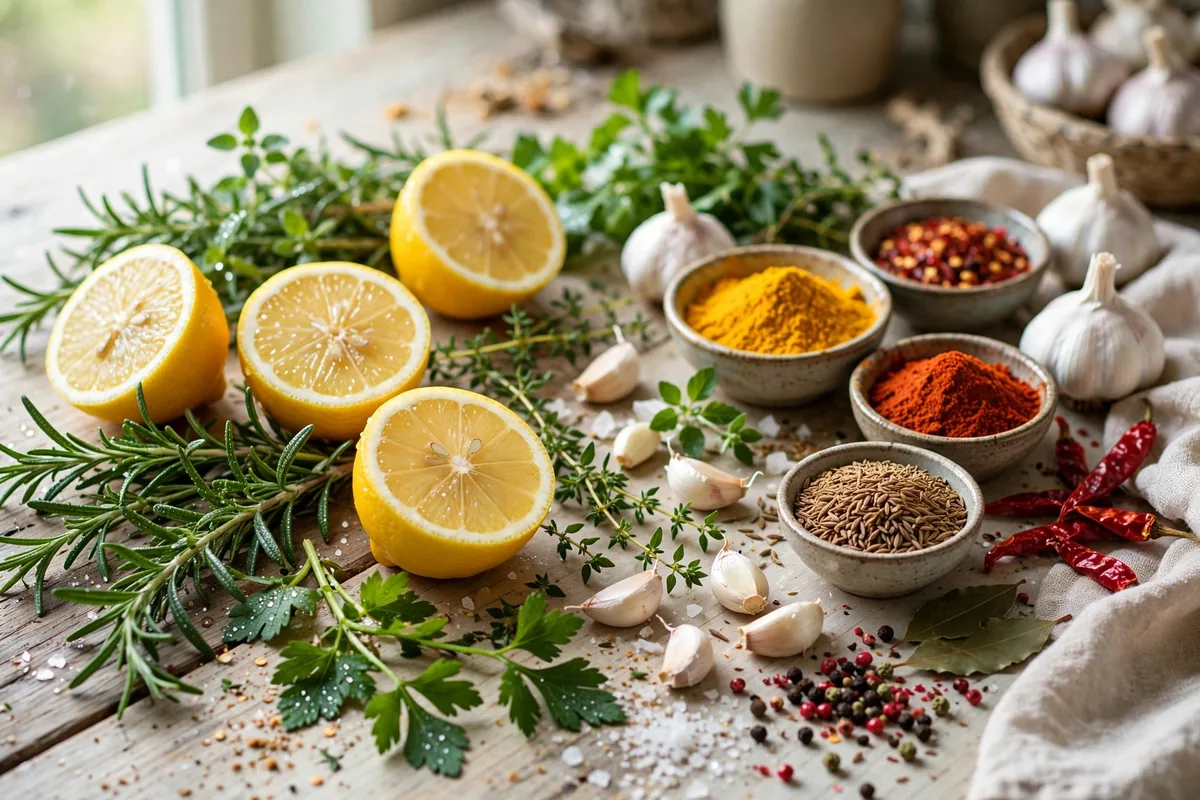
Extra salt raises blood pressure for many older adults, and the extra never quite restores the old flavor anyway. There are better levers to pull. Acidity wakes up dull food: a squeeze of lemon, a splash of vinegar. Heat helps too, not chili heat necessarily, just serving food warm, which releases more aroma.
Herbs are your new best friends. Basil, rosemary, garlic, ginger. They stimulate the smell receptors that are still working. Texture adds interest that flavor lost: crunch, creaminess, contrast on the same plate.
And here is a trick from chefs. Salt food in layers while cooking instead of all at the end. You will use less total salt and taste more of it.
A dry mouth mutes everything
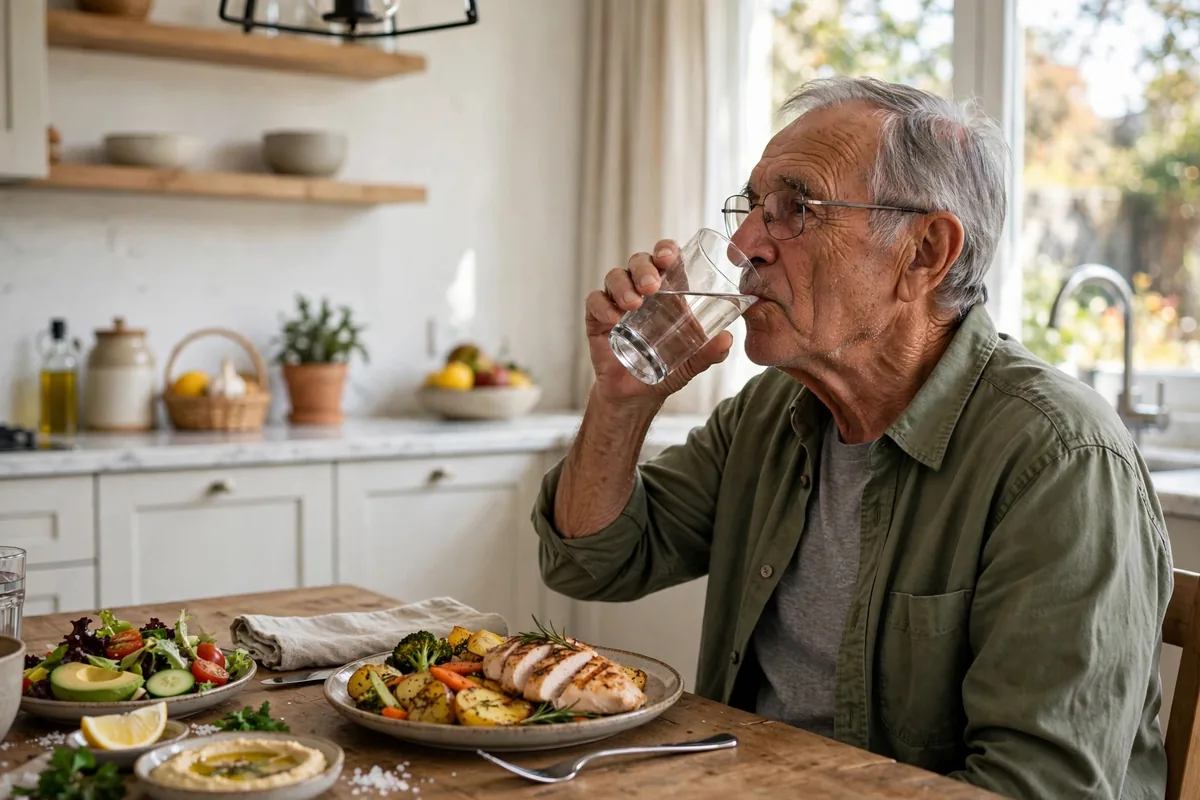
Flavor molecules need a ride to reach your taste buds. That ride is saliva.
With age, the mouth produces less of it. Hundreds of common medications make it worse: blood pressure drugs, antihistamines, antidepressants, and many others list dry mouth as a side effect. The result is food that sits on the tongue without fully dissolving into flavor.
Water is the obvious fix, and it works. Sip through the meal, not just after. Chewing sugar-free gum between meals gets saliva flowing. Tart foods like citrus or pickles trigger a little extra flow too.
If dry mouth is constant, mention it to your doctor or dentist. Sometimes a medication can be adjusted. Sometimes there is an underlying cause worth finding.
Sometimes it is not age at all

Gradual fading over the years is normal. A sudden change is not.
If your sense of smell or taste drops off a cliff in weeks, look for other causes first. Sinus infections, nasal polyps, and allergies can block the works. Dental problems, from gum disease to an ill-fitting denture, interfere with taste more than people expect. Smoking dulls both senses, and quitting often brings noticeable improvement within months.
Medications deserve a special mention. Mayo Clinic advises seeing your doctor if the change is sudden or significant, because drugs or an underlying condition could be responsible. Bring a list of everything you take, including over-the-counter products.
There is one more reason to pay attention. In rare cases, smell loss can be an early signal of neurological conditions. That is not a reason to panic. It is a reason to mention it at your next checkup instead of shrugging it off.
Your early warning system gets quieter
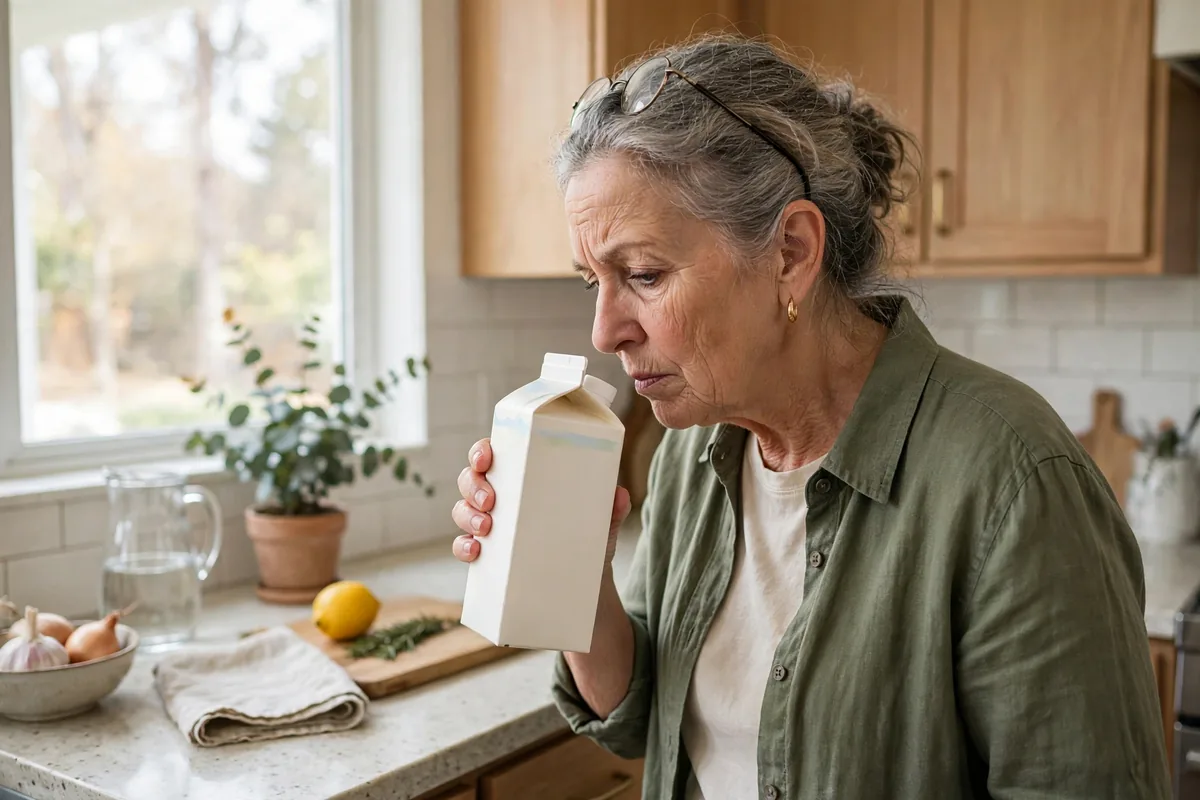
Smell is not just about pleasure. It is protection.
A fading nose is slower to catch a gas leak, smoke from a forgotten pan, or milk that turned three days ago. This is the least discussed and most practical consequence of presbyosmia.
A few habits close the gap. Date leftovers with masking tape and respect the dates. Keep working smoke and carbon monoxide detectors, and test them twice a year. If you use a gas stove, consider a standalone gas detector for the kitchen. They are inexpensive and loud.
When in doubt about food, throw it out. Your nose used to be the judge. Give the job to the calendar now.
Eat with every sense you have left

You cannot reverse the aging of your nose and tongue. But you can stop relying on them alone.
Make food beautiful. Color, arrangement, a real plate instead of a container. Your eyes prime your brain for flavor before the first bite. Vary textures. Serve things at the right temperature. Eat with other people when you can, because company genuinely makes food taste better. Researchers have found that appetite and enjoyment both rise at a shared table.
And protect what you have. Treat sinus problems promptly. Keep up with dental care. Do not smoke. Stay hydrated.
One last note: this article is general information, not medical advice. If taste or smell changes are sudden, severe, or one-sided, talk to your doctor promptly. For the slow fade of normal aging, though, the answer is not resignation. It is a better seasoned, better looking, better shared plate.

Eliza Mercer, the renowned golf coach with unmatched expertise in the sport, is our Lead Instruction Coach. Eliza provides exclusive and personalized coaching sessions to help golfers of all levels improve their skills. With her wealth of knowledge and experience, Eliza is a valuable resource for readers looking to elevate their game. Join Our Team!