
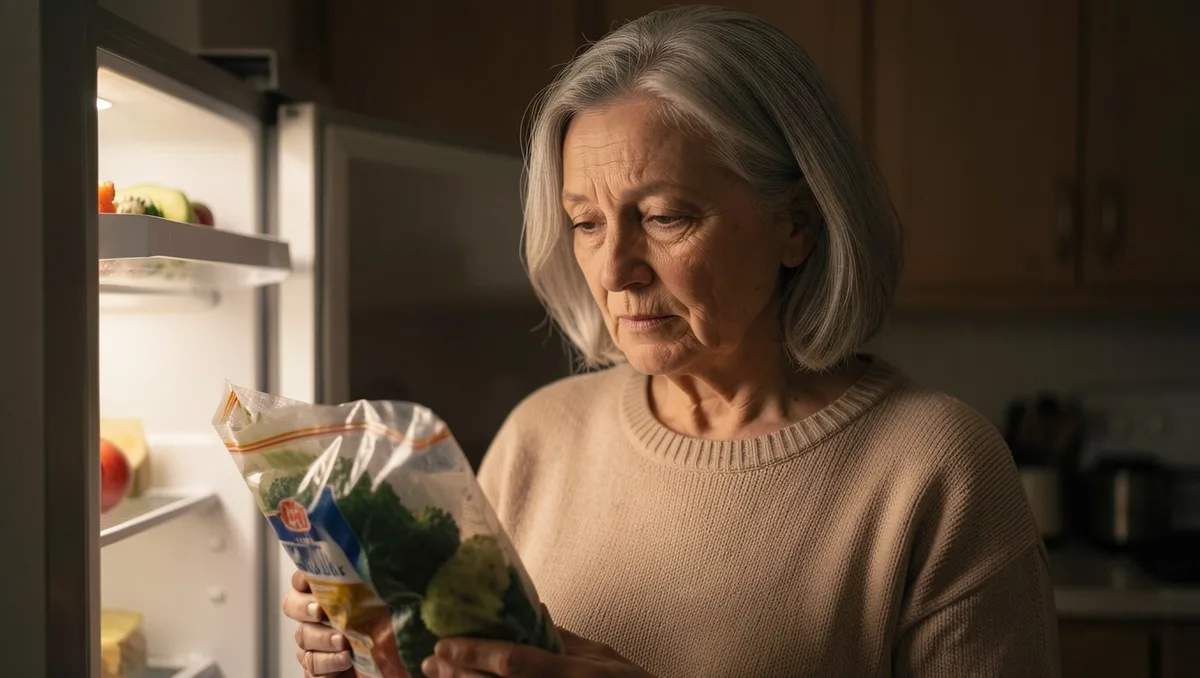
You buy a bag of fresh spinach with every intention of eating clean, only to pull a slimy green pool out of your crisper drawer five days later.
It feels like money down the drain, so you walk past the freezer aisle assuming those bags are a cheap compromise for convenience.
Here is the truth: store-bought fresh produce often spends two weeks in transit losing nutrients before you even buy it.
Flash-freezing locks in vitamins at peak ripeness, making several frozen staples nutritionally equal or superior to their fresh counter counterparts.
💡 PRO TIP
The Freshness Illusion
Fresh spinach and broccoli can lose up to 50% of their vitamin C content within seven days of being harvested when stored at standard refrigerator temperatures.
Why Flash-Freezing Preserves Nutrients Better Than the Produce Aisle
Most people assume fresh produce sits on a pedestal of superior nutrition, but that assumes you pick it straight from the garden.
Commercially grown fresh produce is harvested early to survive weeks of transport, ripening artificially in trucks under carbon dioxide gas.
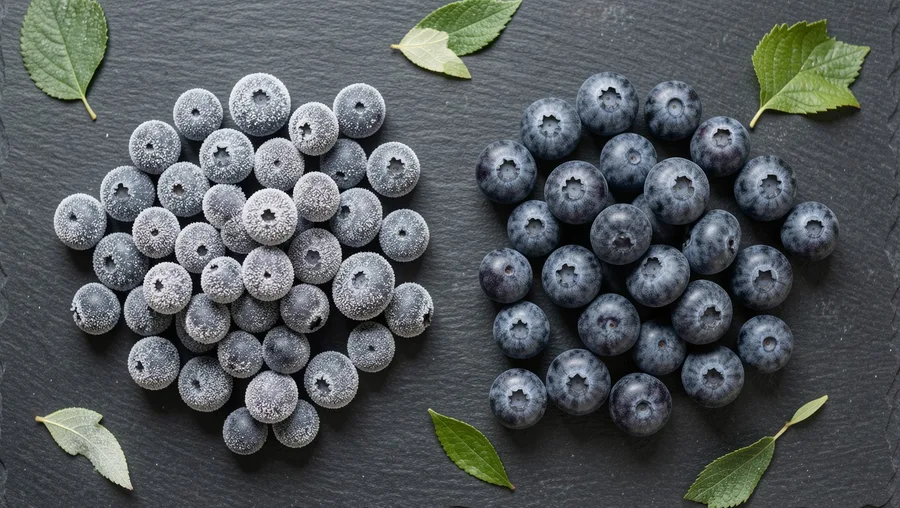
Commercial flash-freezing uses Individually Quick-Frozen (IQF) technology, dropping temperatures to sub-zero levels within hours of harvest.
This rapid process prevents large ice crystals from forming, keeping cell walls intact and sealing in delicate water-soluble vitamins like C and B-complex.
🧪 Vitamin C Decay: Fresh vs. Frozen Over 10 Days
Day 1: Harvest
Fresh produce is picked early for shipping; frozen produce is harvested at peak ripeness.
Day 2: Processing
Frozen produce undergoes IQF flash-blanching within hours, locking in peak nutrient density.
Day 5: Transit & Retail
Fresh items sit in transit trucks losing heat-sensitive vitamins daily under ambient light.
Day 10: Home Storage
Fresh items in your crisper drawer lose up to half their vitamin C, while frozen stays 100% stable.
1. Wild Blueberries: The Concentrated Antioxidant Powerhouse
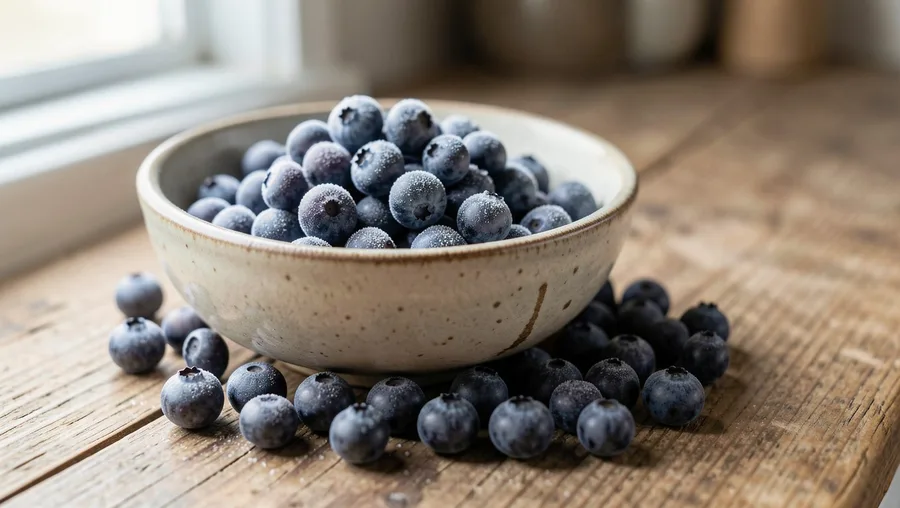
You step up to the berry display in winter, drop seven dollars on a tiny plastic clam-shell of fresh blueberries, and find mold on three of them by breakfast.
Wild blueberries are smaller than cultivated highbush berries, giving them a much higher skin-to-pulp ratio where skin holds the powerful anthocyanin pigments.
Because wild crops are flash-frozen within hours of harvest, their delicate polyphenols suffer zero light or heat degradation on their way to your bowl.
Stir them directly into hot steel-cut oatmeal or blend them into protein shakes without waiting for them to thaw in the sink.
💡 Tip: Look for bags explicitly marked 'Wild' rather than standard frozen berries for twice the antioxidant capacity per serving.
Wild Blueberries — At a Glance
🫐 Key Compound
Anthocyanins
⏱️ Freezer Life
8–12 Months
💪 Main Benefit
Brain & Vascular Health
🥣 Best Prep
Unthawed in Oatmeal/Smoothies
Nutrient Advantage
Smaller size equals double the skin surface area and higher polyphenol concentration per cup.
2. Spinach & Greens: Packed Nutrients by the Block
Fresh spinach looks massive in the bag, but cooks down to a tiny tablespoon in your skillet, leaving you with far fewer vitamins than you calculated.
When manufacturers freeze spinach, they light-blanch and compress it, packing three to four times more actual leaf volume into every cup.
Nutritionists emphasize that lutein, folate, and iron remain remarkably stable during blanching, making frozen blocks an unbeatable value.
Thaw a block in a colander, squeeze out the excess water using a clean dish towel, and mix it directly into egg bakes, soups, or pasta sauces.
💡 Tip: Always squeeze out excess moisture before adding to warm dishes to avoid watering down your sauces or egg bakes.
Spinach Volume & Value Realities
Fresh Spinach Bag
- Loses 50% Vitamin C after 7 days in fridge
- High water-to-leaf ratio per cup
- Slimy decay within 4-5 days of opening
- Higher cost per actual cooked cup
Frozen Spinach Block
- Nutrients locked in on harvest day
- 4x dense concentration of leaves per serving
- Zero food waste; use exact amounts needed
- Significantly cheaper per gram of folate/iron
3. Sweet Green Peas: Halting Sugar-to-Starch Conversion
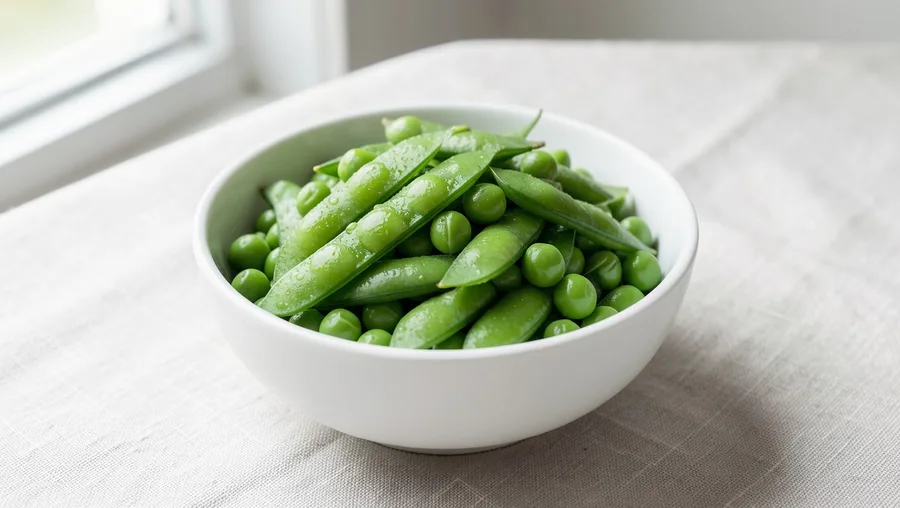
Fresh green peas have a notoriously tiny window of peak sweetness before their natural sugars convert into dense, chalky starches.
Within 24 hours of being picked, a fresh pea converts up to half of its natural sugar into starch, losing its tender texture and bright flavor.
Flash-freezing halts this enzymatic breakdown instantly, trapping plant protein, fiber, and thiamine at their exact sweet spot.
Steam them for under three minutes in a splash of water, or toss them cold directly into summer grain bowls with feta and mint.
Grocery Budget Impact: Peas & Greens
Based on average US supermarket pricing comparing usable yield per weight.
4. Wild Salmon & Fatty Fish: Preserving Omega-3 Oils
That glossy salmon fillet sitting on ice at the seafood counter looks remarkably fresh, but it was almost certainly frozen at sea months ago.
Grocers thaw bulk fish blocks in rear coolers before setting them on retail ice beds where exposure to oxygen slowly degrades delicate fats.
Buying fish that remains frozen in vacuum-sealed vacuum packaging prevents oxygen from breaking down fragile EPA and DHA omega-3 fatty acids.
Thaw fillets overnight in your refrigerator while still in their sealed wrappers, or air-fry small portions directly from frozen using low heat settings.
Best For
5. Broccoli Florets: Protecting Cellular Sulforaphane
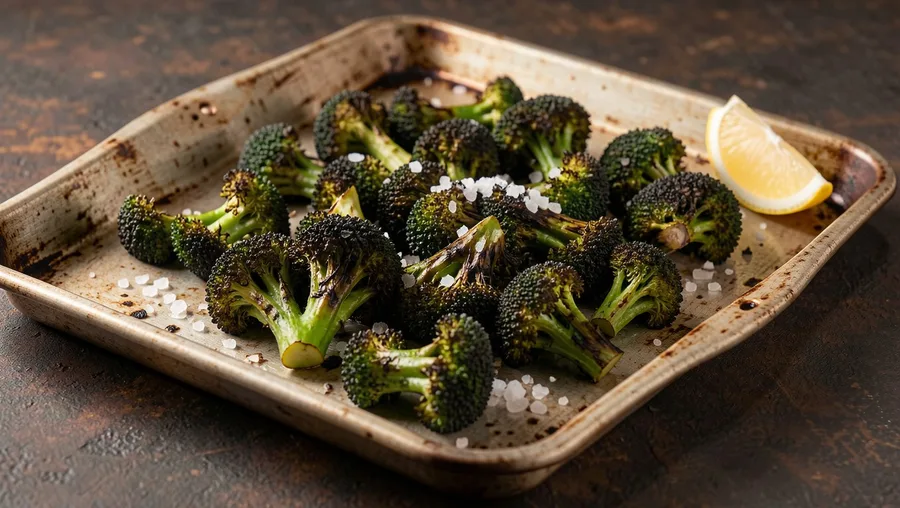
Broccoli sits in your fridge for a week, turning pale yellow while its glucosinolates—the compounds that form cancer-protective sulforaphane—evaporate.
Studies show that fresh broccoli stalks stored at room temperature lose over 50% of their beneficial glucosinolates within five days of harvest.
Flash-blanching before freezing locks these enzymatic precursors into the cell structure, ensuring high sulfur compound availability when cooked.
Avoid boiling frozen florets into mush; toss them straight from the bag with olive oil and high-heat roast them on a preheated sheet pan.
Nutrient Degradation Risk in Storage
How different storage methods drain heat-sensitive vitamins over time
- Flash-Frozen (-0°F): Minimally affected; locked in at harvest.
- Crisper Drawer (Day 3): Minor vitamin C oxidation begins.
- Crisper Drawer (Day 7): Up to 50% loss of water-soluble nutrients.
- Countertop Display (Day 5): Severe enzymatic breakdown and light loss.
6. Mango & Pineapple Chunks: Tree-Ripened Carotenoid Hits
Fresh imported mangoes and pineapples are picked rock-hard and green so they do not rot inside cargo containers during long sea transit.
Because they ripen off the vine, these imported fruits never develop their full potential concentration of vitamin C and beta-carotene.
Frozen tropical fruit processors wait until fruit reaches absolute tree ripeness before washing, peeling, and quick-freezing the flesh.
Eat semi-thawed mango chunks as a cooling afternoon snack, or blend frozen pineapple chunks with Greek yogurt for instant soft-serve.
Tropical Fruit Ripening Reality
7. Edamame in Pods: Complete Plant Protein Protected
Finding whole, unblemished fresh soy pods in standard grocery stores is nearly impossible unless you live adjacent to a specialty farm market.
Frozen shelled or podded edamame preserves all nine essential amino acids, dietary fiber, and protective isoflavones without structural damage.
The tough exterior pod acts as a natural shield during the freezing process, protecting the soft young soybeans inside from moisture loss.
Boil the pods in heavily salted water for four minutes, drain thoroughly, and toss with coarse sea salt and crushed red pepper flakes.
⚠️ COMMON MISTAKE
Beware Added Sodium and Sauces
Always check the ingredient list on frozen veggie bags. You want 100% pure vegetables, not hidden sodium, palm oil, or butter glazes.
The single ingredient on the back of any frozen vegetable bag should be the name of the vegetable itself.
— Dietary Consensus Among Registered Dietitians
The Frozen Aisle Traps to Avoid
While plain frozen produce is a nutritional home run, food manufacturers love adding pre-made cheesy glazes, garlic butter, and sugary syrups.
A single serving of pre-sauced frozen broccoli can pack over 500 milligrams of sodium and saturated fats that neutralize its health benefits.
Another pitfall is freezer burn, which happens when ice crystals sublimate from the food, causing dry, discolored patches on the surface.
Freezer burn does not make food unsafe to eat, but it strips away natural flavor compounds and ruins the delicate cell texture.
| Food Category | Buy Fresh When… | Buy Frozen When… |
|---|---|---|
| Berries & Fruit | Eating raw within 48 hours; local season | Blending, oatmeal toppings, off-season |
| Leafy Greens | Raw crisp salads, wraps, fresh garnishes | Cooking into soups, stews, egg dishes |
| Fatty Fish | Purchased directly from a local dock | Standard supermarket purchases year-round |
| Cruciferous Veggies | Raw dipping trays, quick stir-fries | High-heat sheet-pan roasting, purees |
How to Cook Frozen Veggies Without Making Them Mushy
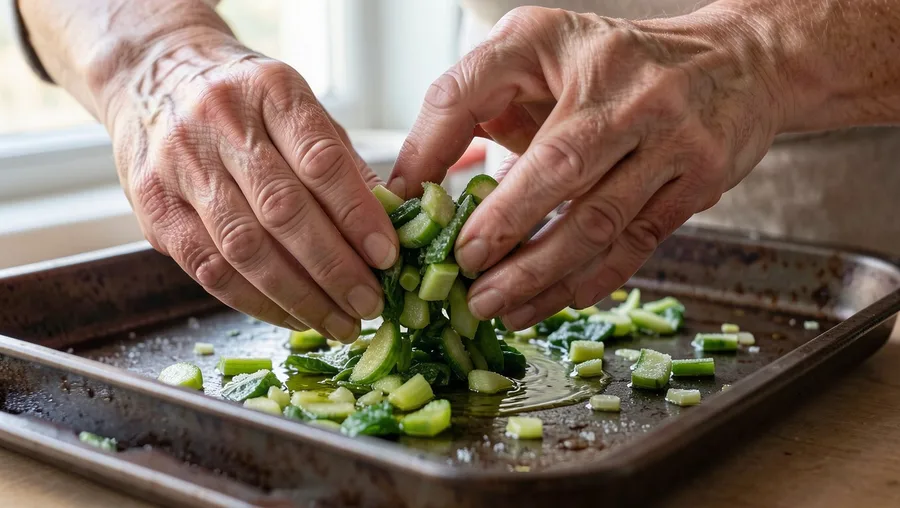
The biggest reason people hate frozen vegetables is that they boil them in a pot of water until they become soggy and tasteless.
Boiling leaches water-soluble vitamin C and B vitamins directly into the water, which ends up poured right down the sink drain.
Instead, cook most frozen vegetables straight from the freezer without defrosting using high-heat roasting, air-frying, or rapid steaming.
Preheat your baking sheet at 425°F, toss the frozen florets in olive oil, and spread them in a single layer so steam escapes freely.
7-Day Frozen Staples Prep Routine
Frequently Asked Questions
Does microwaving frozen vegetables destroy their nutrient content?
No, microwaving is actually one of the best methods for preserving vitamins in frozen produce. Because it cooks food quickly using minimal water, delicate nutrients like vitamin C and folate stay intact rather than leaching out into boiling water.
How long can frozen vegetables stay in the freezer before losing nutrition?
Frozen vegetables remain completely safe to eat indefinitely if kept at 0°F. However, for optimal taste, cellular texture, and maximum nutrient retention, aim to use them within eight to twelve months of purchase.
Are store-brand frozen vegetables as healthy as expensive name brands?
Yes, private-label store brands use the exact same flash-freezing processing plants and quality standards as major name brands. Check the ingredient list to confirm it contains 100% pure vegetables without added sodium or butter sauces.
Why do frozen berries get mushy when they thaw?
Water expands when frozen, which naturally ruptures some of the fruit's delicate cellular walls. While this softening changes the texture for raw eating, it makes frozen berries ideal for blending, baking, or stirring into hot cereals.
Start With This Simple Switch
You do not need to overhaul your entire kitchen or stop buying fresh produce at your local farmer's market during peak summer months.
Start by swapping just two items—wild blueberries and squeezed spinach blocks—into your regular weekly grocery rotation.
You will save money, eliminate crisper drawer guilt, and deliver peak-ripeness nutrients to your body every single week.
Upgrade Your Weekly Grocery Strategy
Stop throwing away wilted greens and start saving money with peak-ripeness frozen staples today.

Meet Edward Green, the founder of GolfingGoal and a seasoned expert in golf. With years of experience on the course and a passion for the sport, Edward has a wealth of knowledge to share. As our Lead Writer, he contributes articles, tutorials, and resources to help readers to improve their skills and reach their full potential on the golf course. Join Our Team!