
You step off the bathroom scale at 6 a.m. after six weeks of meticulous calorie tracking, only to see the exact same number staring back at you.
It feels like hitting an invisible metabolic wall that arrived unannounced on your fiftieth birthday. You are eating the same salads and walking the same three miles you did a decade ago, yet your waistline tells a completely different story.
I spent my late fifties wrestling with that exact frustration. I tried dropping my daily intake to 1,200 calories, but all it gave me was brain fog, relentless late-night cravings, and zero movement on the scale.
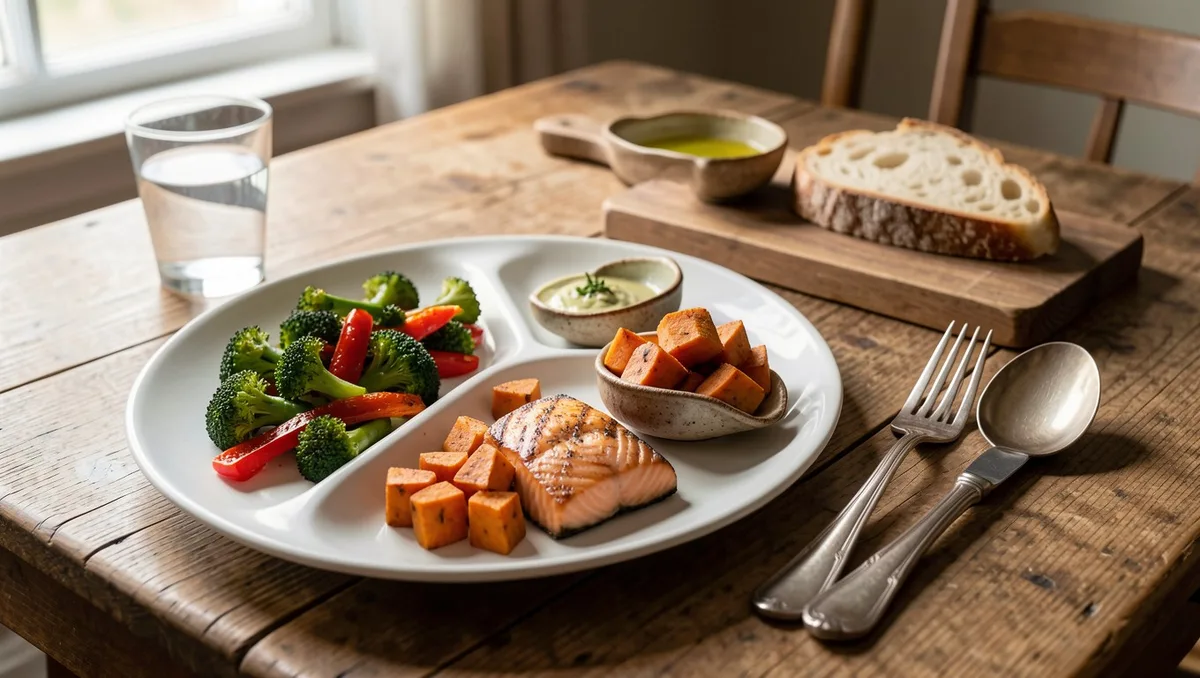
Everything shifted when I stopped treating my body like a math equation and started treating my plate like a piece of structural real estate. By adopting a straightforward, visual plate division method, I dropped 18 pounds over four months—without weighing a single gram of chicken breast or giving up dinner with my family.
Here is the exact biological breakdown of why your midlife metabolism stopped responding to old-school dieting, and how this visual strategy turns satiety hormones back in your favor.
💡 PRO TIP
The Midlife Metabolic Shift
Between ages 40 and 60, resting metabolic rate drops by roughly 1% to 2% per decade due to natural muscle loss (sarcopenia). Rebuilding your plate around high-volume, low-calorie-density foods restores fullness signals before you overconsume energy.
Why Healthy Eating Stopped Working When I Turned 50

Your body at 57 is not the body you had at 27.
When estrogen and testosterone decline during midlife, our bodies naturally lose muscle mass—a process called sarcopenia—while simultaneously becoming less sensitive to insulin. This double whammy means calories that used to fuel daily movement are now far more likely to be directed into central fat storage.
Standard calorie-cutting diets backfire terribly at this stage of life. When you drastically reduce food volume, your brain interprets the shortage as a crisis, ramping up the hunger hormone ghrelin while suppressing your resting metabolic rate.
You end up fighting your own chemistry with sheer willpower.
The solution is not eating microscopic portions of plain food. The real secret lies in altering the physical proportion and volume density of your plate so your stretch receptors signal complete fullness to your brain long before you overeat.
The Biological Mechanism: Volume, Fiber, and Hormonal Signaling
Satiety is a mechanical process before it is a chemical one.
Inside your stomach wall sit specialized nerve sensors called mechanoreceptors. When these sensors are physically stretched by the volume of food you swallow, they send immediate neural signals up the vagus nerve to tell your brain to stop eating.
If you fill your stomach with dense, low-volume foods like white pasta or processed snacks, you must consume a massive amount of calories before those stretch receptors ever activate.
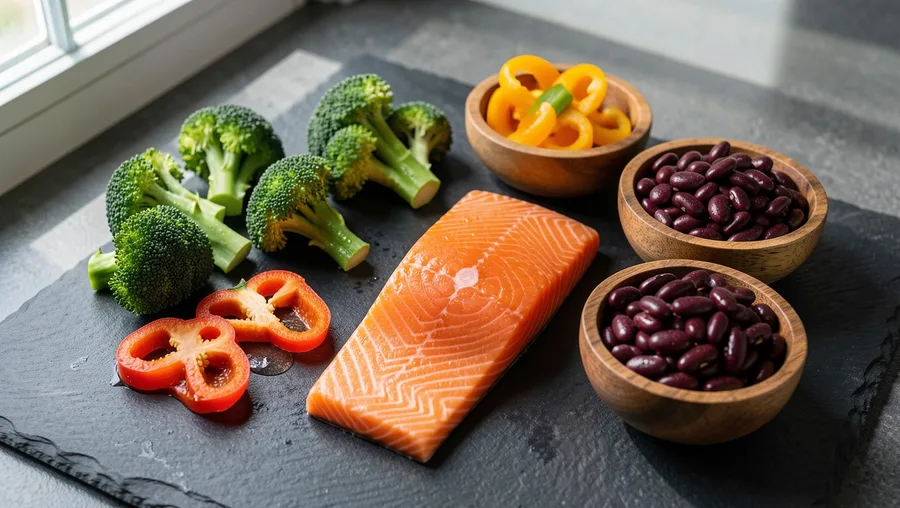
However, when you fill half your plate with fiber-dense, water-rich vegetables, those receptors trigger satiety early on a fraction of the energy budget.
Simultaneously, viscous soluble fiber slows down the rate at which your stomach empties into the small intestine. This prevents sharp insulin spikes that lock body fat in storage, while triggering the release of peptide YY and GLP-1—the body's natural appetite-suppressing hormones—that keep you full for up to five hours.
Standard Midlife Dinner vs. The 50+ Plate Rule
Standard Dinner (High Density)
- 70% refined carbohydrates (pasta, white rice)
- 15% heavy sauces and added oils
- 15% small portion of overcooked protein
- Triggers rapid insulin spikes and fat storage
- Hunger rebounds within 2 hours of eating
50+ Plate Rule (High Volume)
- 50% non-starchy cruciferous and leafy vegetables
- 25% lean, muscle-preserving protein (25–35g)
- 25% slow-burning complex carbohydrates
- Maximal stretch receptor and GLP-1 activation
- Sustained, calm energy for 4–5 full hours
Step 1: Fill Half Your Plate with Fiber-Dense, Water-Rich Foods
The foundation of the entire system starts with visual real estate.
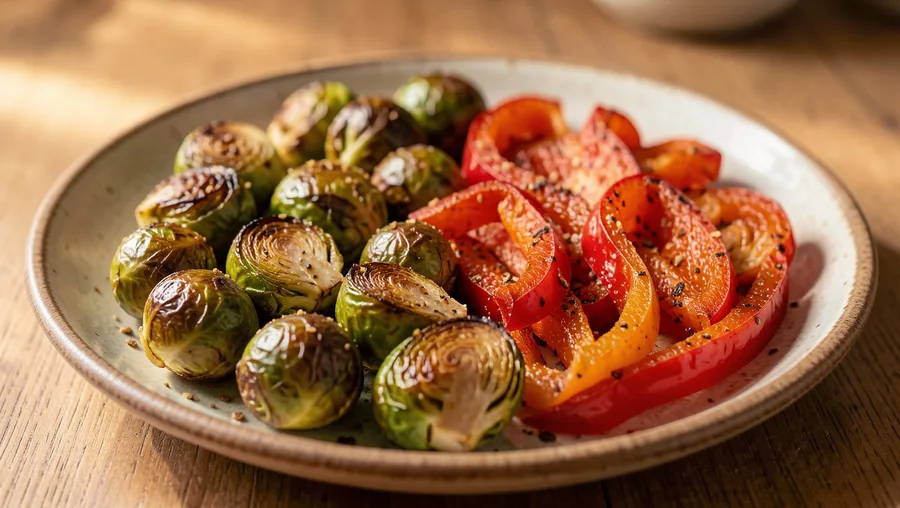
Before anything else touches your dinner plate, fill exactly 50% of its surface with non-starchy vegetables. We are talking about broccoli, roasted cauliflower, zucchini, asparagus, bell peppers, Brussels sprouts, or dark leafy salad greens.
These foods carry an exceptionally low calorie density, meaning you can eat two massive cupfuls for under 80 calories while flooding your system with structural fiber and water.
Boiled, plain vegetables lead to quick diet burnout.
Toss your greens in a single tablespoon of extra virgin olive oil, season generously with garlic, sea salt, and smoked paprika, and dry-roast them at 400°F until the edges caramelize. That crisp texture transforms a basic vegetable into something you genuinely want to eat every single night.
Satiety Priority Pyramid for Adults 50+
Step 2: Dedicate a Quarter Plate to Lean, Muscle-Preserving Protein
Protein is the non-negotiable anchor for keeping your metabolism firing as you age.
After age 50, your muscle tissue develops anabolic resistance, meaning it requires a higher concentration of essential amino acids—specifically leucine—to trigger muscle repair compared to a 20-year-old body.
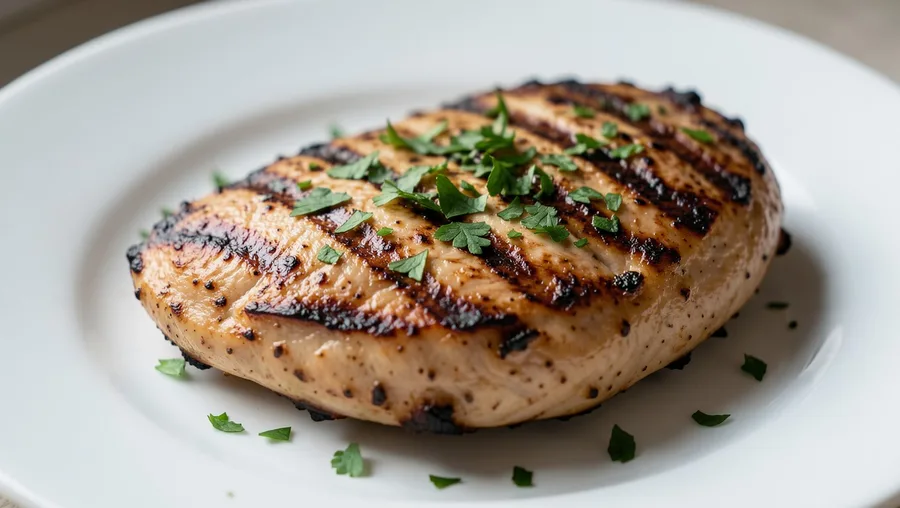
Aim for a palm-sized portion that delivers between 25 and 35 grams of complete protein per meal. Great choices include wild salmon, skinless chicken breast, ground turkey, tofu, or a four-egg omelet.
Protein also boasts the highest thermic effect of food (TEF) of any nutrient.
Your body burns roughly 20% to 30% of the calories in protein purely during the digestive breakdown process, compared to just 5% to 10% for carbohydrates and 0% to 3% for fats. Eating protein literally speeds up your metabolic engine while you sit on the couch.
Protein Debunked After 50
Step 3: Use the Final Quarter for Slow-Burning Complex Carbs

Carbohydrates are not the enemy; refined starches are.
Completely eliminating carbohydrates causes your evening cortisol levels to spike and degrades sleep quality—two factors that directly accelerate abdominal fat storage in mature adults.
Dedicate the remaining 25% of your plate to complex, low-glycemic starches like roasted sweet potatoes, cooked quinoa, wild rice, or black beans.
These complex starches slowly replenish liver glycogen without triggering rapid blood sugar spikes.
When dining out or eating without a measuring tape, use a simple visual shortcut: a single cupped hand represents the exact volume of complex starches your body needs for optimal energy.
The 3-Second Visual Plate Check
The Universal Rules: What Nutrition Science Agrees On
Strip away diet dogma and clinical consensus is surprisingly straightforward.
Researchers across exercise physiology and metabolic health agree that long-term fat loss in mature adults hinges on four pillars: maintaining a mild energy deficit, protecting lean muscle with adequate protein, sleeping seven hours nightly, and lifting weights twice weekly.
Extreme fasting windows and severe carbohydrate deprivation often backfire after 50 by driving up stress hormones and causing muscle wasting.
The Plate Rule works because it creates an automatic calorie deficit through natural volume control rather than restrictive starvation.
Consistency always beats short-term perfection.
Your 7-Day Plate Rule Transition Plan
🥗 4-Week Habit Integration Timeline
Week 1: Master the Base
Focus purely on filling half your plate with non-starchy vegetables at dinner.
Week 2: Protein Anchor
Ensure every main meal carries 25 to 35 grams of lean protein.
Week 3: Smart Carbs
Replace all refined grains with complex, fiber-rich starches.
Week 4: Automaticity
Apply the visual geometry instinctively at restaurants and social events.
How to Customize the Plate for Your Lifestyle and Needs
Real life does not happen inside a laboratory kitchen.
When eating at restaurants, ask your server to double the seasonal vegetable side and swap out buttered rolls or fries for a baked sweet potato or steamed broccoli with olive oil on the side.
If you follow a plant-based diet, use high-protein plant anchors like extra-firm tofu, tempeh, or edamame for your protein quarter, keeping carb-heavy legumes calculated inside your starch zone.
Run the three-second eye-test before every meal: half greens, quarter protein, quarter complex starch.
That instant visual feedback loop keeps you on track without ever logging entries in a tracking app.
Frequently Asked Questions
Do I need to weigh my food or count calories with this method?
No weighing or tracking is required. The physical geometry of the plate naturally controls caloric density while maximizing food volume and stretch receptor activation.
Can I use the Plate Rule if I follow a plant-based or vegetarian diet?
Yes. Choose dense plant protein sources like tofu, tempeh, or seitan for the protein quadrant, and count higher-carb options like lentils or chickpea pasta within the complex starch quarter.
How should I account for healthy fats like olive oil and avocados?
Treat added fats as a flavor layer across the plate. Limit cooked oils, salad dressings, seeds, or avocado to 1 to 2 tablespoons total per meal.
How long does it take to see weight loss results using this rule?
Most adults notice a drop in abdominal bloating within three days and a steady fat loss pace of 1 to 1.5 pounds per week within two weeks of consistent daily use.
Start With Your Very Next Meal
A shifting metabolism after 50 is not a life sentence to steady weight gain.
You do not need another restrictive 30-day challenge, expensive meal replacement shakes, or an exhausting exercise regimen to see real progress.
Grab a standard ten-inch dinner plate tonight, cover half of it with crisp roasted vegetables, add a solid portion of protein, and fill the remaining corner with sweet potato.
Focus entirely on what you are adding to your plate rather than what you are taking away.

Meet Edward Green, the founder of GolfingGoal and a seasoned expert in golf. With years of experience on the course and a passion for the sport, Edward has a wealth of knowledge to share. As our Lead Writer, he contributes articles, tutorials, and resources to help readers to improve their skills and reach their full potential on the golf course. Join Our Team!