

You reach for the same glycolic acid toner you have used for a decade, sweep it across your cheeks, and immediately feel a sharp, uncomfortable sting.
Cell turnover slows down naturally as we age, making exfoliation tempting. However, skin barrier lipid production also declines sharply after 50, meaning aggressive scrubbing or daily acid use damages fragile tissue faster than it can rebuild.
Over-exfoliation masquerades as dullness or persistent dryness, trapping many of us in a frustrating cycle where we scrub more to fix flakes while actually destroying the barrier.
⚠️ COMMON MISTAKE
The Post-50 Exfoliation Trap
Treating mature skin like resilient young skin leads directly to chronic barrier damage. When lipid synthesis drops, chemical acids strip away the remaining natural moisture seal in days.
The Science of the Maturing Barrier: Why the Rules Changed

Sebum production, natural moisturizing factors, and intercellular lipids like ceramides decline significantly post-menopause. This physiological shift alters how the skin handles active ingredients.
Fewer cellular layers and slower desquamation mean that harsh physical scrubs and strong chemical treatments strip protective tissue much faster than before.
Dermatological consensus indicates that a compromised barrier drastically increases transepidermal water loss, leaving skin unable to retain hydration no matter how much moisturizer you apply.
Key Biologic Shifts After 50
What changes beneath the surface of mature skin
1. The Tight and Shiny Paradox
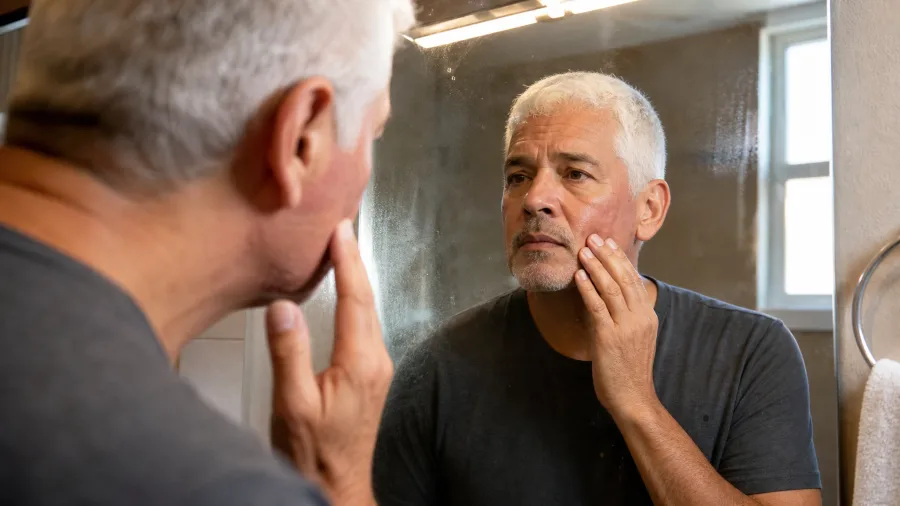
Your skin looks remarkably taut and glossy under the bathroom lights, but it feels like a stretched drum whenever you move your mouth or smile.
Over-stripping the outermost layer pulls skin so tight that light reflects harshly off the surface, mimicking a healthy radiance while actually signaling severe micro-trauma.
If your face feels uncomfortably stiff immediately after cleansing, you are witnessing damage, not a successful glow.
💡 Tip: Check your skin in natural daylight. If it has a plastic-wrap sheen, put the acids away for a week.
The Tightness Sign — At a Glance
🔍 Visual Cue
Unnatural glass-like sheen
✋ Physical Feel
Stiff and drum-tight
⏱️ Onset
Minutes after washing
⚠️ Core Cause
Stripped lipid layer
The Reality
That reflective sheen is actually exposed, unprotected tissue under high tension.
2. Sudden Intolerance to Your Routine Staples

Hydrating serums and gentle creams that felt comforting for years now trigger an instant, fiery burning sensation upon application.
Micro-fissures in the compromised stratum corneum allow active ingredients to penetrate far too deeply into sensitive nerve endings.
Many people mistake this stinging for active efficacy, believing the product is working harder when it is actually burning through a broken defense system.
Sting Triggers to Avoid
3. Persistent, Patchy Flaking That Moisturizer Won't Fix

Applying thick creams does nothing to stop the stubborn white flakes forming around your nose and chin.
Acids accelerate shedding before immature cells can properly mature, creating an endless cycle of micro-peeling.
Scrubbing away those flakes only exposes vulnerable, half-formed cells beneath, locking your skin into a perpetual state of dryness.
Barrier Jargon Decoded
4. The Makeup Pilling and Catching Phenomenon
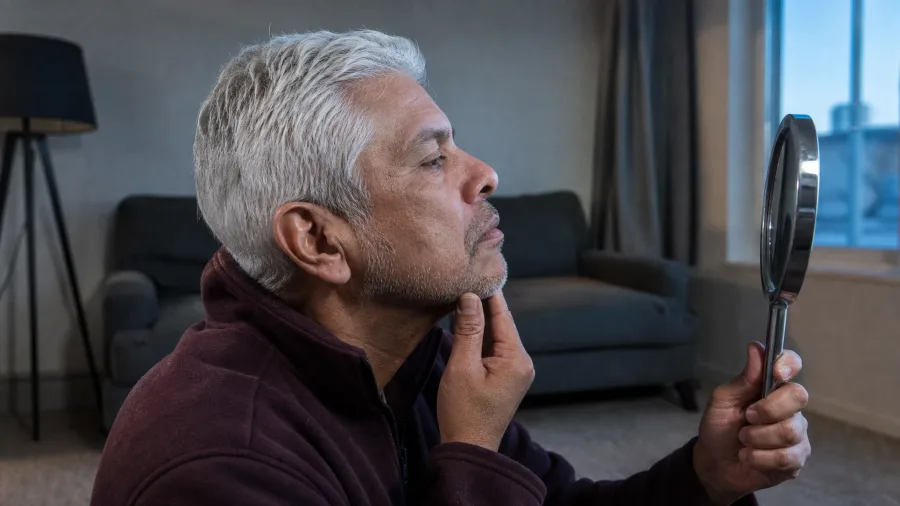
Your favorite foundation suddenly balls up, clings to dry patches, and settles unevenly into fine lines instead of gliding smoothly.
Irregular, partially sloughed cell debris creates a micro-rough surface texture rather than the smooth canvas you expect.
Over-exfoliation worsens micro-cracking under makeup, highlighting the exact texture flaws you are trying to conceal.
💡 PRO TIP
Switch Your Base Strategy
When makeup starts pilling after 50, stop adding liquid exfoliants. Swap to a hydrating cream cleanser and give your texture two weeks to normalize.
5. Redness That Lingers or Flares Up Easily

Thinning skin and a compromised barrier bring superficial capillaries much closer to the surface, increasing your flush response.
Chronic micro-inflammation from frequent acid use leads to persistent erythema around the nose, cheeks, and chin.
Distinguish temporary flushing from barrier damage by noting how long the redness lasts—if it persists for hours, your skin is inflamed.
The Barrier Shift
6. Breakouts Along the Jawline and Lower Face
Experiencing unexpected adult breakouts or deep spots after 50 is often a shocking symptom of over-stripping your skin.
A damaged acid mantle loses its natural antimicrobial defense, allowing bacteria to thrive despite frequent cleansing and scrubbing.
Inflammation-induced micro-swelling traps sebum in follicles, triggering fresh blemishes right where your barrier is weakest.
Exfoliation Tactics: Old vs. New After 50
What Doesn't Work
- Daily physical scrubs with walnut shells
- High-percentage glycolic acid pads
- Layering retinol and acids nightly
- Scrubbing away visible surface flakes
What Actually Works
- Switching to gentle cloth-free cleansing
- Using mild PHAs once weekly max
- Prioritizing ceramides and squalane
- Treating flakes with lipid repair creams
The Turning Point: What Dermatologists Agree Healing Looks Like
When barrier damage occurs after 50, the only effective prescription is strict subtraction rather than adding more corrective products.
Drop all active acids, retinoids, and physical scrubs immediately in favor of a minimalist routine focused entirely on gentle cleansers and barrier creams.
Resting the skin for fourteen days allows natural lipid replenishment to catch up with cellular structure needs, eliminating tightness and irritation.
📅 Your 14-Day Barrier Reset Schedule
Days 1 to 3
Stop all active acids, physical scrubs, and retinoids completely.
Days 4 to 7
Cleanse only with lukewarm water or a non-foaming lotion wash.
Days 8 to 11
Layer pure squalane or ceramide cream over damp skin morning and night.
Days 12 to 14
Assess comfort levels and keep routines minimal before reintroducing anything.
Self-Check Payoff: Assessing Your Skin Right Now

Run a quick audit of your current regimen by evaluating your weekly product frequency, active ingredient strengths, and physical skin sensations.
If you decide to reintroduce exfoliation after full barrier recovery, scale back frequency to once every seven to ten days using gentle polyhydroxy acids.
Slowing down your routine proves that long-term radiance comes from preservation and protection rather than aggressive chemical turnover.
Smart Reintroduction Flow
The Mature Skin Priority Pyramid
Stacking your skincare goals from foundation to finish
Frequently Asked Questions
Can I use retinoids and chemical exfoliants on the same day after 50?
Combining retinoids and strong acids on the same day accelerates barrier failure in mature skin. Space them out across separate evenings or drop acids entirely while using prescription retinoids.
How do I know if my skin is dry or over-exfoliated?
Dry skin lacks oil and responds well to rich moisturizers, while over-exfoliated skin stings when water or basic lotions touch it and feels tight like a stretched drum.
What are the safest exfoliating ingredients for mature skin?
Polyhydroxy acids like gluconolactone offer gentle surface smoothing without stripping lipids, making them far safer for skin over 50 than harsh glycolic or salicylic acids.
How long does it take for a damaged skin barrier to heal after 50?
Because cell turnover slows down with age, expect a realistic recovery window of two to four weeks of strict minimalist care before your barrier fully normalizes.
Your 14-Day Barrier Reset Plan
Put away your physical scrubs and potent acid toners tonight, and let your skin focus entirely on repair and moisture retention.
True anti-aging after 50 relies on protecting your natural defenses so your face stays resilient, comfortable, and naturally radiant every single day.

Meet Edward Green, the founder of GolfingGoal and a seasoned expert in golf. With years of experience on the course and a passion for the sport, Edward has a wealth of knowledge to share. As our Lead Writer, he contributes articles, tutorials, and resources to help readers to improve their skills and reach their full potential on the golf course. Join Our Team!