

You stare at the ceiling on a Tuesday morning, wondering why the alarm feels heavier than it did a decade ago.
The quiet dread of aimlessness creeps in, especially when the rigid structure of a career or active parenting begins to fade away.
Most wellness advice tells you to fix your sleep or buy another supplement, while entirely ignoring the biological anchor that matters most: psychological purpose.
The Mechanism: How Purpose Alters the Brain-Body Axis

Before opinions or lifestyle fads enter the picture, we must examine the physiological chain reaction linking psychological drive to physical preservation.
Having a defined reason to get up in the morning acts directly on the hypothalamic-pituitary-adrenal axis, buffering chronic cortisol spikes that otherwise degrade hippocampal volume.
When the brain registers clear, long-term intent, it downregulates inflammatory pathways and sustains healthy baseline dopamine tone without pushing the system into burnout.
💡 PRO TIP
The Longevity Paradox of Retirement
Sudden retirement without a structured post-career mission spikes cardiovascular events and accelerates cognitive decline within the first twenty-four months.
The Data: What Decades of Longitudinal Aging Studies Reveal

We do not have to guess whether psychological drive translates into physical survival; population data covering tens of thousands of adults spells it out clearly.
The Rush Memory and Aging Project tracked over twelve hundred older adults and found that individuals in the highest quartile of purpose experienced a markedly reduced risk of developing mild cognitive impairment.
Meanwhile, large-scale prospective studies from Japan demonstrate robust inverse associations between a lack of recognized purpose and all-cause mortality, proving this dynamic operates across different cultures and environments.
Key Longevity Metrics
Data points from major aging cohorts
The Turning Point: Purpose Versus Hedonic Joy
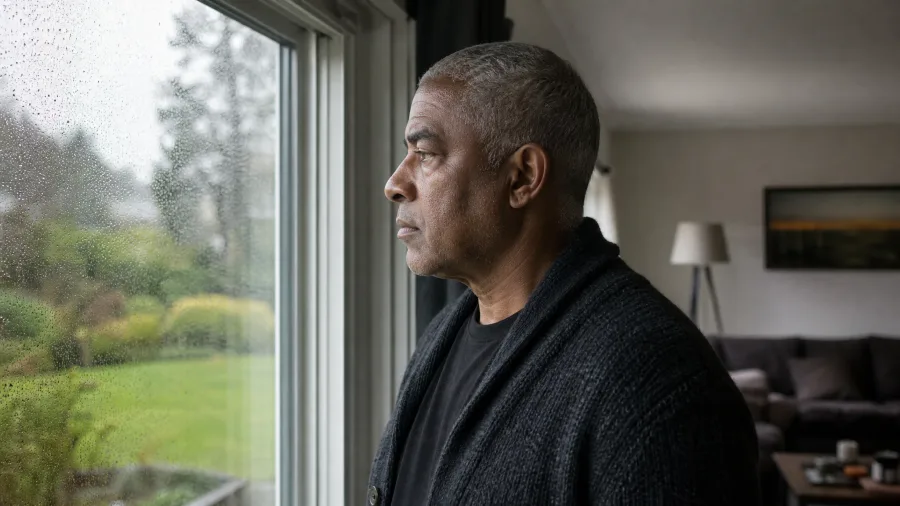
The modern wellness trap encourages endless comfort and stress avoidance, yet low-friction lifestyles accelerate cognitive rust.
There is a fundamental difference between hedonic well-being—seeking immediate pleasure and the absence of pain—and eudaimonic well-being, which relies on navigating manageable friction in pursuit of a long-term goal.
Cellular research shows that eudaimonic living triggers a favorable gene-expression profile, upregulating antibody synthesis while purely hedonic living mimics chronic biological adversity.
Hedonic Pursuit vs. Eudaimonic Purpose
Hedonic Comfort
- Focuses on immediate gratification and stress avoidance
- Triggers inflammatory gene transcription profiles
- Accelerates psychological stagnation over time
- Leaves the nervous system vulnerable to chronic drift
Eudaimonic Purpose
- Navigates manageable friction toward meaningful goals
- Upregulates antibody synthesis and cellular repair
- Sustains healthy dopamine tone without burnout
- Physically extends healthspan and cognitive resilience
Biological Armor: How Meaning Protects Cellular Integrity

Looking at the microscopic level reveals how psychological resilience directly influences telomere length maintenance in white blood cells.
Chronic goal-directedness reduces oxidative stress, limiting the production of reactive oxygen species that accelerate cellular senescence and tissue aging.
Epigenetic aging markers confirm that individuals reporting high life direction score younger on DNA methylation clocks compared to chronologically matched peers facing chronic aimlessness.
Common Purpose Misconceptions
The Everyday Architecture: Designing a Practical Framework for Vitality

Transitioning from abstract biological theory to daily structural habits requires replacing vague retirement goals with concrete daily contributions.
Adopt the friction principle: safe, manageable challenges are biological requirements for brain health, meaning you must introduce healthy cognitive load like learning an instrument or mastering a complex craft.
Tie your personal purpose directly to community output, leveraging data showing that altruistic focus amplifies health benefits by fostering deep social cohesion.
⚠️ COMMON MISTAKE
Waiting for Inspiration to Strike
Waiting to feel motivated before establishing a daily mission leads to permanent inertia. Structure must precede emotion; commit to the action first.
Self-Check Payoff: Are You Cultivating Vitality or Drift?

Evaluating your current behavioral alignment requires an honest look at your morning drive, cognitive friction, social utility, and long-term horizon planning.
If you score low in purpose alignment, shift immediately from passive consumption to active creation, teaching, or structured mentorship.
Remember that purpose does not require monumental achievements; it requires rigorous stewardship of your specific craft, relationships, and community role.
Daily Vitality Investment
⏳ The Cellular Adaptation Timeline
Week 1-2
Normalization of the morning cortisol awakening response through established daily routines.
Month 1-3
Reduction in systemic inflammatory markers including interleukin-6 and C-reactive protein.
Year 1+
Measurable preservation of telomere length and enhanced cognitive resilience.
Frequently Asked Questions
Can a person develop a sense of purpose later in life, or is it fixed in youth?
Longitudinal data proves that purpose is dynamic and can be cultivated at any age through intentional habit restructuring, volunteerism, and skill acquisition.
How does having a reason to get up differ from traditional stress?
Distinction lies between destructive distress, which is chronic and uncontrollable, and eustress, which is manageable and goal-directed challenge that stimulates neuroplasticity.
What specific physical markers improve first when someone finds their focus?
Early markers include normalized morning cortisol awakening response, improved sleep architecture, and noticeable reductions in subjective daytime fatigue.
Does retirement accelerate cognitive decline if no new purpose is established?
Epidemiological data shows that sudden retirement without a structured post-career mission significantly increases the risk of cognitive impairment and cardiovascular events.
How do I find my purpose if I feel completely burned out?
Start small by embracing micro-curiosities, low-stakes community service, and physical restoration before attempting major life overhauls.
Building Tomorrow's Anchor: Your Next Step in Healthspan Design
That heavy morning alarm loses its dread when your days possess an uncompromised direction.
Pick one specific cognitive or community project tomorrow morning and let cellular biology do the rest.

Meet Edward Green, the founder of GolfingGoal and a seasoned expert in golf. With years of experience on the course and a passion for the sport, Edward has a wealth of knowledge to share. As our Lead Writer, he contributes articles, tutorials, and resources to help readers to improve their skills and reach their full potential on the golf course. Join Our Team!