
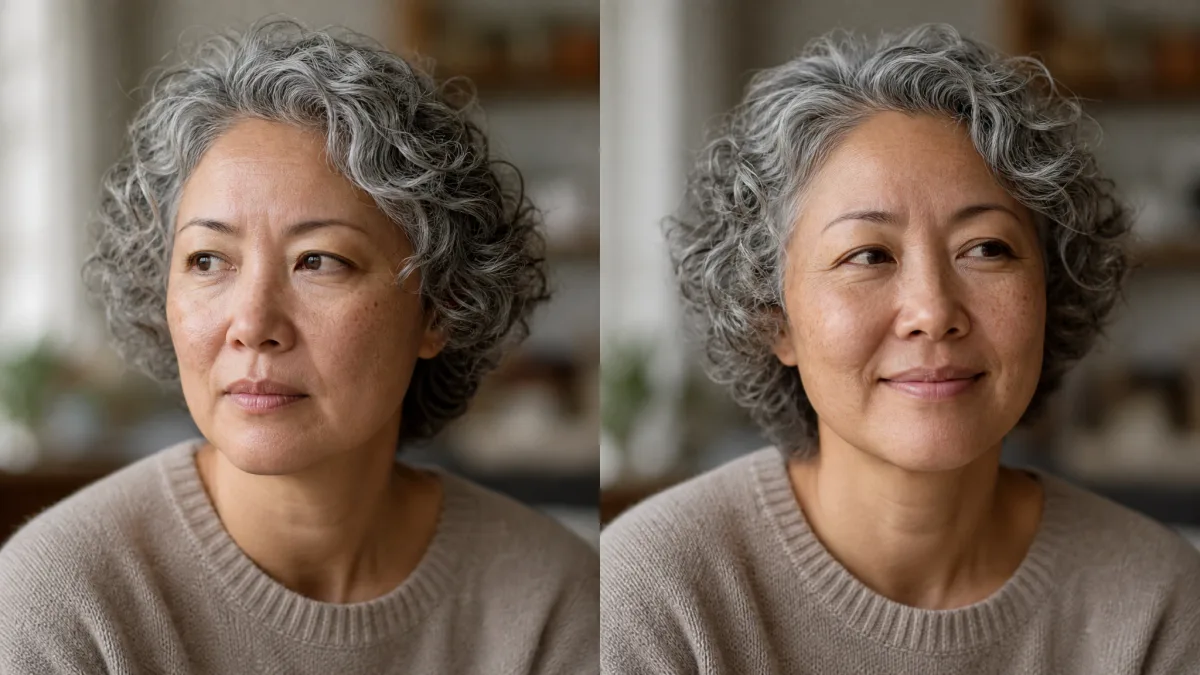
This article will help you confidently identify which new body sensations are normal aspects of aging and which merit a conversation with your doctor. Perhaps you've woken with a new ache, found small print suddenly blurry, or noticed clothes fitting differently. These shifts can feel disorienting and often raise questions about your health.
But these new experiences are frequently not signs of a problem, but rather natural, expected shifts in the body's processes. Indeed, many physical changes that emerge after age 50 are completely normal aspects of aging, not causes for alarm.
Understanding these common changes can bring clarity, ease anxiety, and empower you to manage your health proactively.
Quick Tips Before You Start
Track Changes
Keep a simple log of new symptoms or shifts, noting when they began and how often they occur.
Talk It Out
Discuss any persistent or concerning changes with your primary care doctor at your next checkup.
Hydrate Daily
Aim for at least 8 glasses of water a day; adequate hydration impacts skin, joints, and metabolism.
Stay Active
Prioritize daily movement, even short walks, to support metabolism, joint health, and mood.
1. Metabolism Slows, Making Weight Gain Easier
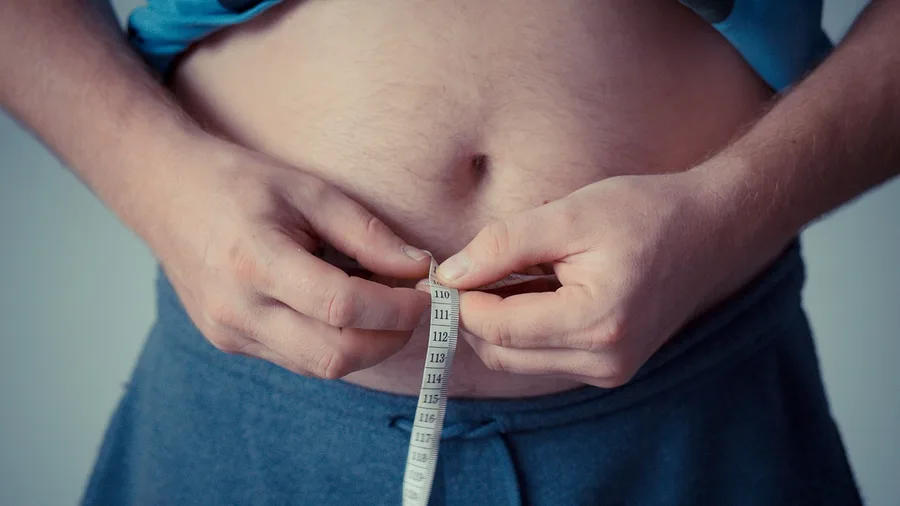
That feeling of clothes tightening around your middle, even when your eating habits haven't changed, is a common experience after 50.
After age 20, your body's resting metabolic rate naturally slows by about 1-2% each decade, meaning you burn fewer calories just by existing. This isn't a sign of poor health, but a normal biological adjustment that many find surprising when it starts to show up.
This change makes it easier to accumulate weight, particularly if your activity levels haven't kept pace. Your body simply uses less energy.
Compounding this, fat distribution often shifts after 50, with more accumulating around the midsection rather than evenly across the body. You might find an extra five pounds settles almost entirely around your waist, even if your diet and exercise habits have stayed consistent for years.
To manage this, simple adjustments make a real difference. Incorporate regular, moderate activity like daily 30-minute walks, which can help offset calorie reduction.
Mindful eating, focusing on appropriate portion sizes, is equally important.
Metabolic Shifts at 50+
Understanding the numbers behind common changes
Source: Research on aging and metabolism
2. Eyesight Changes Make Close-Up Work Harder
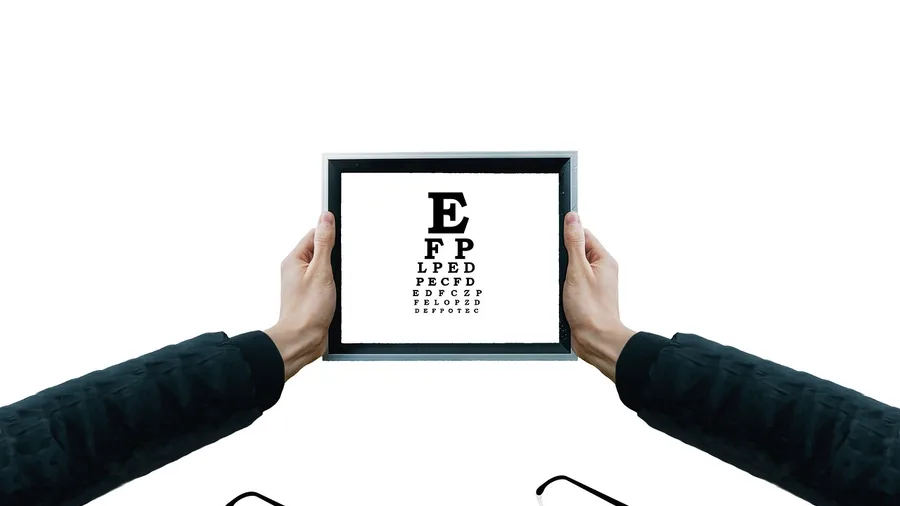
Just as internal processes like metabolism adapt with time, our vision also undergoes a natural shift as we age, making close-up tasks feel harder.
The reason your arms seem to get longer when reading is called presbyopia.
After 40, the eye's natural lens gradually stiffens and loses its flexibility, making it harder to focus on close objects like a phone screen at 12 inches. This is a completely normal age-related shift, not a sign of poor eye health.
The most common and effective fixes are simple: over-the-counter reading glasses, easily found at a pharmacy for a few dollars.
For more specific needs, prescription bifocal or multifocal lenses from an eye doctor offer clear vision at multiple distances, tailored to your eyes.
Even with clear vision thanks to glasses, regular eye examinations remain important as you age. These appointments allow an eye doctor to monitor your overall eye health and check for other age-related conditions, such as glaucoma or cataracts. Catching these early helps ensure any vision changes are addressed promptly, protecting your long-term sight.
💡 PRO TIP
Beyond Basic Readers
Off-the-shelf readers are great for occasional use, but a comprehensive eye exam can detect other age-related conditions like cataracts or glaucoma early. Schedule one every two years.
3. Joints Develop Aches and Stiffness More Often

Your joints feel the passing years too.
If getting out of bed feels stiffer, or your knees ache after a long car ride, these are common experiences after 50.
Over decades of movement, the protective cartilage cushioning your joints naturally experiences some wear and tear. This is a gradual process, not a sudden event, and it's a normal consequence of a lifetime of activity.
Additionally, the production of synovial fluid, which acts as a lubricant within your joints, can lessen with age. This leads to less smooth movement and increased friction.
These changes often result in everyday aches and stiffness.
You might notice it most when bending down to pick up a dropped item, or specifically in your hands after working on a craft project for hours. The initial stiffness typically eases once you start moving.
Incorporating gentle, daily exercise like walking, swimming, or even a short stretching routine can help maintain joint flexibility and reduce that morning stiffness.
🧘♀️ Easing Morning Joint Stiffness
Warm-Up In Bed
Before rising, gently rotate ankles and wrists, and do knee-to-chest stretches for a few minutes.
Hydrate First
Drink a glass of water immediately after getting up to help rehydrate tissues and joints.
Gentle Movement
Start your day with a short walk or light stretching routine, focusing on large muscle groups.
Warm Compress
Apply a warm, moist towel to particularly stiff joints like knees or hands for 10-15 minutes.
Consistent Routine
Repeat these steps daily to build a pattern that signals to your body to loosen up.
4. Skin Thins and Becomes More Prone to Wrinkles

Just as joints experience wear and tear, the skin, our body's largest organ, also undergoes significant age-related changes.
After 50, you might notice your skin looking and feeling different, often thinner and more delicate than before.
This is largely due to a natural decline in the production of collagen, which provides firmness, and elastin, which gives skin its elastic rebound.
With less of these structural proteins, skin loses its natural elasticity and firmness. This makes it more prone to wrinkles and fine lines, especially around areas like the eyes and mouth.
The thinning also makes skin more fragile. Minor bumps, like brushing against a doorframe, can lead to more noticeable bruising than in earlier decades.
While these changes are expected, consistent sun protection is your most powerful tool. Daily application of a broad-spectrum SPF 30 sunscreen helps prevent further damage and supports skin health as it naturally evolves.
Daily Skin Protection: Do This, Not That
Do
- Apply broad-spectrum SPF 30+ daily, rain or shine.
- Use gentle, hydrating cleansers and moisturizers.
- Wear wide-brimmed hats and sunglasses outdoors.
- Include antioxidants in your diet (berries, greens).
Don't
- Use harsh scrubs or overly drying products.
- Skip sunscreen on cloudy days or indoors.
- Spend prolonged time in direct sun without cover.
- Ignore new or changing moles or skin spots.
5. Hair Thins and Grays as Pigment Production Slows
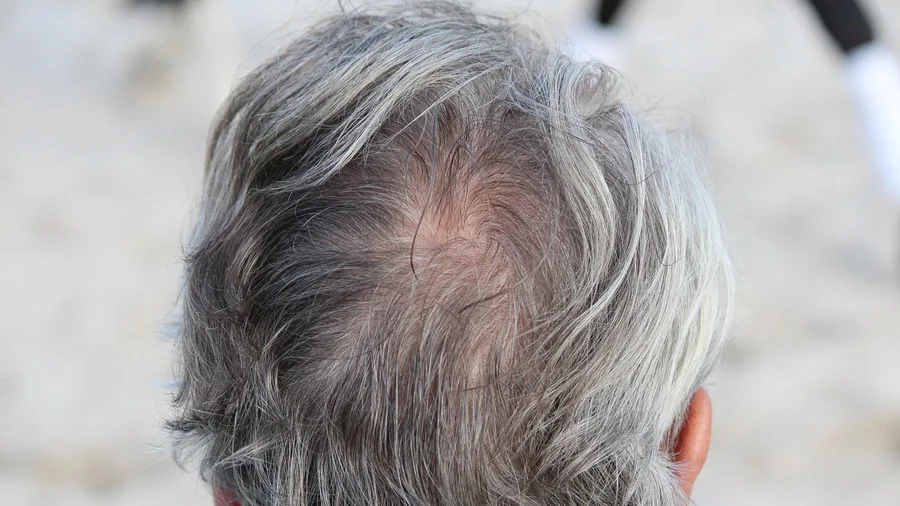
Similar to the skin, your hair also undergoes noticeable transformations as you move past 50.
Those new gray or white strands are a clear sign your hair follicles are reducing their output of melanin, the pigment responsible for natural color. This gradual fading of pigment often becomes apparent in your 40s or 50s, frequently starting at the temples.
Beyond color, the follicles themselves can shrink, causing individual hair strands to grow back thinner and finer than before.
This process, combined with shortened hair growth cycles, contributes to an overall reduction in hair density. You might notice your ponytail feels less full or that your scalp is more visible along your part.
You might also perceive a distinct change in how your hair feels to the touch.
Hair that once felt soft and supple can become coarser, drier, or more brittle, making it more prone to tangling or breakage. This shift is a common experience, regardless of previous hair type.
These transformations in hair color, thickness, and texture are not indicators of declining health; they are a universal part of the human aging process.
Hair care professionals and dermatologists consistently explain that these changes are normal, expected aspects of how our bodies naturally evolve with time.
Hair Over Time
6. Muscle Mass Decreases, Affecting Strength
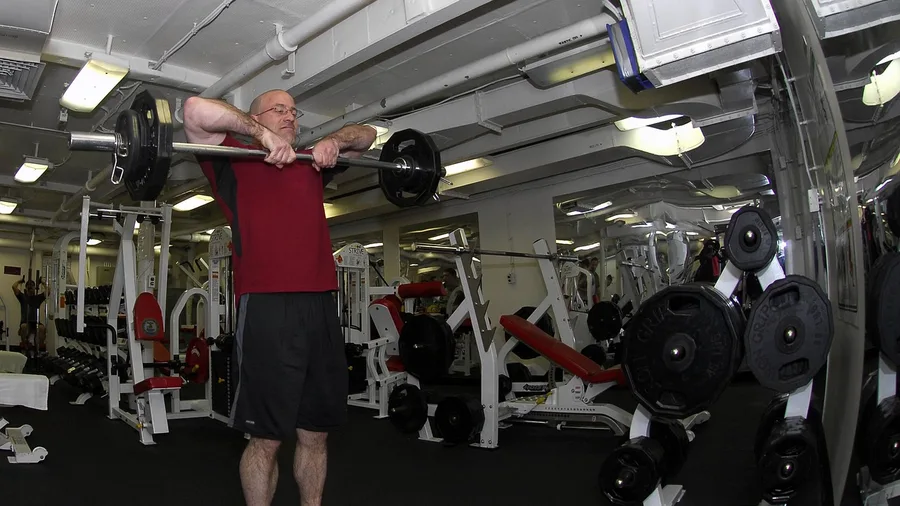
While external features like hair naturally change, internal structures like muscle mass also undergo significant shifts, directly impacting strength and mobility.
The age-related loss of muscle mass is a condition called sarcopenia.
It typically begins after age 30, but it accelerates notably after 60, meaning you might begin to feel its effects more acutely in your 50s.
This involves a gradual loss of individual muscle fibers and a decrease in both muscle size and its overall quality.
The practical impact is decreased strength, making everyday tasks like lifting groceries or opening a heavy jar feel harder. It can also affect balance and overall mobility.
Regular resistance training is a powerful countermeasure. Incorporating exercises using light weights, resistance bands, or even just your bodyweight three times a week can help maintain muscle mass and strength, improving your long-term balance and independence.
7. Sleep Patterns Shift, Often Reducing Deep Rest

After 50, the way your body rests can subtly shift.
One significant factor is the natural decline in melatonin production, a hormone that signals your body it's time to sleep. This biological shift means your internal clock often functions differently, sometimes nudging you awake earlier than you'd prefer or making it harder to settle down at night.
You might find yourself waking several times throughout the night, perhaps to use the bathroom or simply to shift positions, rather than sleeping straight through for long stretches.
This fragmentation means less truly restorative deep sleep.
Even if you log eight hours, the quality of that sleep tends to change, leading to a feeling of being less refreshed when morning comes.
To help manage these natural shifts, experts consistently suggest prioritizing good sleep hygiene. This means maintaining a consistent sleep schedule – the same bedtime and wake-up time daily, even on weekends – and cultivating a truly dark, cool bedroom environment.
Consider dimming the lights for an hour before bed and aiming for a bedroom temperature around 65 degrees Fahrenheit. These small, consistent efforts can make a real difference in how easily you drift off and how well you stay asleep.
Frequently Asked Questions
Is gaining weight around the middle after 50 always normal?
Yes, a shift in fat distribution toward the abdomen is very common after 50, largely due to hormonal changes and a slower metabolism. However, significant or rapid weight gain should always be discussed with a doctor to rule out other factors.
What's the difference between presbyopia and other vision problems?
Presbyopia specifically refers to the age-related hardening of the eye's lens, making close-up vision blurry. It is distinct from conditions like nearsightedness, farsightedness, or astigmatism, which relate to the shape of the eyeball or cornea.
Can I prevent joint stiffness as I get older?
While some age-related changes are inevitable, regular low-impact exercise like swimming, cycling, or walking can significantly help. Movement keeps synovial fluid circulating and strengthens muscles supporting the joints, reducing stiffness and pain for most people.
Are there specific nutrients that help with aging skin?
Eating a diet rich in antioxidants (from fruits and vegetables), healthy fats (omega-3s), and protein can support skin health. Vitamin C is also key for collagen production. These nutrients help maintain skin's resilience from within.
Why is my hair changing texture, not just color?
As follicles age, they not only produce less pigment but can also shrink, leading to thinner, sometimes coarser strands. Hormonal shifts also play a role in changes to hair density and texture, making it feel different than it used to.
How much muscle mass do people typically lose after 50?
After age 30, muscle mass typically declines by 3-8% per decade. This rate can accelerate after 60, with some individuals losing up to 15% per decade. Resistance training is key to mitigating this loss.
Understanding Your Body's Natural Progression After 50
It is natural to feel a little unsettled when your body starts behaving differently than it always has. But the changes discussed here are normal, often predictable parts of aging that many people experience.
Understanding these shifts is the first step towards managing them with confidence. If you are experiencing any changes that concern you, or if symptoms are sudden or severe, always bring them up with your doctor for personalized advice.
Empower Your Next Checkup
Review these common body changes before your next doctor's visit to discuss what you are feeling with clear, informed questions.

Meet Edward Green, the founder of GolfingGoal and a seasoned expert in golf. With years of experience on the course and a passion for the sport, Edward has a wealth of knowledge to share. As our Lead Writer, he contributes articles, tutorials, and resources to help readers to improve their skills and reach their full potential on the golf course. Join Our Team!