

You scroll through your phone and another article tells you to eat more kale or buy an expensive mushroom powder to live past ninety. Yet real centenarians living in remote mountain villages often eat simple, unglamorous food and pay zero attention to macronutrients.
That disconnect reveals a deeper truth: extraordinary longevity is built on daily environmental rhythms and behavioral habits rather than the contents of your dinner plate.
💡 PRO TIP
The Environmental Shift
Genetics account for only about twenty percent of longevity variance, leaving the vast majority to the lifestyle architecture you build around yourself every single day.
Why the Body Responds to Environment Over Intention

Chronic low-grade psychological stress accelerates cellular aging and shortens telomeres faster than almost any dietary slip-up.
When your daily environment forces low-intensity, incidental movement throughout the day, it beats structured forty-minute gym sessions in metabolic regulation.
Habitual community integration regulates your autonomic nervous system tone, lowering baseline cortisol and inflammatory markers without you even noticing.
Your biology was engineered to respond to natural rhythms, physical friction, and social safety valves rather than isolated fitness routines in sterile rooms.
The Longevity Reality Check
What science actually says about lifespan factors
Based on epidemiological findings from global longevity registries.
Natural Movement Architecture: Moving Without a Workout

Modern life isolates our movement into brief gym windows separated by hours of sitting at a desk.
Centenarians do not exercise; instead, their homes and daily tasks require hundreds of tiny physical adjustments from morning until night.
Gardening, walking to local markets, carrying groceries, and sitting on the floor to work all maintain hip mobility and core strength naturally.
Floor sitting and rising act as a natural movement test that preserves functional independence and prevents devastating falls in later decades.
Movement Architecture vs. Modern Fitness
Gym-Centric Model
- Sits 9 hours a day
- 45-minute intense workout
- Isolated joint movements
- Relies on willpower
Centenarian Model
- Continuous low-level motion
- Frequent postural shifts
- Whole-body functional tasks
- Baked into home design
Purpose-Driven Daily Micro-Roles: Living With Intent

Having a defined reason to wake up in the morning correlates directly with reduced all-cause mortality and preserved cognitive function.
Researchers call this sense of purpose Ikigai or Plan de Vida, but in practical terms, it looks like having daily responsibilities that matter to others.
When you maintain a societal role or household duty, your brain triggers dopamine and norepinephrine pathways that maintain prefrontal cortex plasticity.
Abandoning all responsibility upon retirement often accelerates cognitive decline because the brain loses its required daily problem-solving friction.
Pillars of Cognitive Longevity
Radical Downshifting and Stress-Release Rituals

Accumulated psychological friction without a release valve floods your tissues with inflammatory cytokines over time.
Centenarian cultures universally embed daily rituals for shedding stress, whether through prayer, afternoon rests, or quiet twilight socializing.
Intentional relaxation pauses activate your parasympathetic nervous system, lowering blood pressure and giving your cardiovascular system a break.
You can build modern micro-rituals into your afternoon by taking a ten-minute screen-free walk or practicing box breathing between meetings.
⚠️ COMMON MISTAKE
The Over-Optimization Trap
Trying to schedule relaxation like a military operation often creates more stress. Keep your downshift rituals simple, analog, and entirely unstructured.
⏰ A Day Engineered for Longevity
Morning Light
Step outside within thirty minutes of waking to anchor your circadian cortisol rhythm.
Incidental Motion
Walk to nearby errands and break up sitting intervals with household chores.
Midday Pause
Take a twenty-minute quiet break or brief nap to clear cognitive fatigue.
Evening Connection
Share a slow meal with family or neighbors without digital screens present.
Frictionless Social Integration and Belonging

Epidemiological data shows that severe social isolation carries a mortality risk equivalent to smoking fifteen cigarettes a day.
Belonging to a supportive peer group stabilizes your emotional regulation and prevents the chronic inflammatory loops triggered by loneliness.
You do not need a massive social network to reap these benefits; casual daily interactions with local shopkeepers and neighbors provide vital weak ties.
Cultivating these micro-doses of belonging creates a safety net of trust that buffers against the shocks of aging.
Elements of Social Health
Environmental Mastery and Sleep Chronobiology
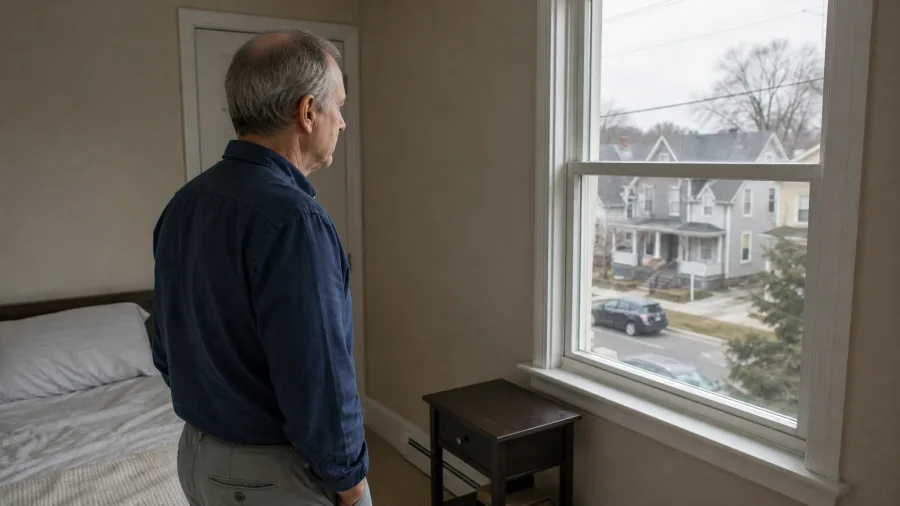
Natural light exposure during morning hours anchors your circadian rhythms and supercharges deep glymphatic brain clearance during sleep.
Temperature variation, such as keeping your bedroom cool and spending time outdoors in shifting seasons, stimulates thermogenic resilience.
Minimizing indoor environmental toxins and artificial blue light overload protects your neurological health across decades.
Aligning your sleep environment with natural planetary cycles transforms restless nights into restorative biological maintenance.
Shattering Sleep Myths
Where Consensus Meets Reality: What Longevity Science Agrees On

Longevity science converges on one central realization: consistency in low-intensity daily habits beats expensive interventions every single time.
Researchers agree that trying to out-supplement a sedentary, isolated lifestyle is a losing battle against biology.
You do not need high-tech gadgets or flawless dietary adherence to add healthy years to your life.
Simplifying your focus down to movement, purpose, and community yields far greater returns than micromanaging your daily calories.
Prioritize behavioral architecture over commercial shortcuts.
Your Daily Non-Diet Longevity Self-Check

Take a moment to evaluate your current daily environment against the foundational pillars of centenarian health.
Identify your single biggest environmental bottleneck, whether it is excessive sitting, lack of morning light, or social isolation.
Commit to making one permanent structural change this week rather than attempting an overwhelming life overhaul.
Small adjustments compounded over years create the robust resilience that defines exceptional aging.
The Longevity Audit Time Investment
Frequently Asked Questions
Can you really achieve centenarian-level health without following a strict longevity diet?
Yes. Observational studies show centenarians across the globe eat widely different diets. Their common denominator is lifestyle architecture, stress regulation, and movement frequency rather than precise macronutrient ratios.
How much daily movement is actually necessary if I work a sedentary desk job?
Break up your sitting every thirty minutes with short movement snacks. Cumulative light activity throughout the day heavily outperforms a single daily gym session for metabolic health.
What if I am naturally introverted—how do I build the social connection centenarians enjoy?
Distinguish between large social circles and meaningful weak ties or community roles. Purpose-driven activities like volunteering or shared crafts allow introverts to connect without draining social batteries.
Are afternoon naps and downshifting habits beneficial for working-age adults?
A fifteen to twenty-minute cognitive pause or quiet rest period effectively lowers midday cortisol and preserves afternoon focus without disrupting nighttime sleep architecture.
How do I find a sense of purpose if I am retired or feeling lost?
Frame purpose not as a grand career mission, but as micro-responsibilities—helping a neighbor, learning a craft, or tending a garden—that provide daily utility and structure.
Engineering a Life That Outlasts Your Habits
Centenarians do not live long by fighting their environments; they live long because their environments make healthy, connected movement automatic.
Redesign one physical or social space in your home or routine before this week ends, and let simple consistency do the heavy lifting.

Meet Edward Green, the founder of GolfingGoal and a seasoned expert in golf. With years of experience on the course and a passion for the sport, Edward has a wealth of knowledge to share. As our Lead Writer, he contributes articles, tutorials, and resources to help readers to improve their skills and reach their full potential on the golf course. Join Our Team!