

You reach the kitchen on a Tuesday morning, pour your second cup of coffee, and realize the quiet in the house has shifted from peaceful to deafening.
Retirement, relocation, or shifting family dynamics quietly dismantle the built-in social scaffolding of your working years, leaving many adults wondering how to bridge the gap.
💡 PRO TIP
The Social Diet Shift
Adult friendship quality drastically supersedes quantity for longevity and immune function after 60.
The Science of Late-Life Connection and Brain Plasticity

Your brain remains fully capable of forming new relational pathways well past retirement.
Socioemotional selectivity theory proves older adults prioritize emotionally meaningful goals over broad networking, accelerating the formation of deep bonds.
Strong social connections lower baseline cortisol and protect cognitive reserve.
The Biology of Belonging
Key metrics tracked in recent adult social longevity studies
1. Leverage the Power of Repeated, Unforced Proximity

You do not need a sparkling personality to make friends; you need a calendar that places you in the same room with the same people every single week.
Psychologists call this the mere exposure effect.
Choose consistent routines like a Tuesday morning ceramics class or a Thursday library lecture series instead of attending random one-off mixers.
💡 Tip: Commit to the exact same seat or station for your first four weeks to become a familiar, trusted fixture.
☕ From Familiar Stranger to Friend
The Familiar Nod
Exchange simple smiles during the first week in a recurring weekly class.
The Casual Greeting
Introduce yourself by name during week two and mention why you joined.
The Shared Task
Collaborate on a group activity or ask for advice during week three.
The Coffee Invite
Propose a quick 15-minute coffee chat after class by week four.
2. Curate Shared Context Through Interest-Driven Group Learning

Awkward silence kills budding friendships before they start.
Focusing on an external task removes the pressure of endless small talk.
Enroll in multi-week workshops where participants return repeatedly to build collaborative trust.
Skill Workshop — At a Glance
⏱️ Duration
6 to 8 weeks per course
📅 Frequency
Once weekly commitment
💪 Focus
Hands-on creative tasks
⚠️ Skip If
Drop-in sessions with no regulars
Why It Works
External anchors eliminate social anxiety by giving hands something meaningful to do.
3. Master the Art of the Low-Stakes Invitation
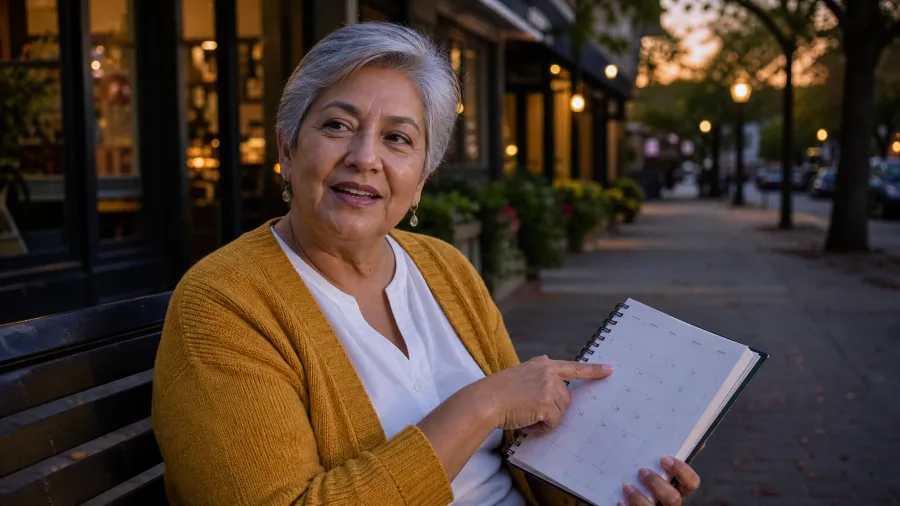
Rejection feels personal only when you load too much emotional weight onto a single coffee invitation.
Separate your worth from someone else's busy schedule.
Use low-friction phrasing that grants the other person an easy exit without awkwardness.
💡 Tip: Say: I am grabbing tea next door after class, feel free to join if you have ten free minutes.
⚠️ COMMON MISTAKE
The Over-Formal Trap
Avoid issuing formal dinner party invitations to casual acquaintances. Keep initial invites brief and tethered to an event you are already attending.
4. Cultivate Intergenerational and Peer Mentorship Loops
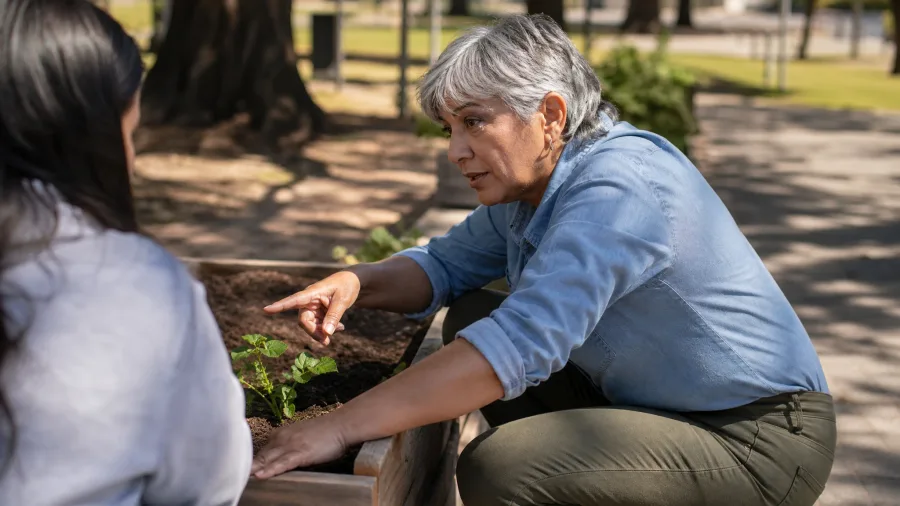
Connection deepens when you step outside strict age brackets to embrace bidirectional learning.
Volunteering for structured community programs places you shoulder-to-shoulder with civic-minded peers.
Passing down expertise while learning modern skills builds rapid mutual respect.
Time and Effort Investment
5. Audit Your Social Circle for Energy and Reciprocity

You cannot pour new water into a bucket filled with stagnant liquid.
Perform emotional housekeeping by differentiating between draining acquaintances and mutual support.
Clearing bandwidth from high-maintenance dynamics frees up the exact energy required for new friendships.
💡 Tip: Notice who drains your battery versus who leaves you energized, and adjust your calendar accordingly.
Relational Energy Audit
Draining Dynamic
- One-sided venting sessions
- Obligatory social calendar fillers
- Constant negativity about aging
- Lack of mutual curiosity
Nourishing Connection
- Reciprocal listening and support
- Shared laughter and curiosity
- Aligned personal values
- Respect for personal boundaries
6. Adopt the Vulnerability Gradient
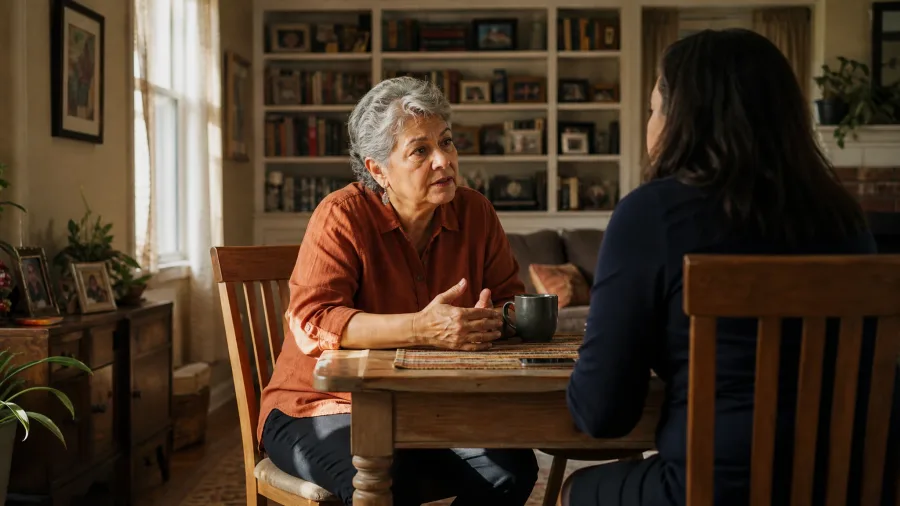
Relationships deepen as communication moves from superficial facts to personal opinions and core values.
Share appropriate personal stories in micro-doses to invite reciprocal openness without overwhelming.
Radical presence during conversation acts as an immediate catalyst for trust.
💡 Tip: Ask open-ended questions about values rather than logistics.
Protect your momentum by maintaining steady, gentle pacing.
Psychology Insights at a Glance
Busting Friendship Myths
Best Venues for Connection
Frequently Asked Questions
Is it harder to make friends as an older adult compared to youth?
While logistical opportunities decrease after retirement, psychological maturity, emotional regulation, and clearer personal values actually make it easier to form deep bonds once regular proximity is established.
How do I overcome the fear of rejection or feeling awkward at my age?
Psychologists note that most peers are equally hungry for connection; treating initial approaches as low-stakes experiments removes ego threat and reframes rejection as a mere scheduling mismatch.
What are the best places to meet like-minded adults over 60?
Consistent, structured environments such as community college adult education classes, volunteer organizations, specialized fitness groups, and local library or museum societies.
How long does it typically take to transition from an acquaintance to a true friend?
Research on adult bonding indicates it requires approximately 50 hours of shared, unforced proximity and conversation to move from acquaintance to casual friend, and up to 200 hours for close friendship.
Your Next Step This Week
Connection after 60 is built one repeated, low-stakes micro-interaction at a time rather than through magical chance.
Pick one recurring activity for the upcoming week and commit to attending it twice.

Meet Edward Green, the founder of GolfingGoal and a seasoned expert in golf. With years of experience on the course and a passion for the sport, Edward has a wealth of knowledge to share. As our Lead Writer, he contributes articles, tutorials, and resources to help readers to improve their skills and reach their full potential on the golf course. Join Our Team!