You spend hundreds of dollars on premium supplements, track every minute of your REM sleep, and diligently take your cold plunges. Yet you might be ignoring the most potent, zero-cost longevity intervention available to adults over fifty.
Landmark data from the Longitudinal Study of Aging reveals a staggering statistic: active volunteers experience up to a 44% reduction in all-cause mortality risk compared to those who do not give their time. This is not about a vague moral reward or a feel-good sentiment. It is a profound physiological shift that directly alters biological aging markers.
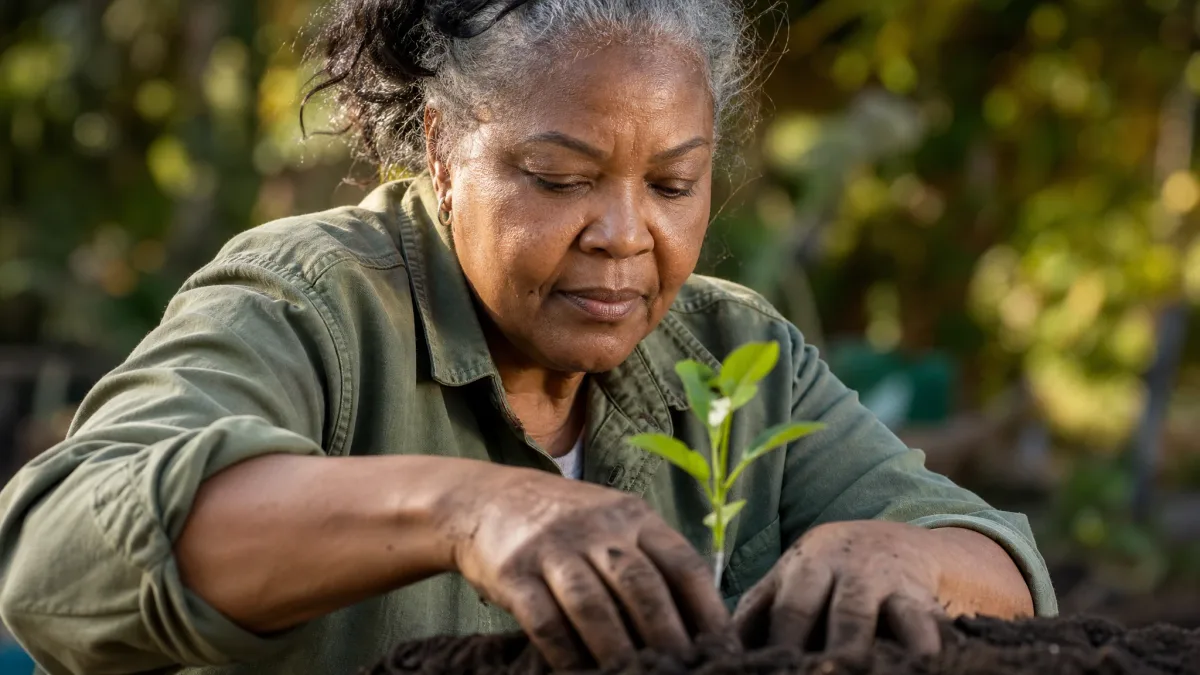
When you commit your hours to a community garden, a food pantry, or a neighborhood mentorship program, your body responds at a cellular level. We are going to examine the exact mechanisms that translate unpaid civic work into measurable physical survival.
💡 PRO TIP
The 44% Mortality Drop
Active volunteers show a 44% reduction in all-cause mortality risk—a protective effect that rivals quitting smoking.
The Mechanics of Altruism: What Happens Inside the Body
Before looking at psychological benefits, we have to look at biochemistry.
When you engage in altruistic acts, your brain immediately floods your neural reward pathways with dopamine, endorphins, and oxytocin. This chemical cocktail is not just for pleasure; it physically counteracts the inflammatory cascades driven by modern isolation and chronic stress.
Your hypothalamic-pituitary-adrenal axis undergoes a significant downregulation when you spend time helping others. Basal cortisol levels drop steadily, which directly reduces your circulating levels of C-reactive protein and IL-6. That reduction protects your cardiovascular tissue and keeps your metabolic health stable as you age.
The Biological Dividend of Altruism
The Psychological Shield: Purpose and the Prosocial Brain

Your brain craves an external mission to stay sharp.
In longevity science, researchers often look at the Japanese construct of ikigai—having a clear reason for being. Having an external mission preserves your cognitive reserve and delays neurodegenerative decline far better than passive puzzles or isolation.
Depressive symptoms plummet when you shift your daily attention away from self-referential rumination. Long-term aging cohorts consistently link sustained volunteer work to improved executive function and better working memory scores over four-year follow-up intervals.
⏳ The Timeline of Longevity Shifts
Month 1
Dopamine and oxytocin spikes create an immediate drop in acute stress.
Month 3
Basal cortisol levels normalize and inflammatory markers begin to decline.
Year 1
Consistent prosocial engagement strengthens cardiovascular stress recovery.
Year 5
Accumulated cognitive reserve measurably preserves executive function.
The Social Fabric: Buffering Isolation and Building Resilience
Isolation is an active hazard.
Public health experts now classify chronic social isolation as a mortality risk factor comparable to smoking fifteen cigarettes a day. Regular volunteer organizations provide structural integration that completely neutralizes this risk.
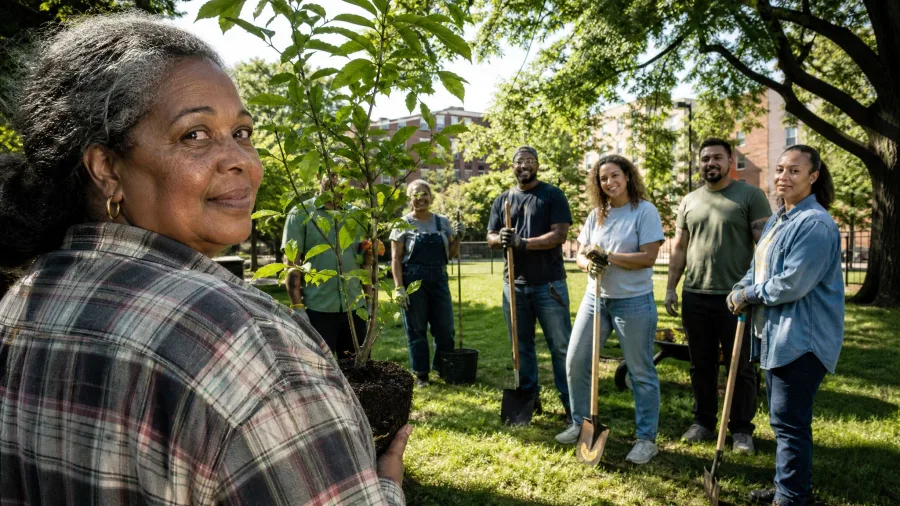
Shared missions create weak ties—casual, frequent interactions that build a robust community safety net. These casual bonds protect you against acute life stressors in ways that close family ties alone cannot achieve.
⚠️ COMMON MISTAKE
The Isolation Trap
Treating social isolation as a minor mood issue rather than a physical risk factor leaves your cardiovascular system exposed to chronic wear.
The Physical Payoff: Cardiovascular Health and Immune Function
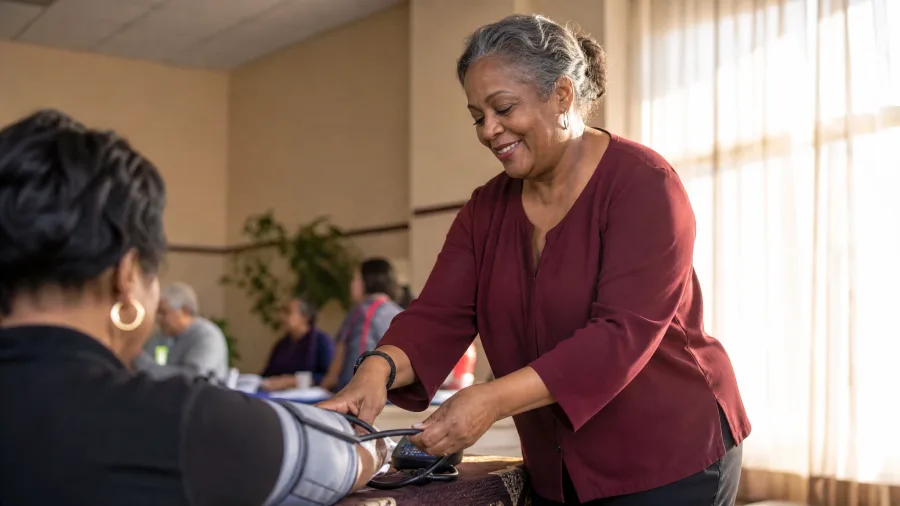
Service work keeps your blood vessels elastic.
Cardiovascular data shows lower resting blood pressure and reduced incidence of hypertension among older adults who commit two or more hours per week to structured service roles.
Your immune system also responds directly to prosocial action. Positive emotional states and reduced loneliness upregulate antiviral and antibody-producing gene expression profiles across your cellular pathways.
The Scientific Consensus: Finding the Optimal Dose

More is not always better.
Epidemiological data demonstrates that approximately 100 to 200 hours per year—roughly two to four hours per week—yields the maximum longevity benefits. Past that threshold, you hit the law of diminishing returns.
Watch out for volunteer burnout. If your commitment becomes a heavy administrative burden that elevates your stress hormones, it negates your physical health gains. Your motivation must remain rooted in other-regarding care rather than obligation.
Key Takeaways from Longevity Research
The Blueprint: How to Choose Your Longevity Intervention

Turn this science into your personal weekly schedule.
Run through a three-step self-assessment: match your current physical capacity, your available hours, and your specific skill set to an organization that desperately needs reliable help.
Look for low-barrier local options. Evaluate their culture before diving in to ensure the environment fosters genuine connection rather than administrative friction or bureaucratic headaches.
Choosing Your Volunteer Path
High-Impact Roles
- Direct face-to-face mentoring
- Community garden logistics
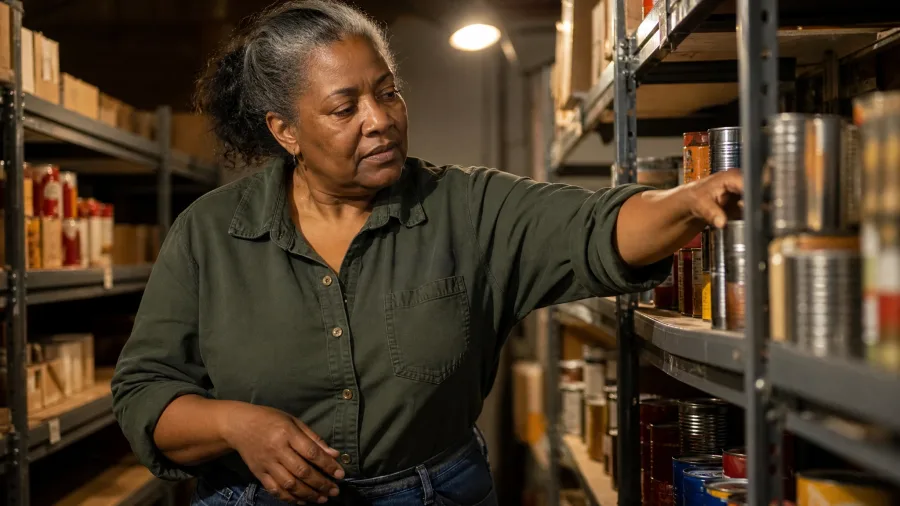
- Local food pantry distribution
- Museum docent guiding
Roles to Approach with Caution
- High-conflict board management
- Overcommitted weekly schedules
- Purely administrative data entry
- Roles requiring heavy travel
Weekly Time and Energy Investment
Common Misconceptions About Volunteering
Best For
Frequently Asked Questions
Can volunteering reverse existing chronic illnesses like heart disease?
While it cannot reverse advanced structural pathology, epidemiological data shows it significantly lowers secondary cardiovascular events and mortality rates by mitigating chronic inflammation and stress.
Does the type of volunteering matter for longevity benefits?
Research indicates that direct, face-to-face interaction yields stronger psychological and immunological benefits than impersonal or purely digital forms of service.
What if I have physical limitations or mobility issues?
Remote and desk-based volunteer roles, such as crisis helpline counseling or digital archival work, still provide significant purpose-driven and cognitive reserve benefits.
Is there such a thing as volunteering too much?
Yes. Studies show that exceeding 400 hours per year or taking on stressful, high-conflict organizational roles can induce chronic fatigue and elevate cortisol, eliminating the longevity dividend.
How soon do the health benefits of volunteering begin to appear?
Acute neurochemical shifts occur immediately during the act, while measurable reductions in blood pressure and inflammatory markers typically manifest within three to six months of consistent engagement.
Beyond the Good Deed: Service as Cellular Maintenance
Stop treating wellness as a solitary project measured solely by supplements and sleep trackers.
When you step outside yourself and commit your time to a local cause, your biology responds with lowered inflammation, protected cardiovascular tissue, and preserved cognitive reserve.
Pick one local organization this week, commit to a modest two-hour weekly block, and let your outward focus sustain your internal vitality.

Meet Edward Green, the founder of GolfingGoal and a seasoned expert in golf. With years of experience on the course and a passion for the sport, Edward has a wealth of knowledge to share. As our Lead Writer, he contributes articles, tutorials, and resources to help readers to improve their skills and reach their full potential on the golf course. Join Our Team!