

Holiday distance does not happen in a single dramatic afternoon; it quietly accumulates over three or four seasons of imperceptible pullbacks.
You notice a relative excusing themselves to refill a drink mid-sentence, the room volume dipping when you walk in, or seating arrangements subtly shifting away from your end of the table. Family members rarely withdraw out of open hostility. More often, the divide forms when conversational dominance and unexamined boundary oversteps turn ordinary visits into exhausting emotional labor for everyone else.
Identifying where your habits unintentionally tax the room is the only way to reset that dynamic and restore mutual comfort.
Quick Tips Before You Start
Two-Minute Rule
Keep stories under two minutes before passing focus back to another guest.
Three-Second Pause
Pause briefly before commenting on food, decor, or household organization.
Open Inquiries
Ask low-pressure questions about personal projects rather than career or marital status.
Claim a Task
Take ownership of a specific chore like drying pots or clearing glassware without waiting to be asked.
Conversational Traps That Drain the Room
Conversations at holiday tables function as a shared emotional economy.
When one person repeatedly consumes the room's attention without offering curiosity in return, listeners quietly check out. Rebalancing that dynamic requires recognizing how conversational dominance lands on the people sitting beside you.
1. Monopolizing Conversations Turns Catch-Ups Into Monologues

The quiet cost of dominating family conversations is rarely an open dispute; it is the gradual withdrawal that happens over months, as relatives quietly choose to limit their time around you next year.
The habit usually begins with conversational hijacking. A cousin mentions a new job, and within seconds the dialogue is steered back toward your personal achievements, dilemmas, or strong opinions. What was supposed to be a mutual catch-up turns into an unpaid monologue where everyone else is forced to act as an audience.
Listeners signal their exhaustion through subtle physical cues.
Relatives offer flat, polite acknowledgments like 'right' or 'makes sense' while their eye contact glazes over. You can see their shoulders angling toward the kitchen doorway, scanning the room for an exit. When someone realizes their own life updates will not be asked about, they check out of the interaction long before walking away.
The first step toward fixing this dynamic is setting a strict two-minute internal limit on personal stories, followed immediately by an intentional shift in focus back to the other person.
Wrap up your update quickly and ask a specific follow-up: 'Enough about my project, though – how did that kitchen renovation turn out for you?' Returning the floor creates a balanced exchange and shows that you value their life as much as your own, turning a performance back into an actual connection.
💡 Tip: If you speak for two minutes uninterrupted, stop and ask a direct open question to the quietest person at the table.
💡 PRO TIP
The Room Awareness Check
Look around the table every ninety seconds. If three or more people have their hands folded in their laps and eyes fixed on their plates, stop your story immediately and invite someone else to share an update.
2. Offering Unprompted Critiques Puts Hosts on the Defensive

I used to believe that offering quick suggestions in the kitchen was a form of helpful support, but in practice, unprompted input almost always reads as an unwelcome audit of competence.
The natural impulse is to think good advice is always useful, yet offhand comments about turkey seasoning, living room furniture placement, or toddler discipline instantly put relatives on the defensive. When someone has spent hours preparing a home or managing a family, unsolicited feedback feels like an unearned evaluation rather than genuine assistance.
Correcting someone rarely feels like help to them.
Applying a simple three-second pause before speaking prevents unnecessary friction. If your observation does not offer sincere praise or prevent an immediate safety hazard, keep it to yourself. Respecting how hosts and guests manage their own tasks preserves goodwill far more effectively than any well-intentioned tip ever could.
3. Forcing Sensitive Debates Destroys the Gathering Atmosphere
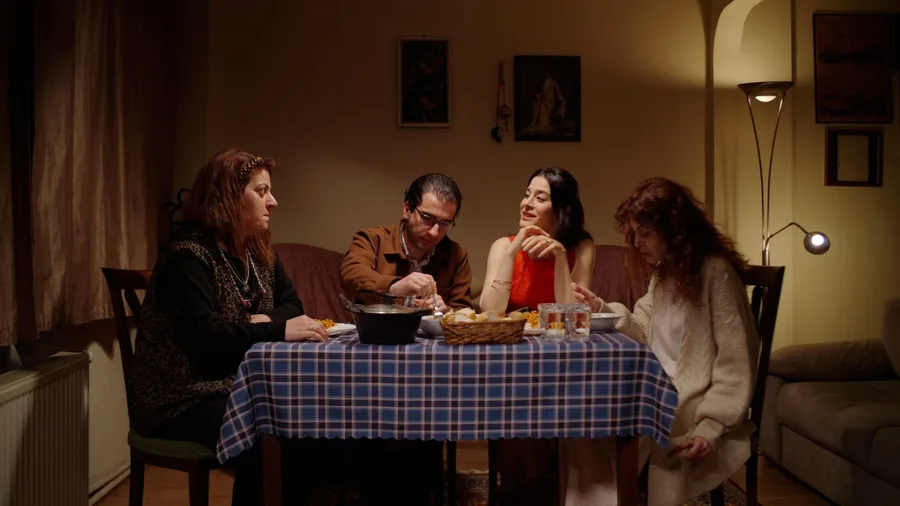
"We need to talk about what is happening in the news," is often the sentence that instantly shatters a relaxed holiday room and puts guests on edge.
Injecting contentious social, political, or economic debates into dinner forces an autonomic threat response in people who simply came to unwind. Relatives adapt to aggressive debates by falling silent, walking into another room, or splitting into protective factions to avoid confrontation, turning a shared celebration into a minefield of strained tension.
Defuse rising friction using a clean conversational pivot: 'Let us table that for another day and focus on celebrating together – did anyone try grandma's dessert recipe yet this year?'
💡 Tip: When controversial topics arise, steer the discussion toward shared childhood memories or holiday recipes.
Dinner Table Conversation Choices
Low-Stress Topics
- Recent travel experiences and local discoveries
- Shared family traditions and funny childhood stories
- Personal creative hobbies, books, or gardening projects
- Appreciation for the food and gathering setup
High-Friction Triggers
- National political debates and electoral opinions
- Critiques of other family members not present
- Financial advice or real estate market arguments
- Controversial social commentary and polarizing news
4. Treating Updates as Competitions Alienates Relatives

When someone shares that they ran a half-marathon and you immediately counter with your full marathon time, the connection snaps. One-upmanship reframes another person's genuine joy or real struggle into a stage for your own resume, making the original speaker feel quietly dismissed instead of supported.
Hold the spotlight on them with an engaged follow-up: 'That took a lot of dedication – how did it feel when you finally finished it?'
Conversational Turn-Taking — At a Glance
⏳ Turn Limit
90–120 Seconds
🎯 Focus Anchor
Speaker's Milestone
🔄 Inquiry Ratio
2 Questions Per Story
🛑 Comparison Trap
Zero Topping Stories
Golden Standard
Celebrate another person's achievement fully without mentioning your own history with the same topic.
Boundary Breaches That Erode Goodwill
Family history often creates a false sense of unlimited access to other people's private lives.
When you ignore adult boundaries or disregard household requests, you place an unfair burden on hosts and guests. Sustainable family ties depend on respecting privacy and sharing the physical labor of the day.
5. Interrogating Personal Milestones Pressures Younger Relatives

Treating private life timelines as casual holiday table conversation turns a warm check-in into an unexpected performance review.
Pressing younger relatives about when they will get married, have children, buy a house, or change jobs usually feels harmless to the person asking. But across a crowded dining room, interrogating those milestones puts private, potentially painful struggles on public display, forcing relatives to justify their life pace between bites of dinner.
People adapt to that recurring discomfort by putting up defenses. They start arriving right before dinner, leaving early, or skipping the gathering entirely.
You can show warmth without demanding an accounting of their personal life. Swapping intrusive milestone checks for open-ended questions like 'What has been keeping you busy outside of work?' gives them the freedom to share a new interest or keep things light without feeling cornered.
💡 Tip: Give younger relatives control over what they share by focusing on their current interests rather than traditional life milestones.
Reframing Personal Inquiries
Open questions allow the other person to set their own comfort boundary.
6. Resurfacing Old Grievances Traps Relatives in Stale Conflicts

The issue is rarely the memory itself, but the unresolved friction packed inside it. Bringing up past financial disagreements, teenage mistakes, or childhood rivalries traps adult relatives in obsolete roles. It forces them to defend choices they made decades ago instead of enjoying the gathering as the mature adults they are today.
Public teasing about past embarrassments never lands as gentle affection.
When past mistakes are resurrected as table humor, everyone in the room takes note. Relatives quietly put up their guard because they realize their own vulnerabilities might become the next punchline. That subtle discomfort replaces ease with social caution, leaving guests wondering whether their own past errors will be brought up next.
The answer is an active present-focus rule: interact with the people sitting around the table based entirely on who they are today, leaving adolescent missteps, old financial friction, and childhood rivalries firmly in the past.
When a conversation begins drifting toward an old sore spot, deliberately guide attention back to current life. Asking about someone's current work, personal interests, or upcoming plans signals that you respect their personal growth, giving them permission to relax without having to defend the person they were twenty years ago.
⚠️ COMMON MISTAKE
The 'Harmless Teasing' Trap
Using outdated family nicknames or referencing past financial mistakes under the guise of humor creates invisible walls. If the subject of the joke is not laughing out loud, retire the memory permanently.
7. Ignoring Explicit Host Requests Strains Gathering Logistics

People often assume that being a relaxed guest means treating household rules casually. In practice, brushing off a host's explicit logistics does not read as easygoing charm; it reads as indifference to the work required to open a home.
Running a holiday gathering requires coordinating oven timers, shared counter space, and tight seating arrangements. When you show up forty-five minutes early, bring an unannounced guest or a pet, or step past the shoe rack, you break that operational rhythm. What feels like low-maintenance spontaneity forces the host into sudden crisis management before the event even begins.
The chill you feel afterward is exhaustion, not unprovoked hostility.
Basic consideration means confirming your arrival window and any dietary limitations forty-eight hours ahead, then following the household standards without debate or personal exceptions. When you respect the physical boundaries of the space, you protect the host's energy and prevent quiet resentment from settling over the table.
📅 The 48-Hour Guest Logistics Timeline
48 Hours Prior
Confirm exact arrival time, dietary restrictions, and specific contributions with the host.
Day of Event
Arrive within a strict 10-minute window of the agreed time rather than early.
Entry Protocol
Follow house rules regarding outdoor footwear and coat storage without prompting.
Post-Dinner
Assist with clear-down duties before taking a seat in the living area.
8. Vanishing When Work Starts Leaves Others Carrying All Labor

Dinner finishes, chairs scrape back, and you drift toward the living room sofa with a fresh drink while pans pile up in the sink.
Sociologists who study domestic labor note that unshared physical effort creates immediate, silent resentment that lingers long after guests go home. When a few people carry the entire load of meal preparation, table setting, and dishwashing while others spectate, the gathering stops feeling like a shared celebration and turns into unpaid service.
The fix is simple: claim an operational task without asking for instructions. Clearing side plates, drying roasting pans, or hauling out trash pays your share of the room's physical tax.
💡 Tip: Do not ask 'How can I help?' because it forces the host to manage you; pick up a dish towel and start drying clean pots.
Frequently Asked Questions
What should I do if I realize I have dominated a conversation?
Acknowledge the slip smoothly without excessive self-criticism: 'I just realized I have been rambling about work for ten minutes. Sarah, tell us how your new photography course is going.' This resets the room immediately.
How can I handle a relative who tries to draw me into a debate?
Use a warm, non-committal boundary: 'There are plenty of strong opinions on that, but I would much rather hear about your recent trip while we are all together.' Then ask a direct question about their life.
Is it ever acceptable to arrive early to help the host?
Only arrive early if the host explicitly requested your presence at that specific hour for a named task. Otherwise, an early arrival creates logistical friction while the host finishes cleaning and cooking.
How do I redirect a conversation when someone asks invasive questions?
Offer a brief, neutral answer and pivot back to shared territory: 'Work is steady right now, but I am mostly focused on planning my summer hiking trip. Have you visited the national parks recently?'
Auditing Your Table Presence Before Next Season
Before the next gathering, run a simple diagnostic on your presence. Keep your speaking time under fifty percent in group conversations, and make a rule of asking at least two genuine follow-up questions before offering your own story. When opening a catch-up, stick to low-pressure ground: 'I\'d love to hear how your year went – what was the best part of it for you?'
Rebuilding family goodwill comes down to listening, respecting private boundaries, and quietly sharing the household workload. When you stop draining the room's energy, relatives stop looking for reasons to step away for another drink.
Check Your Conversational Habits Today
Review the two-minute rule and kitchen guidelines before your next gathering to foster genuine warmth across the family table.

Meet Edward Green, the founder of GolfingGoal and a seasoned expert in golf. With years of experience on the course and a passion for the sport, Edward has a wealth of knowledge to share. As our Lead Writer, he contributes articles, tutorials, and resources to help readers to improve their skills and reach their full potential on the golf course. Join Our Team!