

Two people clear the dinner table: one scrapes leftover roast into the bin without a second thought, while the other stands at the counter forcing down cold meat to avoid the quiet ache of childhood guilt.
From finishing every bite and stockpiling washed packaging to keeping fine dishware boxed away and navigating without a screen, these automatic reflexes are not innate personality traits. They are conditioned responses inherited from mid-century households that treated material waste as a moral failure and unmonitored autonomy as standard operating procedure.
Understanding the developmental origins of these habits separates genuine practical competence from outdated scarcity reflexes, giving you the choice to keep the self-reliance while shedding the friction.
Quick Tips Before You Start
Check Your Satiety
Put your fork down halfway through eating and evaluate stomach fullness rather than the remaining food.
Audit Your Containers
Recycle warped takeout tubs and commit to a single set of six matching glass containers.
Burn the Good Candle
Bring out your fine linens and stored china this week for an ordinary weeknight dinner.
Match the Channel
Keep text messages for brief logistics and schedule short voice calls for complex emotional topics.
Resource Conservation and Scarcity Reflexes
The post-war decades trained a generation to view physical goods as scarce and fragile. Parents who lived through shortages passed down strict rules for managing possessions, food, and household supplies.
These daily reflexes once protected household budgets, but in modern life they often generate quiet clutter, overeating, and unnecessary domestic tension.
1. Finishing every bite stems from childhood clean-plate conditioning

Forcing down the last three bites of a heavy meal costs far more in physical discomfort than scraping them into the bin costs in lost pennies. That persistent prickle of guilt at the sight of leftover potatoes was handed down by parents who survived the Great Depression and wartime rationing, turning the cleared plate into a measure of basic moral decency.
Developmental researchers consistently find that strict clean-plate rules override natural hormonal cues for fullness. When visual emptiness replaces physical satiety as the signal to stop, overeating becomes an automatic response to portion size rather than genuine hunger.
The food is already paid for. Eating past fullness does not recover the expense; it simply turns a human body into secondary waste disposal.
💡 Tip: Stop eating the moment physical fullness hits, even if exactly one bite remains on the plate.
The Scarcity Reflex Scale
Assessing the real-world burden of mid-century conservation habits
- Repurposing Sturdy Mason Jars: Practical reuse with zero household friction
- Saving Quality Tools for Real Tasks: Protects hardware without cluttering active storage
- Eating Past Fullness to Clear Plates: Disrupts metabolic cues and causes persistent digestive stress
- Stockpiling Hundreds of Plastic Takeout Tubs: Crowds functional living space to soothe hypothetical shortages
2. Saving special possessions leaves valuable items perpetually unused

The easiest mistake is assuming that keeping the finest dinnerware sealed behind glass is an act of quiet respect for quality. It feels like discipline to treat solid silver, fine linens, and tailored garments as treasures meant strictly for landmark celebrations that almost never arrive.
The same scarcity reflex that treats a cleared plate as a moral duty also frames ordinary Tuesday dinners as unworthy of your best possessions. Deferring enjoyment for an unspecified future date silently affirms that everyday life is too mundane for nice things.
The material cost of this preservation is absolute. Silk blends lose elasticity in dark wardrobes, vintage table linens yellow along their permanent folds, and boxed china sits untouched for forty years until strangers price it at an estate sale.
Pulling heirloom plates into regular rotation shifts their value from passive storage to daily living. Using fine goods on an ordinary weeknight honors the craftsmanship far better than leaving them to age in cardboard.
💡 Tip: Pick one stored heirloom item today and put it into active daily rotation.
Material Conservation: Then vs. Now
Active Living (Modern Reality)
- Using heirloom dishes for ordinary weeknight dinners
- Recycling thin commercial plastic tubs immediately
- Discarding obsolete broken items to reclaim living space
- Eating strictly until physical hunger subsides
Default Preservation (Mid-Century Script)
- Locking fine china away for hypothetical celebrations
- Hoarding flimsy margarine tubs in overloaded cupboards
- Spending hours repairing glued disposable appliances
- Finishing oversized restaurant portions out of guilt
3. Washing disposable packaging reflects ingrained resistance to waste

Fifty washed takeout tubs stacked in a low cabinet do not signal practical preparedness. Mid-century households treated cleaned margarine tubs, smoothed foil, and bundled twist-ties as genuine proof of domestic competence. Yet keeping cheap, single-use plastic today merely satisfies a momentary urge to hoard against sudden deprivation.
True household conservation uses a modest, permanent set of durable glass or metal containers. Stockpiling brittle commercial plastics clutters living space with packaging that inevitably degrades before it ever sees a second purpose.
⚠️ COMMON MISTAKE
The Illusion of Future Utility
Hoarding single-use packaging feels like thrifty stewardship, but storing low-value containers clutters your living space to soothe an imaginary future shortage.
4. Repairing broken goods instinctively precedes buying replacements
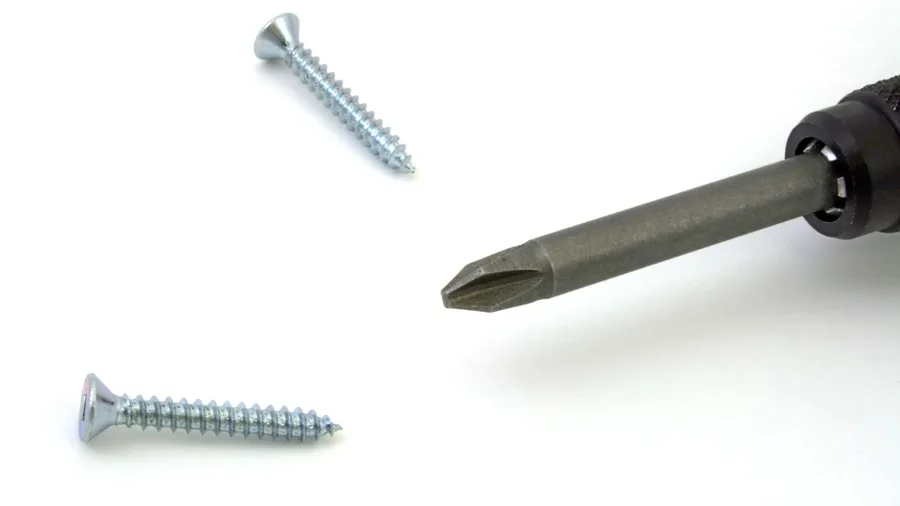
When an appliance or power tool stops working, your first instinct is to clear the workbench, grab a screwdriver, and figure out how to take it apart.
That reflex made complete sense when goods came with cast metal gears, discrete wiring harnesses, and accessible fasteners intended for home disassembly. Taking apart a vacuum cleaner or tabletop fan in 1972 rewarded basic mechanical curiosity. You could easily unthread four standard screws, diagnose a worn brush or loose switch, and restore the machine.
Modern manufacturing operates on completely different rules.
Today, domestic equipment relies on glued plastic chassis, surface-mount electronics, and proprietary software designed around planned obsolescence rather than serviceability. Spending two weekends attempting to pry open a sealed coffee maker or micro-solder a circuit board is no longer practical competence. It simply discharges hours of manual effort against an intentionally disposable design.
Troubleshooting preserves the mechanical self-reliance developed during mid-century home life, but it needs an economic boundary. When replacement parts exceed half the cost of a new unit, spending hours on a rebuild creates a net loss.
The counterintuitive shift is recognizing when mechanical self-reliance becomes an expensive trap. You can check the fuse or clear obvious debris, but if the fix requires proprietary diagnostics or breaking glued seams, putting down the tools and buying a replacement is the more rational, self-respecting move.
💡 Tip: Cap DIY repair attempts at two hours before buying a modern replacement.
Practical Repair Triage Rules
⚙️ Safe Component Targets
Drive belts, intake gaskets, door latches, and power cords
⏱️ Diagnostic Time Box
Cap root-cause electrical testing at 30 minutes maximum
💵 Operating Cost Factor
Retire legacy motors drawing 3x the wattage of modern units
🛠️ Safety Hard Stops
Bypass microwave magnetrons, sealed compressors, and line boilers
Sourcing Limit
Recycle the item if replacement requires hunting salvage lots or modifying mismatched donor subassemblies.
Autonomy and Social Communication Norms
Independence in the 1960s and 70s was not an abstract philosophy; it was a daily requirement for children operating outside adult supervision. Street play, rotary landlines, and community expectations demanded self-sufficiency.
While that environment created extraordinary grit, it also established rigid habits around privacy, communication, and solitary crisis management that can hinder modern connection.
5. Unsupervised childhoods fostered fierce independence during adult stress

"Do not worry about it, I will handle it myself." You default to that exact phrase whenever deadlines collapse at work or a domestic emergency lands on your shoulders.
Spending entire afternoons outside until the streetlights flickered on required resolving neighborhood disputes, minor injuries, and route-finding without calling home for help. That freedom built extraordinary executive functioning and practical resilience. However, it also forged an unconscious conviction that admitting you are overwhelmed is a moral failure, driving adults into chronic isolation and preventable burnout.
Extreme self-reliance eventually hardens into an exhausting wall.
Break the pattern with a low-stakes delegation exercise that transfers real responsibility without hovering or apologizing. Hand a specific logistical task to a coworker or partner with a direct script: "I have too much on my plate this afternoon. Please take over the vendor calls for the rest of the day."
💡 Tip: Delegate the execution completely without standing over their shoulder to correct their method.
🤝 Rebuilding Healthy Collaboration in 4 Steps
Spot the Solitary Reflex
Notice the internal resistance the moment you think about asking someone for assistance.
Isolate a Concrete Task
Select a distinct, self-contained chore rather than asking for general, undefined help.
Deliver the Direct Request
Ask clearly without adding self-deprecating apologies or detailed justifications.
Release Quality Control
Allow the other person to complete the assignment using their own process.
6. Direct phone calls feel more honest than brief text messages

Modern etiquette says a phone call without a warning text is rude. That rule ignores why picking up the phone still feels like the only honest way to handle real business.
Growing up around a shared kitchen landline trained you in vocal modulation, conversational presence, and speaking politely to whoever answered the household phone. Asynchronous text messages strip out inflection, breathing room, and tone, making digital replies feel distant or dismissive. Voice calls remain genuinely superior whenever you need to resolve emotional nuance or settle complicated disagreements quickly.
Use text messages for quick factual updates and calendar confirmations across generations. Reserve five-minute voice conversations for subjective questions, delicate feedback, or any topic where written words risk creating accidental friction.
💡 Tip: Text to confirm availability first: 'Do you have five minutes for a quick voice call about dinner?'
💡 PRO TIP
The Five-Minute Rule for Calls
If a text exchange requires more than three messages back and forth to clarify tone or arrangements, switch immediately to a brief, focused voice call.
7. Keeping distress private stems from mid-century emotional stoicism

Mid-century social norms treated personal distress as something to manage behind closed doors. Vocal clarity was valued in daily life, but psychological vulnerability was framed as weakness, creating a strict standard of public composure. You learned early that keeping your chin up was not just polite manners, but an essential social obligation.
That reflex buys real steadiness during an acute crisis, keeping you functional while everyone else panics. Over decades, though, the cost accumulates quietly. Chronic emotional suppression maintains elevated cardiovascular tension and physical strain, while withholding what you actually feel builds a subtle wall between you and your partner. Habitual stoicism slowly turns protective composure into lonely isolation.
The adjustment does not require grand emotional confessions. Instead, try stating operational pressure plainly to someone you trust, using straightforward, matter-of-fact language without dramatic pretense.
Mid-Century Habit Audit
8. Memorizing spatial routes gives greater peace of mind than GPS

You glance at the highway overhead sign, check the sun, and know precisely which exit brings you home before the dashboard screen recalculates.
Growing up with folded paper maps and cardinal directions trained your brain to build complete mental topographies. Total reliance on turn-by-turn prompts trades that situational awareness for passive compliance, leaving you stranded if cell service drops. Keeping that geographic map in your head provides real autonomy and security wherever you travel.
Active spatial recall engages deep memory systems, making mental route mapping a habit worth keeping.
Frequently Asked Questions
Why is it so hard to stop cleaning my plate as an adult?
Decades of childhood repetition condition your brain to prioritize visual cues over internal satiety signals. The brain associates leaving food with waste and moral failure, producing genuine anxiety that takes conscious, repeated practice to unlearn.
Why do I feel uneasy using expensive items for everyday meals?
Mid-century domestic norms reserved high-grade possessions strictly for rare social validation. Storing them permanently creates a baseline feeling that everyday living is not special enough to justify fine materials.
How can I tell if an appliance is worth fixing myself?
Inspect how the housing is assembled. If the device uses standard screws and metal gears, manual repair is practical. If the casing is glued, sealed, or reliant on proprietary microchips, replacement is usually the sensible path.
Why does asking for help feel like failing?
Unsupervised childhoods rewarded solitary problem-solving and framed asking for assistance as dependence. Over time, that adaptive childhood coping mechanism calcifies into adult hyper-independence.
Is it useful to rely on mental directions instead of navigation apps?
Yes. Navigating via cardinal directions and road networks actively stimulates hippocampal spatial mapping. Using mental maps on regular routes keeps cognitive orientation sharp while avoiding passive digital reliance.
Sorting Your Childhood Conditioning for the Years Ahead
The reflexes formed in the 1960s and 70s were rational, effective responses to an analog world built on physical thrift and unmonitored freedom. But learned behavioral scripts are tools, not permanent character mandates. You can actively preserve the mental route mapping, mechanical curiosity, and conversational directness that build genuine self-reliance.
At the same time, you can give yourself permission to retire the isolating stoicism, the cabinets of saved plastic containers, and the reflex to eat the final three bites off a plate when your body is already full.
Audit One Storage Cabinet This Afternoon
Pick a single cupboard in your kitchen, recycle the warped plastic tubs, and put your finest everyday dishes front and center.

Meet Edward Green, the founder of GolfingGoal and a seasoned expert in golf. With years of experience on the course and a passion for the sport, Edward has a wealth of knowledge to share. As our Lead Writer, he contributes articles, tutorials, and resources to help readers to improve their skills and reach their full potential on the golf course. Join Our Team!