
It's easy to assume a long life to 100 means a lifetime of rigid sacrifice, but surprisingly, people who reach that age often avoid extreme habits altogether. This perspective can ease the pressure you might feel to pursue intense or restrictive longevity advice.
The common belief is that a remarkably long life requires extreme self-denial, rigid daily routines, or some elusive 'secret' few ever uncover. Yet, research into centenarians consistently shows many lead lives that are surprisingly moderate, often sidestepping the intense regimens frequently promoted for longevity.
In fact, a long life might not call for intense sacrifices or highly specific, restrictive habits, but rather the absence of certain extremes. By seeing what those who live a long life tend to avoid, you can rethink your own approach to aging with less pressure and more sustainable, everyday choices.
Quick Tips Before You Start
Eat Broadly
Focus on a wide variety of whole, unprocessed foods, not just a few 'superfoods'.
Move Often
Integrate gentle, consistent activity into your day rather than only intense exercise sessions.
Practice Moderation
Enjoy small pleasures in life without guilt, making them part of a balanced routine.
Manage Stress
Build strong social connections and find healthy ways to cope with life's inevitable challenges.
Prioritize Basics
Consistent sleep and simple, balanced nutrition matter more than anti-aging fads.
1. Rigid 'superfood' diets are rare
Extreme 'superfood' diets are not a common longevity habit.
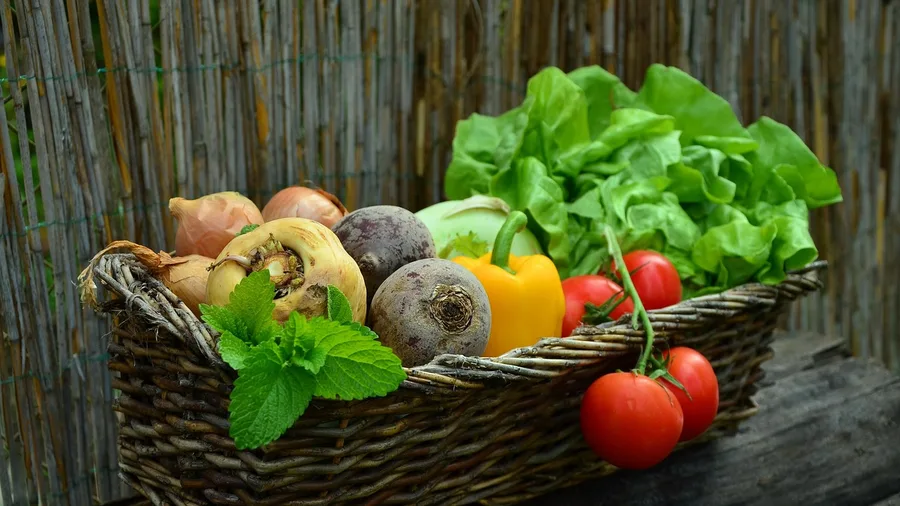
You won't find centenarians meticulously tracking obscure berries or rigid single-item meal plans; their long lives are often supported by a broad spectrum of local, seasonal foods. This naturally delivers a wider range of micronutrients, which is increasingly important as digestion and nutrient absorption shift after 50.
Instead of strict calorie counts, moderate portions guided by natural hunger cues are more typical. Eating until satisfied, not stuffed, supports metabolic health over decades.
There's no obsession with what's trending.
Researchers consistently note that daily staples like whole grains, legumes, and a variety of vegetables form the bedrock of their eating patterns. These traditional regional dishes offer sustained benefit, contrasting with the pressure to constantly seek out exotic, expensive 'superfoods' that often offer less for long-term health.
Eating is a sustainable, enjoyable act, woven into cultural life, rather than a restrictive, guilt-ridden regimen.
⚠️ COMMON MISTAKE
Focusing Too Narrowly on "Clean Eating"
Many people in their 50s and 60s adopt extremely restrictive 'clean eating' diets, cutting out entire food groups. This can lead to nutrient deficiencies and social isolation, making a healthy pattern harder to sustain. Your body actually thrives on diverse, moderate intake.
2. Intense exercise is not the norm
After understanding how centenarians approach their plate, it's clear their physical activity also shies away from extremes.
You won't often find them in a gym pushing for a new personal best or dedicating hours to high-intensity interval training. Their activity is instead woven into the fabric of daily life, which tends to be more sustainable for joints and energy levels as we age.
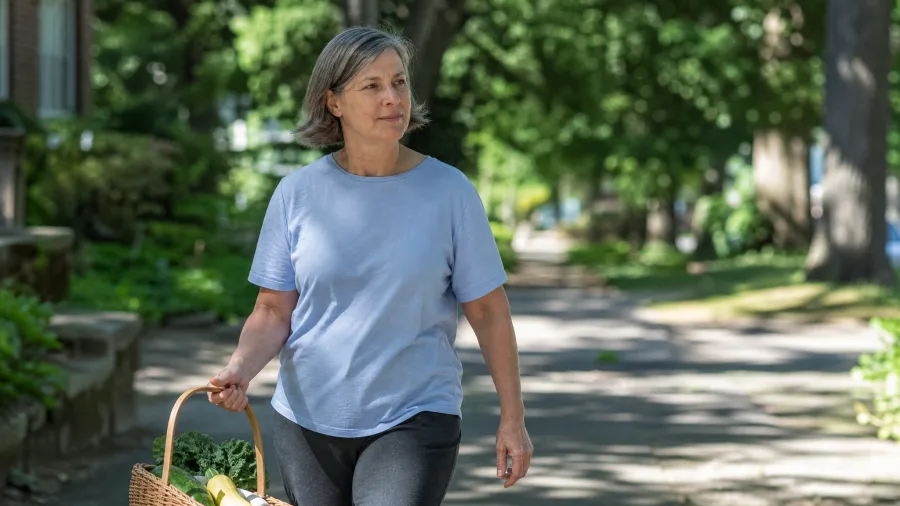
Think of consistent, low-impact movements: walking several blocks to a local shop, spending two to three hours a week tending a garden, or tackling household chores with purpose. These aren't intense workouts, but ongoing movement that keeps muscles engaged and blood flowing, supporting bone density and circulation without undue strain.
The focus shifts from pushing the body to its physical limits to simply staying active, day in and day out. This approach prioritizes longevity and joint health over short bursts of intense exertion.
That means less time in structured classes, more time living an active life.
Consistent Movement vs. Extreme Workouts
Embrace This
- Daily walks (30-60 min)
- Gardening & yard work
- Dancing, gentle yoga
- Stretching, light weights
- Using stairs over elevators
Rethink This
- High-impact running
- Heavy max lifts without supervision
- Ignoring joint pain
- Competitive team sports (high risk)
- Intense boot camps after 60
3. Total abstinence from all pleasures is rare

Just as centenarians tend to sidestep extreme physical exertion, they also show that a long life does not demand total self-denial of small pleasures.
Abstinence from everything isn't their rule.
Instead, social gatherings and community meals often form a central part of their routine, frequently involving shared food and drink. You might observe them enjoying one small square of dark chocolate after dinner, or a single four-ounce glass of red wine with a meal a few times a week.
This isn't about rigid restrictions, but rather savoring treats in moderation, which can actually reduce cravings and the mental stress of feeling deprived. For bodies over 50, a balanced approach to pleasure helps maintain a healthy relationship with food and drink.
In many long-lived cultures, these small amounts of traditional foods or beverages are integrated into social rituals and daily enjoyment, not categorized as "forbidden" health hazards. This perspective allows for sustained enjoyment over decades, rather than cycles of strict dieting and indulgence.
😊 Build More Joyful Moments
Identify One Small Pleasure
Pick something simple you enjoy, like a square of dark chocolate or a specific tea.
Plan for It
Schedule this pleasure deliberately, perhaps after dinner or during a quiet morning moment.
Engage All Senses
Slow down and truly savor the taste, smell, and texture of your chosen treat.
Limit the Portion
Keep it small; the goal is enjoyment, not overconsumption or feeling stuffed.
Pair with Connection
If possible, share this moment with a loved one or a friend for added benefit.
4. Zero stress is an unrealistic myth
Even with a lifetime of well-chosen habits and moderate pleasures, centenarians are certainly not immune to life's difficulties. Personal losses, daily worries, and significant life events are an unavoidable part of the human experience, regardless of age.
The distinction isn't an absence of stress, but rather how it is processed. Long-lived individuals often prioritize strong family and community ties, actively participating in social circles that offer emotional support and a sense of belonging.
This consistent connection acts as a powerful buffer. Engaging in simple, calming routines like a daily walk in nature, prayer, or focused meditation also helps manage emotional strain, rather than letting it build.
Experts in healthy aging often observe that a philosophical perspective on life's challenges is common. This involves accepting what cannot be changed and finding meaning in experiences, helping to mitigate the impact of difficult moments.
Longevity appears consistently linked to effective stress management and personal resilience. This approach distinguishes it from the unrealistic pursuit of an entirely stress-free existence, which is simply not a part of life for anyone.
5. Chasing every anti-aging fad is not typical
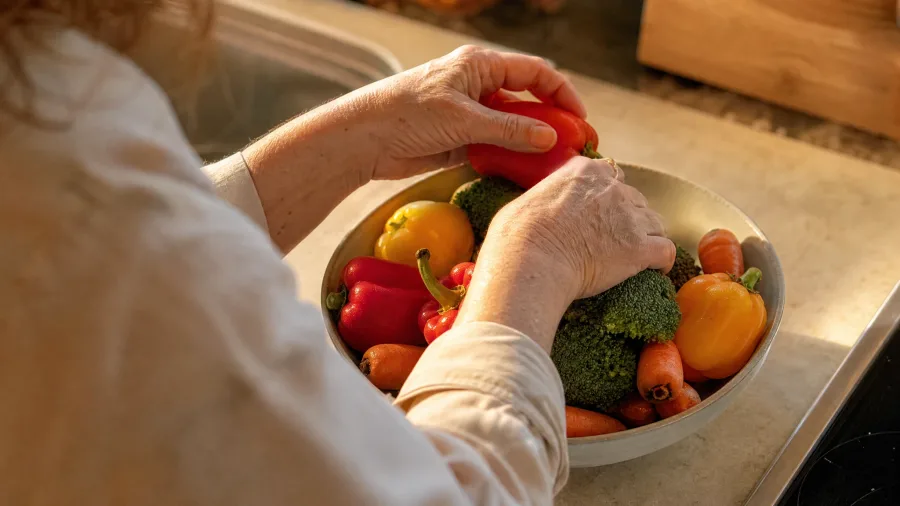
Just as centenarians demonstrate realistic approaches to managing life's stresses, they also tend to approach health information with a practical skepticism. Chasing every new anti-aging fad is simply not a typical behavior for those who live exceptionally long lives.
They rarely jump on novel supplements, extreme detox plans, or restrictive 'miracle' diets often heavily marketed for longevity. Many of these products are expensive, easily costing hundreds of dollars a month with little proven benefit for long-term health.
Their health choices are instead often guided by a reliance on time-tested wisdom: eating simple, whole foods, getting sufficient rest, and staying consistently active.
The focus remains squarely on fundamental health pillars. This means maintaining consistent sleep schedules, aiming for 7-9 hours nightly, enjoying balanced nutrition with plenty of varied produce, and engaging in regular, gentle movement.
Centenarians are generally not swayed by aggressive marketing claims for unproven products or overly complex health regimens. Their long lives appear to stem from consistency in these foundational practices, rather than from a relentless pursuit of the next big trend.
Frequently Asked Questions
Do centenarians ever get sick?
Yes, centenarians experience health challenges, but they often have a later onset of chronic diseases or manage them effectively. Their overall resilience and ability to recover tends to be higher than average.
Is genetics the only factor for longevity?
Genetics play a role, but lifestyle and environment are incredibly influential. Studies consistently show that even with favorable genes, healthy habits like diet, exercise, and social connection are essential for a long life.
Should I completely stop eating sugar or drinking alcohol?
Not necessarily. Many centenarians enjoy small amounts of treats or alcohol in moderation, often as part of social rituals. Extreme restriction can lead to feelings of deprivation and can be hard to sustain, sometimes doing more harm than good for mental well-being.
What's the most important habit for living to 100?
There isn't one single 'most important' habit. Rather, it's a combination of balanced nutrition, consistent physical activity, strong social connections, effective stress management, and a sense of purpose that cumulatively supports a long and healthy life.
Do centenarians all live in 'Blue Zones'?
While 'Blue Zones' highlight regions with high concentrations of centenarians, people live to 100+ all over the world. The key insights from these areas are often about integrated, balanced lifestyles, not exclusive geographic factors.
Shifting Your Focus to Sustainable Longevity
The consistent message from those who live longest is clear: a long life doesn't hinge on avoiding every pleasure or adopting extreme, prescriptive habits. It's truly about balance, moderation, and choices you can actually maintain.
Chasing after intense 'secrets' to longevity often creates unnecessary pressure and can take the joy out of daily living. Instead, free yourself to cultivate positive habits that feel good, are easily integrated into your routine, and genuinely support your well-being for decades to come.
Remember that initial thought about rigid sacrifice? Centenarians show us that freedom from those extremes is often the real path to living a full, long life.
Start Small, Live Longer
Pick just one habit from this article – perhaps adding a daily walk or consciously savoring a small treat – and make it a consistent part of your week. Tiny changes add up to big impacts over time.

Meet Edward Green, the founder of GolfingGoal and a seasoned expert in golf. With years of experience on the course and a passion for the sport, Edward has a wealth of knowledge to share. As our Lead Writer, he contributes articles, tutorials, and resources to help readers to improve their skills and reach their full potential on the golf course. Join Our Team!