
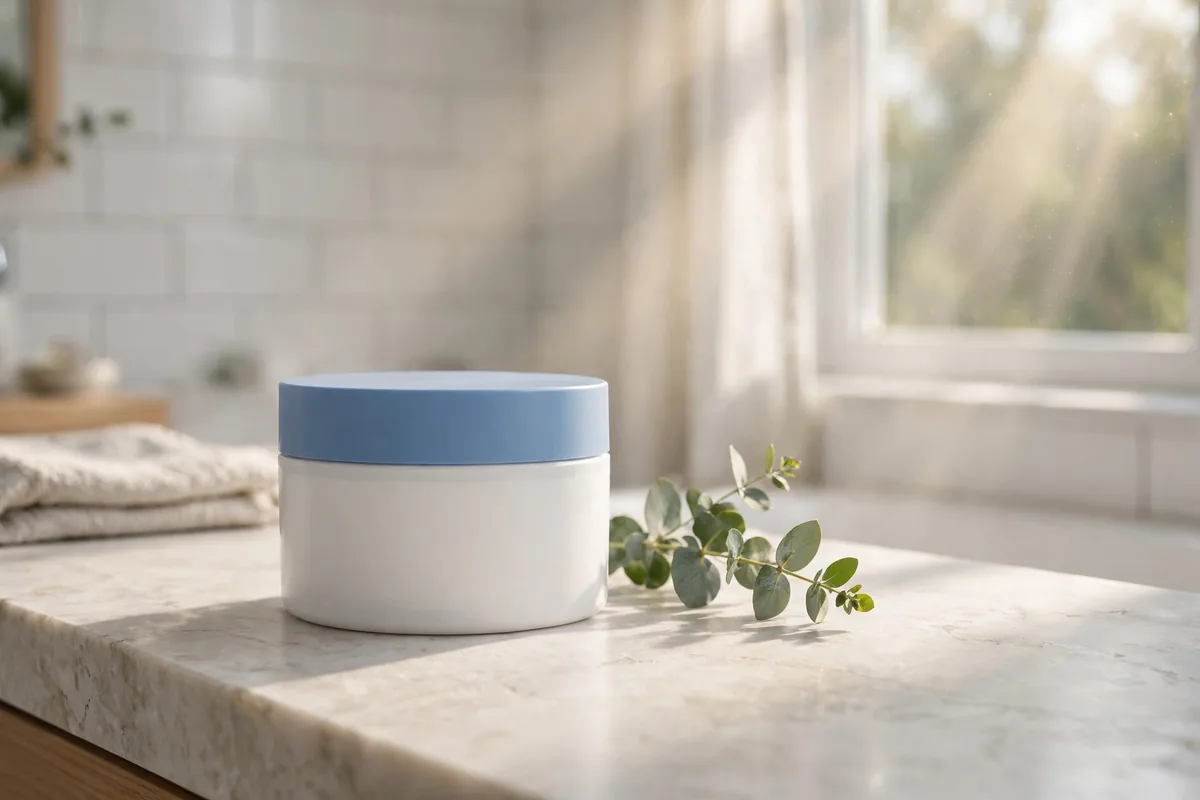
Somewhere in a dermatologist’s office, on a desk next to the prescription pads, sits a plain tub of cream that costs about twelve dollars.
Nothing about it looks impressive. The label is boring. The packaging has not changed in years. And yet dermatologists keep recommending it, over and over, to patients with thinning skin.
Not the seventy dollar jar. Not the cream with the French name. The tub.
Why? Because for thinning, fragile skin, the job of a moisturizer is not glamorous. It is structural. It holds the skin barrier together, seals in moisture, and protects tissue that bruises and tears more easily with every passing year. And it turns out the cheap cream does that job beautifully.
This is the story of why.
What Thinning Skin Actually Is
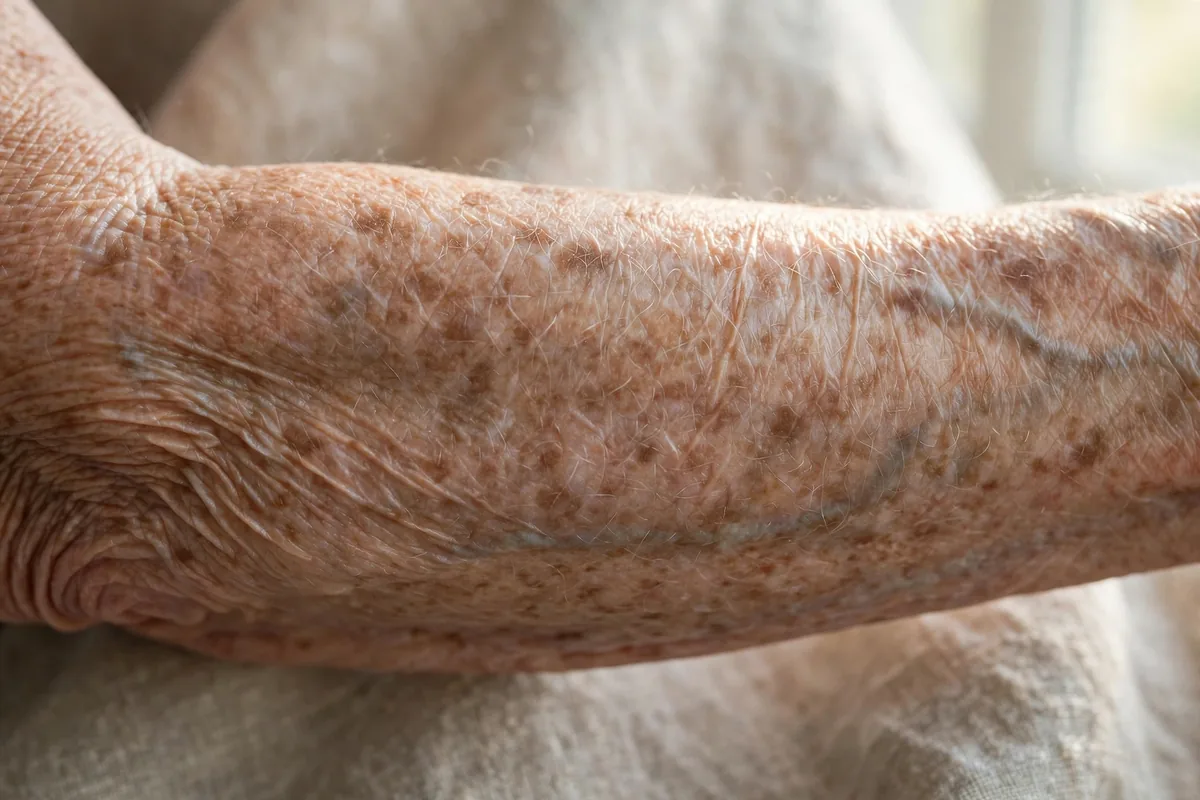
Past sixty or so, skin starts behaving differently. It bruises from the lightest bump. A bandage removal can tear it. Dry patches appear where none existed before.
Here is what is happening under the surface. As we age, the body produces less collagen, the protein that gives skin its firmness, and less elastin, the protein that lets it snap back. The fat layer beneath the skin shrinks too. The result is skin that is literally thinner and less cushioned.
The American Academy of Dermatology confirms this plainly: as people age, it is natural to experience thinner, drier skin along with more wrinkles. Hormonal shifts make it worse. Board-certified dermatologist Diane S. Berson notes that during menopause, dropping estrogen levels lead to dryness and itching, especially when the air is dry (American Academy of Dermatology).
Thin skin also loses water faster. The outer layer, the skin barrier, weakens with age, so moisture escapes and irritants get in more easily. That is why aging skin feels tight, flakes, and reacts to products it once tolerated fine. Understanding this matters, because it changes what you should ask a moisturizer to do.
The Ingredient Short List That Matters
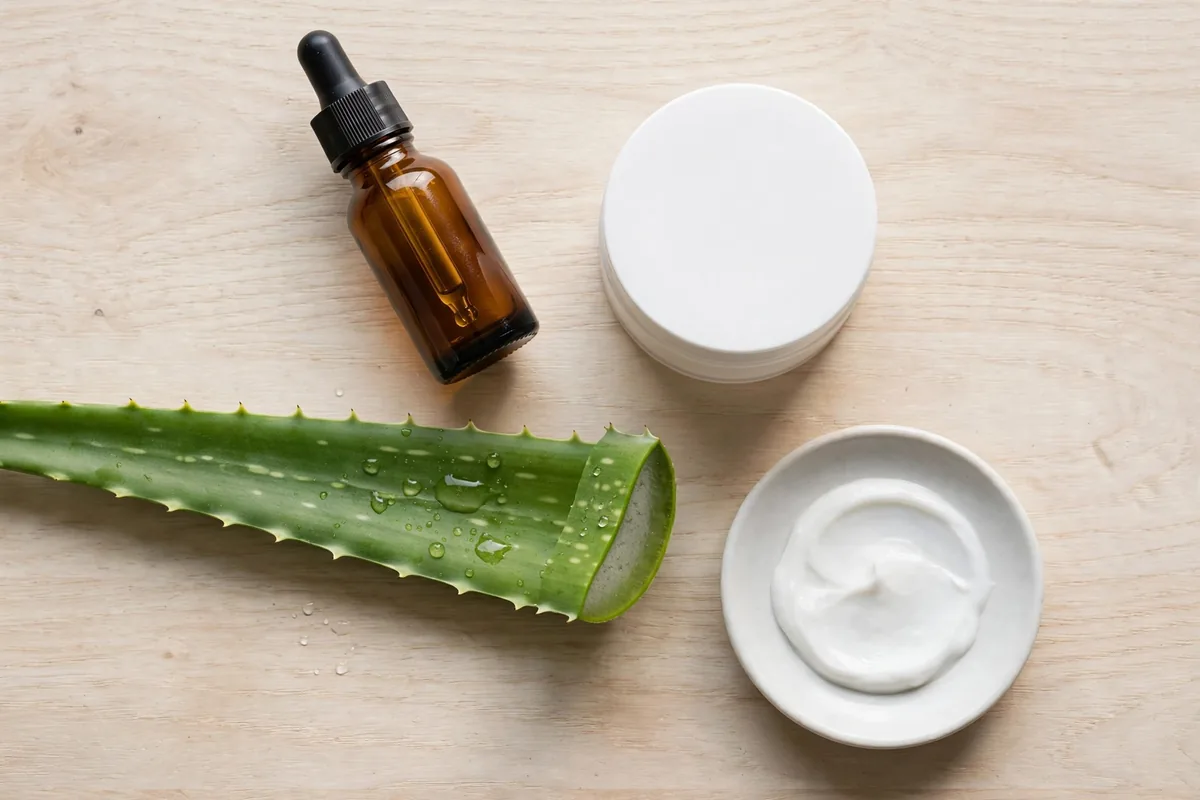
Ignore the marketing. Dermatologists judge a moisturizer by a handful of ingredients with decades of evidence behind them. If you learn these six names, you can read any label with confidence.
- Ceramides. Fatty molecules that are the mortar between your skin cells. They rebuild the barrier and keep water locked in. Think of them as grout between tiles.
- Hyaluronic acid. A humectant, which is a fancy word for a moisture magnet. It pulls water into the top layers of skin and holds it there. Your body already makes it naturally.
- Glycerin. Another humectant, one of the oldest and most studied. It draws moisture to the skin and keeps it supple.
- Petrolatum. The occlusive in Vaseline. An occlusive is simply an ingredient that seals, sitting on the skin’s surface and blocking moisture from escaping. Few things do the job better.
- Niacinamide. A form of vitamin B3. It calms redness and helps strengthen the barrier, and it tends to be gentle even on sensitive skin.
- Fragrance-free. Not technically an ingredient, but its absence matters more than almost any single addition. Fragrance is one of the most common causes of irritation on fragile skin.
That is the whole list. A moisturizer does not need peptides, gold flakes, or stem cells to help thinning skin. It needs barrier repair, moisture, and a seal. Everything else is garnish.
The $12 Tub Everyone Asks About
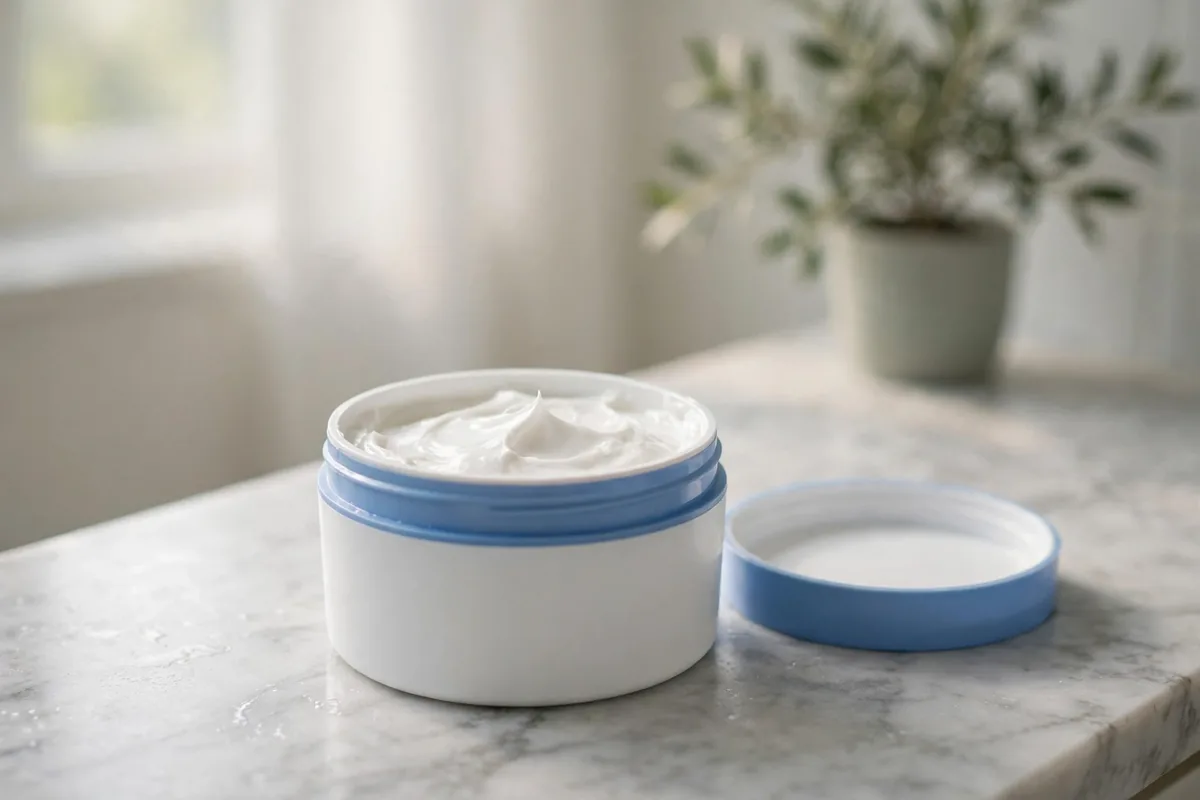
So which cream is it? CeraVe Moisturizing Cream. The one in the tub with the blue and white label. A standard size sells for roughly twelve dollars at most drugstores.
Dermatologists recommend it constantly. Dr. Angela Lamb of the Westside Mount Sinai Dermatology Practice has pointed to its ceramides and hyaluronic acid as the reason it traps moisture and prevents it from evaporating through the skin barrier. Other dermatologists praise it as thick but non-greasy, fast absorbing, and gentle enough to pair with prescription retinoids, because ceramides help recreate the barrier so skin can heal and tolerate treatments better.
What makes it right for thinning skin specifically? A few things. It contains three types of ceramides plus hyaluronic acid. It is fragrance free and non-comedogenic, meaning it should not clog pores. It was developed with dermatologists, and it carries the National Eczema Association’s Seal of Acceptance, a meaningful credential for easily irritated skin. It also works on face and body, so one tub covers the arms and legs that get dry and papery with age.
Is it the only option? No. Vanicream Moisturizing Cream, Eucerin creams, and Cetaphil Moisturizing Cream play in the same league for similar reasons. Dermatologists are refreshingly honest about this. The twelve dollar figure is not the point. The point is that a simple, well-formulated barrier cream costs a fraction of the luxury jar and does the core job just as well.
When You Apply It Matters as Much as the Cream Itself
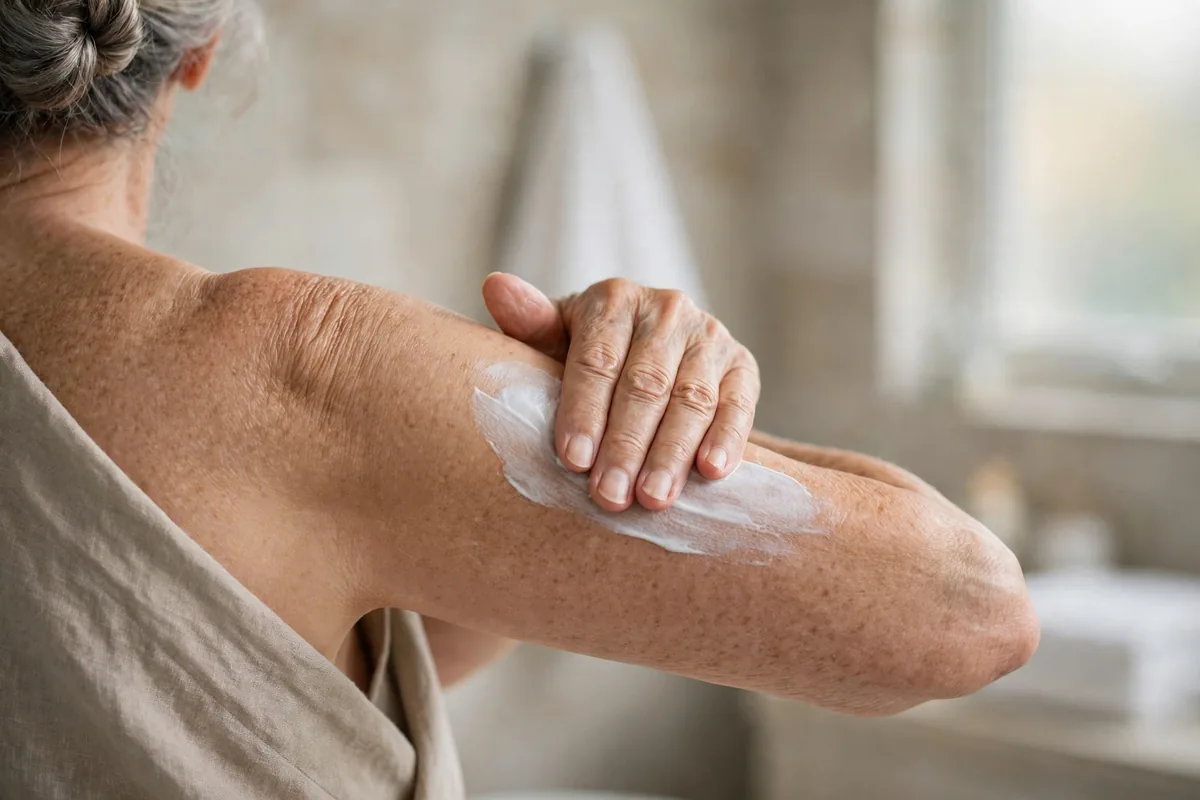
You could buy the best moisturizer in the world and get half its value by applying it wrong. Dermatologists are specific about technique.
The golden rule is simple. Moisturize damp skin.
After a shower, pat your skin dry with a towel. Do not rub. Then smooth the cream on within two to three minutes, while the skin is still slightly wet. Moisturizer does not add water so much as trap the water that is already there. Applied to dry skin, it has less to work with. Applied to damp skin, it locks in hydration, and the skin looks brighter and more plump.
A few more habits make a real difference:
- Keep showers short and warm, not hot. Hot water strips the natural oil barrier that thinning skin can barely afford to lose.
- Use a mild, fragrance-free cleanser. Regular soap can be too drying, and harsh cleansers disrupt the barrier you are trying to rebuild.
- Moisturize the jawline and neck. The AAD specifically reminds people not to skip these spots, which show age first.
- Reapply through the day. Thinning skin loses moisture fast. Once in the morning is a start, but a second application before bed helps too.
What the Tub Cannot Do Alone
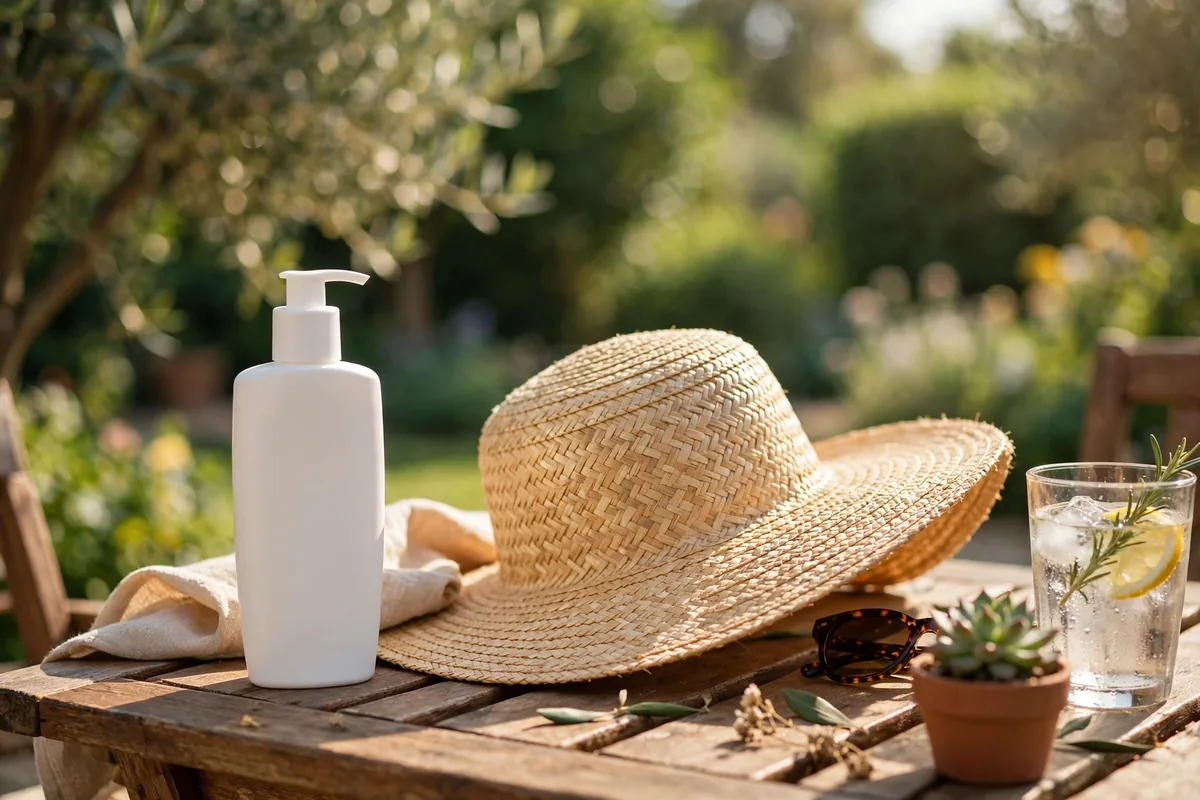
Honesty time. No moisturizer, at any price, reverses thinning skin on its own. It hydrates, protects, and supports the barrier. That is a lot. But two other steps do the heavy lifting on aging itself.
The first is sunscreen. Sun exposure is the single biggest driver of premature skin aging, responsible for up to 80 percent of visible facial aging in some estimates. The AAD advises protecting skin year round with a broad-spectrum sunscreen of SPF 30 or higher, applied to all uncovered skin and reapplied every two hours outdoors (American Academy of Dermatology). Consider a moisturizer with sunscreen for the morning routine, but remember it needs the same reapplication as any sunscreen.
The second is a treatment step, and this is where a dermatologist earns their fee. Retinoids, which are vitamin A derivatives, are the most studied ingredients for improving signs of aging. They can be irritating at first, which is exactly why dermatologists like pairing them with a ceramide cream like this one. The cream buffers the dryness and helps the skin tolerate the treatment.
None of that changes the tub’s role. It is the foundation everything else sits on. Barrier care first, targeted treatments second.
The Habits That Sabotage Thinning Skin

Sometimes the problem is not the moisturizer. It is everything around it.
Long hot showers are the usual suspect. They feel wonderful and quietly undo your whole routine by melting away the skin’s protective oils. Exfoliating too aggressively is another. Scrubs and strong acids can help younger skin shed dead cells, but on thin, dry skin they often cause more harm than good. Go gentle, or skip them in winter.
Fragrance is a sneaky one. Perfume in creams, scented body washes, even laundry scent can trigger itching and redness on fragile skin. If your skin misbehaves and you cannot figure out why, check every product for fragrance. You will be surprised.
And then there is the product pileup. Dermatologist Sheila Zahra Farhang has pointed out that products do not need to be expensive to be effective, and that using too many different products can irritate the skin and actually make signs of aging more noticeable (American Academy of Dermatology). Ten serums layered on thin skin is not a routine. It is a chemistry experiment.
Her advice, and it is worth repeating: a simple three-step approach of cleansing, moisturizing, and protecting covers what your skin needs. Anything beyond that should be added slowly, one product at a time.
Building the Whole Budget Routine
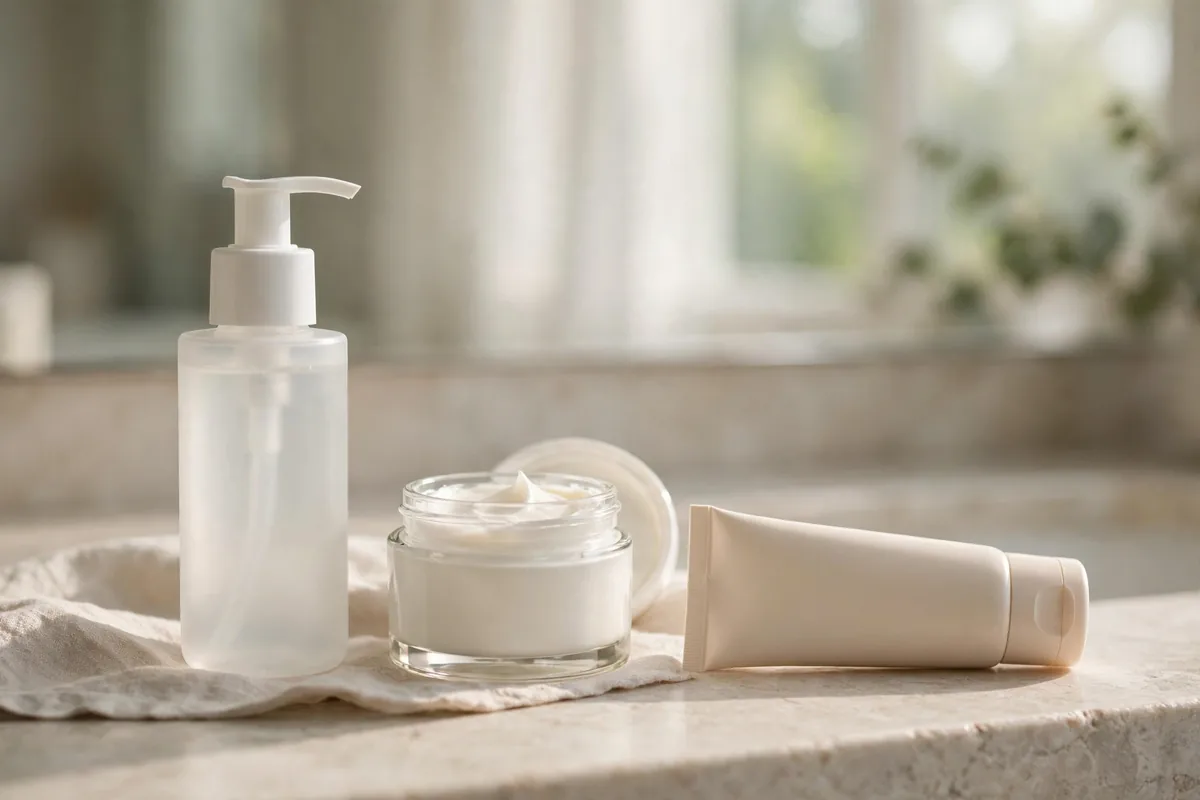
Let us put it all together. A complete, dermatologist approved routine for thinning skin can cost less than one luxury serum.
The three-step budget routine
Morning: gentle cleanser, moisturizer, then a broad-spectrum SPF 30+ sunscreen. Or use a moisturizer with sunscreen to save a step.
Night: gentle cleanser, moisturizer on damp skin. Add a treatment like a retinoid only if your dermatologist suggests it, starting slowly.
Body: the same twelve dollar tub, applied within minutes of toweling off after a warm, short shower.
Notice what is missing. No toner with a name you cannot pronounce. No seventy dollar eye cream. No fifteen step ritual from a celebrity routine. Just the essentials, done consistently.
Consistency beats complexity every time. A simple cream applied to damp skin twice a day will outperform a shelf full of expensive products used sporadically. WebMD’s dermatology reporting makes the same point: for aging skin, trapping moisture with well-chosen products matters far more than chasing any single miracle ingredient (WebMD).
So the next time you walk past the drugstore skincare aisle, slow down at the tubs. The unglamorous one with the plain label might be the smartest buy in the store.
This article is general information about skin care, not medical advice. Everyone’s skin is different, and thinning skin can sometimes signal an underlying condition. Talk to your doctor or a dermatologist about the right routine for you.

Eliza Mercer, the renowned golf coach with unmatched expertise in the sport, is our Lead Instruction Coach. Eliza provides exclusive and personalized coaching sessions to help golfers of all levels improve their skills. With her wealth of knowledge and experience, Eliza is a valuable resource for readers looking to elevate their game. Join Our Team!