

Something shifts in your stomach and intestines after 60, and most people feel it before they can name it.
Meals that used to be easy now sit heavy. Foods you loved for decades suddenly cause trouble. The bathroom routine changes too.
None of this means your body is failing. The digestive tract, the long tube that runs from your mouth to your intestines and breaks food down into fuel, simply works at a different pace in later life. Muscles contract more slowly. Acid and enzyme levels drop. The trillions of gut bacteria shift in makeup.
Researchers at Michigan Medicine note that these muscular slowdowns often show up as acid reflux or constipation after 65, two of the most common complaints their doctors hear. The good news is that most of these changes respond to simple, everyday habits. Here are six of the biggest shifts, and what genuinely helps with each one.
1. Food moves through you more slowly

This is the change almost everyone notices first. The muscles lining your intestines squeeze food along in wave-like contractions called peristalsis. Think of it like a conveyor belt. With age, the belt slows down.
When waste lingers longer in the colon, more water gets absorbed out of it. That is the basic recipe for constipation. Less daily movement makes it worse, and so do low fluid intake and a low fiber diet.
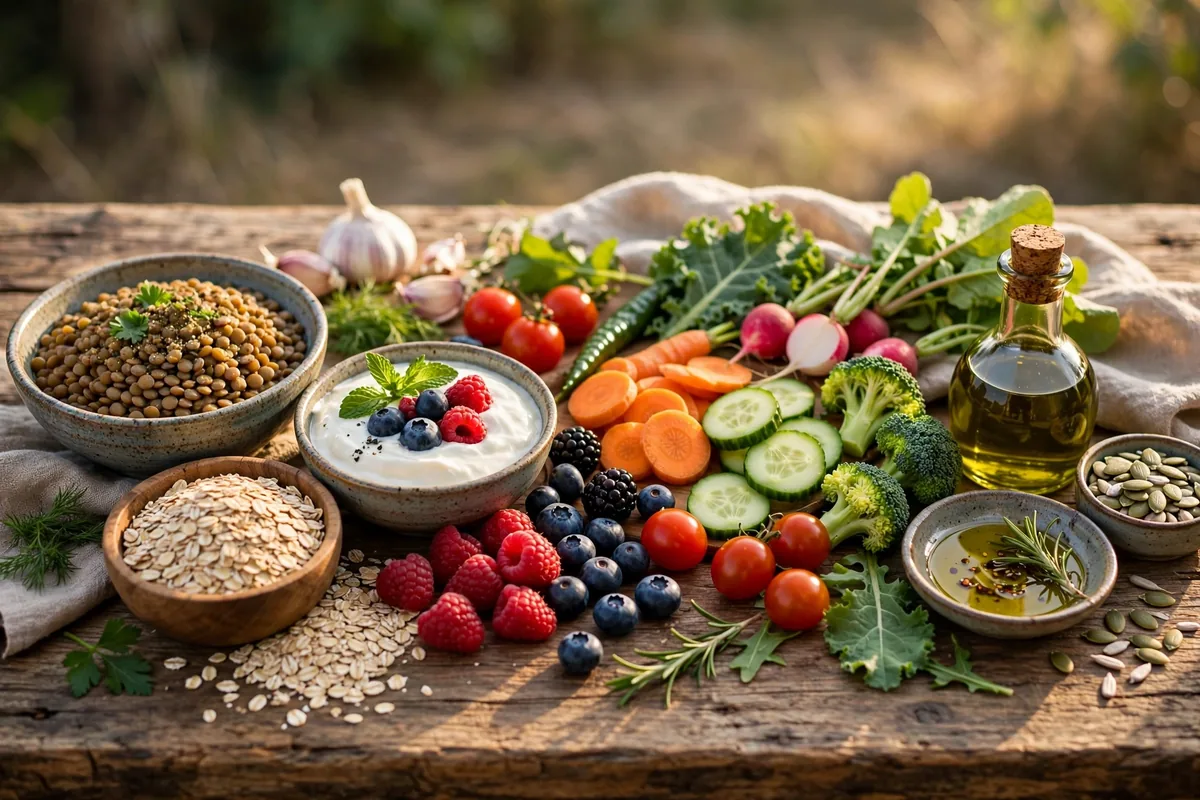
What helps: drink water steadily through the day rather than in one big glass. Aim for fiber from real food like lentils, oats, berries, and vegetables, and build up gradually so your system adjusts. A daily walk does more for regularity than most people expect. Michigan Medicine suggests at least 30 minutes of moderate activity four days a week as a solid starting point.
2. Heartburn shows up more often

That burning sensation behind the breastbone has a simple cause. A small muscle flap between the stomach and the esophagus, the tube that carries food down, is supposed to stay shut after you swallow. With age, that flap loosens. Stomach acid slips upward. The medical name is GERD, short for gastroesophageal reflux disease.
Heavy, fatty meals make it worse because fat slows stomach emptying. Late dinners are another classic trigger. So are spicy dishes, citrus, and coffee, though triggers vary from person to person.
What helps: eat smaller evening meals and finish dinner at least two to three hours before bed. Raising the head of the bed a few inches, with blocks or a wedge, keeps acid down by gravity alone. Keep a short note on your phone of which foods set yours off. Patterns usually emerge within a week.
3. Your stomach makes less acid and fewer enzymes
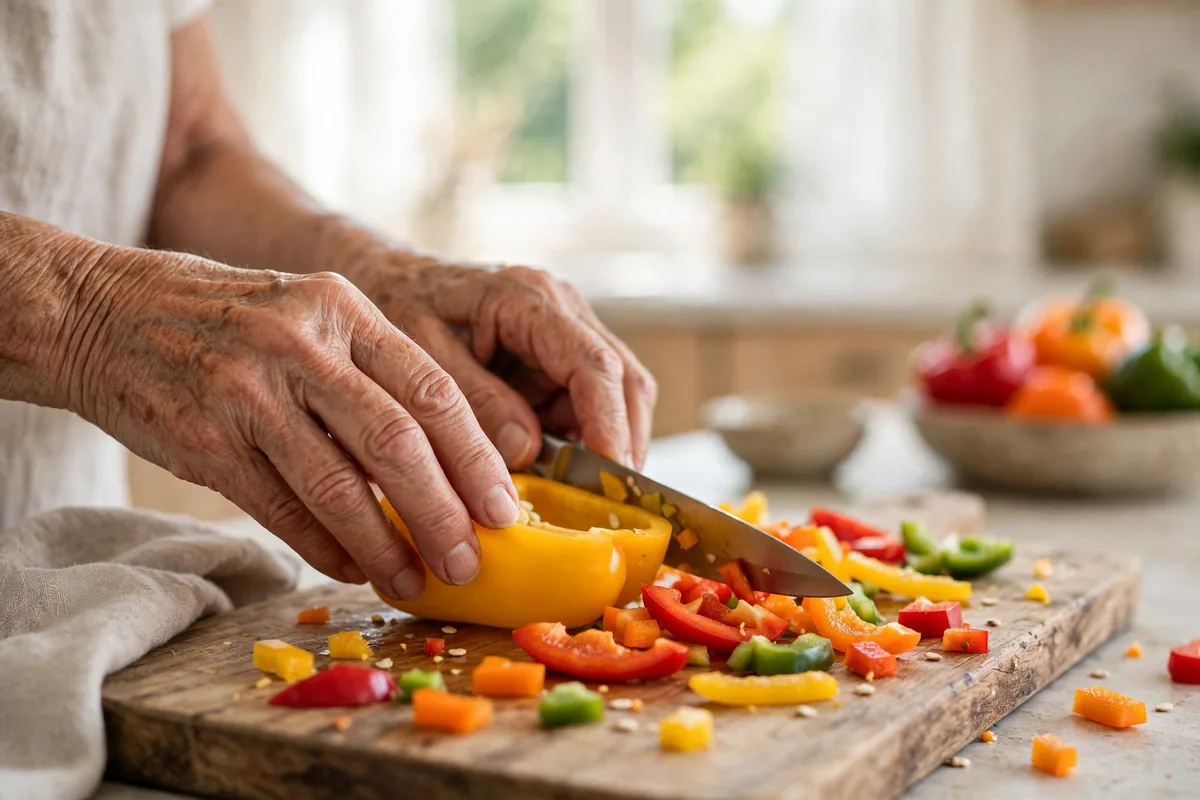
Stomach acid is not just there to cause trouble. It breaks food down and kills many of the germs that hitch a ride on it. As we age, the stomach lining thins and produces less acid. The pancreas, the organ tucked behind the stomach that releases digestive enzymes, also loses some of its output. Enzymes are simply proteins that speed up digestion, and lower levels mean food gets processed less completely.
One practical consequence: vitamin B12 absorption drops, because B12 needs stomach acid to be separated from food. Low B12 can cause tiredness and tingling in the hands and feet over time. Another consequence is that medicines like ibuprofen can irritate the stomach lining more easily, since the protective acid balance has shifted.
What helps: chew food thoroughly. It sounds almost too simple, but breaking food down in the mouth takes real pressure off a weaker stomach. If you take pain relievers regularly, ask your doctor whether your stomach needs protection, and mention any dark or bloody stools right away, as doctors at Michigan Medicine advise. Older adults should also have B12 checked at routine visits, since catching a shortfall early is easy to fix.
4. Your gut bacteria change with the decades

Your intestines host trillions of bacteria, collectively called the gut microbiome. They help digest fiber, make certain vitamins, and train the immune system. With age, their diversity tends to shrink, and helpful groups decline while less helpful ones gain ground.
This shift is linked to more gas, more bloating, and a weaker defense against stomach infections. Diet shapes this community every single day, for better or worse.
What helps: feed the good bacteria with fiber, the part of plant food your body cannot digest but your gut bacteria love. Fermented foods like plain yogurt, kefir, and sauerkraut add live beneficial bacteria directly. According to the NHS, probiotic foods may help conditions like IBS, but they need to be eaten consistently for at least four weeks and are best tried with a doctor’s guidance.
5. Some foods turn against you

Lactose intolerance often develops or worsens with age. Lactose is the natural sugar in milk, and digesting it requires an enzyme the body produces less of over time. The result: bloating and discomfort after ice cream or a milky coffee that never caused problems before.
High fat foods are another common culprit. Medical News Today lists burgers, cheese, ice cream, and fried foods among the items older adults most often struggle with, because fat delays stomach emptying and can trigger both heaviness and heartburn.
What helps: you do not have to give up dairy entirely. Many people handle hard aged cheese and yogurt fine even when milk bothers them, and lactose-free versions of most dairy products exist now. Swap a few heavy fried meals for baked or grilled versions and see how you feel. Small experiments beat sweeping bans.
6. Your mouth gets drier and swallowing takes more effort

Digestion begins in the mouth, and aging changes that starting line. Saliva production falls, often worsened by common medications, leaving the mouth dry and making food harder to chew and swallow. The throat muscles also weaken slightly, so swallowing needs more deliberate effort.
A dry mouth is not just uncomfortable. Saliva protects teeth and begins breaking down starches, so less of it means the rest of the digestive tract starts with a handicap.
What helps: sip water with meals instead of washing food down in gulps between bites. Sugar-free gum stimulates saliva. If dry mouth is severe or constant, bring the medication list to your doctor, since a different prescription sometimes solves it. And keep up with dental visits, because teeth and gum problems quietly make digestion harder by changing what you can comfortably chew.
Putting it all together: a gut-friendly day after 60

None of these changes need to rule your life. Most of them respond to the same handful of habits, which makes this simpler than it looks.
One thing to keep in mind: sudden digestive changes deserve attention. New persistent pain, unexplained weight loss, blood in the stool, or trouble swallowing are all reasons to call your doctor promptly rather than waiting.
This article is general information, not medical advice. Every body is different, so talk with your doctor before making significant changes to your diet or medications.

Eliza Mercer, the renowned golf coach with unmatched expertise in the sport, is our Lead Instruction Coach. Eliza provides exclusive and personalized coaching sessions to help golfers of all levels improve their skills. With her wealth of knowledge and experience, Eliza is a valuable resource for readers looking to elevate their game. Join Our Team!