
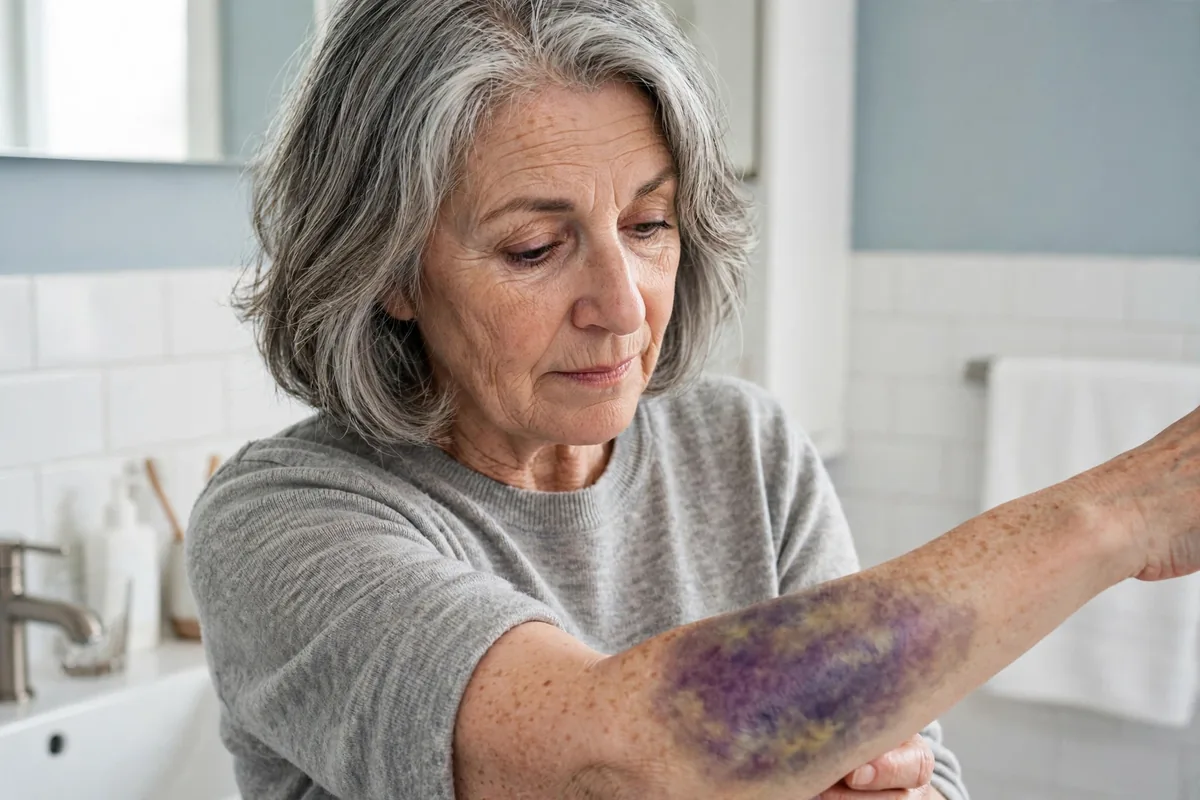
You bump the coffee table. Two days later, your shin looks like a modern art painting.
Sound familiar? After 55, bruises show up from bumps you barely remember. They spread wider. They linger longer. And they can look dramatic enough to worry you.
Most of the time, they’re harmless. But “most of the time” isn’t “all of the time,” and knowing the difference is the whole point of this article.
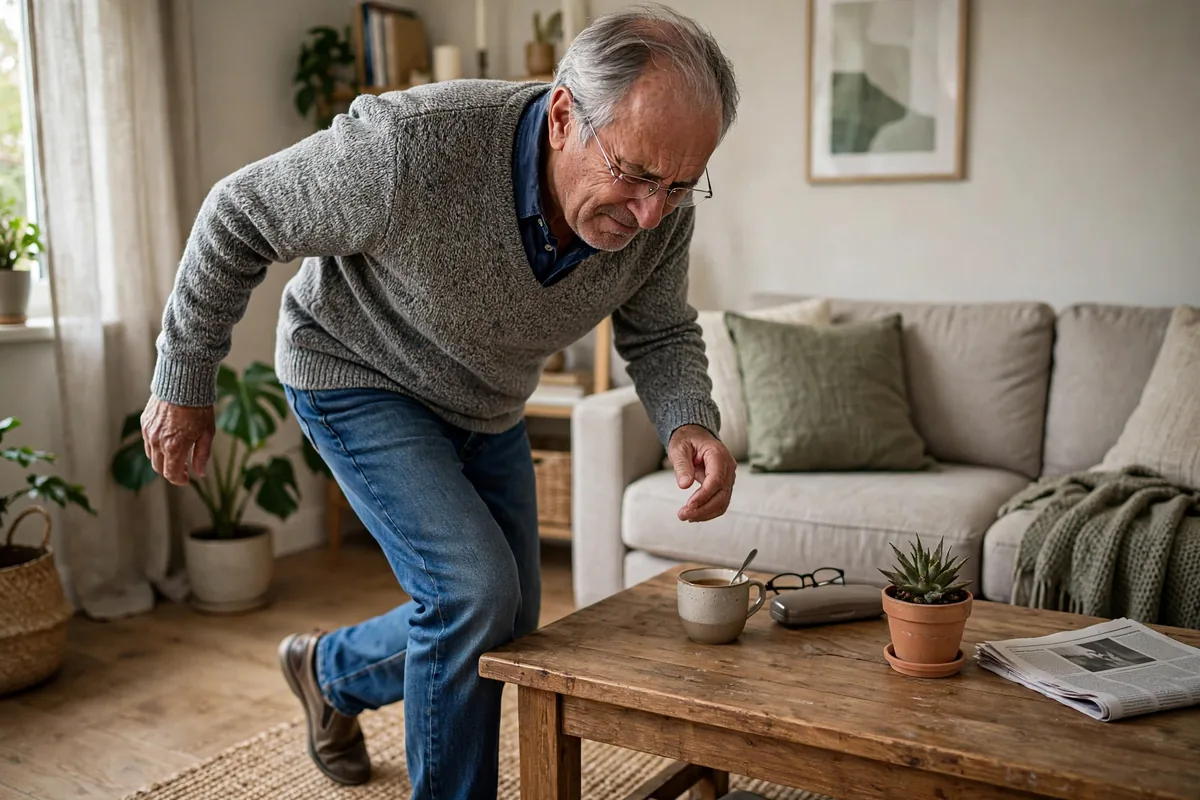
What a bruise actually is
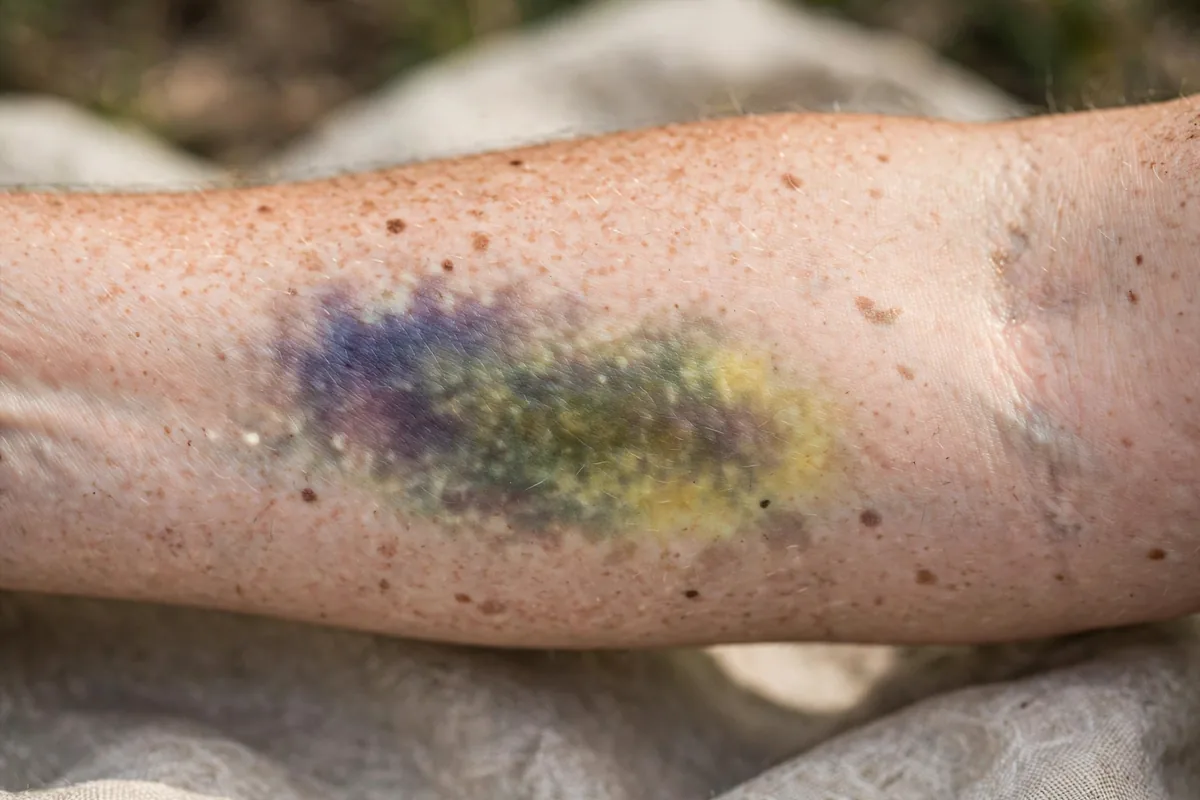
A bruise is a small leak. Under your skin run thousands of tiny blood vessels called capillaries, thinner than a hair. When you bump into something, a few of them break. Blood seeps into the surrounding tissue. That’s the dark mark.
Your body then cleans it up, which is why bruises change color as they heal: dark blue or purple first, then greenish, then yellowish brown, then gone. That color show is just your body recycling the leaked blood, one pigment at a time.
Here’s the key insight. A bruise isn’t really about the bump. It’s about how easily those little vessels break, and how much cushioning sits between them and the outside world. After 55, both of those things change.
Thinner skin, less padding

Young skin is like a thick winter coat. Older skin is more like a windbreaker.
As the years pass, your skin makes less collagen. Collagen is the protein that keeps skin firm and springy, and it also holds those tiny blood vessels in place. Less collagen means less support, so vessels wobble and break more easily.
At the same time, the layer of fat under your skin thins out. That fat was a shock absorber. Without it, the same bump that once did nothing now reaches the vessels at full force. Same impact, less armor.
This is why the bruises cluster on your forearms, hands, shins, and feet. Those spots have the thinnest natural padding to begin with.
Fragile vessels and a lifetime of sun

There’s a second culprit, and it spent decades working in the background: sunlight.
Years of UV exposure slowly damage the connective tissue that supports blood vessels, especially on the backs of the hands and forearms. Doctors have a name for the result: actinic purpura, sometimes called senile purpura. “Purpura” just means purple spots under the skin.
These look alarming. Big, flat, dark purple blotches that appear after the slightest knock, or sometimes no knock you can recall. They don’t hurt. They fade over one to three weeks, sometimes leaving a brownish tint. They’re benign, meaning not dangerous, but they do signal that the skin there is fragile and tears easily, so it deserves gentle handling.
About one in ten people over 50 develops these, and the number climbs with age. If your forearms look like this, you’re in large company.
Your medicine cabinet might be helping
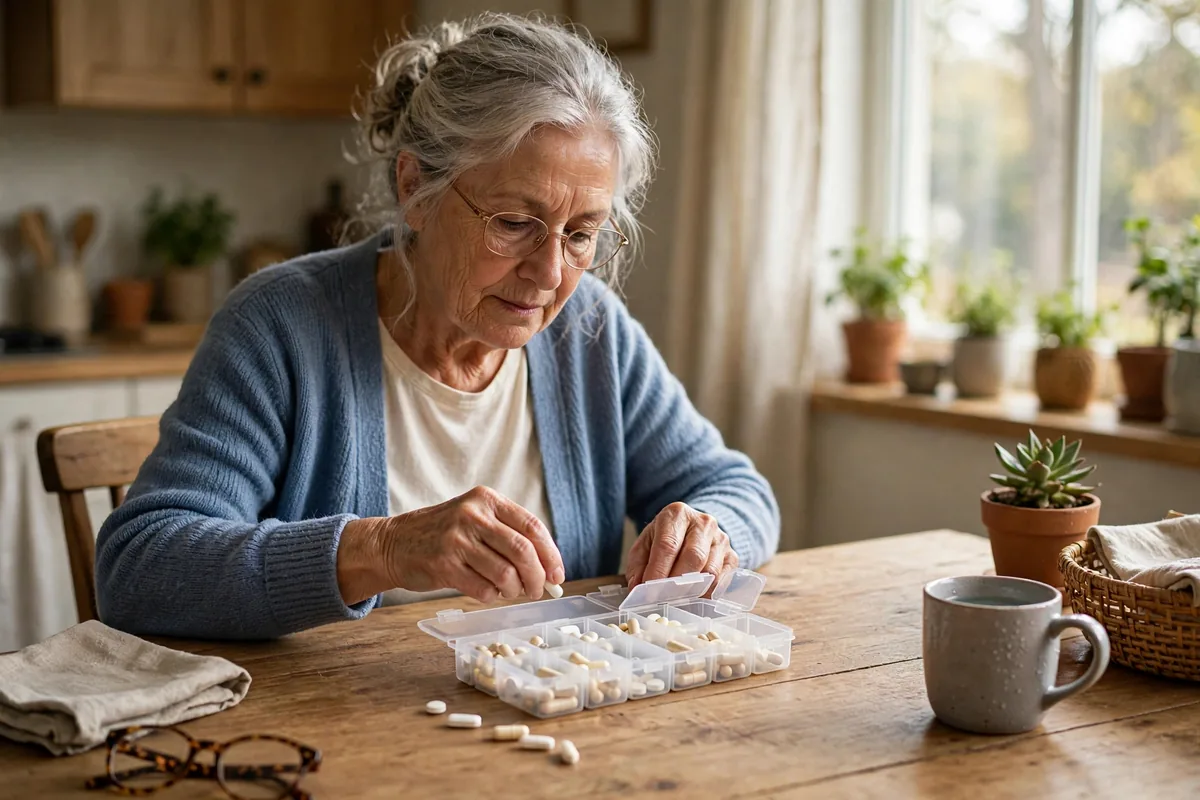
Sometimes the reason isn’t age alone. It’s the pills.
Several common medications make bruising worse. Blood thinners, prescribed to prevent clots and strokes, slow down clotting, so more blood leaks from each broken vessel before it seals. That category includes warfarin, apixaban, rivaroxaban, and clopidogrel, plus everyday aspirin.
Then there are the painkillers. Ibuprofen and naproxen, the ones in most bathroom cabinets, interfere with how platelets do their job. Platelets are the tiny cell fragments that rush to plug leaks. Sluggish platelets, bigger bruises.
Steroids deserve a mention too. Used for asthma, arthritis, or rashes, they thin the skin itself over time. Thinner skin, less protection, more marks. Even some supplements play a role: fish oil and ginkgo can nudge clotting in the wrong direction, especially combined with prescription blood thinners.
Important: never stop a prescribed medication because of bruising. That trade is almost never worth it. Instead, bring the bruising up at your next appointment and let your doctor weigh the balance.
When a bruise deserves a doctor’s look
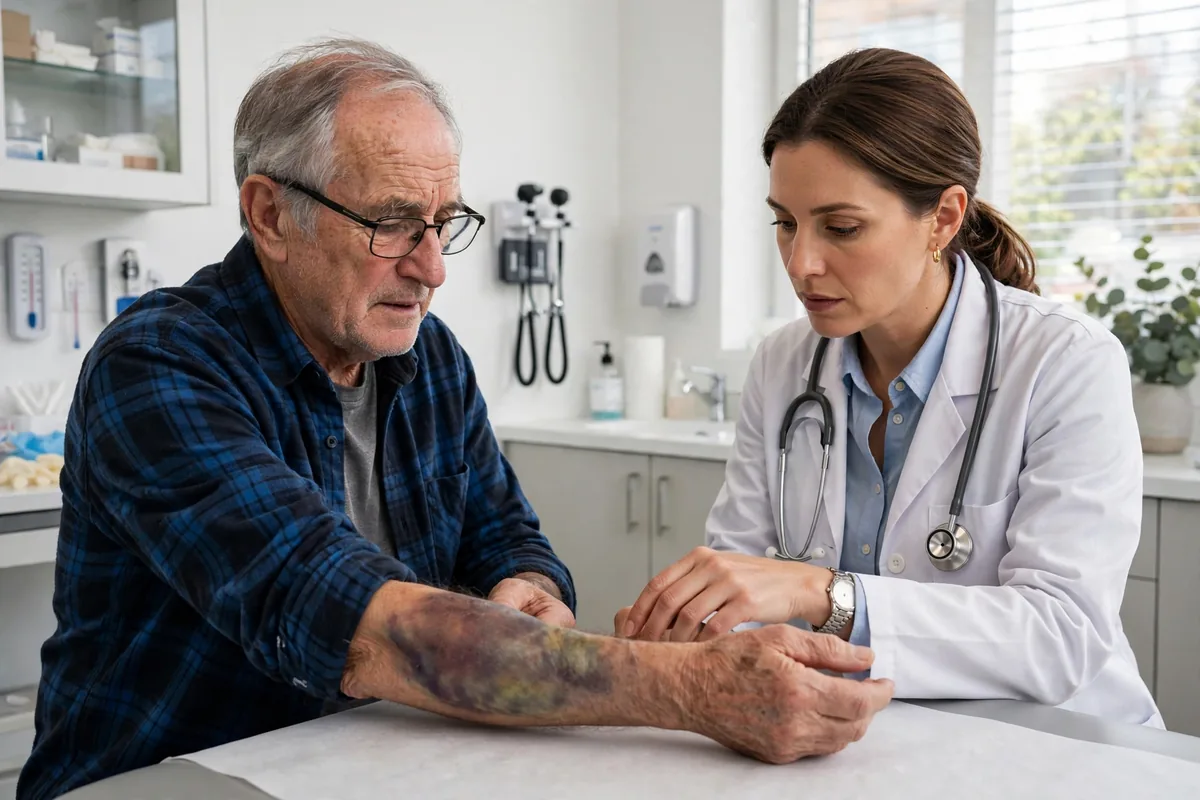
So when does normal aging cross into something worth investigating? Doctors point to a handful of patterns.
First, timing and scale. Bruising that starts suddenly, shows up much more often than before, or produces unusually large or painful bruises from tiny bumps. A change in your personal pattern matters more than any single bruise.
Second, location. Bruises on the forearms and shins are classic aging. Bruises appearing on the trunk, back, or face without any remembered injury are less typical and worth mentioning.
Third, company. Bruising that arrives with other bleeding signs: frequent nosebleeds, bleeding gums, blood in urine or stool, or with unusual tiredness and feeling generally unwell. That combination suggests something beyond thin skin, possibly involving platelets, clotting, or the liver, and it earns a proper evaluation with blood tests.
The rule of thumb from hematologists, the doctors who specialize in blood: new, sudden, severe, widespread, or strange-location bruising gets a call. Everything else gets watched.
One more pattern worth mentioning: bruises that don’t heal. A normal bruise fades within two to three weeks. One that stays dark and tender well beyond that, or keeps growing, deserves a look. Healing is your body’s report card, and a failing grade is information.
Simple ways to bruise less
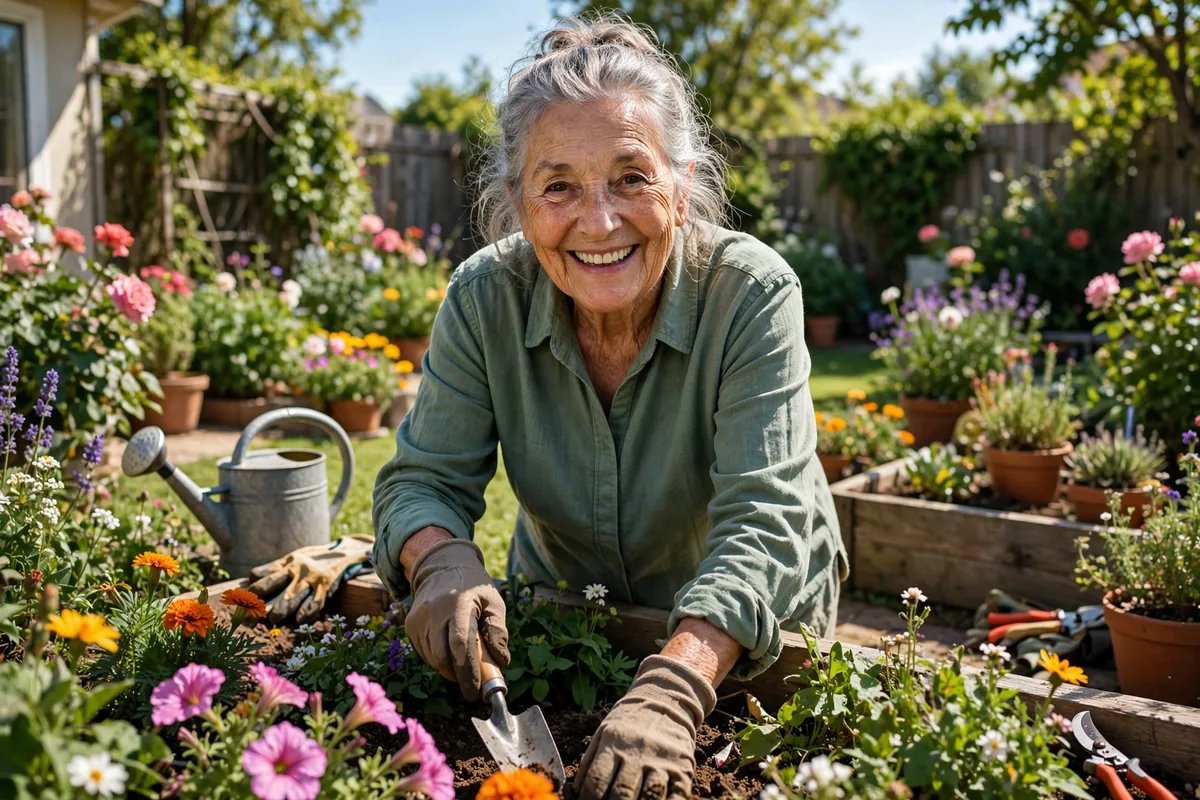
You can’t turn back the clock on your skin. You can make life gentler on it.
Cover up strategically. Long sleeves protect the forearms, the number one bruise zone. When you’re doing housework or gardening, they’re worth the warmth.
Pad your environment. The sharp corner of the coffee table, the edge of the kitchen counter: these are repeat offenders. A little padding or rearranging breaks the cycle.
Protect against the sun going forward. Sunscreen on the forearms and hands won’t undo decades of exposure, but it slows further damage. Moisturizer helps too, keeping skin supple rather than papery.
Eat with your vessels in mind. Vitamin C helps your body build collagen, and vitamin K plays a role in normal clotting. A varied diet with fruits, vegetables, and leafy greens covers both without any special effort.
And review your medications once a year with your doctor or pharmacist, asking directly: could any of these be making my bruising worse? Sometimes a small adjustment changes everything.
A note on blood-thinning basics at home: if you take a daily aspirin or similar medication, mention new bruising patterns at your next visit rather than stopping on your own. The same goes for fish oil and ginkgo. Supplements feel harmless because they’re sold without prescriptions, but they can shift clotting enough to matter, especially in combination.
Mostly harmless, occasionally a messenger

Here’s the reassuring truth most dermatologists will tell you. The vast majority of easy bruising after 55 is just aging skin doing what aging skin does. Cosmetic, not dangerous. Understanding that takes away most of the worry.
But your skin is also a messenger. When the pattern changes suddenly, when bruises show up in odd places, or when they bring friends like nosebleeds and fatigue, listen. That’s your body asking for a professional opinion.
Know what’s normal for you. And when something breaks the pattern, make the call.
This article is for information only and is not medical advice. If your bruising changes suddenly or worries you, talk to your doctor.

Eliza Mercer, the renowned golf coach with unmatched expertise in the sport, is our Lead Instruction Coach. Eliza provides exclusive and personalized coaching sessions to help golfers of all levels improve their skills. With her wealth of knowledge and experience, Eliza is a valuable resource for readers looking to elevate their game. Join Our Team!