
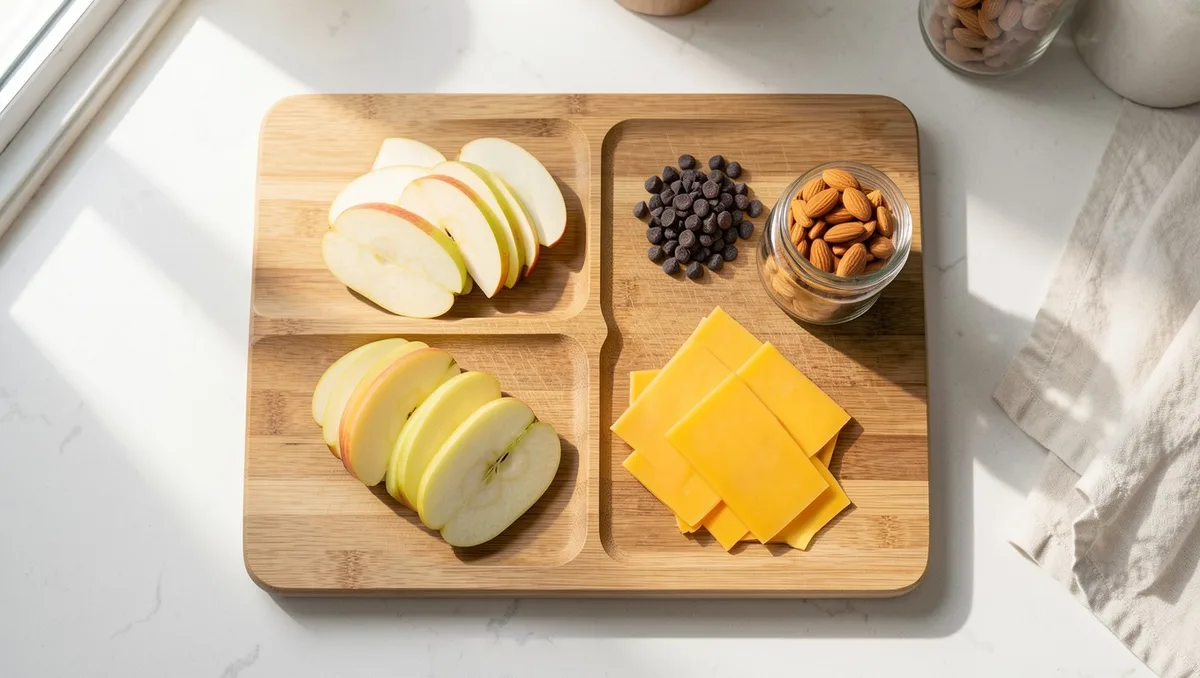
It hits around 3:15 p.m. every single afternoon.
Your focus evaporates, your eyelids grow heavy, and suddenly the office pantry or your kitchen cabinet starts calling your name for something salty or sweet. You grab a handful of plain pretzels or a rice cake, telling yourself you are making the light choice. Yet 45 minutes later, you are twice as exhausted and hungrier than before.
That midafternoon collapse is not a personal failure or a lack of discipline.
It is a predictable hormonal reaction to rapid glycemic spikes followed by sharp insulin crashes. When you eat fast-digesting carbohydrates by themselves, your bloodstream floods with glucose, forcing your pancreas to pump out insulin to clear the surge. You do not need to give up snacking to fix this; you just need to stop letting carbohydrates travel through your gut alone.
The Math of the Snack: Protein, Fiber, and Healthy Fats

Your digestive tract is a chemical gatekeeper.
When you eat a plain carbohydrate, it breaks down into simple sugars almost immediately in your stomach and upper intestine. This rapid gastric emptying forces a steep surge of glucose into your bloodstream. To blunt that curve, registered dietitians rely on three specific dietary anchors: protein, soluble fiber, and structural fats.
Fiber acts as a physical barrier in your intestines.
It forms a viscous gel matrix that slows the rate at which carbohydrates are broken down and absorbed into capillary walls. Protein and dietary fats go a step further by triggering the release of gut peptides like GLP-1 and cholecystokinin (CCK). These hormones signal your brain that you are full while physically delaying stomach emptying.
This is the PFF Rule: Protein, Fiber, or Fat with every single carbohydrate.
💡 PRO TIP
The Glucose Dampening Equation
Naked Carbohydrate = Rapid Digestion → Glucose Spike → Insulin Surge → Energy Crash. Carbohydrate + Protein, Fiber, or Fat = Slower Gastric Emptying → Steady Glucose Release → Sustained Afternoon Energy.
The Glycemic Anchor Hierarchy
Build your snack from the foundation up to prevent sugar spikes
1. Plain Greek Yogurt with Roasted Pepitas
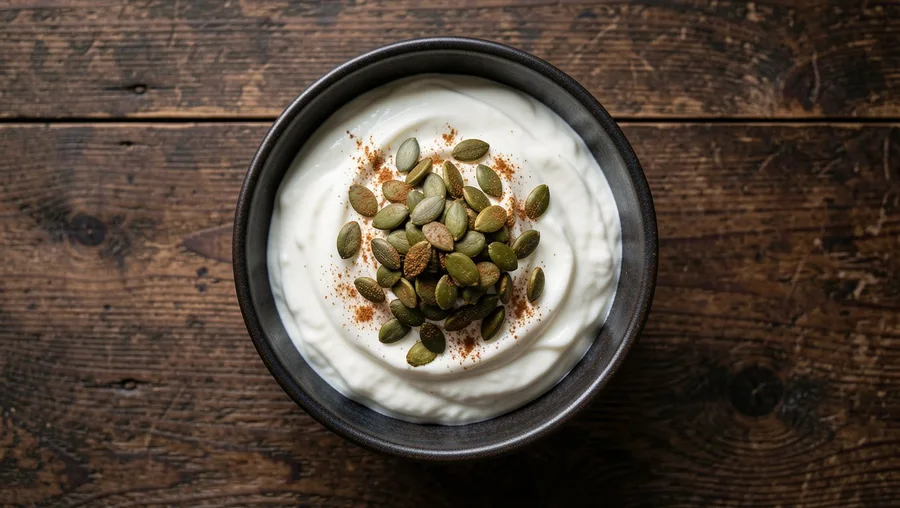
You reach into the fridge wanting something creamy, but flavored fruit yogurts pack up to 20 grams of added sugar per cup.
Unsweetened plain 2% Greek yogurt provides a dense 15 to 20 grams of protein per serving alongside naturally occurring lactic acid, which physically slows gastric transit. The protein content consists primarily of casein, which breaks down steadily over several hours rather than rushing your system.
Top three-quarters of a cup of plain Greek yogurt with two tablespoons of dry-roasted pumpkin seeds (pepitas). Pepitas contribute monounsaturated fats, dietary fiber, and a substantial dose of magnesium—a mineral essential for cellular insulin sensitivity that many adults over 50 lack.
💡 Tip: Dust the top with ground cinnamon; active compounds in cinnamon help support peripheral glucose uptake.
Yogurt & Pepita Bowl — At a Glance
⏱️ Prep Time
60 seconds
💪 Protein
18–22 grams
🥗 Key Fiber
Pepita hull fiber
⚡ Key Mineral
Magnesium
Metabolic Win
High casein protein slows stomach emptying for up to three hours.
2. Crisp Apple Slices Paired with Unsweetened Peanut Butter
An apple alone can still send glucose climbing if eaten on an empty stomach.
Apples carry roughly 19 grams of naturally occurring sugar, but they also contain pectin—a soluble fiber concentrated in the skin that forms a protective gel inside your digestive tract. When you pair those apple slices with two tablespoons of natural peanut butter, the added lipids and protein flatten the resulting glucose wave.
Look for natural peanut butter containing only two ingredients: peanuts and salt.
Commercial jars often sneak in hydrogenated palm oils and cane sugar that provoke systemic inflammation and defeat the purpose of a metabolic snack. One medium sliced Honeycrisp or Granny Smith paired with two tablespoons of natural peanut butter creates an ideal 1:1 ratio of fiber to healthy fats.
Fruit and Blood Sugar Misconceptions
3. Steamed Whole Edamame in the Pod
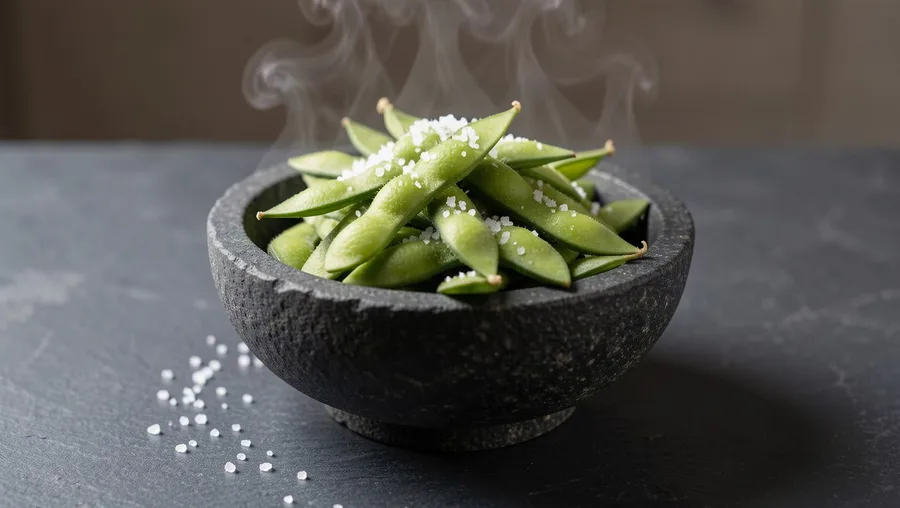
Sometimes you need a warm, savory snack that takes zero effort to pull together.
Edamame pods are young soybeans that serve as a complete plant-based protein source, delivering 18 grams of protein and 8 grams of dietary fiber per cooked cup. That double-digit combination of fiber and protein keeps post-meal glucose completely flat.
The physical ritual of shelling pods forces you to eat slower.
That intentional delay gives your gut stretch receptors time to signal your brain's satiety centers before you overeat. Keep a bag of frozen whole edamame pods in your freezer, microwave one cup for two minutes, and toss with toasted sesame oil and flaky sea salt.
4. Full-Fat Cottage Cheese with Cucumber Spears & Everything Seasoning
Fat-free dairy was a mistake of the 1990s.
When manufacturers strip fat out of cottage cheese, they remove the primary lipid buffer that delays gastric emptying, often replacing it with thickeners and starches. Choosing 2% or 4% full-fat cottage cheese gives you 14 grams of slow-digesting protein per half-cup alongside essential fatty acids.
Pair half a cup of cottage cheese with crisp English cucumber spears.
Cucumbers provide high volume, hydration, and crunch without adding meaningful carbohydrates to your metabolic load. Sprinkle generously with everything bagel seasoning for sodium and crunch without sugar.
Midafternoon Snack Choices Compared
High-Glycemic Trap
- Plain rice cakes or pretzels
- Fat-free fruit yogurts
- Commercial granola bars
- Dried fruit without nuts
Dietitian-Approved Anchor
- Cottage cheese with cucumber spears
- Plain Greek yogurt with pepitas
- Steamed edamame in the pod
- Apple slices with natural peanut butter
5. Crunchy Roasted Chickpeas Mixed with Raw Walnuts
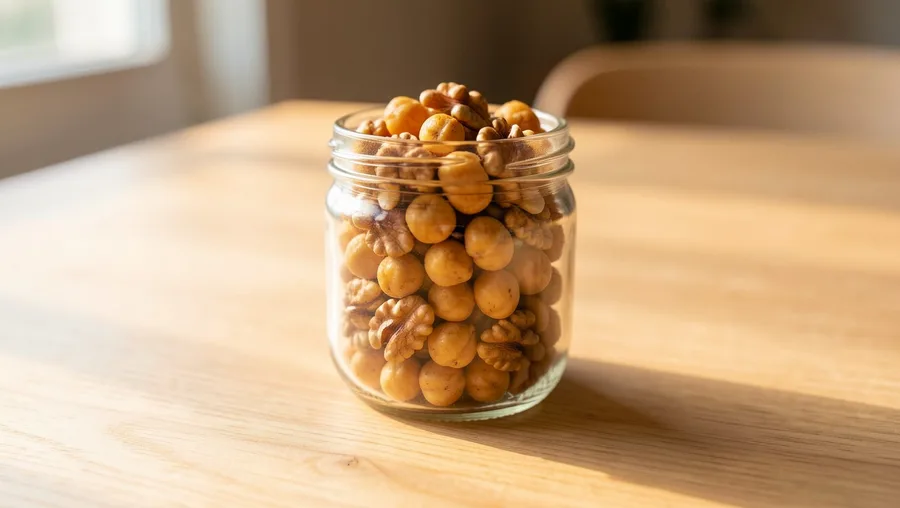
If you crave chips or crackers when stress hits, plain carbohydrates will destroy your afternoon energy.
Roasted chickpeas provide that deeply satisfying salty crunch while packing a heavy dose of resistant starch. Resistant starch resists breakdown in your small intestine, traveling down to feed beneficial gut bacteria in your colon while keeping glucose impact remarkably low.
Combine one-quarter cup of oven-roasted chickpeas with one-eighth cup of raw walnut halves.
Walnuts stand out among tree nuts for their high concentration of plant-based omega-3 fatty acids (alpha-linolenic acid), which help lower vascular inflammation and improve metabolic flexibility.
6. Hard-Boiled Eggs with Fresh Guacamole
Zero sugar, zero carbohydrates, maximum metabolic stability.
Hard-boiled eggs are a gold-standard glycemic anchor, packing 6 grams of high-biological-value protein alongside choline and essential B vitamins. Because they contain no carbohydrates, their insulin response is negligible.
Slice two hard-boiled eggs in half and top each with a tablespoon of fresh guacamole.
The monounsaturated fats from the avocado add rich texture and satiety without disturbing your blood sugar baseline. This combination keeps you full for up to four hours.
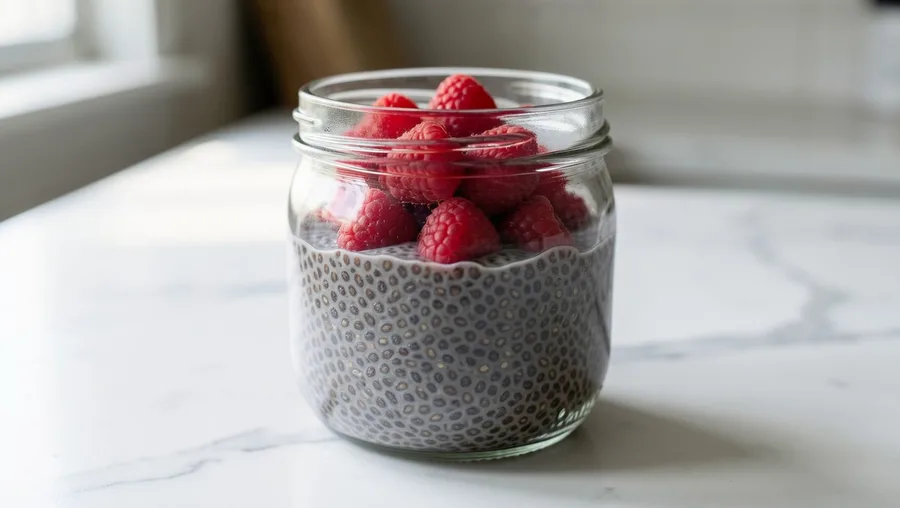
7. Overnight Chia Seed Pudding with Fresh Raspberries
A sweet craving does not mean you have to compromise your insulin levels.
Chia seeds are a metabolic marvel: when soaked in liquid, their outer coat expands to form a thick mucilaginous gel. That gel coats your digestive tract, dramatically slowing the enzymatic breakdown of any sugars consumed alongside it.
Combine two tablespoons of chia seeds with half a cup of unsweetened almond milk and let it set overnight.
Top with half a cup of fresh raspberries. Raspberries carry 8 grams of fiber per cup against just 5 grams of sugar, making them one of the lowest glycemic fruits on the planet.
8. 85% Dark Chocolate & Whole Raw Almonds
Deprivation is not a sustainable diet strategy.
If you force yourself to avoid chocolate completely, you will eventually end up overeating high-sugar milk chocolate late at night. The solution is moving to extra-dark chocolate that delivers rich cocoa polyphenols with minimal sugar.
Select chocolate that is 85% cocoa or higher.
At 85%, two squares contain less than 3 grams of sugar alongside rich cocoa butter lipids and flavanols that improve vascular endothelial function. Pair those two squares with 10 to 12 raw almonds to provide structural protein and fiber that completely neutralize the tiny sugar load.
Beyond the Food: The Universal Rules of Snack Timing

What you eat matters, but when you eat dictates how your body processes that fuel.
Dietitians emphasize giving your digestive system a clean break between eating events. Continuous grazing keeps baseline insulin levels perpetually elevated, preventing your body from accessing stored fat for fuel and keeping your liver in an active storage state.
Wait at least three to four hours after a main meal before having a snack.
Only eat a snack if you feel genuine physical hunger in your stomach—not out of boredom, fatigue, or stress. If dinner is only an hour away, drink a glass of water or herbal tea and skip the snack altogether.
⏱️ Optimal Midafternoon Glycemic Routine
12:30 PM — Balanced Lunch
Eat a structured lunch containing lean protein, non-starchy vegetables, and healthy fats.
03:15 PM — Physical Hunger Check
Pause and evaluate whether your hunger is physical or just mental fatigue from work.
03:30 PM — The Anchored Snack
Consume your paired snack containing at least 10 grams of protein or fiber.
04:00 PM — Light Hydration
Drink 16 ounces of water to support dietary fiber expansion in the gut.
07:00 PM — Evening Dinner
Sit down to dinner with baseline insulin fully recovered and appetite stable.
The 10-Second Pantry Audit: Is Your Snack Glucose-Safe?
You do not need a degree in nutrition to evaluate packaged snacks in your pantry.
Turn the box around and look directly at the Nutrition Facts panel. Take the total carbohydrate count and compare it directly to the dietary fiber count.
Look for a fiber-to-carb ratio of 1:5 or better.
If a snack has 20 grams of total carbohydrates, it should carry at least 4 grams of dietary fiber. Next, check for protein: if the item has less than 3 grams of protein and zero fat, you must add an anchor—like a string cheese or a handful of almonds—before eating it.
The Fast Pantry Audit
5-Day Midafternoon Snack Plan
Frequently Asked Questions
Can I eat fruit on a blood sugar-conscious diet?
Yes, whole fruit carries essential fiber, vitamins, and polyphenols. The key is choosing lower-glycemic options like berries, apples, and pears, and always pairing them with a protein or fat anchor to slow sugar absorption.
Do I need to eat a snack if I am not hungry between meals?
No. Snacking should be driven by true physiological hunger, not a rigid schedule. If your main meals contain enough protein and fat, you may not need an afternoon snack at all.
Are zero-calorie artificial sweeteners safe for blood sugar?
While artificial sweeteners do not directly raise blood glucose, some varieties can disturb gut microbiome composition and maintain sweet cravings. Unsweetened whole foods remain the superior choice.
What is the best snack before an intense workout?
Before high-intensity exercise, you actually want a faster-digesting carbohydrate with minimal fat or fiber to avoid GI distress. Save high-protein, high-fat paired snacks for sedentary work days.
Start With This Simple Swap Today
Stable energy is built through smart strategy, not sheer willpower.
Pick just two snacks from this list during your next grocery trip and replace any naked carbohydrates sitting in your pantry. By anchoring every carbohydrate with protein, fiber, or healthy fats, you eliminate afternoon brain fog and take complete control of your blood sugar.

Meet Edward Green, the founder of GolfingGoal and a seasoned expert in golf. With years of experience on the course and a passion for the sport, Edward has a wealth of knowledge to share. As our Lead Writer, he contributes articles, tutorials, and resources to help readers to improve their skills and reach their full potential on the golf course. Join Our Team!