
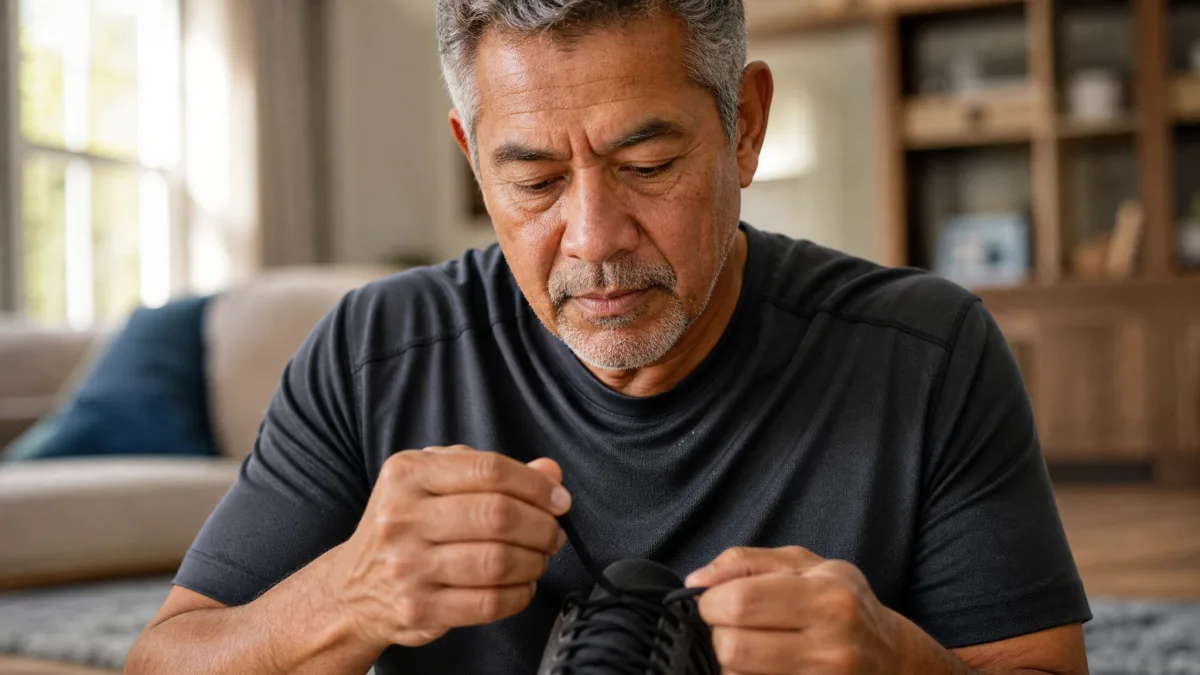
You wake up, stretch your back on the mattress, and feel a sudden, sharp protest from your lower spine that wasn't there last year. It is easy to look at that moment and assume you have hit a steep physical cliff where decline is mandatory. Most people carry a quiet fear that turning 65 means trading independence for a rotating cast of aches and fading stamina. That narrative is entirely wrong.
After decades spent in clinical practice, I see daily proof that functional age has very little to do with the number on your driver license. The secret lies in understanding how cellular repair shifts as you cross this decade. Here is your roadmap to preserving physical freedom and healthspan by knowing what habits to abandon immediately.
Why Geriatricians Worry About the Next Decade

Cellular repair mechanisms slow down noticeably around your mid-sixties, making every daily choice carry more physiological weight than it did at forty. Sarcopenia and osteopenia begin to silently erode your muscle mass and bone density if you fail to provide the right mechanical and nutritional triggers. This is why small lifestyle missteps compound into major vulnerability much faster now than they used to.
Systemic low-grade inflammation, often called inflammaging, alters how your tissues respond to stress and recovery. Avoiding high-risk behavioral traps protects your functional reserve better than any medication ever could. Let us look at the specific habits worth dropping today to stay fiercely independent for decades.
Your body is remarkably adaptive when you stop working against its changing biology. Recognizing these vulnerabilities early allows you to pivot toward proactive health preservation.
💡 PRO TIP
Healthspan Versus Lifespan Defined
Lifespan is the total number of years you breathe. Healthspan is the number of years you spend active, free of chronic pain, and entirely independent in your own home.
Mistake 1: I Would Never Skip Resistance Training for Light Walking Alone
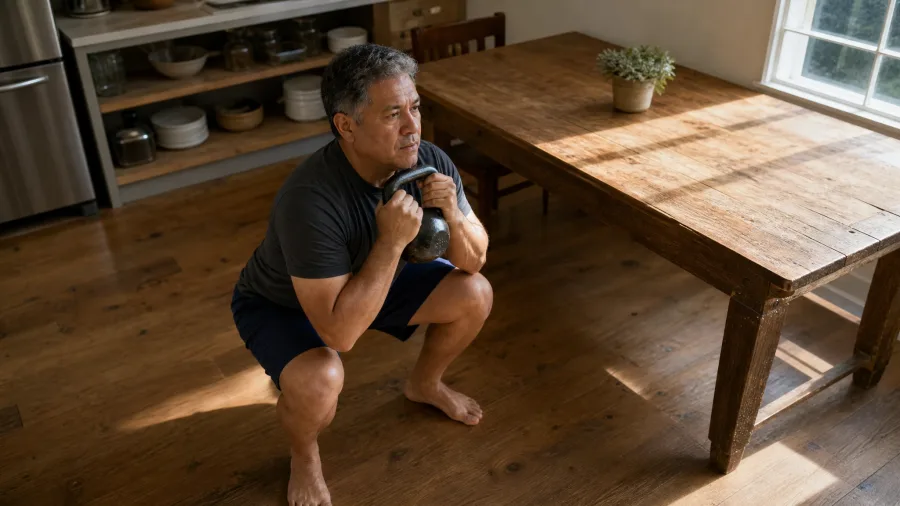
You lace up your walking shoes for a daily neighborhood loop and figure you have checked every necessary box for fitness. Walking is fantastic for cardiovascular health, but it completely ignores the skeletal remodeling required to keep your hips and spine dense. Without progressive resistance, your type II muscle fibers wither away, leaving you vulnerable to sudden balance failures.
Progressive overload using resistance bands, bodyweight squats, or moderate hand weights is non-negotiable after 65. Clinical consensus shows that muscle tissue responds eagerly to training at any age, provided you give it enough recovery time between sessions. Skipping this stimulus accelerates bone mineral loss faster than almost any other daily habit.
Pick up a pair of light dumbbells or use a sturdy kitchen chair for assisted sit-to-stand repetitions three mornings a week. Your bones only strengthen when they feel a mechanical load telling them they need to survive.
The Muscle and Bone Reality Check
Mistake 2: I Would Never Rely on Processed Health Foods or Extreme Restriction

You grab a commercial meal-replacement shake or a low-calorie diet bar off the grocery shelf because the label promises clean ingredients and easy weight control. Most of these ultra-processed items lack adequate protein and are packed with sodium or artificial additives that promote systemic inflammation. Eating less protein while restricting calories at 65 is a fast track to accelerating muscle loss.
Aging muscles develop anabolic resistance, meaning they need a higher concentration of amino acids per meal to trigger protein synthesis. You need roughly 25 to 30 grams of high-quality protein per meal instead of saving it all for a heavy dinner. Real food like wild-caught salmon, eggs, lentils, and poultry will always outperform expensive, highly marketed diet substitutes.
Focus on nutrient density over empty calorie bargains. Your metabolic engine needs genuine fuel to maintain cellular repair.
Protein and Nutrition Strategy — At a Glance
🍽️ Target Intake
1.2g to 1.5g per kg of body weight
⏰ Distribution
Balanced across 3 daily meals
🥛 Top Sources
Eggs, Greek yogurt, fish, poultry
⚠️ Avoid
High-sugar meal replacement shakes
💡 Key Benefit
Combats anabolic muscle resistance
The Dietary Shift
Spread your protein intake evenly throughout the day rather than front-loading it at dinner.
Mistake 3: I Would Never Isolate or Ignore Social Micro-Interactions

You spend days alone inside your house, convinced that quiet solitude is peaceful and harmless to your overall wellbeing. Chronic social isolation spikes your baseline cortisol levels, increases systemic inflammation, and accelerates cognitive decline just as effectively as high blood pressure. Casual, face-to-face micro-interactions act as vital exercise for your neural pathways.
Routine conversations at the local farmers market or community center stimulate neuroplasticity and buffer against stress-induced brain atrophy. Passive screen time on a smartphone or television does not engage the brain's default mode network the way real human connection does. Isolation is a quiet health hazard that deserves active daily countermeasures.
Make it a non-negotiable rule to have one meaningful verbal exchange outside your household every single day. Your brain stays sharp when it is forced to navigate the unpredictable nuances of human conversation.
The Impact of Daily Social Engagement
Mistake 4: I Would Never Treat Sleep as Optional or Rely on Chronic Sedatives

You stay up late scrolling through news feeds or toss and turn for hours, assuming that needing less sleep is just a normal perk of getting older. Older adults actually require just as much restorative rest as younger adults, but your circadian rhythm becomes flatter and more fragile. Fragmented sleep severely disrupts glymphatic clearance, preventing your brain from washing away metabolic waste overnight.
Reaching for over-the-counter sleep aids or prescription sedatives to fix insomnia creates a massive trap of daytime grogginess and severe fall risks. These medications impair your balance and cognitive sharpness, often leading straight to emergency room visits after midnight trips to the bathroom. Sleep is a biological necessity, not a negotiable luxury you can trade for extra productivity.
Establish a strict morning light routine by stepping outside without sunglasses for ten minutes within an hour of waking. That simple habit anchors your circadian clock and naturally invites deep, unmedicated rest when evening arrives.
Sleep and Recovery Jargon Busted
Mistake 5: I Would Never Ignore Early Sub-Clinical Symptoms or Postpone Check-ups

You feel a mild twinge in your hip or notice a slight hesitation in your balance, but you shrug it off with a cheerful grin and bear it attitude. Dismissing minor aches or subtle cognitive shifts as normal aging prevents you from catching manageable issues before they become catastrophic. Proactive biomarker tracking and early gait evaluation can completely change your trajectory.
Waiting until a major fall or acute medical crisis forces you into a doctor office puts you in a reactive position where choices are limited. Geriatric care thrives on early detection, tracking metabolic panels, lipid subfractions, and bone mineral density long before symptoms disrupt your lifestyle. Addressing minor instability today stops a hip fracture tomorrow.
Schedule routine comprehensive check-ups and bring a written list of subtle changes directly to your primary care physician. Staying ahead of minor shifts keeps you firmly in the driver seat of your health.
📅 From Reactive Habits to Proactive Longevity
Step 1: Audit Daily Movement
Identify periods of prolonged sitting and insert two-minute walking breaks every hour.
Step 2: Upgrade Protein Timing
Ensure every meal contains at least 25 grams of quality protein.
Step 3: Secure Morning Light
Step outside within 60 minutes of waking to anchor your circadian rhythm.
Step 4: Track Subtle Changes
Write down minor balance shifts or sleep disruptions to discuss with your doctor.
The Longevity Convergence: What Medical Science Actually Proves

Medical research on adults over 60 repeatedly demonstrates that lifestyle modifications yield massive compounding benefits for functional independence. When you strip away complicated medical marketing, successful aging comes down to consistent, deliberate micro-habits rather than genetic luck. Small changes executed daily protect your physical autonomy better than any radical overhaul.
Reframe this phase of life not as an inevitable slide into frailty, but as a golden window where intentional maintenance pays massive dividends. Your body responds positively to purposeful movement, clean nutrition, and genuine connection at any age. The scientific consensus is clear: you retain immense control over how you experience your later decades.
Embrace this chapter as a time of optimized maintenance where your daily choices directly protect your freedom. Consistency beats intensity every single time.
The Longevity Priority Pyramid
The Self-Check Payoff: Your Next-Decade Audit

Evaluating your current habits requires brutal honesty and a willingness to drop comfortable routines that no longer serve your physical body. Take a moment to review how many days this week you engaged in resistance work versus passive sitting. Look closely at your protein distribution across breakfast, lunch, and dinner.
Use a simple weekly audit checklist to map out where your daily routine needs immediate reinforcement. Pick one single habit to adjust over the next seven days rather than trying to transform your entire lifestyle overnight. Small, sustainable shifts build unstoppable momentum.
Your future independence is built on the micro-decisions you make right now in your kitchen and living room. Start with the easiest adjustment and watch how quickly your energy responds.
The Habit Transformation Panel
Reactive Aging Versus Proactive Longevity
Reactive Aging
- Relying exclusively on casual walking for fitness
- Skipping breakfast protein and grazing on processed snacks
- Using over-the-counter sedatives for sleep fragmentation
- Ignoring minor balance twinges until a fall occurs
Proactive Longevity
- Adding three weekly sessions of progressive resistance
- Distributing 25g+ of protein across every meal
- Anchoring circadian rhythm with morning sunlight
- Tracking subtle gait changes and consulting providers early
Frequently Asked Questions
Is it really possible to build muscle and improve bone density after age 65?
Yes. Clinical studies consistently show that muscle and bone tissue respond to progressive mechanical loading at any age. Even starting in your sixties, targeted resistance training increases strength and improves bone mineral density.
How much protein do older adults actually need compared to younger adults?
Older adults need roughly 1.2 to 1.5 grams of protein per kilogram of body weight daily. This higher target overcomes anabolic resistance and preserves essential muscle mass against age-related decline.
What are the safest forms of resistance training for someone with pre-existing joint arthritis?
Chair squats, resistance bands, and water aerobics provide excellent mechanical loading without high-impact joint strain. Working with a physical therapist ensures your form protects vulnerable joints.
How can I distinguish between normal age-related memory lapses and early cognitive decline?
Normal aging involves occasional difficulty recalling names or details that come back to you later. Consistent confusion with familiar tasks or getting lost in known areas warrants a prompt professional evaluation.
Why do sleep patterns change so drastically as we move past our 60s?
Aging naturally flattens your circadian rhythm and reduces deep sleep stages. Reinforcing morning light exposure and avoiding evening sedatives helps restore natural restorative rest patterns.
Your Next Step Toward Lasting Independence
Aging well is an active architectural project rather than a passive waiting game. Pick just one habit from this guide to upgrade starting tomorrow morning.
Protecting your physical freedom for the next decades is entirely within your control. Take charge of your routine today and enjoy the strength that comes with it.

Meet Edward Green, the founder of GolfingGoal and a seasoned expert in golf. With years of experience on the course and a passion for the sport, Edward has a wealth of knowledge to share. As our Lead Writer, he contributes articles, tutorials, and resources to help readers to improve their skills and reach their full potential on the golf course. Join Our Team!