

Sixty minutes. That's the average amount of time many adults spend commuting each day.
This daily travel is often seen as a necessary evil, a period we simply endure. Yet, its silent toll on your health and aging process is far more significant than most realize.
Beyond mere inconvenience, this routine exposure to stressors is a potent, often overlooked force actively accelerating physical and cellular aging.
From hormonal shifts to environmental exposures, your daily trip to work can quietly compromise your vitality and youthfulness.
Understanding these specific aging mechanisms empowers you to identify potential issues and consider proactive strategies to mitigate their impact.
Quick Tips Before You Start
Time Buffer
Add 10-15 minutes to your planned travel time to reduce rush anxiety.
Breathwork Basics
Practice slow, deep breathing at red lights to calm your nervous system.
Pack Smart Snacks
Bring fruit, nuts, or a hard-boiled egg to avoid impulsive unhealthy choices.
Audio Escape
Listen to a relaxing podcast or audiobook instead of stressful news.
Wear SPF Indoors
Apply broad-spectrum SPF 30 every morning, even if driving.
1. Chronic Stress Elevates Cortisol Levels
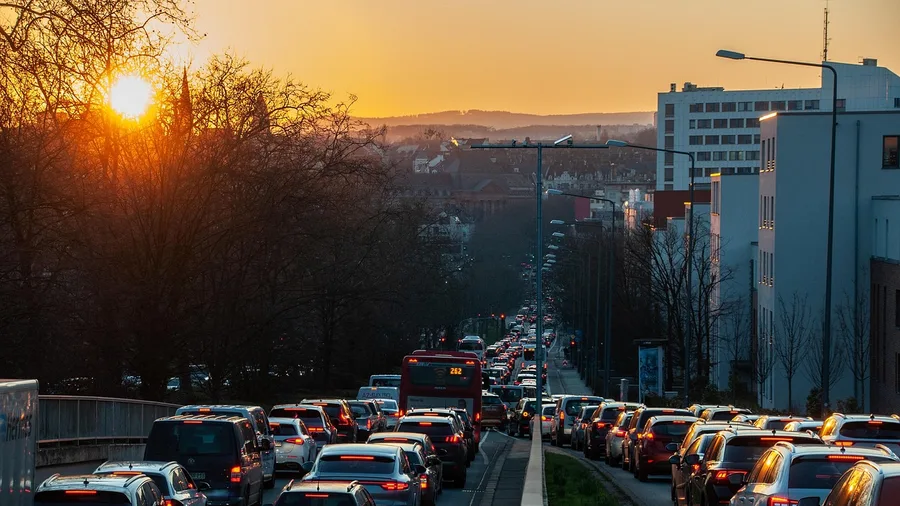
Every daily commute, with its unexpected traffic jams or sudden delays, acts as a subtle but persistent stressor.
This constant low-grade pressure can trigger your body's "fight or flight" system before you even get to work or back home.
When this system activates, your adrenal glands release cortisol, often called the stress hormone. While a temporary surge helps you react quickly, consistent daily triggers mean cortisol levels stay elevated for hours.
That prolonged elevation is the problem.
After 40, your body's ability to recover from these hormonal spikes isn't as quick as it once was, meaning cells stay in a stressed state longer.
Research consistently shows that high, ongoing cortisol levels accelerate cellular aging by impairing DNA repair mechanisms. This specifically impacts telomeres, the protective caps on your chromosomes that shorten with each cell division.
Shorter telomeres are a clear marker of older biological age, regardless of your chronological years.
This sustained internal state also feeds systemic inflammation, which wears down organs and contributes to a faster biological decline.
The Commute Stressors
Common factors contributing to daily commute stress, impacting well-being and aging.
2. Sleep Deprivation Accelerates Cellular Damage

While your body relies on complex internal systems to manage daily stressors, it also needs dedicated time to reset and rebuild.
That restorative work happens largely during sleep, and unfortunately, the demands of a daily commute – with early alarms and late arrivals – often cut into the time your body needs to properly recover.
Most adults between 40 and 70 need at least seven to nine hours of sleep each night for optimal function.
When those hours are consistently missed, the body's essential maintenance schedule falls behind. Adequate sleep is vital for repairing cells, releasing growth hormones that help rebuild tissues, and generally rejuvenating your entire system.
Over time, this chronic sleep debt shows up not just as fatigue, but as visible signs of accelerated aging. You might notice duller skin, more pronounced dark circles under your eyes, or a loss of natural skin elasticity that seems to worsen quickly.
⚠️ COMMON MISTAKE
Don't Sacrifice Sleep Prep
Many commuters mistakenly cut corners on their evening routine to make up for early mornings. Prioritize a consistent wind-down period and a dark, cool bedroom. Even 15 extra minutes of quality sleep preparation makes a difference.
3. Prolonged Sedentary Behavior Harms Cardiovascular Health

Beyond the critical need for adequate sleep, long stretches of inactivity during your commute also present a significant challenge to your body's long-term health.
Many of us spend hours each day sitting in a car, bus, or train, a habit that directly feeds into a broader sedentary lifestyle, even if you exercise regularly.
Sitting for extended periods, especially as we age, increases the risk of cardiovascular disease, including high blood pressure and an elevated chance of heart attack or stroke.
This lack of movement negatively impacts your metabolism. It can make your body less efficient at processing blood sugar and raise your risk of developing metabolic syndrome, which is a cluster of conditions that often appear together and can set the stage for more serious health issues.
Regular inactivity also leads to muscle loss, particularly in the core and legs, which affects balance and strength. You will likely experience reduced flexibility and even weaker bone density over time, accelerating physical decline and functional aging.
Active Commute Swaps
Do This
- Park a 10-minute walk from the office.
- Stand and walk on public transit whenever possible.
- Use a standing desk if you work from home.
- Schedule short stretch breaks during your drive.
Not That
- Drive directly to the closest parking spot.
- Stay seated for your entire train or bus journey.
- Sit for 8+ hours straight at your workstation.
- Ignore bodily stiffness or discomfort from sitting.
4. Air Pollution Damages Skin and Lungs

While you might be sedentary during your commute, the external world continues to affect your body in unseen ways.
Urban air pollution is a constant companion on most daily journeys. You are exposed to fine particulate matter like PM2.5, volatile organic compounds, and ground-level ozone, even inside your vehicle.
These microscopic invaders generate what experts call oxidative stress within your body.
Oxidative stress is essentially an imbalance, where harmful free radicals overwhelm your body's natural defenses, leading to damage at a cellular level.
For your skin, this means a direct assault on collagen and elastin fibers, the proteins that keep skin plump and supple.
Over time, this breakdown accelerates visible skin aging, showing up as increased fine lines, deeper wrinkles, uneven skin tone, and stubborn hyperpigmentation.
Beyond the skin, these inhaled pollutants also impact your respiratory system, reducing lung capacity as you age.
Studies consistently show a link between long-term exposure and systemic inflammation, affecting overall organ function and contributing to an accelerated biological age.
🧴 Protect Your Skin Daily
Cleanse Thoroughly
Wash your face immediately after your commute to remove pollutants and grime.
Apply Antioxidant Serum
Use a vitamin C or E serum in the morning to fight oxidative stress.
Use Broad-Spectrum SPF
Apply at least SPF 30 every morning, even if you are just driving.
Hydrate Internally
Drink plenty of water throughout the day to support skin barrier function.
Reapply Sunscreen
Consider reapplying SPF before your drive home, especially in summer.
5. Unprotected Sun Exposure Accelerates Skin Aging

Beyond invisible air pollutants, daily sun exposure during your commute also plays a surprising role in skin aging. You are indeed getting sun damage just sitting in your car.
Your car's windows block most UVB rays, the kind that cause immediate sunburn, but they offer far less defense against UVA radiation. These longer UVA wavelengths penetrate much deeper into your skin, past the surface, where they silently start their work.
This consistent UVA exposure breaks down the collagen and elastin fibers that keep your skin plump and firm. Over time, this process leads to what dermatologists call photoaging.
Expect to see more wrinkles, sagging, and reduced elasticity.
You will also notice an increase in sun spots and areas of uneven skin tone, especially on the side of your face and hands closest to the window.
Beyond the cosmetic, this regular, unprotected UVA exposure can increase the risk of skin cancer, especially on the driver's side of the face, neck, and hands. Many people in their 50s can already see a noticeable difference in skin texture and pigmentation between the two sides, a stark reminder of cumulative daily exposure.
6. Unhealthy Food Choices Affect Vitality

Beyond the external environmental factors, your commute also quietly influences your daily decisions, especially what you eat.
The pressure of a long commute often means grabbing whatever is easiest.
This common habit leads many to rely on processed, nutrient-poor options rather than balanced meals.
Think about the typical grab-and-go: fast food, sugary coffee drinks, packaged snacks, or ready-made meals high in sodium and preservatives.
These choices often lack the essential vitamins, minerals, and fiber your body needs, especially after 40, when metabolic demands shift.
This consistent nutrient deficit can significantly disrupt your gut microbiome, the community of beneficial bacteria in your digestive system.
A compromised gut affects everything from nutrient absorption to immune function, leading to more inflammation and digestive issues like bloating or discomfort.
Ultimately, poor nutrition contributes to chronic inflammation throughout the body, lowers your energy levels, and compromises the cellular function essential for repair and regeneration.
For most people, this diminishes overall vitality and accelerates biological aging from the inside out.
Frequently Asked Questions
How quickly can I see changes if I adjust my commute habits?
Visible changes, especially in skin vitality and energy levels, can appear within 4-6 weeks of consistent effort. Reduced stress and better sleep habits often show benefits even sooner, usually within two weeks.
Is public transport inherently better than driving for anti-aging?
Public transport can reduce sedentary time if you stand or walk to stations, and potentially lower stress compared to driving in traffic. However, exposure to crowds and pollution remains, so proactive steps like masks and hand sanitizer are still important.
What specific exercises can I do to counteract prolonged sitting?
Incorporate short bursts of movement. Try shoulder rolls and neck stretches at red lights, or simple calf raises and glute squeezes while waiting at a bus stop. Even a 2-minute walk every hour helps break up sedentary periods.
How do I protect my skin from pollution and sun during a walking commute?
A physical barrier like a wide-brimmed hat and sunglasses is key. Use a broad-spectrum SPF 30+ daily, and consider an antioxidant serum under your sunscreen. Cleanse your face thoroughly as soon as you arrive.
Are there apps that can help manage commute stress?
Yes, many mindfulness and meditation apps offer short, guided breathing exercises perfect for moments of traffic or transit delays. Look for ones with 5-10 minute sessions you can easily fit in.
Reclaiming Your Vitality from the Daily Drive
When viewed through the lens of longevity, the daily commute is more than just travel time; it emerges as a complex, multi-faceted assault on your overall health and youthfulness.
This everyday habit, often underestimated in its physiological toll, silently chips away at your body's natural resilience.
Recognizing these specific aging factors empowers you to grasp their significant impact and make informed choices. Even small shifts can help protect your vitality and turn those daily sixty minutes into an investment in your future.
Ready to Start Small?
Pick one tip from this article and implement it for a week. Small changes build lasting resilience against the daily grind.

Meet Edward Green, the founder of GolfingGoal and a seasoned expert in golf. With years of experience on the course and a passion for the sport, Edward has a wealth of knowledge to share. As our Lead Writer, he contributes articles, tutorials, and resources to help readers to improve their skills and reach their full potential on the golf course. Join Our Team!