

Your metabolism is not a furnace you can see. It is a process you feel.
You feel it when the same breakfast that kept you trim at 45 now seems to settle at your waist. When eight hours of sleep leaves you groggy. When everyone else is comfortable and you are reaching for a sweater.
Something shifted. The question is what, and whether you can shift it back.
Here are five signs doctors say point to a slowing metabolism, and what they actually suggest you do about them. No crash diets. No magic teas. Just the stuff that works.

Metabolism, in plain words

Forget the word “metabolism” for a second. Think of it as your body’s idle speed.
Even sitting still, your body burns energy to keep your heart beating, your lungs working, and your brain running. That baseline burn is called your basal metabolic rate, or BMR. On top of it, you burn energy digesting food and moving around.
With age, that idle speed tends to drop. The biggest reason is muscle. Muscle burns more energy at rest than fat does, and adults gradually lose muscle after 40 or so, a process called sarcopenia. Less muscle, lower idle speed, more leftover calories stored as fat.
Here is the encouraging part researchers keep repeating: your metabolism does not fall off a cliff. It stays fairly stable for decades and only begins to slow slightly after around 60. Much of the change comes from muscle loss and lifestyle, not age alone. That means a lot of it is in your hands.
Sign one: the same breakfast, new results
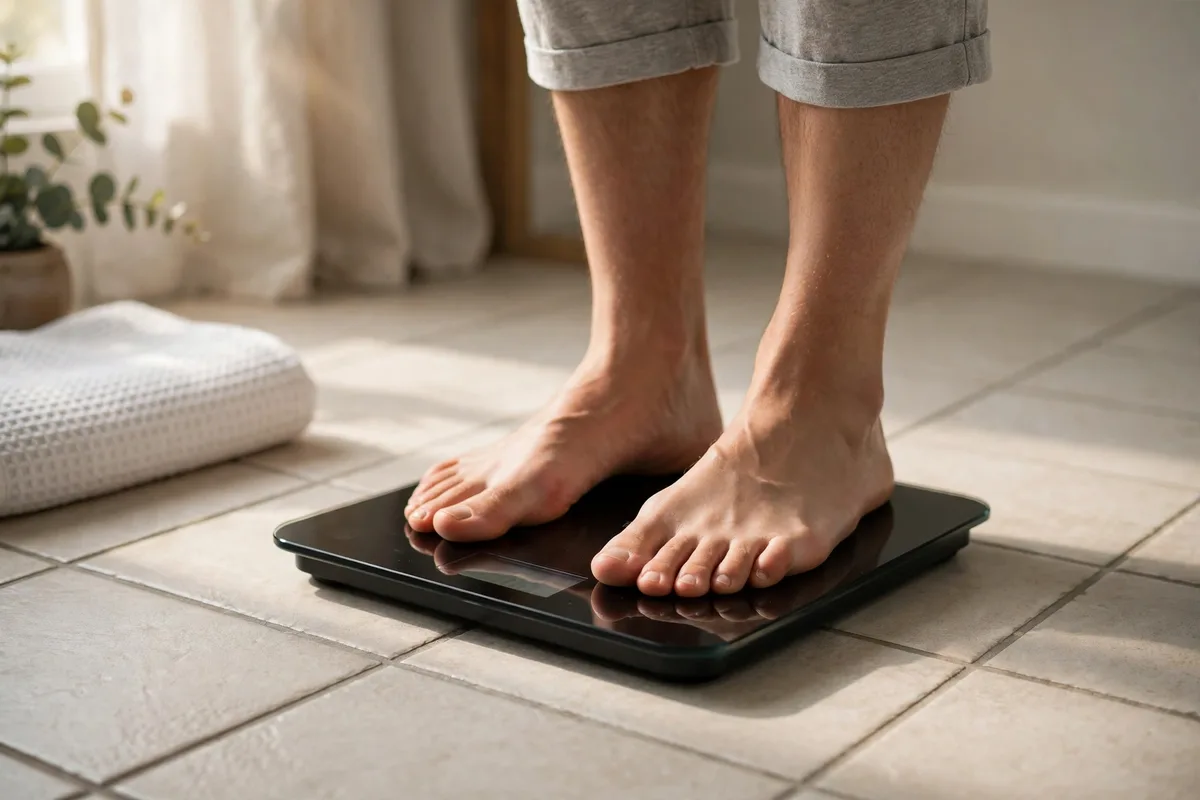
You have not changed what you eat. Your portions look the same. Your routine looks the same. But your waistband disagrees.
This is the most common sign of a slowing metabolism, and doctors list it first for a reason. When your body needs fewer calories to run its daily operations, the surplus has to go somewhere. It usually goes to the belly.
The cruel twist: eating less is not the fix people hope for. Slash calories too hard and your body defends itself by slowing down even more, the old “starvation mode” response. Older adults who undereat also lose more muscle, which lowers the burn rate further. It becomes a loop.
The way out is to eat enough, not too little, and to make protein a regular guest at every meal. Protein takes more energy to digest than carbs or fat, and it gives your body the raw material to hold on to muscle.
Sign two: tired on full sleep

You slept seven or eight hours. You should feel fine. You do not.
Persistent fatigue is one of the most reported signs of a sluggish metabolism. When cells cannot turn fuel into energy efficiently, everything feels heavier. Stairs. Errands. Thinking.
Before blaming your metabolism alone, check the basics. Harvard Health points out that fatigue, trouble concentrating, and a general “blah” feeling can also signal an underactive thyroid, which slows metabolism directly. Women are more likely to develop thyroid trouble as they age, and the onset can be so gradual it barely registers.
Low vitamin D and low iron can mimic the same tiredness. If exhaustion is new and steady, it is worth a blood test rather than a guess.
Sign three: cold when nobody else is

Everyone else is in shirtsleeves. You want a jacket.
Feeling chilly when others are comfortable is a classic metabolic signal. Burning fuel produces heat, so a slower burn produces less warmth. Hands and feet feel it first.
It is also one of the hallmark signs of low thyroid function. The thyroid is a small butterfly-shaped gland in the neck that sets the pace of metabolism through its hormones. When those hormones run low, body temperature, energy, and mood can all drift downward together.
Occasional chilliness is just life. A new, constant need for extra layers is worth mentioning at your next checkup, especially if it arrived alongside fatigue or weight changes.
Sign four: your digestion slowed down too

Metabolism does not only run your energy. It runs your gut.
When the overall pace slows, digestion can crawl. Food spends longer in the digestive tract, which often means constipation, bloating, and gas. If this is new for you, the change in rhythm may be metabolic rather than dietary.
Water helps more than people expect. Even mild dehydration can slow metabolic processes, and fiber needs fluid to do its job. A glass of water before meals and fiber-rich foods like beans, oats, and vegetables keep things moving.
Movement matters here too. A daily walk is one of the simplest ways to wake up a sluggish gut. It does not need to be long or fast. Regular beats heroic.
Sign five: your hair, nails, and skin changed their mood

Hair and nails grow constantly, and constant growth takes energy. When metabolism slows, the body rations fuel, and non-essential projects get cut first. Hair thins. Nails turn brittle. Skin dries out because the body sweats less to conserve heat.
This is why these changes can be early warning signs rather than vanity complaints. They reflect how much energy your body has available for renewal.
Nutrition gaps often ride along with a slow metabolism. Protein, iron, and certain vitamins all feed healthy hair, nails, and skin, so shortages show up in the mirror before they show up in a lab result. A varied diet with enough protein covers most of it.
What doctors actually suggest

Here is the good news, straight from the medical playbook. Nothing on the list requires a prescription or a purchase.
First, protect your muscle. Doctors recommend strength training because muscle is the main driver of your resting burn. Bodyweight exercises like squats, wall push-ups, and hip bridges count. Two or three short sessions a week is enough to start.
Second, eat more protein. Research cited by Healthline found that getting 25 to 30 percent of calories from protein can raise daily burn by 80 to 100 calories compared with lower-protein diets, partly because protein costs more energy to digest. Chicken, fish, eggs, beans, and yogurt all work.
Third, walk. Aerobic exercise burns calories directly, and doctors suggest around 30 minutes most days, broken into 10-minute chunks if that is easier. Fourth, drink water, since even mild dehydration drags metabolism down. And fifth, sleep seven to nine hours, because short sleep scrambles the hormones that regulate hunger and energy.
Notice what is missing: extreme diets, detoxes, and miracle supplements. Sustained, balanced eating beats dramatic restriction every time.
When it is worth a blood test

Sometimes the signs are not just aging. They are a condition.
An underactive thyroid, or hypothyroidism, can cause fatigue, weight gain, cold intolerance, dry skin, and constipation, the same cluster as a slow metabolism. If left untreated, it can raise cholesterol and blood pressure and strain the heart. A simple blood test diagnoses it.
Other conditions can mimic metabolic slowdown too, including certain hormonal disorders. If several signs arrived together, or if lifestyle changes are not moving the needle, ask your doctor about testing.
One honest note: this article is information, not medical advice. Metabolism involves hormones, medications, and health conditions that are personal to you, so talk to your doctor before making big changes, especially to diet or exercise.
Small fires need tending

Your metabolism is not broken. It is just burning a little lower than it used to, and it responds to tending.
Muscle. Protein. Walking. Water. Sleep. Five small fires, tended regularly, keep the big one burning. Start with one. Add another when the first feels easy.
Your body carried you this far on its own schedule. A little maintenance is a fair trade.

Eliza Mercer, the renowned golf coach with unmatched expertise in the sport, is our Lead Instruction Coach. Eliza provides exclusive and personalized coaching sessions to help golfers of all levels improve their skills. With her wealth of knowledge and experience, Eliza is a valuable resource for readers looking to elevate their game. Join Our Team!